Tag: gambling

Slot Behavior Explained Clearly

Slot machines are among the most iconic forms of gambling, found in casinos around the world. They have evolved significantly from their mechanical origins to the sophisticated digital versions we see today. Understanding how slot machines work, and how their various features affect gameplay, can make the experience more enjoyable and potentially improve a player’s approach to playing.

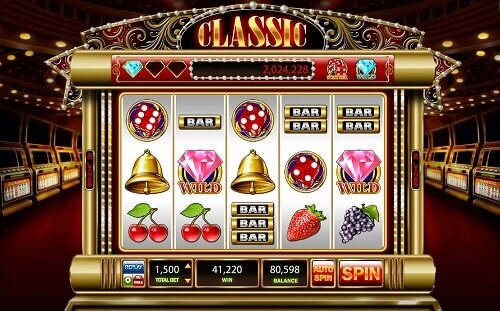
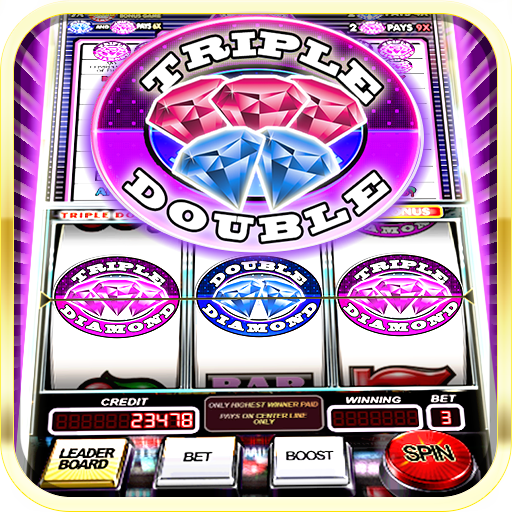
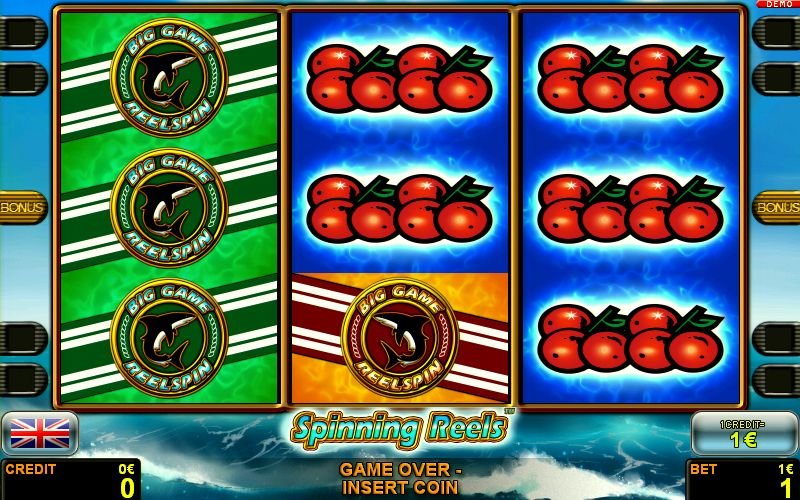
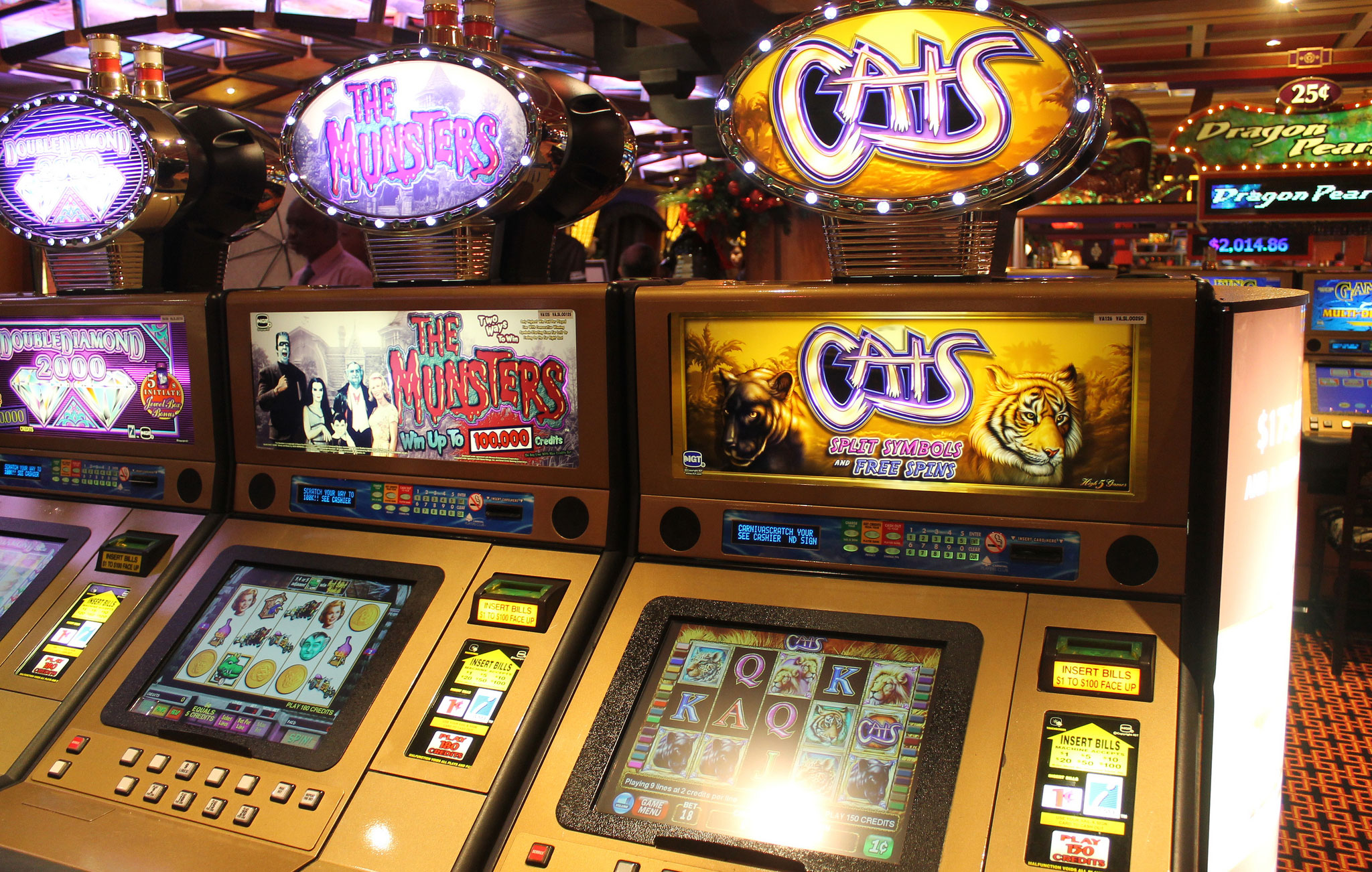
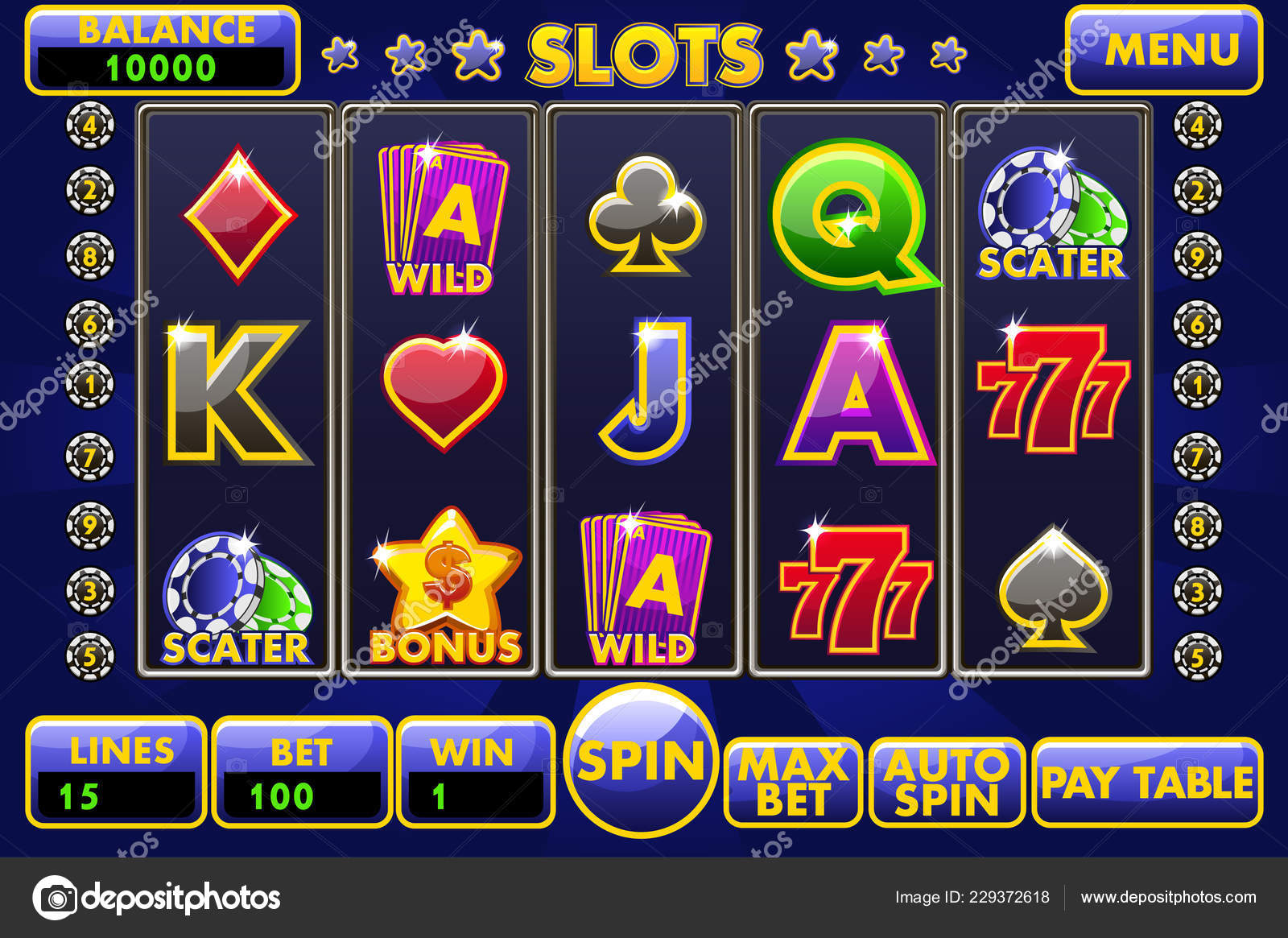
At its core, a slot machine is a game of chance. The traditional design consists of reels, symbols, and a payline. Each reel is a vertical section that spins when activated, and symbols are the images that appear on these reels. The payline is the line across the reels that determines winning combinations. In the simplest sense, when the reels stop spinning, if the symbols align on the payline in a winning combination, the player receives a payout. The payout is usually determined by the type of symbols and the amount wagered. Modern video slots often have multiple paylines, sometimes even hundreds or thousands, which increases the number of ways a player can win.

A fundamental component that controls slot outcomes is the Random Number Generator, or RNG. This is a software program that generates numbers continuously, even when the machine is not being played. When a player presses the spin button, the RNG selects a number corresponding to a specific symbol position on each reel. Because the RNG operates independently for each reel and each spin, the result is entirely random and unpredictable. This means that no strategy can guarantee a win, as every spin is independent of the previous one.

Slot machines also vary in terms of volatility, often referred to as variance. Volatility measures the risk level of the game and how often and how much a player might expect to win. High volatility slots tend to pay out larger amounts but less frequently, making them riskier but potentially more rewarding for players willing to endure longer dry spells. Low volatility slots pay out smaller amounts more regularly, providing a steadier stream of wins but less chance for a massive jackpot. Players can choose machines based on their risk tolerance and preferred style of play.

Another key feature in modern slots is the bonus round. Bonus rounds can come in various forms, such as free spins, pick-and-click games, or multipliers. Free spins allow the player to spin the reels a set number of times without additional wagers, often with enhanced features like wild symbols or multipliers that increase potential payouts. Pick-and-click games involve selecting items on a screen to reveal prizes, while multipliers increase the value of winnings during a certain period. These bonus rounds are designed to create excitement and extend gameplay, and they often significantly increase a player’s potential rewards.

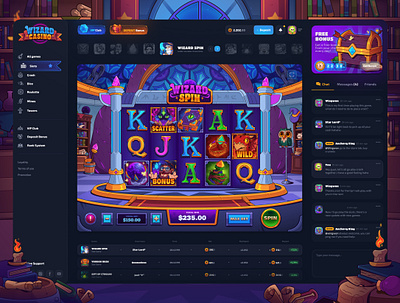
Wild symbols are another common feature. Wilds can substitute for other symbols to create a winning combination, much like a joker in card games. Some wilds come with additional features, such as multipliers, which can increase the payout of a winning line, or expanding wilds, which cover an entire reel when triggered. Scatter symbols are also significant because they usually trigger bonus features or free spins, and they often do not need to appear on a specific payline to be effective. Understanding the role of these symbols is essential to fully appreciating how slot machines function and maximizing the entertainment value.

Slot machines can be either fixed or adjustable in terms of paylines. Fixed-payline slots have a set number of paylines that must be played for each spin, while adjustable-payline slots allow players to choose how many lines they want to wager on. Betting on more paylines increases the chances of hitting a winning combination but also increases the total bet per spin. Players should balance the number of paylines with their bankroll and risk tolerance, as spreading bets too thin may lead to a quick depletion of funds without significant wins.

Progressive slots are a special category where a portion of each wager contributes to a growing jackpot. These jackpots can reach life-changing sums and continue to increase until one lucky player hits the winning combination. Because the jackpot is cumulative, progressive slots usually have higher volatility. The thrill of potentially winning a massive amount attracts many players, but it is important to understand that the odds of hitting a progressive jackpot are extremely low compared to standard payouts.

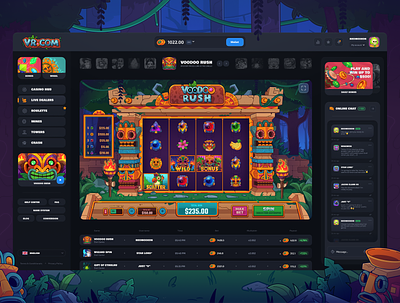
Slot machines also incorporate features designed to enhance user experience, such as autoplay and betting presets. Autoplay allows the machine to spin automatically for a set number of rounds at a chosen bet amount, which is convenient for players who prefer continuous play without manual input. Betting presets let players quickly select their preferred bet size without adjusting each time, streamlining gameplay. These features do not affect the randomness of the game, but they do impact the pace and convenience of play.

Understanding pay tables is critical for any player. The pay table shows the value of each symbol and outlines how different combinations are rewarded. It also provides information on special symbols, bonus triggers, and any multipliers. Familiarizing oneself with the pay table before playing ensures that players are aware of what to expect and can make informed decisions on betting strategy. While no strategy can overcome the RNG, knowing which symbols are most valuable and how bonus features work can help players optimize their experience.

In conclusion, slot machines combine chance, psychology, and entertainment. Their design, including RNG-driven outcomes, paylines, bonus rounds, and special symbols, ensures that every spin is unpredictable. While luck is the dominant factor, understanding the mechanics, volatility, and features of slots can enhance enjoyment and help players manage their bankroll more effectively. Whether one prefers low-risk regular wins or high-risk jackpots, knowing how slots behave provides a clearer perspective on the game and ensures a more informed and engaging experience.

How Slot Strategy Improves Enjoyment

Slot machines are a staple of casinos and online gaming platforms, captivating players with their bright lights, exciting sounds, and the promise of instant rewards. While many approach slots purely with luck in mind, incorporating a strategy can significantly enhance the enjoyment of the experience. A well-thought-out slot strategy does not guarantee a jackpot, but it transforms gameplay from a passive activity into an engaging and interactive experience. By understanding how slot strategy works, players can maximize fun, manage risks, and maintain control over their gaming sessions.

One of the primary ways strategy improves enjoyment is by fostering a sense of purpose and direction. Randomness is a fundamental aspect of slots, and without a plan, players may feel aimless, spinning reels without intention. A strategic approach gives players goals, whether it’s extending playtime, hitting certain payout thresholds, or experimenting with different machine types. This sense of direction creates a deeper emotional connection to the game. Rather than viewing each spin as a fleeting chance, players engage more fully with the mechanics, the symbols, and the payout structures. Every decision—from choosing a machine to selecting bet sizes—becomes meaningful, heightening the sense of anticipation and engagement.

Another significant benefit of slot strategy is improved bankroll management. Many players experience frustration or disappointment when they exhaust their funds quickly due to uncontrolled betting. Implementing a strategy helps players set limits, determine bet sizes, and pace their play. For example, some strategies involve increasing bets after wins or losses, while others emphasize consistent, moderate wagers to extend session length. By managing money effectively, players avoid the stress of sudden losses and instead focus on the enjoyment of the game. Knowing that funds are under control allows players to immerse themselves in the experience without anxiety, which is essential for long-term satisfaction.

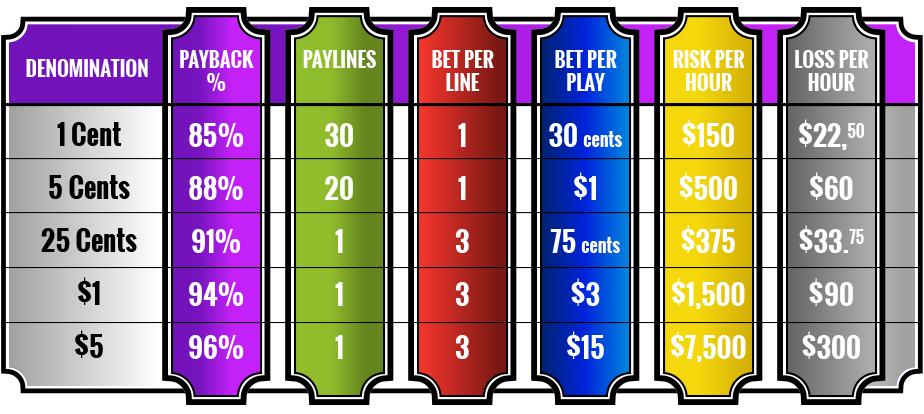
Choosing the right type of slot machine is also an important aspect of strategy. Not all slots are created equal; they vary in volatility, payback percentages, themes, and bonus features. A strategy may involve selecting high-volatility machines for thrilling but less frequent wins or low-volatility machines for steady, smaller payouts. Understanding these distinctions allows players to tailor their experience to their preferences. Some players enjoy the rush of chasing big jackpots, while others prefer prolonged sessions with more frequent, modest wins. This personalization enhances enjoyment by aligning gameplay with individual goals and temperament.

Additionally, strategic engagement with bonus features can heighten the excitement of slots. Many modern machines offer free spins, multipliers, and interactive mini-games. A player who understands how these features work and when to trigger them can experience more frequent bursts of excitement. Planning around bonus rounds, rather than leaving them to chance, increases anticipation and creates memorable moments within the session. This layer of tactical thinking makes the game more dynamic and less monotonous, as players are actively involved in decisions rather than passively watching reels spin.

A strategy also encourages experimentation, which can enhance the fun factor. Players who systematically try different machines, paylines, or betting approaches discover what they enjoy most. This exploratory aspect of gaming adds variety and prevents sessions from becoming repetitive. It also provides a sense of learning and progression, as players refine their understanding of game mechanics and outcomes. When players see patterns in their results or notice which machines they prefer, even small wins feel more rewarding because they are tied to informed choices rather than pure luck.

Psychologically, using a strategy can boost confidence and reduce frustration. Many players experience the emotional rollercoaster of near-misses, streaks of losses, and unpredictable outcomes. Without a plan, these swings can feel overwhelming or discouraging. Strategy provides a framework for interpreting results, keeping players calm and focused. By approaching slots with a thoughtful method, players are less likely to be discouraged by losses and more likely to savor wins, no matter how small. This controlled approach creates a healthier relationship with gambling and enhances the overall enjoyment of sessions.

Social aspects of slots can also benefit from strategic thinking. Many players discuss tactics, compare results, and share experiences in online communities or among friends. Having a strategy provides conversation points and a shared framework for analysis. Discussing approaches or learning new techniques from others adds a collaborative, interactive dimension to what might otherwise be a solitary activity. This social engagement enriches the experience, making it more entertaining and multifaceted.

In addition, adopting a strategy encourages mindfulness and presence during gameplay. Rather than spinning mindlessly, players pay attention to patterns, timing, and outcomes. This active engagement transforms slots from background noise into a focused, immersive activity. Mindful play enhances the emotional highs of wins and the amusement of near-misses, making each session more memorable. The mental stimulation that comes from strategic thinking and observation adds depth to the entertainment value of slots, making them more than just a simple gamble.

Finally, a slot strategy cultivates long-term enjoyment by promoting sustainability. Players who rely solely on luck may experience highs and lows that are emotionally draining, leading to burnout or disengagement. Strategy ensures that sessions are manageable, enjoyable, and aligned with personal limits. By balancing risk, reward, and engagement, players maintain a positive gaming experience over time. This sustainable approach encourages repeated play for pleasure rather than desperation, making each session a source of fun, anticipation, and excitement.

In conclusion, while slot machines are inherently games of chance, incorporating a strategy significantly enhances the enjoyment of play. Strategy brings purpose, improves bankroll management, enables personalization, engages players with bonus features, encourages experimentation, boosts confidence, supports social interaction, promotes mindfulness, and ensures sustainable play. By approaching slots thoughtfully, players transform their experience from passive gambling into active, rewarding entertainment. The thrill of spinning reels, when combined with strategic thinking, becomes more than a game of luck—it becomes an immersive, dynamic, and enjoyable adventure where every decision adds to the excitement.

Why Slot Games Reward Calm Play

Slot games have long been a staple of both physical casinos and online gaming platforms, attracting players with their bright lights, enticing sounds, and the allure of potential rewards. While the immediate appeal of slot machines might seem purely based on chance, there is a subtle psychological dimension that often goes unnoticed: the way calm, deliberate play can enhance a player’s overall experience and, in many cases, their success. Understanding this dynamic sheds light on why patience and measured strategies tend to be more rewarding than impulsive, high-stakes approaches.

At their core, slot games operate on random number generators (RNGs), ensuring that every spin is independent and unpredictable. This randomness means that no skill directly influences the outcome of a single spin. However, calm play allows players to engage with the game in a more controlled manner, which impacts not only their emotional state but also their decision-making and long-term sustainability. Emotional regulation is crucial because the excitement of potential wins or the frustration of losses can easily lead to rash decisions. By maintaining a calm demeanor, players can approach each spin with a clearer perspective, making it easier to manage their bankroll, choose appropriate betting amounts, and recognize patterns in their behavior rather than the machine’s output.

The concept of calm play extends beyond emotional stability. Players who engage in thoughtful, unhurried gaming sessions tend to make more rational choices regarding the structure and pace of their gameplay. Instead of rapidly chasing losses or attempting to “force” a win through repeated high-risk bets, calm players often set defined limits for both time and money spent. This approach prevents impulsive behavior that can quickly deplete funds and lead to stress. The ability to pace oneself, take breaks, and step back from the intensity of the flashing lights and sounds allows for a more sustainable and enjoyable experience. In essence, calm play transforms what could be a frenetic, anxiety-inducing activity into a controlled, enjoyable pursuit.

Another reason calm play is rewarded in slot games is the enhancement of focus and attention. Slot machines are designed to capture the player’s senses with dynamic visual and auditory cues, which can easily become overwhelming. A hurried or emotionally charged approach often results in players missing subtle features of the game, such as bonus rounds, multipliers, or free spin opportunities. Those who approach the game calmly are more likely to notice these features, make strategic adjustments, and maximize the potential of every spin. Even though outcomes remain unpredictable, the ability to exploit game mechanics through awareness gives calm players a relative advantage in terms of efficiency and engagement.

In addition to these cognitive benefits, calm play also improves resilience to the psychological challenges inherent in slot gaming. Losses are inevitable due to the random nature of the games, and a high-strung, impatient mindset often leads to emotional swings that undermine the enjoyment of the experience. Calm players, however, are better equipped to treat losses as a normal part of gameplay rather than a personal failure. This mindset shift reduces stress and prevents the common cycle of chasing losses, which can escalate into reckless betting behavior. By remaining steady, players maintain control over their actions and are more likely to exit the game at appropriate moments, preserving both their bankroll and their sense of well-being.

Bankroll management is another area where calmness pays dividends. Players who maintain a measured approach can make more deliberate choices about how much to wager on each spin, which games to play, and when to take a break. This level of discipline reduces the risk of exhausting funds quickly and allows players to experience more spins over a longer period. Extended playtime increases the enjoyment of the game, providing more opportunities for bonus features and big wins without compromising financial stability. In contrast, impulsive betting often leads to early depletion of funds, creating frustration and diminishing the sense of reward even when luck momentarily favors the player.

Calm play also fosters a greater appreciation of the entertainment value of slot games. By slowing down and engaging with the mechanics rather than rushing for an outcome, players often find themselves more immersed in the visual and thematic elements of the game. This engagement can transform gameplay from a mere attempt to win money into an enjoyable recreational experience. The mental shift from urgency to mindfulness enhances overall satisfaction and can make wins feel more rewarding, as the emotional experience is not dominated by tension or stress. In this way, calmness indirectly amplifies the psychological reward of winning, even though it does not influence the actual odds.

Moreover, calm players often develop stronger strategic instincts over time. While skill cannot alter the inherent randomness of slot outcomes, experience combined with patience allows players to recognize which games offer better bonus structures, higher volatility, or more frequent payouts. By observing and reflecting rather than reacting impulsively, players can make informed choices about where to invest their time and wagers. This strategic awareness is a subtle but meaningful benefit of calm, attentive play, highlighting that while luck drives outcomes, thoughtful engagement can optimize the overall experience and satisfaction.

In the broader context, calm play aligns with principles of responsible gaming. Casinos and gaming platforms encourage strategies that promote moderation, awareness, and emotional control. Players who adopt a calm approach naturally adhere to these principles, reducing the risk of addictive patterns and enhancing long-term enjoyment. The practice of calm play, therefore, not only benefits individual sessions but also supports healthier, more sustainable gaming habits.

Ultimately, the rewards of calm play in slot games are less about changing the odds and more about shaping the player’s experience. By fostering emotional stability, enhancing focus, improving bankroll management, and encouraging strategic thinking, calm play transforms a random, chance-driven activity into a more controlled and satisfying pursuit. The combination of patience, awareness, and discipline allows players to enjoy the thrill of the game without succumbing to stress or impulsive behavior. In the end, those who approach slot machines with calmness are not just better equipped to handle losses—they are also more likely to experience the psychological and entertainment rewards that make slot gaming appealing in the first place.

By embracing calmness, players tap into a subtle advantage: they gain control over their experience even in a game ruled by randomness. Wins become more meaningful, losses less frustrating, and the act of playing itself more enjoyable. This balance between engagement and emotional regulation is what ultimately makes calm play a strategy that is rewarded over time, not by the machine itself, but by the enhanced quality of the gaming experience and the sustainable enjoyment it fosters.

Slot Awareness and Decision Control

Slot awareness and decision control are fundamental concepts in cognitive science and behavioral psychology, reflecting the intricate ways humans process information and make choices. At the core, slot awareness refers to an individual’s capacity to recognize the availability of options or “slots” in a particular context. These slots can be literal, as in seats, positions, or openings, or metaphorical, representing opportunities, roles, or potential actions within a decision-making environment. Awareness of these slots is not merely passive recognition; it involves understanding the nature, constraints, and potential consequences of occupying a slot. A person with high slot awareness can identify multiple possibilities simultaneously, anticipate changes in availability, and adapt their behavior accordingly. This cognitive skill is closely tied to attentional control, memory, and situational awareness, all of which contribute to efficient and adaptive decision-making.

Decision control, on the other hand, is the capacity to regulate one’s choices and actions in line with goals, values, and contextual demands. It involves executive functions such as planning, inhibitory control, and cognitive flexibility. Decision control allows an individual to prioritize options, resist impulsive tendencies, and execute strategies that optimize outcomes. It is the mechanism by which slot awareness is operationalized: recognizing a potential opportunity is valuable only if it can be translated into a deliberate and controlled action. High decision control ensures that opportunities are seized strategically rather than randomly, and that choices are aligned with long-term objectives rather than short-term impulses.

The interplay between slot awareness and decision control is particularly evident in dynamic environments where options are constantly changing. For instance, in a fast-paced work setting, an employee must be aware of open projects, roles in meetings, or chances to lead initiatives. Slot awareness enables them to perceive these possibilities, while decision control helps them choose which opportunities to pursue based on workload, skillset, and career objectives. The synergy between the two allows for adaptive behavior: the individual is not merely reacting to circumstances but proactively navigating complex scenarios.

Cognitive load plays a critical role in this interaction. When an individual is overloaded with information or stimuli, slot awareness can be impaired, leading to missed opportunities or misperceptions about what is available. Likewise, decision control may weaken under stress, fatigue, or emotional pressure, resulting in impulsive or suboptimal choices. Therefore, effective functioning in decision-rich environments depends not only on the ability to recognize available options but also on the capacity to maintain mental clarity and self-regulation. Techniques such as mindfulness, structured decision frameworks, and prioritization strategies can enhance both slot awareness and decision control by reducing cognitive noise and fostering deliberate focus.

From a psychological perspective, these concepts are also linked to motivation and reward processing. The perceived value of a slot or opportunity influences attention and prioritization. If an individual expects a high reward from a particular slot, their awareness of it is heightened, and decision control mechanisms are more likely to engage to secure it. Conversely, if the potential outcome is low or uncertain, the slot may be ignored, even if it is technically available. This illustrates how subjective evaluation interacts with objective availability, shaping behavior in nuanced ways. The brain’s reward systems, particularly dopaminergic pathways, play a central role in modulating this process, reinforcing the pursuit of high-value opportunities and discouraging engagement with less rewarding options.

In practical applications, slot awareness and decision control are critical in fields such as healthcare, aviation, and competitive sports, where rapid assessment of options and controlled execution of actions are vital. In medicine, a surgeon must be aware of anatomical variations (slots) during a procedure and exercise precise control over instruments and timing to achieve successful outcomes. In aviation, pilots must monitor multiple flight parameters, recognize openings for course adjustments, and execute maneuvers with careful decision control to ensure safety. Athletes, similarly, assess spatial and temporal slots in real time, deciding whether to pass, shoot, or reposition based on a combination of awareness and control. In each case, the integration of perception and regulation determines success or failure.

The development of slot awareness and decision control can be enhanced through training and experience. Simulation exercises, scenario-based learning, and deliberate practice foster the ability to perceive opportunities and regulate actions effectively. Cognitive strategies such as visualization, mental rehearsal, and contingency planning strengthen decision control by allowing individuals to anticipate outcomes and practice adaptive responses. Additionally, reflective practices help individuals review past decisions, identify patterns of success and error, and refine both awareness and control mechanisms over time.

Social and environmental factors also influence these capacities. A supportive environment that provides clear feedback, structured choices, and manageable complexity enhances both slot awareness and decision control. Conversely, chaotic or unpredictable settings can overwhelm cognitive resources, leading to reduced awareness of available opportunities and impaired regulation of actions. Cultural norms and organizational structures further shape how individuals perceive slots and exercise control, affecting behavior in both subtle and overt ways. Understanding these contextual influences is essential for designing systems, workplaces, and interventions that maximize human decision-making potential.

Technological advancements are increasingly interfacing with human slot awareness and decision control. Artificial intelligence systems, decision-support tools, and real-time analytics can augment human perception of available options, providing insights that would be difficult to detect unaided. These tools can help prioritize decisions, simulate potential outcomes, and reduce the cognitive burden associated with complex environments. However, reliance on technology also introduces new challenges, including overdependence, reduced intuitive judgment, and potential misalignment between machine-generated recommendations and human values. Striking a balance between assisted awareness and autonomous decision control is critical in leveraging these innovations effectively.

At a theoretical level, slot awareness and decision control can be conceptualized as complementary components of adaptive behavior. Slot awareness represents the scanning and recognition phase, where potential opportunities are detected and evaluated, while decision control represents the execution phase, where deliberate action is applied to capitalize on these opportunities. Together, they enable flexible, goal-directed behavior in environments characterized by uncertainty, complexity, and change. Research in cognitive neuroscience, behavioral economics, and human factors continues to elucidate the mechanisms underlying these processes, offering insights into how humans optimize choices and navigate challenges.

In sum, slot awareness and decision control are deeply intertwined aspects of human cognition that shape how individuals perceive, evaluate, and act upon opportunities. They are critical in both everyday life and high-stakes contexts, influencing outcomes ranging from personal success to organizational performance. By understanding and enhancing these capacities through training, reflection, and environmental design, individuals can improve their ability to navigate complex situations, make strategic choices, and achieve desired goals. These concepts underscore the importance of integrating perception, evaluation, and regulation in the study of human behavior and decision-making, revealing the sophisticated interplay between recognizing what is available and determining how to act effectively.

How Slot Sessions Stay Enjoyable

Slot sessions can be an exciting way to unwind, combining the thrill of chance with a little strategy and entertainment. The enjoyment of playing slots isn’t solely about winning big; it’s about the overall experience, the atmosphere, and the engagement each spin provides. Many players find themselves returning to slots because the sessions offer a form of escapism, a break from routine, and a chance to feel the rush of unpredictability. Understanding what keeps these sessions enjoyable can help both new and seasoned players maximize their experience.

One of the most fundamental aspects of an enjoyable slot session is variety. Modern slot games offer a wide range of themes, from ancient civilizations and fantasy worlds to pop culture references and cinematic experiences. Each game brings a unique set of graphics, sound effects, and storylines that immerse players in different scenarios. This diversity ensures that sessions don’t feel monotonous, giving players fresh experiences every time they sit down to play. A visually appealing game can capture attention instantly, while engaging soundtracks and dynamic animations maintain excitement and involvement throughout the session.

Another key element is the balance between simplicity and interactivity. Slots are generally easy to understand, with straightforward rules and clear objectives. This accessibility allows anyone to jump in without needing extensive knowledge or prior experience. At the same time, many slots incorporate bonus features, free spins, multipliers, and mini-games that add layers of strategy and engagement. These interactive elements give players a sense of control and anticipation, as they wait to see if a bonus round or jackpot trigger will occur. The combination of easy-to-understand gameplay and interactive surprises contributes significantly to the enjoyment of each session.

Pacing also plays a crucial role. Players often find sessions more satisfying when they can control the speed of their gameplay. Fast-paced games can deliver quick bursts of excitement, perfect for those seeking immediate thrills, while slower-paced slots allow for a more relaxed experience, letting players savor each spin and the accompanying sounds and visuals. Some online platforms even let players adjust autoplay settings, enabling a personalized rhythm that suits individual preferences. The ability to tailor the session’s pace ensures that players remain engaged without feeling rushed or overwhelmed.

Another factor that enhances enjoyment is the sense of progression. Even in games of chance, players appreciate milestones and small victories. Winning combinations, bonus rounds, and unlockable features provide tangible achievements that keep interest high. Many slots incorporate progressive jackpots or accumulative rewards, creating the allure of a potential big win that can occur at any moment. This unpredictability sustains excitement, as players never know when the next spin might bring a significant reward. The anticipation itself often fuels the enjoyment, making each spin feel meaningful regardless of the outcome.

Social elements can also make slot sessions more enjoyable. Many online casinos now include features such as leaderboards, multiplayer modes, and community chats. Players can compare scores, celebrate wins, or simply share tips and experiences with others. Even if players are not physically present in a traditional casino, these social interactions create a sense of community and shared excitement. The ability to engage with others, whether through competition or camaraderie, adds an extra layer of enjoyment that goes beyond the mechanics of spinning reels.

Responsible gameplay is equally important in maintaining a positive experience. Enjoyable sessions are those where players feel in control, setting limits on time and spending to avoid stress or frustration. Establishing a budget and sticking to it ensures that the entertainment remains pleasurable rather than becoming a source of anxiety. Taking breaks and pacing oneself prevents burnout, allowing players to return to sessions feeling refreshed and ready to enjoy the game. Awareness of one’s limits contributes to long-term enjoyment, as it helps maintain the balance between fun and discipline.

The design of the slot itself plays a significant role in keeping sessions enjoyable. Developers spend extensive effort on creating visually striking graphics, immersive soundscapes, and smooth animations that enhance the sensory experience. Themes that resonate emotionally, whether through nostalgia, humor, or fantasy, draw players in and sustain their attention. Additionally, intuitive interfaces and clear paytables make it easy for players to understand their potential outcomes and rewards, reducing frustration and enhancing satisfaction. A well-designed game keeps players engaged and makes each session feel polished and rewarding.

Finally, mindset and attitude influence the overall enjoyment of a slot session. Players who approach slots with a focus on entertainment rather than purely on winning tend to have a more positive experience. Accepting that losses are part of the game and celebrating small wins, interesting graphics, or entertaining bonus rounds shifts the focus from outcome to experience. This approach encourages relaxation and fun, turning each session into a pleasurable activity rather than a stressful gamble. By appreciating the journey rather than just the result, players can extract the maximum enjoyment from every spin.

In conclusion, slot sessions remain enjoyable because they combine variety, accessibility, pacing, progression, social interaction, responsible play, and immersive design. Each factor contributes to creating a captivating and rewarding experience, ensuring that players remain engaged and entertained. Whether it’s the thrill of the spin, the excitement of a bonus feature, or simply the pleasure of a well-crafted theme, every element works together to make slot sessions a fun and memorable form of entertainment. By approaching gameplay with balance and an appreciation for the experience, players can consistently enjoy every moment spent at the reels.

Slot Strategy for Responsible Play

Slot machines have long been one of the most popular forms of entertainment in casinos and online gaming platforms. Their allure lies in their simplicity and the instant excitement they offer, combining visual and auditory stimulation with the potential for financial reward. Despite the thrill, it is essential to approach slot play with a clear strategy that prioritizes responsibility over risk, ensuring that the experience remains enjoyable rather than detrimental. Responsible play in slot gaming involves understanding the mechanics of the games, managing time and money wisely, and adopting a mindset that treats gambling as entertainment rather than a source of income.

The first step in developing a responsible slot strategy is understanding the nature of slot machines. Modern slots operate on random number generators, ensuring that each spin is independent and unpredictable. There is no method to guarantee a win, and outcomes are purely probabilistic. Recognizing this helps to set realistic expectations. Players should approach slots with the mindset that losses are part of the experience, and wins are a bonus rather than an entitlement. Accepting this principle reduces the psychological pressure to chase losses, a behavior that can lead to problematic gambling.

Bankroll management is another critical aspect of a responsible slot strategy. Before starting, players should set a budget that they are comfortable losing and never exceed this amount. Dividing the bankroll into smaller sessions can help control spending and prolong enjoyment. For instance, a player with a total budget of $200 might choose to play in four sessions of $50 each. This approach ensures that losses are limited, and players maintain a sense of control. Additionally, setting loss and win limits within each session can prevent impulsive decisions. A loss limit safeguards against chasing losses, while a win limit allows players to enjoy their success without risking the gains immediately.

Time management is equally important in responsible slot play. It is easy to become engrossed in the immersive environment of slot machines, losing track of time. Setting a time limit for gaming sessions helps prevent excessive play and ensures that gambling does not interfere with other responsibilities. Regular breaks during play can also provide perspective and reduce fatigue, helping players make more rational decisions rather than impulsive ones driven by prolonged exposure to the game’s stimuli.

Choosing the right type of slot game is part of a strategic approach to responsible play. Different games have different volatility levels, which describe the frequency and size of payouts. Low-volatility slots offer smaller, more frequent wins, making them suitable for players who prefer extended play with a steady stream of rewards. High-volatility slots, on the other hand, have larger but less frequent payouts, appealing to those who enjoy the thrill of chasing significant wins but can tolerate longer periods without a return. Understanding one’s risk tolerance and selecting games accordingly ensures that play remains enjoyable and aligned with personal comfort levels.

Another key component of a responsible slot strategy is utilizing the features and promotions offered by casinos and online platforms wisely. Many sites provide bonuses, free spins, and loyalty programs. While these incentives can enhance the gaming experience, they should not be used as a means to chase losses. Players should read the terms and conditions carefully and understand wagering requirements. Using bonuses strategically can extend playtime and provide additional entertainment value without increasing financial risk.

Maintaining emotional awareness is crucial for responsible gambling. Slot play is designed to evoke excitement and anticipation, but it can also trigger frustration when outcomes are unfavorable. Recognizing signs of emotional distress, such as chasing losses, playing under stress, or using gambling as an escape, is essential. When these patterns emerge, it is a signal to pause or stop playing. Employing mindfulness and self-reflection can help maintain a balanced approach, keeping the experience fun rather than compulsive.

Technology also offers tools to support responsible play. Many online platforms include features such as deposit limits, loss limits, session reminders, and self-exclusion options. Utilizing these tools proactively can help maintain control over gambling behavior. For example, setting daily, weekly, or monthly deposit limits ensures that spending stays within a predetermined budget, while session reminders encourage breaks to avoid excessive play. Self-exclusion programs can provide temporary or permanent relief for those who feel they need a break from gambling entirely.

Education and awareness further reinforce a responsible slot strategy. Learning about the odds, payout percentages, and game mechanics empowers players to make informed decisions. Understanding that the house always has an edge fosters realistic expectations and reduces the likelihood of risky behavior. Accessing resources from reputable organizations that promote responsible gambling can provide guidance and support for developing healthy gaming habits.

Finally, combining social accountability with personal responsibility can strengthen a responsible approach to slot play. Sharing goals or limits with friends or family members can create a support system that reinforces self-discipline. Engaging in gambling activities with peers who value moderation can also enhance enjoyment and reduce the temptation to overextend.

In summary, a responsible slot strategy revolves around awareness, preparation, and self-regulation. Understanding the randomness of outcomes, managing bankroll and time effectively, choosing appropriate games, leveraging bonuses responsibly, maintaining emotional awareness, utilizing technological tools, and educating oneself about the nature of slots all contribute to a sustainable and enjoyable gaming experience. Responsible play ensures that slots remain a form of entertainment, providing excitement and engagement without compromising financial or emotional well-being. By adopting these strategies, players can enjoy the thrill of slot machines while maintaining control, fostering a positive relationship with gambling that prioritizes fun over risk.

Why Slot Discipline Reduces Stress

Slot discipline is a concept that often gets overlooked by casual players but has a profound effect on the overall gaming experience, especially in reducing stress levels. At its core, slot discipline refers to the practice of setting clear limits and following structured rules while playing slot machines, whether physical or online. Many people assume that playing slots is purely a matter of luck, and they approach it without any self-regulation. However, incorporating disciplined strategies can significantly transform a player’s emotional state, making the activity far less stressful.

One of the primary reasons slot discipline reduces stress is that it creates a sense of control. In gambling, particularly with slots, the inherent randomness can feel overwhelming, leading to frustration when expectations are not met. When players establish concrete limits, such as a set budget for a session or a time constraint for playing, they gain a measure of control over a chaotic environment. This control helps counteract the feeling of helplessness that can arise when a machine doesn’t pay out as hoped. By knowing the boundaries, players can enjoy the game for entertainment purposes rather than obsess over winning, which inherently reduces anxiety.

Another significant factor is financial security. One of the leading causes of stress associated with gambling is the fear of losing money uncontrollably. Without discipline, it’s easy to chase losses, leading to spiraling financial worries and heightened stress. Slot discipline, by enforcing predetermined spending limits, prevents excessive losses and allows players to maintain their financial stability. When players know exactly how much they are willing to risk and stick to that amount, they experience less worry and can focus on the fun aspect of the game. This separation of money management from emotional involvement is critical for maintaining a relaxed state.

Time management also plays a crucial role in stress reduction through slot discipline. Long, uninterrupted gambling sessions can be mentally exhausting, especially if the outcomes are unfavorable. By setting session lengths or taking scheduled breaks, players protect themselves from burnout and maintain a healthier mental state. Discipline encourages breaks and time-outs, which help players refresh and return to the game with a clear mind, preventing frustration from accumulating. Structured time management ensures that gaming remains a pleasurable activity instead of a source of fatigue or stress.

In addition, slot discipline enhances emotional regulation. Gambling can trigger intense emotional reactions, including excitement, disappointment, and frustration. Players who approach the game without a strategy are more likely to succumb to impulsive behaviors, chasing wins or reacting negatively to losses. Discipline introduces a framework for responding to outcomes calmly. By sticking to predetermined rules, players learn to manage their emotions better, recognizing that losses are part of the experience and not a reflection of personal failure. This mindset reduces the emotional rollercoaster and fosters a more relaxed approach to gaming.

Psychologically, knowing that there are boundaries in place reduces anticipatory anxiety. Many players experience stress before and during a session, worrying about the possibility of significant losses or regrettable decisions. Establishing limits in advance acts as a preventive measure, mitigating these anticipatory worries. The mind perceives the game as predictable within certain confines, even if the results themselves remain random. This perceived predictability is calming and allows players to engage in the activity with a sense of safety, which naturally lowers stress levels.

Slot discipline also fosters better decision-making, which indirectly reduces stress. Impulsive gambling often leads to regret and self-recrimination, which heightens stress. By following a disciplined approach—deciding beforehand on the amount to bet, the machine to play, or the type of strategy to use—players make more rational decisions and feel confident in their choices. This confidence reduces post-play anxiety and prevents the mental burden of “what if” scenarios that can plague undisciplined gamblers. Over time, disciplined players develop habits that prioritize long-term enjoyment over short-term gains, further enhancing a stress-free experience.

Social factors can also be influenced by slot discipline. Many people feel pressure when gambling in public or in social environments, worrying about how they are perceived or comparing their results with others. Discipline allows players to focus on their own game plan rather than external comparisons, reducing social stress. By adhering to personal rules, players detach from the competitive or judgmental aspects of social gambling, creating a more relaxed and individualized experience.

Finally, slot discipline encourages reflection and mindfulness. When players establish rules and follow them consistently, they become more aware of their habits, triggers, and emotional responses. This heightened self-awareness leads to improved mindfulness during gaming sessions. Mindful players notice their emotional states without becoming overwhelmed by them, which is a critical tool for stress reduction. Rather than being swept away by impulsive reactions, they remain grounded and enjoy the present moment, appreciating the entertainment value without undue anxiety.

In conclusion, slot discipline operates as a multi-faceted approach to stress reduction. It provides control over randomness, ensures financial security, encourages time management, enhances emotional regulation, and fosters better decision-making. It also mitigates social pressures and promotes mindfulness, creating an overall safer and more enjoyable gaming experience. Players who embrace discipline are less likely to experience the emotional highs and lows commonly associated with gambling and can engage with slot machines as a form of entertainment rather than a source of anxiety. Over time, disciplined habits not only improve enjoyment but also reinforce psychological resilience, demonstrating that a structured approach to an inherently unpredictable activity can profoundly enhance well-being.

By treating slots with intentionality, boundaries, and self-awareness, stress can be significantly minimized. Discipline transforms the experience from one of uncertainty and tension into one of controlled enjoyment, proving that even in games of chance, personal strategy and self-regulation matter more than luck alone.

Why Slot Habits Matter

Slot habits matter far more than many players realize. At first glance, playing slot machines might seem like a purely recreational activity driven by luck, bright lights, and flashy sounds. However, the patterns and habits that develop around slot play can significantly impact both the enjoyment of the game and the player’s financial outcomes. Understanding why these habits matter is essential for anyone who wants to engage responsibly and maximize the experience.

The first reason slot habits are important is that they directly influence spending. Many casual players approach slots without a clear plan, relying on intuition or impulse. This often leads to sessions that last longer than intended and losses that exceed what the player had budgeted. In contrast, players who establish disciplined habits—setting time limits, deciding on a spending cap before starting, and sticking to it—tend to have more controlled and enjoyable experiences. By fostering mindful habits, a player ensures that the entertainment value of slots does not come at the expense of financial strain.

Beyond managing spending, slot habits shape the psychological experience of playing. Slots are designed to be engaging through intermittent rewards and sensory stimulation. Without self-awareness, a player can become trapped in a cycle of chasing losses or expecting wins, which may lead to frustration and diminished enjoyment. Players who develop habits such as taking breaks, stepping away after a series of losses, or alternating high-risk and low-risk bets tend to maintain a healthier relationship with the game. These habits help prevent the emotional highs and lows from overwhelming the experience, allowing players to enjoy slots as a form of entertainment rather than a source of stress.

Another critical aspect of slot habits is understanding the mechanics and strategies involved. While slots are largely games of chance, there are nuances that can influence outcomes. For example, understanding pay tables, volatility levels, and bonus structures allows players to make informed decisions rather than relying solely on luck. Players who habitually read game information, try different machines strategically, and learn patterns of play develop a level of expertise that enhances the gaming experience. These habits do not guarantee winnings, but they do ensure that players are engaging with the game intelligently, which can improve satisfaction and reduce impulsive losses.

Slot habits also influence social interactions in casino settings. For many players, slots are a social activity, whether playing alongside friends, participating in tournaments, or engaging in online communities. Positive habits, such as sharing tips, encouraging responsible play, and celebrating wins without excessive boastfulness, foster a healthier environment for everyone involved. Conversely, negative habits, like excessive competitiveness, persistent complaints about luck, or attempting to manipulate outcomes, can create tension and diminish the social enjoyment of slots. The habits players cultivate affect not only their personal experience but also the experience of those around them.

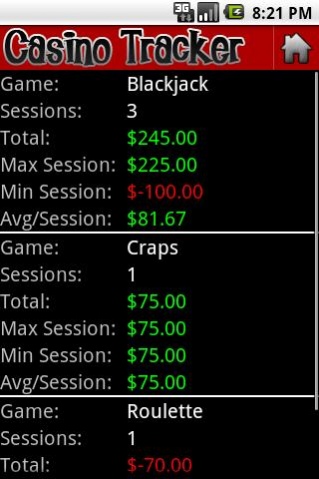
Additionally, slot habits play a role in long-term behavioral outcomes. Players who approach slots thoughtfully tend to carry the discipline learned into other areas of life, such as budgeting, time management, and risk assessment. Developing habits like planning sessions in advance, tracking wins and losses, and reflecting on outcomes promotes a mindset of self-awareness and responsibility. In contrast, neglecting these habits can contribute to patterns of impulsivity and poor decision-making, which may extend beyond the context of gaming. The ripple effects of slot habits demonstrate that even seemingly minor recreational activities can influence broader behavioral tendencies.

Technological changes in slots further highlight the importance of habits. With the rise of online casinos and mobile gaming, access to slot machines has become easier than ever. This convenience can blur the line between casual play and excessive engagement. Players who maintain strong habits, such as limiting session lengths, disabling autoplay features, and monitoring account balances, are better positioned to navigate this accessibility responsibly. Without such habits, the ease of access can quickly lead to unintentional overspending or prolonged gaming sessions that impact other life priorities.

Moreover, slot habits can affect a player’s emotional resilience. Slots inherently involve uncertainty, and losses are a normal part of the experience. Players who have developed habits like accepting outcomes without frustration, maintaining a positive mindset, and focusing on enjoyment rather than just monetary gain tend to cope better with losses. This emotional resilience not only makes sessions more enjoyable but also reduces the likelihood of chasing losses in ways that could lead to harmful patterns. In this way, habits contribute to a player’s overall mental and emotional well-being.

The influence of slot habits also extends to learning and adaptation. Experienced players often notice patterns in machine behavior, understand the timing of bonuses, and adjust their strategies accordingly. Habits such as keeping detailed records, analyzing outcomes, and experimenting with different approaches allow players to refine their skills over time. This adaptive process turns slot play into a dynamic activity rather than a static one, enriching the overall experience. Developing these learning-oriented habits ensures that each session provides insight and enjoyment beyond the immediate spins.

Finally, slot habits contribute to a sense of empowerment. Gambling can sometimes feel unpredictable and uncontrollable, but establishing deliberate habits gives players a framework for managing uncertainty. By setting rules, monitoring behavior, and reflecting on experiences, players regain a measure of control over their gaming. This sense of agency transforms slot play from a passive activity dominated by chance into a more deliberate and satisfying form of entertainment.

In conclusion, slot habits matter because they affect financial outcomes, emotional well-being, social interactions, long-term behavior, adaptability, and the overall sense of control in gaming. Whether a player is a casual participant or a serious enthusiast, cultivating positive habits is essential for maximizing enjoyment and minimizing risks. Habits shape the way players engage with slot machines, transforming the experience from mere chance-driven activity into a structured, responsible, and rewarding pastime. By paying attention to these patterns and consciously developing habits that promote balance and awareness, players can ensure that slot play remains a fun and fulfilling form of entertainment rather than a source of stress or regret.

How Slot Awareness Prevents Mistakes

Slot awareness is a critical concept in many fields, from aviation and air traffic management to logistics, software design, and even healthcare. At its core, slot awareness refers to the conscious recognition and management of time, space, or operational “slots” to ensure smooth workflow, prevent conflicts, and reduce errors. In environments where precise timing or spatial coordination is necessary, a lack of slot awareness can lead to mistakes, inefficiencies, and sometimes catastrophic outcomes. Understanding how slot awareness functions and why it is important can illuminate why it is considered a key factor in error prevention.

One of the most prominent examples of slot awareness is in aviation. In this context, a “slot” usually refers to an allocated time window for takeoff or landing at an airport. Airports operate at near-maximum capacity during peak hours, and any deviation from scheduled slots can create congestion, delays, and unsafe conditions. Pilots, air traffic controllers, and ground personnel must all be aware of their respective slots to ensure that aircraft arrive and depart safely and efficiently. If a pilot ignores slot times or misinterprets them, it could result in a runway conflict, forcing rapid and potentially dangerous corrections. Slot awareness in this case functions as a preventative mechanism—it ensures that every actor in the system is operating with a shared understanding of timing and spatial constraints.

Beyond aviation, the concept extends to other industries where timing and allocation are critical. In logistics and supply chain management, for example, delivery slots and warehouse handling times are tightly controlled. Truck drivers are assigned specific time windows for loading or unloading, and warehouses schedule equipment and personnel to match these windows. When operators are fully aware of these slots and adhere to them, workflow becomes predictable, inventory management improves, and delays are minimized. Conversely, a lack of awareness can result in missed shipments, bottlenecks, or overstocking, all of which carry financial and operational consequences. Here, slot awareness operates as both a cognitive and organizational tool, guiding decision-making and prioritization.

In software systems, slot awareness can be translated into understanding resource availability and operational sequencing. For instance, multi-threaded applications must manage processing slots effectively to prevent race conditions or deadlocks. Developers who build systems with strong slot awareness in mind anticipate where conflicts might occur and structure code to allocate resources efficiently. Awareness of these “slots” ensures that tasks are completed in the correct order, avoiding errors that could propagate through the system. In this sense, slot awareness is not just about timing—it is about recognizing capacity constraints and dependencies within complex systems.

Healthcare provides another compelling illustration of slot awareness in action. Hospitals and clinics operate with tightly scheduled appointment slots for patients, surgical procedures, and diagnostic testing. Staff must remain acutely aware of these slots to prevent overlaps, reduce patient wait times, and maintain safe procedures. A surgeon entering an operating room at the wrong time, or scheduling an overbooked imaging machine, can disrupt the entire hospital schedule and compromise patient care. Electronic health record systems often incorporate tools to improve slot awareness, reminding staff of conflicts and helping manage multiple schedules simultaneously. By fostering a clear understanding of operational windows, healthcare providers can avoid errors that might otherwise impact patient outcomes.

The human cognitive dimension of slot awareness is equally important. Being aware of slots requires attention, memory, and anticipatory thinking. It is not enough to know that a slot exists; individuals must track where they are in relation to the slot and what actions are required before the slot begins or ends. In dynamic environments, such as air traffic control towers or busy manufacturing floors, this cognitive load can be significant. Training programs often emphasize slot awareness as a fundamental skill, teaching operators how to monitor multiple streams of information simultaneously, prioritize tasks, and maintain situational awareness. This mental preparedness reduces the likelihood of mistakes caused by misjudgment, omission, or timing errors.

Technological support enhances human slot awareness by providing real-time feedback and reminders. Automated scheduling systems, alerts, and monitoring dashboards help individuals and teams maintain an accurate perception of their slots. These tools reduce cognitive burden and prevent errors that might occur due to oversight or fatigue. However, technology alone cannot replace the cognitive skill of slot awareness. Professionals still need to interpret, react, and adjust in real time, particularly when unexpected events occur. Slot awareness is thus a combination of personal vigilance, organizational coordination, and technological assistance, all working together to prevent mistakes.

A lack of slot awareness often manifests subtly before it becomes a major issue. Minor inefficiencies, slight timing mismatches, or small miscommunications can accumulate, leading to cascading errors. Recognizing this, many industries adopt standard operating procedures that explicitly define slot-related responsibilities and expectations. In aviation, these might include pre-flight briefings that confirm assigned slots. In healthcare, they could involve daily scheduling huddles. In software, developers might implement strict resource allocation protocols. These practices institutionalize slot awareness, transforming it from an individual skill into an organizational safeguard.

Ultimately, slot awareness prevents mistakes by promoting anticipation, coordination, and disciplined execution. It allows individuals and teams to understand where potential conflicts may arise, allocate resources effectively, and maintain operational flow. It is both proactive and reactive: proactive in preparing for scheduled activities, and reactive in allowing quick adjustments when deviations occur. Without slot awareness, even highly skilled professionals can falter, as timing errors, misallocations, or overlooked dependencies can cascade into larger problems. With it, systems operate smoothly, risks are mitigated, and outcomes improve across the board.

Slot awareness is more than just keeping track of schedules or resources—it is a mindset that prioritizes situational comprehension, foresight, and coordination. Whether in aviation, logistics, software, or healthcare, being aware of slots equips people and organizations to act deliberately, avoid conflicts, and prevent mistakes. It ensures that time, space, and resources are respected, reducing uncertainty and enabling efficiency. By fostering this awareness, industries create safer, more reliable, and more productive environments, proving that the simple act of knowing “when and where” can be a powerful safeguard against error.

Slot Games and Behavioral Control

Slot games have become one of the most popular forms of entertainment in the modern gambling industry, drawing millions of players worldwide with their flashing lights, engaging sound effects, and the promise of instant rewards. The appeal of these games lies not only in their simplicity but also in the intricate psychological mechanisms designed to sustain player engagement and maximize time spent at the machine. Behavioral control in slot games is an area that has attracted significant attention from psychologists, game designers, and regulators because these games exploit specific cognitive and emotional patterns to influence player behavior.

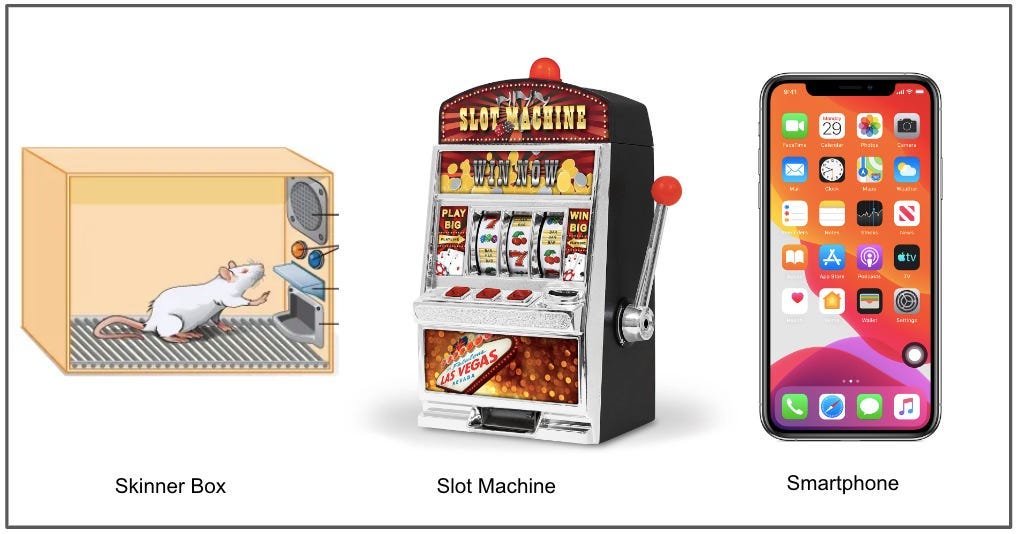
At the core of slot game design is the principle of reinforcement. Variable ratio reinforcement schedules, where rewards are delivered unpredictably, play a crucial role in maintaining player engagement. Unlike consistent reward systems, where outcomes are predictable, variable reinforcement creates a state of anticipation and excitement. Players continue to engage with the machine because they are motivated by the possibility of a win on the next spin, even if the probability remains low. This unpredictability activates the brain’s reward system, particularly the release of dopamine, a neurotransmitter associated with pleasure and motivation. As a result, players may experience heightened arousal and persistent engagement, often beyond their initial intention.

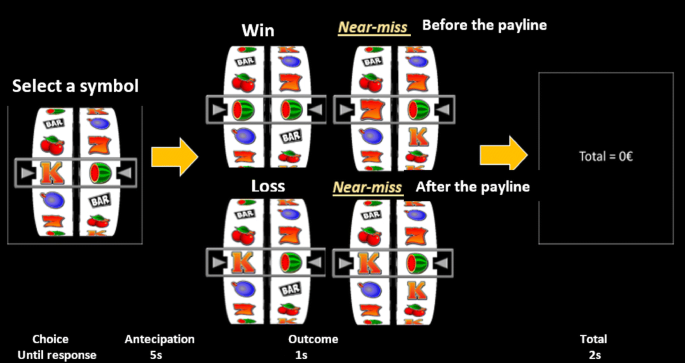
In addition to reinforcement schedules, slot games employ near-miss outcomes as a subtle behavioral control mechanism. A near-miss occurs when symbols on the reels almost align to form a winning combination, creating the perception that the player came close to winning. Research has shown that near-misses stimulate similar neural responses to actual wins, increasing the likelihood that a player will continue to play. The psychological impact of near-misses is profound: players are driven by the illusion of control and the belief that another attempt might yield success. Game designers leverage this effect to encourage longer play sessions, even when actual payouts remain low.

The visual and auditory elements of slot games are also carefully crafted to enhance behavioral control. Bright colors, animated symbols, and dynamic sound effects contribute to an immersive experience that captures the player’s attention and reinforces engagement. Winning combinations trigger celebratory sounds, flashing lights, and visual effects, providing immediate positive feedback. Even losses are often accompanied by subtle stimuli that maintain excitement, such as small celebratory noises or the continuation of the game without interruption. These sensory cues play a critical role in shaping player behavior, as they create an emotional connection to the game and reinforce the compulsion to continue playing.

Progressive reward structures, such as bonus rounds and jackpots, further influence player behavior by offering intermittent and often substantial rewards. Bonus rounds, free spins, and other interactive features provide a sense of variety and unpredictability, which sustains player interest over extended periods. Progressive jackpots, in particular, create a powerful motivational factor due to their potential for life-changing payouts. The combination of incremental rewards with the promise of significant gains taps into fundamental human desires for both instant gratification and long-term aspiration. Players are encouraged to engage with the game repeatedly, chasing the elusive jackpot and enhancing the game’s addictive potential.

Behavioral control in slot games is closely linked to the concept of cognitive biases. Players often exhibit overestimation of skill, illusion of control, and the gambler’s fallacy, believing that outcomes are influenced by past events or personal actions. These biases are actively leveraged by game mechanics to reinforce continued play. For example, machines may display statistics that suggest near victories or streaks, subtly encouraging players to persist despite random outcomes. By aligning game design with cognitive tendencies, developers can create compelling experiences that feel controllable and skill-dependent, even though the outcomes are purely stochastic.

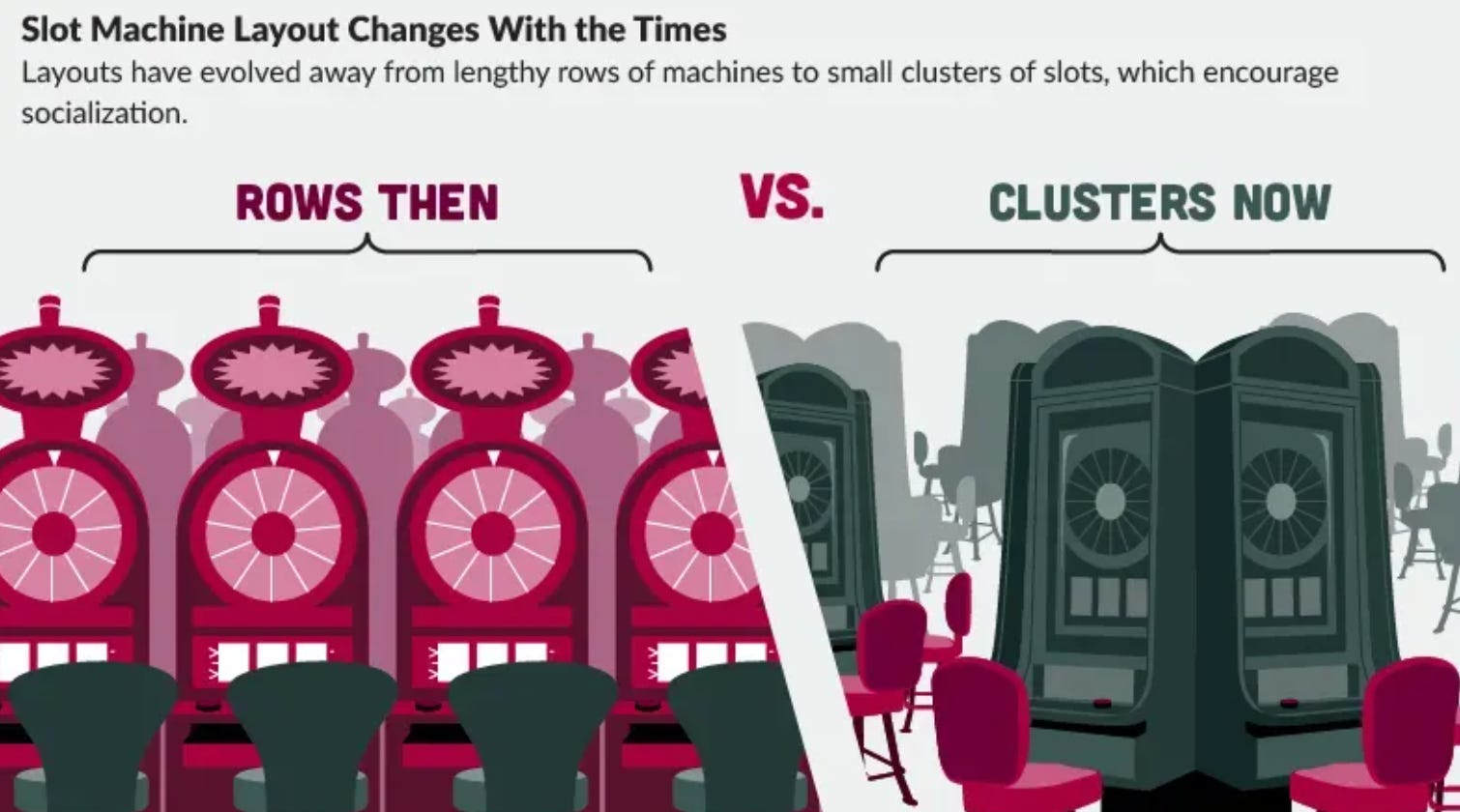
The social environment surrounding slot games also contributes to behavioral control. Casinos and online platforms strategically design spaces and interfaces to minimize distractions and maximize immersion. Physical casinos employ layout strategies, such as placing slot machines in visually appealing areas with easy access and minimal natural light, to sustain engagement. Online platforms replicate these conditions with immersive graphics, notifications, and reward tracking features that maintain attention and promote repeated interaction. Social factors, such as competition or peer observation, can further influence behavior, as players may be motivated by the presence of others or the desire to achieve visible milestones.

Regulatory frameworks and ethical considerations regarding behavioral control in slot games have emerged as critical discussions in recent years. The potential for gambling-related harm, including addiction and financial distress, has prompted authorities to examine the impact of game design on vulnerable populations. Responsible gaming measures, such as self-exclusion options, betting limits, and clear disclosure of odds, aim to mitigate the risks associated with behavioral control mechanisms. However, the tension between commercial interests and player welfare remains a persistent challenge, as the economic incentives for maximizing engagement often conflict with ethical considerations.

Understanding behavioral control in slot games is essential for both consumers and policymakers. From a consumer perspective, awareness of reinforcement schedules, near-miss effects, and cognitive biases can help individuals make more informed decisions and maintain control over their gambling habits. For policymakers and regulators, insights into these mechanisms provide the basis for developing effective interventions that balance the entertainment value of slot games with the protection of public health. Education campaigns, research on addictive behaviors, and the implementation of evidence-based regulations are crucial steps in addressing the complex interplay between game design and behavioral influence.

In conclusion, slot games exemplify a sophisticated intersection of psychology, technology, and behavioral economics. The combination of variable reinforcement, near-miss effects, sensory stimulation, cognitive biases, and social influences creates a compelling environment that drives player engagement and behavioral control. While these mechanisms contribute to the popularity and profitability of slot games, they also raise important ethical and regulatory considerations. A deeper understanding of how slot games influence behavior is necessary to ensure that the enjoyment of gaming does not come at the expense of personal well-being. By examining these dynamics, stakeholders can work toward a more responsible and informed approach to gambling, where entertainment and safety coexist in a balanced manner.

Why Slot Strategy Is About Balance

When it comes to playing slot machines, many people think that winning is purely a matter of luck. While it is true that slots are games of chance, there is a subtler aspect to success that involves strategy. A successful slot strategy is rarely about chasing jackpots aggressively or betting recklessly; it is about balance, patience, and understanding how to manage both your gameplay and your expectations. Balance in slot strategy is not just a technical idea—it is a mindset that separates recreational players from those who treat slots as a serious hobby.

First and foremost, balance in slot strategy begins with bankroll management. Without proper control of your finances, even the most promising sessions can quickly turn into costly mistakes. Setting a budget and sticking to it is essential. This means deciding in advance how much money you are willing to risk, and more importantly, accepting that any loss within that budget is part of the experience. Players who fail to maintain this balance often end up chasing losses, which is the fastest way to turn an enjoyable pastime into a stressful situation. A balanced approach involves recognizing that every spin carries an equal chance of winning or losing, and that long-term outcomes are statistically unpredictable.

Another key aspect of balance in slot strategy is the selection of games. Slots come in many varieties, each with its own paytables, volatility levels, and bonus features. High-volatility slots offer the potential for large payouts but require patience and a larger bankroll, while low-volatility slots deliver smaller but more frequent wins. Understanding where your own risk tolerance lies and choosing games accordingly is a way of maintaining equilibrium between excitement and sustainability. For example, a player who seeks frequent rewards may prefer medium to low volatility slots, while someone chasing a life-changing jackpot must accept longer periods without wins. Balance, in this sense, means aligning your gameplay with your goals without overextending yourself.

The size of your bets also plays a crucial role in maintaining balance. Betting too little might extend your session but could reduce the thrill of significant wins, while betting too much can quickly drain your bankroll. Smart players often adopt a flexible betting strategy, adjusting their bets in proportion to their remaining funds. This ensures that gameplay remains enjoyable, rather than stressful. Furthermore, some slot machines offer bonus multipliers or free spins that are triggered by larger bets, which can encourage balanced risk-taking: wagering enough to unlock potential rewards without jeopardizing your financial limits.

Time management is another dimension of balance that is frequently overlooked. Many players lose track of time when playing slots, leading to fatigue and impulsive decisions. Setting a limit on how long you spend per session or taking regular breaks helps maintain mental clarity and reduces the chances of emotional gambling. A balanced slot strategy treats the game as a form of entertainment rather than a guaranteed path to income. By pacing your play, you allow yourself to enjoy wins without becoming discouraged by losses.

Understanding bonus features and paytables is also part of a balanced approach. Slot games often include scatter symbols, wild symbols, free spins, and other features that can dramatically increase your winnings. Taking the time to learn these features, as well as the probability of hitting them, allows players to make informed decisions about which machines to play and how to structure their bets. Balanced strategy does not rely on blind luck but incorporates knowledge into your gameplay. For instance, knowing that a certain bonus is only triggered by maximum coin bets might inform your decision to adjust your wagers, achieving a balance between risk and reward.

Equally important is emotional balance. Many players experience swings of excitement and frustration, and letting emotions dictate your play is a recipe for poor decisions. A balanced mindset involves treating each spin with equanimity, understanding that losses are inevitable and wins are a welcome bonus rather than a measure of personal skill. Emotional control allows players to stick to their predetermined budget and session limits, preserving both money and enjoyment.

Another subtle but vital element of balance is knowing when to walk away. It is easy to become engrossed in the possibility of a big win, but recognizing the right time to stop is critical. This might mean ending a session after a predetermined loss limit, taking a break after a streak of losses, or quitting while ahead to protect your profits. Balanced play requires self-awareness and discipline, combining patience with timing to make sure that enjoyment remains the priority over chasing elusive jackpots.

Social balance can also factor into your strategy. While slots are often solitary games, discussing experiences, strategies, and outcomes with other players can provide valuable perspective. Listening to advice, sharing insights, or even watching others’ gameplay helps reinforce an understanding of the game’s randomness and reduces the temptation to make reckless decisions. Balance here involves learning from the collective wisdom without blindly following it, maintaining independence in your choices while benefiting from shared knowledge.

In summary, successful slot play is not about a single winning strategy, magical timing, or exploiting machines. It is about balance across multiple dimensions: financial, strategic, emotional, temporal, and social. Managing your bankroll responsibly, selecting games suited to your risk tolerance, adjusting bets appropriately, taking breaks, understanding bonus structures, controlling emotions, knowing when to quit, and learning from others all contribute to a balanced approach. By focusing on equilibrium rather than chasing big wins impulsively, players increase the likelihood of enjoying a sustainable and satisfying slot experience. Ultimately, the most rewarding aspect of slot play is not just winning but doing so in a way that is enjoyable, controlled, and consistent over time, reflecting the true meaning of balance in strategy.

How Slot Awareness Improves Results

Slot awareness is an essential concept in natural language processing, particularly in tasks involving dialogue systems, virtual assistants, and chatbots. At its core, slot awareness refers to the system’s ability to recognize, track, and utilize specific pieces of information—commonly called slots—within a user’s input. These slots are typically entities or parameters that are critical for understanding user intent and delivering accurate, contextually appropriate responses. By improving slot awareness, systems can dramatically enhance their performance across a variety of applications, from booking appointments to providing personalized recommendations.

In conversational AI, understanding a user’s intent is only half the challenge. The other half involves capturing the relevant details embedded in the conversation. For instance, when a user says, “Book me a flight from New York to London next Thursday,” a robust system must identify “New York” as the departure city, “London” as the destination, and “next Thursday” as the travel date. Each of these pieces of information represents a slot that needs to be extracted correctly. Failure to detect or interpret any of these slots can result in misunderstandings, incorrect actions, or poor user experiences. Therefore, slot awareness is a direct contributor to both accuracy and user satisfaction.

One of the key benefits of slot awareness is its role in maintaining context throughout a multi-turn dialogue. Many user interactions involve follow-up questions, clarifications, or additional instructions. For example, after providing initial flight details, a user might add, “Make sure it’s a morning flight.” A system with strong slot awareness can connect this new instruction to the existing slots it has already identified. It understands that “morning flight” modifies the previously mentioned flight details rather than creating a new, unrelated query. This contextual understanding ensures that the system responds appropriately and reduces the need for repeated clarifications, making the interaction more natural and efficient.

Slot awareness also significantly improves the system’s ability to handle ambiguous or incomplete input. Users often provide partial information, expecting the system to infer the rest. For instance, a user might say, “Book a hotel in Paris for next weekend.” While “Paris” and “next weekend” are clear, the system may still need to determine the number of nights, the type of room, or other preferences. By leveraging slot awareness, the system can recognize which slots are missing and either infer them from previous interactions, user profiles, or external data, or prompt the user for clarification in a seamless way. This reduces friction and enhances the overall conversational experience.

Furthermore, slot awareness supports personalization and recommendation systems. By accurately tracking slots over time, a system can learn user preferences and anticipate needs. For example, if a user frequently books flights with a preference for window seats or prefers hotels with gym facilities, slot-aware systems can automatically suggest options aligned with these preferences. This not only increases efficiency but also builds trust and satisfaction, as users feel understood and catered to. Personalized experiences are a key differentiator in modern digital services, and effective slot awareness is central to delivering them.

Slot awareness is also critical in reducing errors and improving overall system reliability. Misinterpreted slots can lead to incorrect actions, such as booking the wrong flight or reserving the wrong restaurant. By employing sophisticated slot detection techniques—such as named entity recognition, contextual embeddings, and attention mechanisms—systems can more accurately parse user input. Continuous monitoring and correction of slot extraction errors further enhance system reliability. Over time, a system that consistently demonstrates precise slot recognition instills confidence in users and encourages continued interaction.

The integration of slot awareness into dialogue systems is often supported by machine learning and deep learning models. These models are trained on large datasets that contain annotated examples of slots in context, allowing the system to generalize and recognize similar patterns in new conversations. Transformers and other attention-based architectures have proven particularly effective, as they can capture long-range dependencies and understand context across multiple turns. This allows for more nuanced slot extraction, even in complex or conversationally dense inputs.

Beyond individual interactions, slot awareness enables advanced analytics and insights. Organizations can track how users interact with their systems, which slots are most frequently used, and where misunderstandings occur. This data can inform improvements in system design, content creation, and user experience strategies. For example, if the system consistently struggles with identifying dates or locations, developers can refine training data or adjust recognition algorithms. Such continuous improvement loops ensure that slot awareness not only enhances immediate responses but also contributes to long-term system effectiveness.

In addition, slot awareness allows for better handling of multi-domain interactions. Many modern conversational AI systems are expected to perform tasks across diverse areas, such as travel booking, food ordering, and personal finance management. A slot-aware system can dynamically identify which domain a particular slot belongs to and apply the correct operational logic. For instance, the slot “next Friday” might refer to a flight date in one context and a restaurant reservation in another. Properly managing these distinctions is essential for seamless, multi-functional user experiences.

Finally, slot awareness fosters more human-like interactions. By accurately recognizing, remembering, and acting upon relevant details, systems can emulate the attentiveness and memory capabilities of a human interlocutor. This not only improves task completion but also makes conversations feel more natural and engaging. Users are more likely to trust and rely on systems that demonstrate a nuanced understanding of their input, leading to higher adoption rates and better overall outcomes.

In conclusion, slot awareness is a cornerstone of effective dialogue systems and conversational AI. It ensures that critical information is captured, tracked, and used appropriately, leading to more accurate, contextual, and personalized interactions. By improving slot recognition, systems can maintain context across multi-turn conversations, handle ambiguity, personalize recommendations, reduce errors, support multi-domain functionality, and foster human-like engagement. The result is not just better performance in isolated tasks but a consistently high-quality user experience that encourages trust, satisfaction, and continued use. As AI technologies continue to evolve, the emphasis on slot awareness will remain central to designing systems that truly understand and respond to human communication.

Slot Sessions and Player Comfort

Slot sessions and player comfort are crucial elements in creating an enjoyable and sustainable gaming experience. While many players focus primarily on winning, understanding the dynamics of session management and prioritizing personal comfort can significantly enhance both entertainment value and responsible gambling practices. Slot machines, whether physical or digital, are designed to be engaging, often incorporating bright lights, sounds, and fast-paced gameplay that encourages extended play. However, without careful attention to how sessions are structured and how players maintain their comfort, the experience can become overwhelming or even detrimental.

A slot session begins the moment a player sits down and starts engaging with the machine. Setting a clear intention before starting can make a huge difference in how the session unfolds. For example, deciding in advance how much time to spend or how much money to wager can help maintain control and avoid chasing losses. Establishing session limits creates a framework that allows players to enjoy the excitement of the game without compromising their financial or emotional well-being. Many experienced players recommend treating a slot session like a scheduled activity, much like a workout or a leisure break, where enjoyment is the primary goal, not necessarily profit.

Player comfort extends beyond the financial and temporal boundaries of a session. Physical comfort is a critical aspect that can influence performance and overall satisfaction. Ergonomic seating, appropriate lighting, and controlled noise levels contribute to a more pleasant environment. Casinos and gaming platforms often provide chairs with good back support, spaces with moderate lighting, and sound designs that are stimulating but not fatiguing. For online slots, adjusting screen brightness, volume, and taking breaks from the digital interface are essential steps to maintain physical comfort. Ensuring that the environment is conducive to relaxation can prevent strain and allow players to focus on the entertainment aspect of the game.

Mental comfort is equally important. Slot games are built to be engaging and immersive, which can sometimes lead to overstimulation. The colorful visuals, rapid spins, and celebratory sounds are designed to capture attention and maintain excitement. While these features make the game enjoyable, they can also contribute to mental fatigue if sessions are too long or intense. Mindful playing, including recognizing signs of stress, boredom, or frustration, allows players to manage their experience proactively. Taking short breaks, practicing deep breathing, or simply stepping away from the machine can help sustain focus and ensure that the session remains enjoyable rather than stressful.

Another aspect of comfort is emotional regulation. Slot games inherently involve an element of chance, which can trigger strong emotional responses. Wins can create exhilaration, while losses may cause disappointment or frustration. Players who prioritize emotional comfort often develop strategies to cope with these fluctuations. This can include maintaining realistic expectations, celebrating small wins, and understanding that losses are part of the random nature of the game. Emotional resilience helps players enjoy longer sessions without becoming overly attached to outcomes, contributing to a healthier and more satisfying gaming experience.

The structure of the slot session itself plays a pivotal role in comfort. Many players find that shorter, well-planned sessions are more rewarding than extended periods of continuous play. Breaking play into segments allows for rest, reflection, and recalibration of strategies. For example, a player might plan two separate 30-minute sessions with breaks in between rather than a single 60-minute marathon. This approach prevents fatigue and encourages a more measured engagement with the game, helping to preserve both mental and physical energy.

Hydration, nutrition, and overall wellness are often overlooked but significantly impact session comfort. Gaming environments, particularly in physical casinos, can be dry and warm, and sitting for extended periods can affect circulation. Staying hydrated, eating light snacks, and stretching periodically contribute to sustained comfort and prevent physical discomfort that can detract from the gaming experience. Online players should also be mindful of posture, eye strain, and ergonomic setups to replicate these benefits at home.

Technology and interface design also influence player comfort. User-friendly interfaces, clear pay tables, and intuitive controls reduce cognitive load and allow players to focus on enjoyment. Features such as autoplay and adjustable spin speeds give players control over pacing, which can prevent overstimulation and reduce stress. Additionally, modern slots often include responsible gaming tools, such as session reminders, loss limits, and time alerts, which assist players in maintaining comfort and promoting sustainable gaming habits.

Social aspects can further affect comfort during slot sessions. Playing in a crowded or noisy casino may be stimulating for some, but overwhelming for others. Social interactions, either with fellow players or through online communities, can enhance enjoyment when balanced with personal comfort needs. Choosing environments that match one’s social and sensory preferences allows players to tailor their session experience, maximizing satisfaction without compromising well-being.

Ultimately, prioritizing player comfort and structured slot sessions ensures a positive and sustainable gaming experience. By setting limits, taking breaks, maintaining physical and emotional wellness, and leveraging technology responsibly, players can enjoy the excitement of slots while minimizing negative consequences. This balanced approach transforms slot gaming from a potentially stressful activity into a controlled and pleasurable form of entertainment. Players who adopt these strategies often find that their sessions are not only more enjoyable but also longer-lasting, as comfort and control reinforce engagement rather than diminish it.

Whether in a physical casino or online, the combination of planned sessions and attention to comfort creates an environment where fun and responsibility coexist. Players learn to respect their limits, anticipate the emotional rollercoaster of wins and losses, and maintain a healthy relationship with the game. By consciously managing both the structure of the session and the conditions under which they play, players optimize their experience, ensuring that the thrill of spinning the reels remains an enjoyable pursuit rather than a source of stress or fatigue.

The integration of session management and comfort strategies reflects a mature approach to gaming. It acknowledges the psychological, physical, and emotional dimensions of play, empowering individuals to make informed choices that enhance enjoyment. In this way, slots become not just a game of chance, but a well-rounded leisure activity where preparation, awareness, and self-care lead to a fulfilling experience. Players who embrace this mindset often discover a deeper appreciation for the nuances of slot gaming, enjoying the journey as much as any outcome.

By valuing comfort and structuring sessions thoughtfully, slot enthusiasts can create a personal framework for enjoyable play. This ensures that each session delivers excitement without sacrificing health or well-being. Over time, these practices foster a sustainable and gratifying approach to gaming, demonstrating that responsible, comfortable play is not only possible but also profoundly rewarding.

Why Slot Awareness Is Key

Slot awareness is a concept that often goes unnoticed, yet it holds significant importance in various areas of life, particularly in decision-making, efficiency, and risk management. At its core, slot awareness refers to the understanding of timing, availability, and opportunity within a given framework. Recognizing the value of slots—whether they are time slots, resource slots, or opportunity slots—can drastically influence outcomes in both personal and professional contexts. Developing this awareness enables individuals and organizations to optimize their actions, reduce wasted effort, and make more informed decisions.

In everyday life, slot awareness manifests in simple but impactful ways. Consider time management. Individuals who are mindful of their available time slots for specific activities tend to plan more effectively, ensuring that high-priority tasks are allocated when they are most capable of being accomplished. For example, someone who identifies their peak focus hours can schedule cognitively demanding work during these periods and reserve less intensive activities for off-peak times. This awareness prevents the misallocation of energy and time, leading to greater productivity and reduced stress. On a broader scale, organizations that cultivate slot awareness in project management can streamline operations, preventing bottlenecks and ensuring that resources are deployed where they are most needed.

Slot awareness also plays a pivotal role in risk management. By understanding the constraints and opportunities inherent in particular slots, decision-makers can better anticipate potential problems and devise contingency plans. In industries like logistics or transportation, knowing when critical resources—such as shipping windows or maintenance periods—are available can be the difference between smooth operations and costly delays. Similarly, in financial markets, traders who are aware of market “slots,” or optimal windows for trading certain assets, can reduce exposure to risk while maximizing potential returns. Without such awareness, actions may be taken at suboptimal times, leading to inefficiencies, errors, or losses.

Moreover, slot awareness encourages strategic thinking and prioritization. When individuals or teams recognize that not all opportunities can be pursued simultaneously, they are forced to make deliberate choices about where to focus their attention. This fosters a mindset that evaluates potential returns versus costs, considers the timing of actions, and emphasizes alignment with long-term objectives. The principle can be applied in many contexts, from personal goal setting to organizational resource allocation. In personal development, for example, acknowledging the limited “slots” available for learning new skills or hobbies helps individuals prioritize activities that offer the most growth or satisfaction.

In the realm of technology and digital platforms, slot awareness has become increasingly relevant. Consider online content scheduling, cloud resource allocation, or server load management. Systems that incorporate slot awareness can dynamically adjust resource deployment based on current demand and availability, ensuring that users experience minimal delays or interruptions. In artificial intelligence and machine learning, understanding the timing and sequence of operations can enhance efficiency, reduce computational costs, and improve the accuracy of outcomes. Even in the context of digital marketing, businesses that understand the optimal “slots” for posting content—based on audience engagement patterns—can maximize reach and impact.

Slot awareness is not limited to operational or technical domains; it also has profound implications for interpersonal relationships and social interactions. Recognizing the appropriate time to communicate, collaborate, or provide feedback can significantly affect the quality of interactions. For instance, giving critical feedback when the recipient is distracted or overwhelmed may lead to resistance or misunderstanding, whereas choosing a more suitable slot can foster openness and receptivity. Similarly, social planners who are aware of optimal time slots for events, meetings, or group activities can ensure better participation and engagement. This principle underscores the importance of timing and situational awareness in fostering positive human connections.

The development of slot awareness requires conscious observation and reflection. Individuals must assess how they use their time and resources, noting patterns, constraints, and areas of opportunity. Tools such as calendars, project management software, or analytics platforms can assist in visualizing and tracking slots, but true awareness extends beyond mere scheduling—it involves understanding the implications of each slot and making intentional decisions accordingly. Self-awareness, attentiveness, and adaptability are critical components, as they allow for real-time adjustments when unexpected circumstances arise.

Another key aspect of slot awareness is flexibility. While identifying optimal slots is important, the ability to adjust when circumstances change is equally vital. In fast-paced or unpredictable environments, rigid adherence to predetermined slots may hinder performance. Effective slot awareness involves balancing planning with adaptability, recognizing that some opportunities must be seized immediately while others can be deferred or reshaped. This dynamic approach enhances resilience, enabling individuals and organizations to navigate uncertainty more effectively.

Finally, cultivating slot awareness can lead to long-term efficiency gains and improved outcomes. By consistently aligning actions with the most appropriate slots, one can reduce wasted effort, minimize stress, and achieve objectives more effectively. It also instills a proactive mindset, encouraging anticipation and preparation rather than reactive decision-making. Over time, this skill can become intuitive, guiding decisions in subtle but impactful ways across all aspects of life. In essence, slot awareness is a fundamental principle of timing, prioritization, and strategic action, offering a pathway to greater effectiveness and success in both personal and professional spheres.

By embracing slot awareness, individuals and organizations alike can harness the power of timing and opportunity, ensuring that their actions are purposeful, efficient, and impactful. This awareness transforms how resources are allocated, how risks are managed, and how goals are pursued, ultimately fostering a more intentional and successful approach to life and work.

How Slot Discipline Improves Focus

Slot discipline is a concept that may initially seem tied exclusively to gambling or gaming, but it has broader implications for personal development, productivity, and mental focus. At its core, slot discipline involves setting clear boundaries, managing impulses, and maintaining consistent behavior in an environment full of distractions and potential temptations. By understanding and practicing slot discipline, individuals can develop sharper concentration, better decision-making skills, and heightened self-awareness, all of which contribute to improved focus in daily life.

One of the primary ways slot discipline enhances focus is by cultivating self-control. In any setting where choices abound, the human mind naturally gravitates toward immediate gratification. Slot machines, for instance, are designed to exploit this tendency, offering frequent, unpredictable rewards that reinforce impulsive behavior. Applying discipline in such contexts teaches the brain to resist instant rewards in favor of longer-term objectives. This mental training carries over into other aspects of life, enabling individuals to prioritize tasks, resist distractions, and sustain attention on goals that require consistent effort. By learning to pause and reflect before acting, a person strengthens their ability to concentrate on demanding tasks without being swayed by fleeting impulses.

Routine and structure are also critical components of slot discipline. Establishing clear rules for engagement, whether in gaming, work, or personal habits, creates a predictable environment in which focus can flourish. For example, a disciplined approach to slot play might involve setting strict time limits, determining a fixed budget, and adhering to predefined strategies rather than reacting spontaneously. This regimented approach encourages planning and forward-thinking, which naturally translates into improved focus. When a person practices creating and following structured routines in one area of life, it becomes easier to apply similar strategies elsewhere, such as managing study schedules, work projects, or personal development activities. Structure reduces cognitive overload, freeing mental resources that can be devoted to concentration and problem-solving.

Another significant aspect of slot discipline is mindfulness. Mindfulness is the deliberate practice of being present in the moment, observing thoughts and emotions without judgment, and maintaining awareness of one’s actions. When applied to a potentially distracting or high-stimulation activity like slot playing, mindfulness ensures that choices are made consciously rather than impulsively. Players who approach slots with mindfulness learn to notice patterns, evaluate options, and respond intentionally, rather than succumbing to automatic behaviors. This awareness strengthens cognitive control mechanisms in the brain, which are directly linked to the ability to focus. Over time, mindfulness nurtured through disciplined engagement with any task improves attention span, reduces mental fatigue, and fosters emotional regulation—all essential components of sustained focus.

Accountability and reflection are further mechanisms through which slot discipline enhances focus. Keeping track of outcomes, reflecting on decisions, and evaluating strategies provide feedback that reinforces learning and self-regulation. In gaming scenarios, this might involve reviewing wins and losses, identifying patterns in play, and adjusting behavior to optimize results. Outside of gaming, the principle remains the same: regular reflection on actions and outcomes encourages conscious decision-making and discourages mindless or reactive behavior. By cultivating a habit of reflection, individuals sharpen their capacity to concentrate, plan effectively, and correct course when distractions or mistakes arise. The skill of analyzing one’s actions and adjusting accordingly translates directly into improved focus in work, study, or creative endeavors.

Discipline also encourages patience, which is intrinsically linked to focus. Slot play often tempts individuals with the promise of immediate rewards, but disciplined players understand the value of waiting, observing, and making calculated decisions. Developing patience in such scenarios strengthens mental endurance, allowing a person to sustain attention on challenging tasks without frustration or distraction. Patience reduces the mental noise created by urgency or anxiety, enabling a more deliberate, steady approach to any activity requiring focus. As a result, individuals become better equipped to handle complex problems, persist through difficult projects, and resist the temptation to multitask excessively—a common source of scattered attention.

The benefits of slot discipline extend beyond individual cognitive function to influence emotional regulation. When impulses are controlled, routines are followed, and mindfulness is practiced, individuals experience reduced stress and improved emotional stability. Stress and anxiety are known to undermine focus by hijacking cognitive resources and promoting reactive behaviors. By maintaining discipline, a person cultivates a calmer mental state, which allows for sustained attention, clearer thinking, and enhanced problem-solving abilities. Emotional regulation reinforces focus by ensuring that energy is directed toward constructive activity rather than wasted on impulsive reactions or emotional turbulence.

Finally, slot discipline fosters a growth-oriented mindset. Those who practice disciplined engagement learn to view challenges as opportunities for improvement rather than as sources of immediate reward or gratification. This mindset encourages persistence, strategic thinking, and adaptability—qualities that are vital for deep focus. By approaching tasks with a deliberate and reflective mindset, individuals develop resilience against distractions, build the capacity to tackle complex objectives, and refine their cognitive strategies over time. Growth-oriented thinking reinforces focus by aligning attention with meaningful goals rather than momentary pleasures, allowing sustained effort and higher productivity.

In conclusion, slot discipline is much more than a set of rules for gaming; it is a mental training tool that cultivates self-control, structure, mindfulness, reflection, patience, emotional regulation, and a growth-oriented mindset. Each of these elements contributes to improved focus by enhancing cognitive control, reducing mental distractions, and fostering deliberate, conscious engagement with tasks. When applied thoughtfully, the principles of slot discipline can transform not only how a person approaches high-stimulation environments but also how they concentrate on work, study, creative projects, and personal growth. The practice of disciplined engagement teaches the brain to resist immediate impulses, prioritize long-term objectives, and maintain sustained attention, ultimately leading to sharper focus, better decision-making, and greater overall effectiveness in daily life.

How Slot Games Shape Habits

Slot games, once confined to the bright lights and clanging sounds of casinos, have evolved into a ubiquitous form of entertainment, available on mobile devices, computers, and even social media platforms. Their transformation from mechanical reels to complex digital algorithms has had profound implications for how people engage with gambling and, more broadly, how habits are formed and reinforced in the context of gaming. At the heart of this phenomenon is the psychology of reinforcement, where the interplay of reward, anticipation, and sensory stimulation shapes behavior in ways that are often subtle yet powerful.

One of the primary mechanisms through which slot games influence habits is the principle of intermittent reinforcement. Unlike consistent rewards, intermittent reinforcement provides outcomes sporadically, which has been shown to be far more effective in sustaining engagement. In the context of slot games, this means that a player might win only occasionally, but the unpredictability of these wins creates a compelling drive to continue playing. The brain reacts to these irregular rewards with dopamine spikes, the neurotransmitter associated with pleasure and learning. This dopamine release strengthens neural pathways, making the behavior more likely to recur. Over time, players may find themselves returning to slot games not just for entertainment, but to chase the excitement of potential rewards.

Digital slot games have taken this reinforcement to a new level through sophisticated design elements. The use of bright colors, flashing lights, and engaging sound effects creates a multi-sensory experience that heightens arousal and attention. These stimuli are strategically employed to capture and maintain focus, making it difficult for players to disengage. Moreover, modern slot games often incorporate themes, narratives, and progress indicators, giving players a sense of purpose and achievement even in the absence of significant monetary wins. By blending reward mechanisms with immersive storytelling, these games can cultivate habits that feel intrinsically motivating, blurring the line between entertainment and compulsion.

Another factor shaping habits in slot gaming is the accessibility and convenience offered by digital platforms. Unlike traditional casinos, which require physical presence and often involve social rituals, online slot games can be played anytime and anywhere. This convenience removes natural barriers to engagement, allowing play to become a seamless part of daily routines. Notifications, reminders, and in-game incentives further encourage regular interaction, subtly conditioning players to check in frequently. Over time, these patterns can evolve into habitual behavior, where playing slots becomes a default activity during moments of boredom, stress, or even idle waiting.

Social dynamics also play a crucial role in the development of slot-playing habits. Many digital slot games incorporate elements of social interaction, such as leaderboards, virtual gifts, or collaborative challenges. These features leverage social comparison and peer influence, motivating players to engage more consistently to maintain status or achieve recognition among peers. Additionally, sharing achievements or victories on social platforms reinforces the habit through social validation. Players are not only motivated by the game’s mechanics but also by the social context, which amplifies the frequency and intensity of engagement.

The structural design of slot games often mirrors principles found in behavioral psychology, particularly the concepts of habit loops and cue-triggered behaviors. Habit loops consist of a cue, a routine, and a reward. In slot games, cues can range from visual symbols and sounds to external reminders like notifications or advertisements. The routine is the act of spinning the reels, making bets, or engaging with game features, while the reward is any combination of monetary gain, virtual prizes, or psychological gratification. Over repeated cycles, these loops reinforce neural patterns associated with anticipation and reward, gradually transforming sporadic play into habitual engagement.

Financial elements add another layer of complexity. Even when the amounts wagered are small, the combination of potential loss and potential gain creates a tension that can heighten emotional arousal. This risk-reward dynamic is a powerful motivator for continued play, as players experience a mixture of excitement, hope, and occasional disappointment. The unpredictability of outcomes, combined with the immediate feedback provided by digital interfaces, reinforces engagement and strengthens the habit-forming potential of slot games.

It is also important to consider the role of psychological biases in shaping slot-playing habits. The illusion of control, where players believe they can influence outcomes despite the random nature of the game, can increase persistence and time spent playing. Similarly, the “near-miss” effect—where outcomes appear close to a win—triggers emotional responses that mimic actual wins, encouraging further play. These cognitive biases, when combined with the structural and sensory elements of slot games, create a potent environment for habit formation that extends beyond conscious awareness.

While the habit-forming nature of slot games can be concerning from a behavioral perspective, it also offers insights into broader patterns of human engagement with digital media. The same principles that drive slot play—intermittent reinforcement, immersive sensory feedback, social validation, and accessible design—are employed across many digital platforms, from social media to mobile apps. Understanding how slot games shape habits provides a lens through which to examine digital behavior more generally, highlighting the ways in which design choices can influence attention, motivation, and repetition.

Ultimately, slot games illustrate the intersection of entertainment, psychology, and technology in shaping human behavior. The habits they foster are not merely the result of personal preference or willpower but are deeply embedded in the structural and psychological mechanics of the games themselves. By examining these mechanisms, one gains a clearer understanding of how digital environments can cultivate repetitive behaviors, both beneficial and potentially harmful. Whether for leisure or study, recognizing the ways in which slot games influence habits provides valuable insight into the broader dynamics of engagement in the digital age, revealing the delicate balance between reward, behavior, and neural reinforcement that drives human interaction with game-based systems.

Slot Control and Satisfaction

Slot machines have long been a staple of casinos, both physical and digital, captivating players with the promise of instant wins and immersive entertainment. The appeal of slot games extends beyond their flashing lights and enticing sounds; it is deeply rooted in human psychology, particularly the concepts of control and satisfaction. Players are drawn to slots because they offer a unique blend of randomness and perceived influence, creating an environment where engagement and reward are tightly intertwined. Understanding how control and satisfaction work in the context of slot machines sheds light on why these games remain so compelling.

At the heart of slot play is the idea of control, or at least the illusion of it. While the outcome of each spin is determined by a random number generator, many players experience a sense of agency through decisions such as the amount of money to bet, the number of paylines to activate, or the timing of their spins. These seemingly simple choices enhance the feeling that the player has influence over the outcome. This perception of control is psychologically significant; humans naturally seek to exert influence over their environment, and games that offer even the faintest sense of control can be incredibly engaging. In slot machines, this is amplified by design elements such as interactive bonus rounds or skill-based features in modern video slots, which create the impression that player decisions can directly affect results.

Satisfaction in slot play is closely linked to both the anticipation and the reward. Each spin carries with it a moment of suspense, a brief interval where the outcome is unknown, and the player imagines possible wins. This anticipation triggers emotional responses similar to those experienced in other forms of entertainment or gambling. The intermittent reinforcement schedule used in slots, where wins occur unpredictably, heightens this effect. Unlike games with predictable outcomes, the sporadic nature of wins creates a strong psychological pull. The pleasure derived from hitting a jackpot or even a smaller payout is intensified because it is uncertain when the next reward will occur. This unpredictability is a cornerstone of what makes slot machines satisfying: the brain releases dopamine in response to uncertain rewards, reinforcing continued play.

Modern slot machines leverage these principles of control and satisfaction with sophisticated design strategies. Visual and auditory feedback is meticulously crafted to enhance player engagement. For example, winning combinations are often accompanied by celebratory animations, flashing lights, and triumphant sounds, which reinforce the satisfaction of a win. Even near misses—spins that come close to a jackpot—are deliberately designed to prolong engagement. The brain interprets these near wins as almost successes, stimulating motivation to continue playing in hopes of achieving an actual reward. This mechanism capitalizes on the human tendency to focus on what could have been, sustaining the player’s sense of involvement and anticipation.

Digital slots, in particular, have expanded opportunities for perceived control. Many games incorporate elements such as interactive mini-games, pick-and-click features, or free-spin rounds, which allow players to make choices that influence gameplay. While the overall outcome is still governed by chance, these interactive elements create a more immersive experience, making the player feel actively involved rather than passively waiting for results. This design approach caters to the psychological desire for agency and can significantly enhance the satisfaction derived from the game.

The role of design in slot satisfaction is also evident in reward frequency and pacing. Game developers carefully calibrate the rate of small wins to maintain a steady stream of positive reinforcement. Even minor payouts can trigger feelings of accomplishment and prolong engagement, as they provide continuous feedback that reinforces the behavior of spinning. This combination of frequent small rewards and occasional large wins is strategically balanced to maximize player satisfaction and encourage extended play sessions. By managing the rhythm and intensity of rewards, slot designers can create an experience that feels both exciting and rewarding, keeping players returning for more.

Beyond immediate rewards, social and psychological factors contribute to satisfaction in slot play. Players often experience a sense of mastery when they understand the mechanics of a particular game, such as recognizing patterns or learning optimal betting strategies. This perceived competence can enhance enjoyment, even in a game of chance. Additionally, social elements in online slots, such as leaderboards, achievements, or shared bonuses, create communal experiences that reinforce positive emotions and motivation. The combination of personal achievement and social recognition can significantly amplify satisfaction, adding depth to the engagement beyond the simple act of spinning reels.

Despite the appeal of control and satisfaction, it is important to acknowledge the potential for excessive engagement. The very elements that make slots compelling—the sense of agency, intermittent rewards, and immersive feedback—can also contribute to problem gambling behaviors. Players may overestimate their influence over outcomes or chase elusive wins, leading to extended play and financial risk. Understanding the psychological mechanisms behind control and satisfaction is crucial not only for designing engaging games but also for promoting responsible play. Features such as limit-setting tools, transparent odds, and educational messaging can help mitigate risks while preserving the enjoyable aspects of slot experiences.

In conclusion, slot machines offer a fascinating study in human behavior, blending the illusion of control with carefully designed mechanisms of satisfaction. The interaction between anticipation, reward, and perceived agency creates a powerful psychological experience that keeps players engaged. Modern slot design enhances these effects through interactivity, sensory feedback, and strategic reward pacing, all of which reinforce the enjoyment and immersion of gameplay. At the same time, awareness of these psychological dynamics is essential for balancing engagement with responsibility. By understanding the delicate interplay between control and satisfaction, it becomes clear why slot machines remain an enduring attraction in both traditional and digital gaming environments. They are more than just games of chance; they are experiences meticulously crafted to appeal to core human desires for agency, excitement, and reward.

Why Slot Awareness Protects Players

Slot machines are among the most popular forms of entertainment in casinos worldwide, attracting millions of players every year with their colorful lights, engaging sounds, and promise of big wins. Despite their appeal, many players underestimate the role that awareness and knowledge play in maintaining control over their gambling experience. Slot awareness, the practice of understanding how slot machines work, recognizing the odds, and setting personal boundaries, is crucial in protecting players from financial losses and the potential harms associated with compulsive gambling. Developing a strong sense of slot awareness enables individuals to enjoy the game responsibly while minimizing risk.

At the core of slot awareness is the understanding of randomness and probability. Slot machines operate using Random Number Generators (RNGs), which ensure that each spin is independent and unpredictable. Players often fall into the trap of believing in patterns or streaks, such as thinking a machine is “due” for a payout. This misconception, known as the gambler’s fallacy, can lead to extended play and unnecessary losses. By recognizing that every spin is isolated and governed by chance, players can approach slot machines with realistic expectations. Awareness of these mechanics reduces the likelihood of chasing losses or making impulsive bets, which are common behaviors among problem gamblers.

Another critical aspect of slot awareness is understanding the concept of Return to Player (RTP). The RTP percentage indicates the average amount a machine is programmed to return to players over an extended period. For instance, a slot with a 95% RTP theoretically returns $95 for every $100 wagered, though the actual outcomes for individual sessions can vary widely. Awareness of RTP helps players make informed decisions about which machines to play and how much to wager. Machines with higher RTPs generally offer better long-term returns, although no slot guarantees profit. By factoring in RTP, players can manage their expectations and reduce the temptation to overspend in pursuit of unlikely wins.

Bankroll management is another key component of slot awareness. Setting a budget for gambling sessions and adhering to it helps prevent financial strain. Many players enter casinos without a clear spending limit, making it easier to lose track of time and money. By planning how much they are willing to spend and accepting that losses are part of the game, players maintain control over their gambling habits. Tools such as pre-set limits, time reminders, and self-exclusion options offered by many casinos further support responsible play. Awareness of one’s financial boundaries is crucial in ensuring that gambling remains a form of entertainment rather than a source of distress.

Slot awareness also extends to understanding bonus features and betting strategies. Modern slot machines often include complex bonus rounds, free spins, and progressive jackpots, which can be enticing to players. While these features add excitement, they do not change the fundamental odds of the game. Players who chase bonuses without comprehending their terms or expected value may inadvertently increase their losses. Being aware of how bonuses work, including wagering requirements and potential restrictions, allows players to make strategic decisions rather than reacting emotionally to flashy incentives. Similarly, betting strategies like adjusting coin sizes or lines may affect session length but cannot alter the underlying probabilities, emphasizing the importance of informed play.

Emotional awareness is equally important in slot gaming. Players can be influenced by excitement, frustration, or the desire to recover losses, leading to poor decision-making. Recognizing emotional triggers and maintaining a calm, deliberate approach helps prevent impulsive bets. Slot awareness encourages players to take breaks, step away when frustrated, and avoid using gambling as a coping mechanism for stress or negative emotions. Mindful play supports mental health and reduces the risk of developing problematic gambling behaviors. By combining knowledge of game mechanics with emotional regulation, players cultivate a sustainable and enjoyable gambling experience.

Education and self-reflection are integral to building slot awareness. Reading about how slot machines function, attending responsible gambling workshops, or discussing experiences with peers can increase understanding of risk factors. Reflecting on past gambling sessions, including wins, losses, and emotional reactions, helps identify patterns that may indicate unhealthy behaviors. Players who invest time in learning about the games they play are better equipped to make conscious choices, enhancing both safety and enjoyment. Awareness is not static; it requires ongoing effort and attention to evolving gaming environments and personal habits.

Finally, technology offers tools that reinforce slot awareness and player protection. Many online casinos provide features such as deposit limits, reality checks, and loss tracking. These systems help players monitor their activity and maintain self-discipline. Additionally, independent organizations offer educational resources and support networks for responsible gambling. Utilizing these tools demonstrates proactive slot awareness, ensuring that gaming remains an enjoyable pastime without spiraling into harm. By embracing both knowledge and technology, players create an environment in which informed decisions outweigh impulsive reactions.

In summary, slot awareness serves as a protective framework for players, combining knowledge of game mechanics, probability, and bonus structures with personal financial and emotional management. It emphasizes realistic expectations, careful bankroll planning, and recognition of emotional triggers. Through continuous education, reflection, and the use of technological tools, players can approach slot machines as a form of entertainment rather than a means of financial gain. Awareness reduces the likelihood of impulsive decisions, financial distress, and the development of gambling-related problems. Ultimately, cultivating slot awareness empowers players to enjoy the thrill of the game responsibly, preserving both enjoyment and personal well-being.

Slot Strategy for Long Sessions

In the realm of online casinos, slot machines are among the most popular forms of entertainment, offering players both excitement and the potential for significant wins. However, playing slots for long sessions requires more than just luck; it demands a strategic approach that balances entertainment with bankroll management. Understanding the nuances of slot gameplay, including volatility, pay lines, and bonus features, can help players extend their playtime and maximize their enjoyment over extended sessions.

The first element to consider in a long session strategy is bankroll management. Before sitting down to play, it is crucial to determine a budget that you are comfortable losing. Long sessions can quickly deplete funds if not carefully monitored, so dividing your bankroll into smaller portions for each session helps maintain control. For instance, if your total bankroll is $200, you might allocate $50 per session, ensuring that a single extended play does not exhaust your entire budget. This approach also allows you to spread risk and enjoy multiple sessions over time without financial strain.

Equally important is understanding the concept of volatility in slot machines. Volatility, sometimes referred to as variance, indicates the risk level of a slot game. High-volatility slots tend to offer larger payouts but less frequently, while low-volatility slots provide smaller, more frequent wins. For long sessions, selecting a medium to low-volatility slot can be advantageous. Frequent smaller wins keep the gameplay engaging and reduce the risk of significant losses, allowing you to maintain your session without constant worry about depleting your bankroll.

Another key consideration is the selection of pay lines and bet sizes. Modern slots offer multiple pay lines, and some allow players to adjust how many lines they activate. In long sessions, it is generally wise to activate all available pay lines at moderate bet sizes. This increases the chances of hitting winning combinations while preventing the bankroll from being drained too quickly. Betting too high can result in rapid losses, cutting the session short, while betting too low may reduce the thrill of the game and the potential for meaningful wins. Finding a balanced bet that aligns with your session length and bankroll is essential.

Bonus features are also a central aspect of a successful long-session strategy. Many slots offer free spins, multipliers, or mini-games that can significantly boost winnings. Familiarizing yourself with these features and understanding how to trigger them can enhance both the excitement and profitability of your session. Additionally, some casinos provide bonuses such as deposit matches or free spins specifically designed for longer play. Taking advantage of these offers responsibly can provide extra opportunities to extend playtime without additional financial risk.

Pacing is another critical factor when playing slots for extended periods. Long sessions can be mentally and emotionally taxing, and fatigue often leads to poor decision-making, such as increasing bets impulsively or chasing losses. To avoid this, it is recommended to take regular breaks. Stepping away from the screen, even for a few minutes, helps maintain focus and prevents the session from becoming stressful. Hydration and light snacks can also support endurance, keeping energy levels steady throughout the gaming experience.

It is equally important to approach long sessions with a mindset focused on enjoyment rather than solely on winning. Slot machines are designed to be entertaining first, and while winning is always a possibility, treating it as the primary goal can lead to frustration and reckless play. By setting realistic expectations and valuing the entertainment experience, players can enjoy longer sessions while keeping losses manageable and excitement high.

Keeping track of wins and losses during long sessions can further refine strategy. Recording results helps identify patterns, such as which games tend to offer better payouts or which betting strategies extend playtime effectively. This data-driven approach allows players to make informed adjustments in future sessions, optimizing both enjoyment and potential profitability.

Another practical tip for long sessions is to vary game selection. While sticking to one slot may be comfortable, switching between games with different themes, mechanics, and bonus features can maintain interest and prevent monotony. This variety also exposes players to diverse opportunities for wins, especially if certain slots have features that align with a player’s preferred style of play.

Understanding the technical aspects of slots, including return-to-player (RTP) percentages, is crucial for maximizing long-session success. RTP indicates the expected payout over an extended period and can serve as a guide for choosing games. Selecting slots with higher RTP percentages generally increases the likelihood of maintaining a steady bankroll over time, though it does not guarantee individual wins. Awareness of RTP, combined with attention to volatility and bonus structures, provides a comprehensive framework for strategic play.

Finally, self-discipline is perhaps the most critical component of a long-session strategy. Knowing when to stop, whether due to reaching a session time limit, achieving a target win, or exceeding your loss threshold, ensures that enjoyment remains the priority. Setting predefined exit points prevents emotional decision-making and helps maintain a positive relationship with gaming. Long-term success in slot play is not measured solely by monetary gain but by the ability to enjoy the game responsibly over multiple sessions.

In summary, a successful strategy for long slot sessions integrates several key elements: disciplined bankroll management, understanding of volatility, strategic pay line and bet selection, effective use of bonuses, regular breaks, varied game selection, awareness of RTP, and self-discipline. Combining these factors allows players to maximize both enjoyment and potential returns while minimizing risk and fatigue. By approaching slots with a methodical and patient mindset, extended play becomes a rewarding experience that balances excitement with responsible gambling. Consistency, thoughtful planning, and realistic expectations are the hallmarks of a strategy that can sustain long, engaging, and enjoyable slot sessions over time.

Why Slot Discipline Preserves Balance

Slot discipline is an essential concept in maintaining financial balance, emotional stability, and overall well-being in both recreational and professional contexts. Whether engaging in slot machines, online gaming, or other forms of entertainment that involve chance and timing, practicing discipline is crucial for preventing impulsive decisions and ensuring that enjoyment does not come at the expense of financial security. The principle behind slot discipline lies in controlling behavior, setting boundaries, and maintaining a clear sense of purpose while interacting with systems designed to be unpredictable.

At its core, slot discipline is about self-regulation. The human brain is wired to respond to rewards, and games of chance are structured to exploit this natural tendency. The flashing lights, celebratory sounds, and intermittent rewards create a feedback loop that can easily lead to overindulgence. By establishing personal rules and limits before engaging with slot-based activities, individuals can protect themselves from the psychological effects of repeated stimulation and ensure that their participation remains an enjoyable pastime rather than a source of stress. Without discipline, the allure of potential gains can cloud judgment, leading to decisions driven by emotion rather than reason, which often results in losses that upset financial equilibrium.

One of the most fundamental aspects of slot discipline is setting clear financial boundaries. Allocating a specific amount of money for entertainment purposes, separate from essential living expenses, creates a safety net that prevents impulsive spending. Treating this allocation as a non-negotiable budget helps individuals resist the temptation to chase losses, a common pitfall in games of chance. Chasing losses often leads to escalating bets, which can spiral out of control and disrupt the balance of one’s finances. By committing to a predetermined limit, players maintain control over their spending patterns, ensuring that they can enjoy the experience without negative repercussions.

Time management is another crucial dimension of slot discipline. Spending extended periods engaged in slot activities can lead to fatigue, impaired judgment, and a skewed perception of risk and reward. Establishing time limits reinforces self-control and provides regular intervals for reflection and recalibration. Short, deliberate sessions are more likely to be enjoyable and sustainable, whereas prolonged exposure increases the likelihood of impulsive behavior. Time discipline allows individuals to maintain perspective, treating gaming as a structured leisure activity rather than an all-consuming endeavor that encroaches on other responsibilities and priorities.

Emotional regulation is deeply intertwined with slot discipline. Wins and losses can provoke strong emotional responses, from euphoria to frustration, which may influence subsequent decisions. Practicing emotional awareness and mindfulness enables players to recognize these reactions without allowing them to dictate actions. By separating emotional impulses from rational decision-making, individuals preserve their balance and avoid behaviors that could result in regret. Emotional discipline complements financial and time discipline, forming a comprehensive framework for responsible engagement with slot-based activities.

Another element of slot discipline involves understanding the mechanics and probabilities inherent in the system. Awareness of how odds function and the recognition that outcomes are random diminishes unrealistic expectations of winning. This knowledge fosters a rational approach, preventing the cognitive distortions that often accompany repeated exposure to chance-based systems. When players accept that losing is a normal part of the experience and that no strategy can guarantee a win, they are less likely to make impulsive decisions that threaten their financial or emotional balance. Knowledge empowers control, turning the experience into a deliberate activity rather than a gamble driven by hope or superstition.

Consistency in applying rules is a hallmark of effective slot discipline. Sporadic adherence to limits undermines the protective mechanisms established to maintain balance. Consistent practice reinforces habits, strengthens self-control, and builds a resilient framework against the unpredictable nature of chance-based systems. Over time, disciplined behavior becomes second nature, allowing individuals to engage in gaming or other slot-related activities with confidence and clarity. Consistency also fosters a sense of accountability, encouraging reflection on outcomes and promoting long-term responsible behavior.

Social support can further enhance slot discipline. Sharing goals and limits with trusted friends or family members creates an external layer of accountability. Discussing strategies for maintaining discipline, reflecting on experiences, and seeking guidance when facing challenges can reinforce self-regulation and reduce the likelihood of impulsive decisions. Social reinforcement complements internal strategies, providing both encouragement and oversight that protect balance. Interaction with a supportive network also helps individuals maintain perspective, preventing isolation or obsession that could compromise judgment.

Technology can be leveraged to support slot discipline as well. Tools such as timers, budgeting apps, and activity trackers provide concrete mechanisms for monitoring both time and financial expenditure. Automated alerts and restrictions offer additional layers of control, reinforcing self-imposed boundaries and reducing the risk of unintentional overindulgence. Integrating these tools into daily routines ensures that discipline is maintained even in moments of excitement or distraction, preserving equilibrium between enjoyment and responsibility.

Ultimately, the practice of slot discipline reflects a broader philosophy of intentional engagement. It is not about restricting enjoyment but rather about structuring participation so that it remains sustainable and balanced. By combining financial limits, time management, emotional awareness, knowledge of probabilities, consistent application of rules, social support, and technological tools, individuals create a comprehensive framework for responsible behavior. This framework ensures that the thrill of chance does not compromise overall stability, allowing enjoyment without detrimental consequences. Slot discipline preserves balance by transforming a potentially chaotic and impulsive experience into one characterized by control, mindfulness, and informed decision-making.

How Slot Sessions Influence Experience

Slot sessions can have a profound impact on a player’s experience, often shaping not only the immediate feelings of excitement or disappointment but also influencing long-term engagement with slot games. The length and structure of a session, the frequency of wins, and the psychological cues embedded in gameplay all contribute to how a player perceives their experience. Understanding these dynamics can shed light on why some sessions feel exhilarating and others frustrating, and how the design of slot machines is intertwined with human behavior.

One of the most significant aspects of slot sessions is the duration of play. Shorter sessions tend to be characterized by quick bursts of excitement, often driven by the hope of hitting a jackpot or triggering bonus rounds. Players who engage in brief sessions may find the experience highly rewarding if they encounter frequent small wins, which reinforce positive feelings. On the other hand, longer sessions can lead to more complex emotional journeys. Extended play increases the probability of hitting both wins and losses, creating a rollercoaster effect that can heighten emotional engagement but also lead to fatigue or frustration. The balance between these extremes is delicate, as designers aim to maximize enjoyment while encouraging continued play.

Another factor is the pacing of wins and losses, which plays a critical role in shaping perception. Slot games often use variable reinforcement schedules, meaning that payouts are unpredictable rather than consistent. This unpredictability keeps players engaged because the brain responds strongly to random rewards, releasing dopamine in anticipation of potential wins. A session in which wins are too sparse may feel unrewarding, while sessions with frequent but small wins can create a “near-miss” effect, encouraging the player to continue in hopes of achieving a larger payout. This psychological mechanism is key in making sessions feel engaging, even when the overall financial outcome might be negative.

The presence of bonus features, free spins, and multipliers also significantly affects session quality. Players often report heightened excitement during periods when additional features are active, as these provide more interaction and variation compared to standard spins. Bonus rounds can create the perception of skill or influence, even though outcomes are ultimately determined by chance. The anticipation of triggering these features can make the session more memorable, and sessions that include multiple activations of bonuses are generally perceived as more satisfying. This interplay between reward structure and perceived control is central to the appeal of slot gaming sessions.

Session length and intensity are also influenced by external factors, such as the environment and player mindset. Playing in a lively casino, surrounded by other engaged players and sensory stimuli like flashing lights and music, can enhance the perceived excitement of each session. Conversely, playing in a quieter or more isolated environment might reduce stimulation, leading players to extend sessions artificially in search of engagement. Personal factors, including stress levels, mood, and previous gaming experiences, further modulate how a session is experienced. A player in a positive frame of mind may interpret wins as more satisfying and losses as less discouraging, while the opposite mindset can exacerbate frustration.

The interplay of risk and reward is a defining feature of slot sessions. Players often enter sessions with a set budget and expectations about potential outcomes. How closely actual results align with these expectations strongly influences overall satisfaction. Winning early in a session can create momentum, encouraging further play, whereas consecutive losses may either prompt cessation or drive the desire to “chase” losses. This behavior is particularly pronounced in longer sessions, where the psychological impact of cumulative losses or gains becomes more salient. Game designers often calibrate volatility to appeal to different player types, balancing the frequency and magnitude of wins to maintain engagement across session lengths.

Another dimension to consider is the role of skill perception. Although slots are primarily games of chance, certain design elements give the illusion of skill or strategy. Features such as adjustable paylines, bonus choices, and interactive mini-games within the slot can make players feel more involved in influencing outcomes. During sessions where these elements are prominent, players often report higher enjoyment and engagement, regardless of actual financial results. This perceived agency reinforces the experience, making sessions feel more interactive and rewarding even in a fundamentally chance-based activity.

Session patterns over time can also influence overall player satisfaction. Regular short sessions may lead to consistent enjoyment without significant financial strain, whereas infrequent but longer sessions can create more intense emotional highs and lows. Players often develop personal strategies for session management, adjusting their play based on prior experiences. Awareness of previous session outcomes can shape expectations, influence risk-taking, and affect emotional reactions to current sessions. In this way, past experiences become intertwined with current gameplay, forming a feedback loop that affects both behavior and perception.

The social dimension of slot sessions should not be overlooked. Playing with friends or in communal environments can amplify excitement and provide shared experiences that enhance satisfaction. Social interactions, discussions about wins, and shared anticipation contribute to a richer session experience, often making sessions feel longer and more engaging than solitary play. Online platforms often replicate these social dynamics through leaderboards, chat features, and collaborative events, demonstrating that session experience is not solely determined by the mechanics of the slot but also by contextual and interpersonal factors.

Finally, the conclusion of a session is a crucial moment in shaping the memory of the experience. Ending on a win, triggering a bonus, or achieving a personal milestone can leave players with a strong positive impression, increasing the likelihood of returning for future sessions. Conversely, sessions ending in extended losses may be remembered negatively, even if interspersed with occasional small wins. The closure of a session can therefore affect both immediate satisfaction and long-term engagement, highlighting the importance of pacing, reward timing, and psychological framing in session design.

Overall, slot sessions are more than a simple sequence of spins; they are structured experiences that influence perception, emotion, and behavior. The interplay of session length, reward timing, bonus features, perceived control, social context, and personal mindset creates a complex environment where players navigate anticipation, excitement, and disappointment. By understanding these dynamics, both players and designers can better appreciate the factors that make sessions memorable and engaging, demonstrating that the quality of a slot experience is as much about how the game is played as what is won or lost.

Slot Behavior and Decision Quality

Slot behavior and decision quality are closely intertwined concepts that significantly affect performance in various domains, from gaming to organizational decision-making. At the most fundamental level, slot behavior refers to how an individual or system interacts with a set of options or opportunities presented over time. In a literal sense, this can be seen in casino slot machines, where a player’s choices, frequency of engagement, and reaction to outcomes determine their overall experience. However, the concept extends far beyond gambling, encompassing any situation where choices are sequentially presented, and the quality of decisions made impacts outcomes.

Understanding slot behavior requires examining the psychological and behavioral tendencies that guide decision-making. People often operate under cognitive biases that influence how they approach repeated opportunities. For example, the gambler’s fallacy may lead an individual to believe that a certain outcome is “due” after a series of different results, thereby affecting how they interact with subsequent slots. Similarly, reinforcement learning plays a role, as past rewards or punishments shape future actions. When an individual receives a positive outcome, they are more likely to repeat the behavior, whereas negative outcomes can either discourage engagement or prompt strategy adjustments. In essence, slot behavior is not just about the act of choosing but about the pattern of choices over time and the feedback loops created by results.

Decision quality, on the other hand, refers to the effectiveness, efficiency, and rationality of the choices made. High-quality decisions are those that maximize value, minimize risk, and align with long-term goals. In contexts where slots present opportunities sequentially, the quality of decisions can be influenced by several factors, including information availability, risk tolerance, cognitive load, and emotional state. Decision quality is often diminished when individuals rely heavily on intuition without integrating relevant data or when they succumb to biases such as overconfidence or loss aversion. Conversely, structured decision-making frameworks, such as decision trees or probabilistic models, can enhance the quality of choices by providing clear criteria for evaluating options and anticipating potential outcomes.

The interplay between slot behavior and decision quality becomes particularly apparent in scenarios that involve repeated decisions under uncertainty. In such contexts, patterns of behavior emerge that either enhance or undermine overall performance. For example, in online gaming environments, players often develop strategies based on reward frequency and perceived probabilities. A player with disciplined slot behavior, who monitors patterns and adjusts their approach strategically, tends to achieve better outcomes than someone who acts impulsively or inconsistently. The ability to modulate behavior based on feedback is critical; rigid adherence to a single strategy without consideration of changing conditions often leads to suboptimal results.

Another dimension of slot behavior relates to risk management. When decisions involve potential gains and losses, understanding the risk-reward balance is essential. Individuals with adaptive slot behavior are able to recognize when to take calculated risks and when to exercise restraint. Decision quality in this context is measured not solely by immediate gains but by the sustainability and consistency of outcomes over time. For instance, in financial investments, an investor who repeatedly chases high-reward opportunities without regard for probability may experience occasional wins but ultimately suffers significant losses. Conversely, a strategy that incorporates both risk assessment and disciplined engagement with opportunities reflects high decision quality and demonstrates the effectiveness of well-managed slot behavior.

Cognitive and emotional factors heavily influence both slot behavior and decision quality. Stress, fatigue, and emotional arousal can disrupt attention, leading to impulsive or poorly informed decisions. Similarly, overreliance on past successes can create a false sense of confidence, causing individuals to engage in behavior that is inconsistent with objective probability or expected outcomes. By recognizing these influences, individuals can implement techniques to mitigate their impact, such as taking deliberate pauses before decisions, employing checklists, or using decision-support tools that reduce cognitive load. These practices improve decision quality by promoting deliberate and informed choices rather than reactive or emotionally driven ones.

Feedback loops play a crucial role in shaping slot behavior. Positive feedback reinforces patterns of engagement, while negative feedback can prompt reassessment or strategic adaptation. The ability to learn from outcomes and adjust behavior accordingly is a hallmark of high decision quality. In organizations, this principle is mirrored in iterative processes such as agile project management or continuous improvement frameworks, where sequential opportunities for action are evaluated and refined based on results. Teams that cultivate adaptive behavior, systematically analyze outcomes, and adjust their approach tend to outperform those that do not, illustrating the broader applicability of the concepts beyond individual decision-making.

Technology also influences slot behavior and decision quality by providing additional data, predictive analytics, and decision-support systems. In environments with complex options, such as supply chain management or medical diagnostics, relying solely on intuition can result in suboptimal outcomes. Integrating technological tools allows individuals to identify patterns, estimate probabilities, and model potential consequences, thus enhancing the quality of decisions. Similarly, digital environments can track slot behavior patterns over time, highlighting tendencies that may require adjustment to improve long-term outcomes. This integration of human and technological decision-making supports both adaptive behavior and higher-quality decisions.

In conclusion, slot behavior and decision quality are deeply connected concepts that shape outcomes across multiple domains. Slot behavior encompasses the patterns, tendencies, and strategies individuals employ when interacting with sequential opportunities, while decision quality reflects the effectiveness and rationality of the choices made. High-quality outcomes arise from adaptive behavior, informed decision-making, risk management, and the ability to learn from feedback. By understanding the interplay between these elements, individuals and organizations can optimize performance, navigate uncertainty, and achieve sustained success. The relationship is dynamic: good slot behavior enhances decision quality, and high decision quality reinforces beneficial behavioral patterns, creating a cycle of continuous improvement and strategic refinement.

How Slot Awareness Prevents Overcommitment

Slot awareness is a crucial concept in effective time management and productivity, especially in environments where multiple responsibilities compete for attention. At its core, slot awareness is the understanding and strategic allocation of time blocks—often called “slots”—to specific tasks or activities throughout the day. By being aware of these slots, individuals can prevent overcommitment, reduce stress, and improve overall efficiency. Overcommitment occurs when people accept more tasks, meetings, or responsibilities than they realistically have time and energy to handle. This often leads to a cascade of negative consequences, including missed deadlines, lowered quality of work, burnout, and strained relationships. Slot awareness addresses this issue by providing a clear framework for evaluating how much capacity is genuinely available, helping individuals make more informed decisions before agreeing to new commitments.

At a practical level, slot awareness requires a combination of self-assessment, planning, and discipline. Self-assessment begins with an honest evaluation of one’s daily routines, energy patterns, and task requirements. Not all hours of the day are equally productive; some individuals have high cognitive energy in the morning and fatigue in the late afternoon, while others operate differently. By recognizing these patterns, one can allocate slots to tasks that match both priority and energy levels. For instance, a person who struggles with focus in the afternoon should avoid scheduling complex analytical work during that time, reserving simpler or more routine activities instead. This alignment prevents the phenomenon of overcommitment that stems not from the number of tasks, but from misaligned task scheduling.

Planning is the second essential component of slot awareness. Using tools such as digital calendars, planners, or time-blocking methods, individuals can visually map out their available slots. Each slot can then be matched to specific activities with realistic durations. For example, a two-hour slot in the morning might be allocated to strategic planning, while a thirty-minute slot in the afternoon could be reserved for checking emails or administrative tasks. Planning in this structured manner ensures that every task has a designated time, reducing the likelihood of overlapping responsibilities or double-booking. It also allows room for buffer periods, which are critical for handling unexpected tasks without disrupting the overall schedule. By accounting for buffer time, individuals acknowledge that not everything will go according to plan, which further prevents overcommitment by introducing flexibility.

Discipline is the third key element, as slot awareness alone does not guarantee its effectiveness. Once slots are allocated and planned, individuals must respect these boundaries. This means resisting the urge to squeeze additional tasks into already full slots or to extend tasks indefinitely at the expense of subsequent commitments. Discipline also involves the ability to decline new requests politely when current slots are fully occupied. Developing the confidence to say “no” is often challenging but necessary to maintain a realistic workload and avoid the pitfalls of overcommitment. Over time, disciplined adherence to slot awareness fosters a stronger sense of control over one’s time, leading to higher productivity, better mental health, and greater satisfaction with work-life balance.

One of the significant advantages of slot awareness is its role in promoting prioritization. Not all commitments carry equal weight, and without awareness of available slots, individuals may treat low-priority tasks as urgent simply because they appear first or are requested by others. By visualizing slots and their associated tasks, one can make deliberate decisions about what deserves immediate attention and what can be deferred, delegated, or eliminated. This prioritization process minimizes the risk of overcommitment because it forces a realistic assessment of what can be accomplished in the available time. In essence, slot awareness converts abstract intentions into concrete schedules, grounding decision-making in temporal reality rather than wishful thinking.

Another critical aspect is the prevention of cognitive overload. Overcommitment is not merely a scheduling issue; it also impacts mental resources. When people accept too many tasks without considering available slots, their cognitive load increases, leading to impaired judgment, reduced creativity, and slower problem-solving. Slot awareness acts as a mental filter by limiting the number of tasks that compete for attention simultaneously. Each slot represents a finite cognitive investment, and by consciously allocating mental resources, individuals maintain better focus and higher-quality output. This practice also enhances long-term efficiency, as sustained overcommitment often results in fatigue and burnout, which ultimately decrease overall productivity.

In collaborative environments, slot awareness plays a vital role in managing expectations. Teams often operate under tight deadlines and interdependent tasks, making it easy for members to overcommit, whether to meet perceived demands or to demonstrate dedication. By promoting slot awareness, individuals can communicate their availability transparently, setting realistic boundaries for collaboration. This transparency fosters mutual respect and reduces friction caused by missed deadlines or overextended colleagues. It also encourages collective time management practices, where teams coordinate their slots to optimize workflow rather than create bottlenecks due to overlapping overcommitments.

Technology can enhance slot awareness by providing tools to track, analyze, and optimize time allocation. Calendar applications, project management software, and time-tracking tools allow users to record completed tasks, visualize slot utilization, and identify patterns of overcommitment. Automated reminders and alerts help reinforce adherence to allocated slots, nudging users to transition between tasks without exceeding planned durations. Importantly, these tools support reflection, enabling individuals to adjust slot assignments over time to match evolving workloads, energy levels, and priorities. By integrating technology into slot awareness practices, overcommitment becomes not only preventable but manageable with data-driven insights.

Ultimately, slot awareness empowers individuals to balance ambition with reality. It offers a systematic method to evaluate commitments before agreeing to them, ensuring that responsibilities are aligned with actual capacity. This awareness mitigates the negative consequences of overcommitment, such as stress, reduced work quality, and compromised personal time. By combining self-assessment, structured planning, disciplined execution, prioritization, cognitive resource management, collaborative transparency, and technological support, slot awareness creates a sustainable framework for productivity. Individuals who cultivate this practice are better equipped to navigate complex schedules, maintain focus on meaningful tasks, and preserve both professional and personal well-being. Overcommitment is not merely a matter of poor intention but often stems from a lack of clarity regarding available time. Slot awareness directly addresses this gap, transforming time from an abstract constraint into a manageable, strategic resource that enables consistent performance without sacrificing balance.

By embedding slot awareness into daily routines, individuals develop a heightened sense of temporal intelligence. They learn to recognize not only the quantity of available time but also its quality, differentiating between slots suitable for deep work, routine tasks, creative exploration, or rest. This nuanced understanding further reinforces the prevention of overcommitment, as each decision to accept or decline a new task is informed by an accurate mental map of available resources. In this way, slot awareness is not merely a scheduling technique—it becomes a mindset, cultivating intentionality, foresight, and self-respect in managing one’s most finite and valuable resource: time.

Why Slot Games Should Stay Fun

Slot games have long held a special place in the world of entertainment, attracting millions of players across the globe with their bright lights, engaging themes, and simple gameplay. At their core, slot games are designed to offer a form of escapism, a chance to experience excitement and thrill without complex rules or strategies. They provide a unique combination of anticipation and reward that can be both entertaining and satisfying. The appeal of slots lies not only in the potential to win but also in the experience itself—the spinning reels, the colorful graphics, and the sound effects that build suspense with each pull of the lever or click of a button.

One of the most important aspects of slot games is that they are meant to be enjoyable. While the prospect of winning can add an extra layer of excitement, the primary goal should always be fun. When players approach slots with the expectation that entertainment comes first, the experience becomes more rewarding, regardless of the outcome. This mindset helps maintain a healthy relationship with gaming, as it reduces the pressure to chase losses or gamble beyond one’s means. By keeping the focus on fun, players are more likely to engage responsibly, enjoying the thrill of the game without the negative consequences that can arise from overindulgence.

Slot games are also a reflection of creativity and innovation in the gaming industry. Developers invest significant time and resources into creating themes, storylines, and visual effects that capture the imagination. From ancient civilizations and mystical adventures to popular movies and fantasy worlds, the variety of themes available ensures that players can find something that resonates with them personally. These immersive experiences are part of what makes slots enjoyable—they allow players to step into different worlds for a brief moment, offering a break from everyday routines. When the emphasis is on fun, the creativity in design and storytelling becomes a key factor in keeping players engaged.

Another reason slot games should stay fun is their social aspect. Many online platforms now incorporate multiplayer features, tournaments, and community interactions, enabling players to share experiences and celebrate wins together. These social elements enhance the entertainment value and foster a sense of connection among players. When the environment emphasizes enjoyment rather than purely financial gain, players are more likely to engage positively with one another. Fun-focused slots can create memorable moments, where laughter, excitement, and shared experiences take precedence over stress and competition.

The psychological benefits of playing slot games for fun should not be underestimated. Engaging with games purely for entertainment can reduce stress, offer relaxation, and provide a healthy outlet for mental breaks. The act of watching the reels spin, listening to the sound effects, and anticipating a potential win can release dopamine, which contributes to feelings of pleasure and satisfaction. While this response is natural in gaming, it becomes most beneficial when players approach slots with a fun-first mindset, using the experience as a form of leisure rather than as a means to solve financial problems or escape from serious issues. Maintaining fun as the primary goal helps preserve the positive effects while minimizing potential harm.

Moreover, when slots are kept fun, the integrity of the gaming industry is reinforced. Responsible gaming practices, such as fair play, transparency, and regulation, are more meaningful when the purpose of the games is entertainment. Players who enjoy slots for the experience itself are more likely to appreciate and respect these safeguards, understanding that games are meant to provide amusement rather than guaranteed financial outcomes. This perspective supports a sustainable gaming culture where enjoyment and fairness coexist, benefiting both players and developers alike.

It is also worth noting that the allure of slot games does not rely solely on monetary incentives. The excitement of unpredictability, the joy of engaging with diverse themes, and the satisfaction of completing a bonus feature or triggering a special event contribute significantly to the overall experience. Games that prioritize fun often include interactive features, mini-games, and creative mechanics that keep players engaged without emphasizing gambling risks. By focusing on enjoyment, developers can craft experiences that appeal to a wider audience, including those who might not be interested in betting large sums of money but still appreciate the thrill of gameplay.

The gaming environment itself benefits when slot games are seen as fun-focused entertainment. Platforms that promote responsible and enjoyable play attract a more diverse and loyal player base. Players are more likely to return when their experiences are positive, when they feel excitement without undue pressure, and when games provide a sense of lighthearted engagement. Fun-oriented slots encourage experimentation with different games, themes, and mechanics, fostering a culture of exploration and enjoyment rather than one dominated by stress, risk, or compulsive behavior.

Finally, keeping slot games fun preserves the fundamental purpose of gaming as a form of recreation. Just as board games, video games, and sports are enjoyed primarily for pleasure, slots should remain a source of entertainment above all else. While the possibility of winning can enhance the experience, it should never overshadow the intrinsic value of fun. Players are more likely to create lasting memories, develop an appreciation for game design, and enjoy their time when the focus is on enjoyment rather than solely on outcomes. A game that is fun is a game that succeeds in its ultimate goal: bringing joy to those who play it.

In conclusion, slot games hold immense potential to entertain, engage, and delight players. Their design, themes, and interactive features create experiences that are exciting and immersive, offering a sense of thrill and anticipation. By prioritizing fun over financial expectations, players can maintain a healthy, enjoyable relationship with the games. Developers benefit as well, as creating fun-first experiences leads to innovation, creativity, and a loyal player base. Social interactions, psychological benefits, and responsible gaming practices all flourish when fun remains central. Ultimately, the essence of slot games lies in enjoyment, and preserving this focus ensures that players can experience the excitement, creativity, and pleasure that make slots a timeless form of entertainment.

Slot Strategy Explained Simply

A slot strategy might sound complicated at first, but in reality, it’s about understanding the game and managing your approach so you can enjoy playing while maximizing your chances. Slot machines are primarily games of chance, meaning the outcomes are determined by random number generators, or RNGs. This ensures every spin is independent and unpredictable. Because of this, no strategy can guarantee a win every time. However, strategies can help you play smarter, manage your bankroll, and make informed choices about which games to play and how to bet.

The first element of a simple slot strategy is understanding the types of slot machines. There are classic slots with three reels and fewer paylines, video slots with five reels and multiple bonus features, and progressive slots, which offer jackpots that increase as more people play. Each type has different volatility and payout patterns. Volatility, sometimes called variance, describes how often and how much a slot pays out. High-volatility slots pay less frequently but offer larger wins when they hit. Low-volatility slots pay smaller amounts more consistently. Knowing a game’s volatility helps you set expectations and manage your gameplay.

Bankroll management is another key part of a slot strategy. Before you start playing, decide how much money you are willing to spend and can afford to lose. Divide your bankroll into smaller sessions rather than betting it all at once. For instance, if you have $100, consider dividing it into four sessions of $25 each. This approach allows you to play longer and increases the enjoyment factor. It also prevents frustration and risky behavior that might occur when a large sum of money is at stake.

Bet sizing is closely related to bankroll management. Many players believe that betting the maximum always increases the chance of winning, but this is only true for certain features like progressive jackpots, which may require a maximum bet to qualify. For regular slots, your strategy should focus on consistent betting that allows you to enjoy more spins without quickly exhausting your bankroll. Adjusting your bet size based on your wins and losses can also be effective. If you are on a winning streak, some players increase their bets slightly to capitalize on momentum, while if losses accumulate, it’s wise to reduce bets or pause.

Another component of a slot strategy is understanding paylines and symbols. Modern slots often have dozens of paylines, some of which pay in unusual directions or patterns. Knowing how these paylines work and which symbols are most valuable can guide your betting choices. Many games also include bonus features such as free spins, multipliers, or mini-games. Learning how to trigger these bonuses and what they offer can enhance your potential returns. For example, choosing games with frequent bonus rounds may provide a better balance between entertainment and potential reward.

Timing and session length are often overlooked but important aspects of a slot strategy. Since slot outcomes are random, there is no “right time” to play for a guaranteed win. However, limiting session lengths prevents fatigue, helps you stick to your bankroll limits, and keeps the experience enjoyable. A recommended approach is to set both time and loss limits. For instance, you might decide to play for 30 minutes or until losing a predetermined portion of your bankroll. Taking breaks between sessions can also help you maintain a clear perspective and avoid impulsive decisions.

One misconception is the idea of chasing losses. Players often believe that if they lose, continuing to play will eventually lead to a win that recovers the lost money. In reality, each spin is independent, and chasing losses can quickly lead to larger deficits. A disciplined approach recognizes losses as part of the game and avoids emotional reactions. Accepting small losses and celebrating small wins contributes to a sustainable and enjoyable gaming experience.

Choosing the right casino or platform also fits into a slot strategy. Some casinos offer better payout rates or return-to-player (RTP) percentages. RTP is a theoretical measure of how much a slot pays back over time. For example, a game with a 96% RTP means that over a long period, it returns $96 for every $100 wagered on average. While short-term outcomes are unpredictable, selecting games with higher RTP values can slightly improve your odds over extended play. Reading game reviews and experimenting with free demo versions can help you understand mechanics and volatility without risking real money.

Many players incorporate a psychological approach into their slot strategy. This involves mindset, self-control, and entertainment goals. Treating slots as a form of entertainment rather than a guaranteed source of income reduces stress and encourages responsible play. Setting goals, such as stopping after a certain win amount or enjoying a fixed number of spins, creates a structured experience. Positive reinforcement, like rewarding yourself after a fun session regardless of win or loss, enhances the enjoyment and keeps gameplay balanced.

Finally, a simple slot strategy often includes learning from experience. Observing which games you enjoy, how different bet sizes affect your session length, and which bonus features are triggered most often allows you to make informed decisions over time. Every player develops a personal approach that combines game knowledge, bankroll management, and entertainment preference. This adaptive strategy doesn’t attempt to control random outcomes but ensures that each session is enjoyable, disciplined, and tailored to your style.

In summary, a straightforward slot strategy revolves around understanding the game’s mechanics, managing your bankroll, adjusting bet sizes intelligently, recognizing bonus features, and approaching gameplay with discipline and entertainment in mind. While no strategy can overcome the inherent randomness of slots, these practices improve your experience, extend playing time, and provide a more structured, enjoyable approach to a game that is ultimately about fun and excitement.

How Slot Games Encourage Control

Slot games are designed with an intricate blend of psychology and technology that subtly encourages players to feel a sense of control over outcomes, even though the results are purely random. The mechanics of slot machines, whether physical or digital, rely on patterns, intermittent rewards, and interactive features that create the illusion that a player’s decisions can influence the game. This illusion of control is a central factor in why slot games remain one of the most popular forms of gambling worldwide.

One key method slot games use to instill a sense of control is through interactive features that require player input. Modern digital slots often include buttons to choose the number of lines, adjust bet amounts, or trigger bonus rounds. While these choices do not actually influence the random number generator (RNG) that determines outcomes, they give players the feeling that their decisions matter. This perception encourages continued engagement because players believe they are strategically influencing the game, when in reality, the results remain entirely random.

Additionally, slot machines utilize intermittent reinforcement, a psychological principle derived from behavioral psychology, to enhance the illusion of control. Wins are programmed to occur unpredictably, which mirrors the way rewards work in real-life situations that humans try to influence, such as skill-based activities. Because players cannot predict when the next win will happen, every action they take feels meaningful. The sporadic nature of rewards makes players overestimate the connection between their choices and the game’s outcome, reinforcing the idea that they have control over future spins.

Visual and auditory feedback also plays a significant role. Slot games often include celebratory animations, flashing lights, and winning sounds that trigger dopamine responses in the brain. Even small wins or near misses are accompanied by feedback that suggests a player was “close” to achieving a larger success. Near misses, in particular, are a powerful tool because they imply that the player’s actions almost led to a reward, motivating them to try again. This design exploits the natural human tendency to believe that effort or skill can overcome chance, even when the outcome is purely luck-based.

The customization options present in many slot games further enhance the illusion of control. Players may choose themes, avatars, or game modes, creating a sense of personal investment in the game. This personalization makes players feel that they are shaping their gaming experience, reinforcing the perception that they can influence outcomes. Features such as skill-based mini-games embedded within slots also contribute to this effect by introducing moments where players feel their input directly affects rewards, even though these mini-games are ultimately controlled by RNG algorithms.

Progressive jackpots and bonus rounds are another way slot games encourage control. Players often believe that by playing strategically or waiting for the “right moment,” they can increase their chances of hitting a jackpot. The visibility of accumulated jackpots, combined with the ability to trigger bonus features, cultivates the belief that their decisions are significant. Even when statistical analysis shows that each spin remains independent, the design encourages players to think they can time their actions to maximize rewards.

Social elements in online slots also reinforce this illusion. Leaderboards, achievements, and multiplayer features allow players to compare their performance with others. When players see that they have reached milestones or earned rare rewards, they interpret this as evidence of skill or strategic play, despite the underlying randomness. Social validation strengthens the perception that they are in control of their outcomes and encourages repeated engagement, as players seek to maintain or improve their status.

Marketing and reward structures contribute further to this phenomenon. Many slot games provide small incentives for continued play, such as free spins, loyalty points, or in-game currency. These rewards create the sense that the game responds to player activity, even though they are predetermined by algorithms. By providing frequent, though modest, reinforcement, developers make players feel that they can influence progress over time. The combination of immediate gratification and long-term incentives blurs the line between luck and skill, maintaining the player’s belief in control.

Moreover, the pacing of slot games is carefully managed to maintain engagement. Rapid spins, instant feedback, and the ability to adjust play speed give players the sensation of actively steering the game. By controlling the rhythm and flow, players feel they are managing outcomes, even though each spin is statistically independent. This subtle manipulation of tempo capitalizes on the human desire to feel agency, making players more likely to continue playing for extended periods.

The psychological principle of sunk cost also plays a role in reinforcing control. Players who have invested time, money, or effort into a slot game often feel that they are due for a win or that their persistence will pay off. This belief is compounded by near misses and intermittent rewards, which create the impression that the player is actively influencing results. Even when rationally they know that each spin is independent, the combination of previous investment and perceived skill strengthens the illusion of control.

Finally, the accessibility of slot games, especially in digital form, amplifies their impact. Mobile devices and online platforms allow players to engage at their convenience, often with customizable settings and immediate feedback. This constant accessibility reinforces the perception that the player is in charge, as they can decide when, where, and how to play. The convergence of interactivity, reward structure, and psychological manipulation ensures that players frequently feel a sense of control over games that are, in reality, determined by chance.

In conclusion, slot games are meticulously designed to make players feel in control, despite outcomes being governed entirely by randomness. Interactive features, intermittent reinforcement, visual and auditory cues, customization options, social comparisons, reward structures, pacing, and accessibility all work together to create this illusion. By making players believe that their choices, skill, or timing influence results, slot games tap into deep psychological drives, encouraging continued engagement and repeated play. This blend of chance and perceived control is what makes slot games so compelling and why they continue to dominate the gambling landscape globally.

Slot Discipline and Enjoyment

Discipline and enjoyment often seem like opposing forces in life, yet they are surprisingly interconnected. Discipline is commonly associated with structure, rules, and self-control, while enjoyment evokes spontaneity, pleasure, and freedom. However, when these two qualities coexist, they create a balanced approach to personal growth, work, and overall well-being. Understanding how discipline can enhance enjoyment—and vice versa—reveals a nuanced perspective that can improve both productivity and happiness.

At its core, discipline is the practice of self-regulation, a consistent effort to follow a set of principles or goals regardless of immediate temptation or distraction. It requires focus, patience, and often a long-term vision. Without discipline, tasks can become overwhelming, dreams remain unrealized, and time slips away unproductively. Discipline forms the backbone of achievement; it allows individuals to harness their potential and navigate the challenges of life with intention rather than randomness. In education, careers, or personal development, discipline provides the framework for progress. Students who maintain disciplined study habits consistently outperform peers who rely solely on bursts of motivation, because discipline reduces reliance on fleeting emotions and builds sustainable momentum.

Yet, discipline alone can feel rigid or joyless. This is where enjoyment becomes crucial. Enjoyment is more than mere leisure; it is the appreciation of the process, the ability to find satisfaction in daily efforts, and the acknowledgment of life’s pleasures, big or small. Without enjoyment, disciplined actions risk becoming mechanical or burdensome. For instance, an athlete who trains with unwavering discipline but finds no joy in the sport may burn out quickly, despite achieving high performance. Similarly, someone adhering strictly to a work schedule without moments of fulfillment may accumulate stress and fatigue. Therefore, enjoyment provides the emotional fuel that keeps discipline from stagnating into drudgery. It transforms repetitive or challenging tasks into experiences worth pursuing, creating a positive feedback loop that reinforces consistent effort.

The relationship between discipline and enjoyment can also be understood through the lens of delayed gratification. Discipline often involves postponing short-term pleasures to achieve long-term benefits, yet incorporating enjoyment into the journey allows for intermittent rewards that sustain motivation. A writer may discipline themselves to write a thousand words daily, but taking time to savor a cup of coffee or relish a moment of inspiration enhances the writing experience. By integrating small pleasures, discipline becomes less about restriction and more about a structured pathway toward meaningful satisfaction. Enjoyment, in this sense, does not contradict discipline; it complements it by making sustained effort psychologically manageable and emotionally rewarding.

In practical terms, finding the balance between discipline and enjoyment requires conscious reflection and planning. One method is to set clear goals that align with personal values while also identifying ways to make the pursuit enjoyable. For example, a person aiming to improve physical fitness may schedule workouts at times that naturally fit their energy levels, choose activities they genuinely like, or pair exercise with social interactions. This combination of structured commitment and pleasurable experience ensures that discipline feels purposeful rather than punitive. Similarly, in professional settings, disciplined project management can be interwoven with moments of creativity and recognition. Teams that establish consistent routines while celebrating milestones or fostering collaborative fun often achieve higher productivity and satisfaction than those focused solely on output.

Moreover, discipline and enjoyment are not static traits; they can be cultivated together. Practices such as mindfulness, gratitude, and self-reflection enhance one’s ability to recognize and appreciate the rewards of disciplined effort. Mindfulness encourages individuals to stay present and fully engage with tasks, allowing enjoyment to arise naturally from concentration and mastery. Gratitude shifts focus from obligation to opportunity, highlighting the benefits of structured effort. Self-reflection enables assessment of whether disciplined routines truly align with personal passions and whether enjoyment is being neglected. By consciously nurturing both, a person can develop resilience, focus, and contentment simultaneously, rather than feeling forced to choose between work and play.

There is also a profound psychological component to integrating discipline and enjoyment. Neuropsychological studies suggest that engaging in challenging tasks with clear goals activates the brain’s reward system, releasing dopamine and reinforcing motivation. When these tasks are paired with intrinsic enjoyment—such as curiosity, creativity, or social connection—the sense of reward multiplies, making future disciplined actions easier to undertake. In essence, enjoyment acts as an amplifier for the benefits of discipline. Over time, this synergy can transform lifestyle patterns, turning what might initially feel like sacrifice into habits that are both productive and deeply satisfying.

Discipline and enjoyment also intersect in the concept of mastery. Mastery involves repeated practice, focus, and the willingness to embrace challenges, all of which require discipline. Yet true mastery is incomplete without enjoyment, because the joy of refining a skill, exploring nuances, or creating something meaningful sustains commitment. Musicians, artists, athletes, and writers often describe the paradoxical experience of grueling practice paired with profound joy—the discipline is demanding, but the intrinsic satisfaction of growth makes the effort worthwhile. In this way, enjoyment does not dilute discipline; it validates it, providing emotional context that makes persistent effort meaningful rather than arbitrary.

Furthermore, the interplay between discipline and enjoyment can foster healthier relationships and communities. Individuals who practice disciplined behavior in terms of reliability, responsibility, and accountability contribute positively to social cohesion. When this discipline is paired with the enjoyment of connection, empathy, and shared experiences, interactions become both stable and fulfilling. Communities that emphasize structured commitment alongside collective joy—such as team sports, volunteer projects, or creative collaborations—demonstrate higher morale, resilience, and overall well-being. This reinforces the idea that discipline is most effective when it serves a purpose aligned with human happiness, and enjoyment is most enriching when it is supported by intentional action.

In daily life, embracing the duality of discipline and enjoyment requires a mindset that values both structure and pleasure. It is not about rigid adherence to rules or unrestrained indulgence, but about finding the intersection where effort and fulfillment meet. Practical steps include scheduling time for consistent habits while integrating elements that bring satisfaction, reflecting regularly on personal motivations, and adjusting routines to maintain both efficiency and engagement. Over time, this approach fosters a life in which goals are pursued with vigor and experiences are savored with awareness.

Ultimately, discipline and enjoyment are not mutually exclusive; they are complementary forces that, when balanced, cultivate both achievement and contentment. Discipline provides the scaffolding for meaningful action, while enjoyment imbues that action with purpose and pleasure. By recognizing their interdependence, individuals can pursue ambitions without sacrificing happiness, transform challenges into rewarding experiences, and build a life that honors both responsibility and joy. The harmony of discipline and enjoyment is a pathway to sustainable growth, a deeper sense of fulfillment, and a life that feels both accomplished and alive.

Why Slot Awareness Reduces Risk

Slot awareness is a concept that often gets overlooked by casual gamblers but plays a crucial role in mitigating risk and enhancing the overall gaming experience. At its core, slot awareness involves understanding the mechanics, probabilities, and behaviors of slot machines before and during play. Unlike games of pure skill, slot machines are fundamentally based on chance, but being aware of how they operate allows players to make more informed decisions, manage their bankrolls better, and minimize potential losses.

One of the first elements of slot awareness is understanding the randomness inherent in slot machines. Modern slots use random number generators (RNGs) to determine outcomes, ensuring that each spin is independent of previous results. Players who recognize this can avoid common misconceptions, such as chasing “due” wins or believing that a machine is hot or cold based on short-term results. By internalizing the random nature of each spin, gamblers can maintain a realistic perspective, which is essential for reducing emotional decision-making that often leads to higher losses.

Another important aspect of slot awareness is knowledge of payout structures and return-to-player (RTP) percentages. RTP is a statistical measure that indicates the expected long-term payout of a slot machine, expressed as a percentage of total bets. Machines with higher RTP values generally return more over time, though outcomes for individual sessions remain unpredictable. Players who are aware of these numbers can choose machines that offer better odds, not as a guarantee of winning but as a strategy to extend playtime and control risk. Awareness of volatility is equally crucial; low-volatility machines provide smaller, more frequent payouts, whereas high-volatility machines offer larger, less frequent wins. Recognizing the difference allows players to align their choices with personal risk tolerance and bankroll size.

Bankroll management is another area where slot awareness directly reduces risk. By understanding the pace and stakes of the machines they are playing, informed players can set limits on how much they are willing to spend during a session. This might involve calculating how many spins a particular budget will allow on a chosen machine or determining the maximum bet that can sustain play for a desired period. Slot awareness encourages players to treat gambling as a controlled activity rather than a spontaneous, emotion-driven one. Setting these boundaries prevents impulsive decisions, reduces the likelihood of significant losses, and promotes a more enjoyable gaming experience.

Moreover, being aware of bonus features and game mechanics can further decrease risk. Many modern slots include special symbols, free spins, multipliers, and other bonus rounds. Understanding how these features are triggered and how they affect payouts can inform better betting strategies. For instance, some games may offer high rewards during bonus rounds but require specific bet sizes or conditions to activate them. Players who are unaware of these mechanics may miss opportunities or waste resources chasing low-probability outcomes, while those with slot awareness can optimize their gameplay to balance excitement with prudent risk management.

Timing and session control also play a role in reducing risk. Inexperienced players often rely on intuition or emotional cues to decide when to continue or stop playing, which can lead to extended losses. Slot awareness promotes the adoption of structured play sessions, where players allocate specific time blocks and adhere to them strictly. Recognizing the psychological effects of extended play, such as fatigue or chasing losses, allows gamblers to step back before making reckless decisions. This conscious approach to timing ensures that the experience remains entertaining rather than financially damaging.

Slot awareness also encompasses the ability to read patterns in terms of bankroll trends rather than machine outcomes. While no machine is predictable in terms of individual spins, players can track their own spending and winnings to understand personal tendencies and limits. For example, a player might notice that they tend to increase bets impulsively after small wins or that long losing streaks trigger frustration and riskier behavior. Awareness of these patterns allows individuals to implement safeguards, such as lowering bet sizes after consecutive losses or taking breaks to reassess strategy, which ultimately reduces exposure to substantial financial risk.

In addition, slot awareness can improve overall decision-making by fostering realistic expectations. Many players enter casinos with the misconception that they can rely on skill or intuition to overcome chance-based games. Understanding that slots are designed to generate profit for the house, and that long-term outcomes favor the casino, instills a mindset of caution and moderation. This perspective reduces the temptation to chase losses or overextend financial commitments, which are common triggers for gambling-related problems. By accepting the limitations imposed by probability, players can enjoy gaming for entertainment rather than as a source of income, which significantly decreases emotional and financial risk.

Finally, slot awareness encourages continuous learning and adaptation. The gaming industry is dynamic, with new machines, features, and payout structures constantly emerging. Staying informed about these developments allows players to make strategic choices, avoid outdated assumptions, and select machines that suit their risk profile. Awareness fosters a proactive approach, where players do not rely solely on luck but incorporate knowledge and planning into their sessions. This mindset transforms the gambling experience into one that balances fun with responsible behavior, effectively reducing the potential for harm.

In conclusion, slot awareness is not about predicting outcomes or guaranteeing wins; it is about understanding the framework of slot machines, managing personal behavior, and making informed choices. From comprehending randomness and RTP to controlling bankroll, recognizing bonus features, and monitoring personal habits, awareness equips players with the tools to minimize risk. By approaching slot gaming with knowledge and intentionality, individuals can enjoy the thrill of the experience while safeguarding themselves against avoidable losses, making slot awareness a crucial component of responsible and strategic play.

How Slot Decisions Affect Mood

Slot machines are often associated with excitement, the thrill of risk, and the promise of instant rewards. While they are primarily seen as entertainment devices in casinos or online gaming platforms, their influence extends far beyond simple amusement. Slot decisions—choices about whether, how, and how often to play—can subtly, yet powerfully, shape a person’s mood and emotional state. Understanding this connection requires looking at both the psychological mechanisms behind slot machines and the behavioral patterns of those who engage with them.

The design of slot machines is inherently tied to human psychology. They are constructed to produce intermittent rewards, a pattern known in behavioral psychology as a variable ratio reinforcement schedule. This means that players receive wins unpredictably, which keeps the brain engaged and motivated. The anticipation of a potential win triggers a release of dopamine, the neurotransmitter linked with pleasure, reward, and motivation. Even small wins can generate a noticeable lift in mood, giving players a sense of achievement and excitement. Conversely, losses, while frustrating, often contribute to a cycle of chasing rewards, which maintains engagement and emotional investment.

Decisions about when to play can directly affect mood as well. Choosing to play during periods of stress or low energy may initially seem like a way to escape negative feelings, as the excitement of the machine can provide a temporary diversion. For some, this can create a fleeting sense of relief, distraction, or even joy. However, over time, relying on slot machines to manage emotions can lead to dependence on external stimuli for mood regulation. This means that without access to the game, individuals may feel irritable, anxious, or sad, highlighting the mood’s sensitivity to these gaming decisions.

The stakes involved in slot decisions also play a significant role. Players who decide to bet higher amounts often experience more intense emotional reactions. The possibility of winning a large sum creates heightened anticipation and excitement, whereas the risk of losing significant money can generate anxiety, regret, or disappointment. These intense emotions can have lingering effects, influencing subsequent behavior and mood throughout the day. Even after leaving a casino or logging off an online platform, the emotional residue of a significant win or loss can persist, subtly affecting confidence, motivation, and social interactions.

Frequency of play is another key factor. Regular, frequent engagement with slot machines can create predictable cycles of emotional highs and lows. Short-term mood boosts from wins may be quickly followed by frustration or disappointment from losses, creating a rollercoaster effect. Over time, this fluctuation can impact overall emotional stability, contributing to heightened irritability or sensitivity to stress. In contrast, occasional or moderate engagement tends to result in more controlled emotional responses, where excitement and enjoyment are experienced without overwhelming negative consequences.

Decision-making strategies also influence mood. Some players adopt a structured approach, setting limits on time or money, which can foster feelings of control and satisfaction. Knowing that there is a boundary reduces anxiety and allows the player to enjoy the game without fear of overindulgence. On the other hand, impulsive decisions, such as chasing losses or betting beyond one’s means, can trigger stress and guilt. The mood effects here are not just immediate; repeated impulsive decisions can erode self-esteem and induce chronic stress, demonstrating how behavioral choices in gaming have long-term emotional implications.

Social context can further shape the emotional impact of slot decisions. Playing in a communal environment, such as a bustling casino floor, may heighten excitement due to shared energy and social reinforcement. Observing others winning or losing can amplify emotional responses, creating collective highs and lows. Conversely, solitary play may intensify personal reflection on wins and losses, potentially magnifying feelings of joy or disappointment. Even online slot platforms, which often include social features like leaderboards or chat rooms, can trigger similar social-emotional effects, affecting mood through perceived social comparison or recognition.

Cognitive biases also interact with slot decisions to affect mood. The gambler’s fallacy, for example, can lead players to believe that a loss makes a win more likely, driving persistent engagement. When a win finally occurs, it may produce a disproportionately strong positive emotional response because of the preceding expectation and anticipation. Conversely, ignoring realistic probabilities can lead to repeated losses and mounting frustration. The interplay between expectations, reality, and decision-making highlights the complex ways in which slot play shapes mood beyond simple cause-and-effect relationships.

Even the sensory environment of slot machines—the flashing lights, jingling sounds, and tactile feedback—can influence emotional state. Decisions to engage with machines that feature intense audiovisual stimuli may elevate arousal and mood more significantly than more subdued machines. This heightened sensory stimulation interacts with decision-making patterns, reinforcing the emotional highs of wins and the disappointment of losses. The mood impact, therefore, is not solely dependent on the outcomes themselves but on how decisions lead individuals into specific environments that amplify emotional responses.

It is also important to consider long-term psychological effects. Repeated positive reinforcement through slot decisions can condition individuals to seek out excitement or quick rewards, potentially influencing behavior in other areas of life. This can affect mood regulation strategies more broadly, making individuals more reliant on high-stimulation experiences to maintain positive emotional states. Alternatively, repeated negative experiences may lead to avoidance behaviors, anxiety around risk, or emotional flattening as a protective response. The cumulative emotional impact of slot-related decisions underscores their significance in shaping overall mood and well-being.

Finally, reflection and mindfulness about slot decisions can modulate their emotional consequences. Players who consciously recognize the patterns of reward and loss, and who maintain self-awareness about their emotional responses, may experience less volatility in mood. This awareness allows them to make informed choices, balancing enjoyment with control, and reducing the negative emotional fallout of losses. In contrast, ignoring or denying the psychological impact of these decisions can lead to compounding emotional effects, from minor irritability to more significant anxiety or mood disturbances.

In essence, slot decisions serve as a lens through which mood is both shaped and expressed. The interplay of reward systems, decision strategies, sensory stimuli, social context, and cognitive biases creates a dynamic relationship between play and emotional state. Choices about when, how, and how much to engage with slot machines have consequences that ripple through short-term emotional highs and lows, long-term mood regulation patterns, and overall psychological well-being. Understanding these dynamics can provide valuable insight into why slot machines are so compelling and how seemingly small choices can profoundly influence a person’s emotional landscape.

Why Slot Sessions Need Structure

Slot machines are a staple of both online and land-based casinos, offering players a combination of entertainment, excitement, and the potential for financial gain. However, many players enter slot sessions without a clear plan or understanding of how to manage their time, money, and expectations, often leading to frustration and unnecessary losses. Structuring slot sessions is not about guaranteeing wins, as no strategy can overcome the random nature of the game, but it is about enhancing the overall experience, maintaining control, and maximizing enjoyment while minimizing risk.

One of the most important reasons for structuring a slot session is to manage your bankroll effectively. Without a clear plan for how much money to spend and how long to play, it is easy to lose track of expenditures, leading to overspending and potential financial strain. By setting a budget before starting, players define the boundaries of their session. This ensures that the amount of money being risked is affordable and won’t negatively impact other areas of life. Additionally, establishing a session budget allows players to make more rational decisions while playing, as the pressure of potentially overspending is removed. A clear financial boundary promotes responsible gambling and helps players avoid chasing losses, which is a common cause of extended and unproductive play.

Time management is another critical component of structured slot sessions. Casinos, both online and offline, are designed to encourage prolonged play. The bright lights, immersive sound effects, and continuous availability of games make it easy to lose track of time. Without a predefined session length, players may spend hours spinning reels without taking breaks, which can lead to fatigue, impaired judgment, and decreased enjoyment. By setting a specific amount of time for each session, players can ensure that their gambling remains a fun and controlled activity rather than an exhausting or compulsive habit. Time limits also help to create natural stopping points, which are essential for maintaining discipline and avoiding the temptation to continue playing after losses.

Structured sessions can also improve a player’s overall strategy and approach to the game. Even though slot outcomes are governed by random number generators, there are elements of play that benefit from thoughtful planning. For example, players can decide in advance which machines to play, considering factors such as volatility, payout frequency, and bonus features. Low-volatility slots may provide smaller, more frequent wins, while high-volatility slots offer larger but less frequent payouts. Understanding these differences allows players to align their gameplay with their personal risk tolerance and entertainment goals. By preselecting machines and deciding how long to play each, sessions become more intentional and less haphazard.

Another aspect of structured sessions is the careful management of bet sizes. A common mistake among players is fluctuating bets impulsively in response to wins or losses, which can accelerate bankroll depletion. By planning bets in advance, including setting minimum and maximum wager limits, players maintain better control over their finances. This approach also helps players avoid chasing big wins with increasingly risky bets, a behavior that often leads to frustration and regret. Structured betting provides a framework for disciplined play and supports a consistent approach, which can improve the overall experience regardless of the outcome of individual spins.

In addition to financial and time considerations, structured sessions promote mental and emotional well-being. Gambling can be highly stimulating, and without proper boundaries, players may experience heightened stress, disappointment, or excitement that clouds judgment. By planning sessions carefully, including scheduling breaks and monitoring emotional responses, players can maintain a more balanced state of mind. Short breaks during play allow for reflection, rehydration, and a moment to reassess strategy, reducing the likelihood of impulsive decisions driven by frustration or overexcitement. Mental clarity and emotional regulation are essential for enjoying slot games responsibly.

Structured sessions also facilitate the use of promotional offers and bonuses. Many online casinos provide free spins, matched deposits, or loyalty rewards, but these often come with conditions and time limits. A well-organized session allows players to take advantage of these opportunities efficiently, ensuring that bonuses are used optimally without extending play beyond planned limits. By aligning session length, budget, and promotional incentives, players maximize the value of their gambling activities while adhering to responsible play guidelines.

Finally, a structured approach encourages reflection and learning. By keeping track of wins, losses, session length, and bet patterns, players can evaluate their habits and make informed adjustments for future sessions. This data-driven approach provides insight into which machines, strategies, or session lengths provide the most enjoyment and satisfaction. Over time, this can lead to more fulfilling play experiences, as players develop an understanding of their own preferences, tolerance for risk, and optimal play style.

Ultimately, slot sessions need structure not to guarantee success, but to enhance control, enjoyment, and responsible play. Structured sessions create a framework that promotes effective bankroll management, disciplined betting, time awareness, emotional balance, and strategic decision-making. They help players avoid common pitfalls, such as chasing losses, overspending, or playing excessively long sessions, while ensuring that gambling remains a form of entertainment rather than a source of stress. By setting clear limits, planning machine selection and bet sizes, and incorporating breaks and reflection, players transform slot gaming from a potentially chaotic activity into a controlled, enjoyable experience. Structure provides clarity in a game governed by chance, allowing players to focus on the thrill, fun, and engagement of the experience while maintaining control over their choices and their well-being.

Slot Games and Player Responsibility

Slot games have long been a staple of both physical casinos and online platforms, drawing players in with their bright colors, engaging sound effects, and the promise of potentially life-changing jackpots. The allure of slot machines lies in their simplicity: anyone can play without deep knowledge of rules, strategies, or gameplay intricacies. This accessibility makes them one of the most popular forms of gambling, but it also introduces a set of challenges related to player responsibility and risk management. Understanding these challenges is crucial for ensuring that players can enjoy the experience without compromising their financial or emotional well-being.

At the heart of responsible slot gaming is the concept of self-awareness. Players must recognize that slot games are primarily games of chance, with outcomes determined by random number generators (RNGs). Unlike poker or blackjack, where skill and strategy can influence results, slot outcomes are inherently unpredictable. This means that every spin is independent, and past wins or losses do not affect future results. Awareness of this randomness helps prevent players from chasing losses or overestimating their chances of winning based on patterns that do not actually exist. Educating players on these fundamental aspects is a critical first step in fostering responsible behavior.

Another cornerstone of responsible slot play is financial management. Setting limits on both the amount of money spent and the duration of play is essential. Many players are tempted to continue spinning after a loss in hopes of recouping their money, which can quickly lead to significant financial strain. Responsible platforms encourage users to set deposit limits, loss limits, and session time limits. These tools act as guardrails, ensuring that the fun and entertainment value of slot games does not transform into harmful behavior. For the player, adhering to these limits requires discipline and a willingness to step away, even during moments of excitement or near-wins.

Self-monitoring is equally important. Players should regularly assess their emotional state while engaging with slot games. Gambling can evoke intense feelings, including euphoria during wins and frustration during losses. Recognizing these emotional responses allows players to take proactive steps, such as taking breaks or reducing bet sizes when emotions run high. Ignoring these signals can lead to impulsive decisions, where the thrill of the game overrides rational judgment. Platforms that integrate responsible gaming features, such as self-exclusion options or activity tracking, empower players to maintain control over their behavior.

Education and awareness campaigns play a vital role in shaping responsible slot gaming habits. Providing clear information about the odds of winning, the nature of RNGs, and the potential risks associated with excessive play helps players make informed decisions. Transparency about payout percentages, the house edge, and volatility ensures that players are not misled by misconceptions about the likelihood of winning big. Additionally, highlighting stories of responsible play and illustrating scenarios where players manage losses effectively can serve as positive reinforcement, modeling behavior that prioritizes enjoyment over profit.

Social support systems also contribute to player responsibility. Encouraging discussions around gambling habits with friends or family can create accountability, reducing the likelihood of excessive or secretive play. In some cases, professional support, such as counseling or therapy, may be necessary for individuals struggling with compulsive gambling behaviors. Recognizing that seeking help is a strength rather than a weakness is vital for maintaining a healthy relationship with slot games. The integration of helplines, chat support, and access to addiction resources by gaming platforms demonstrates a commitment to player welfare.

Technology itself can be a double-edged sword. Online slots provide unparalleled convenience, allowing players to engage from home at any time. While this accessibility enhances enjoyment, it also increases exposure and temptation, making responsible use even more critical. Developers and operators can mitigate these risks by designing features that promote moderation, such as notifications reminding players of elapsed time, mandatory breaks, and reality checks about current spending. These interventions, when used effectively, help players maintain perspective and prevent the blurring of entertainment with compulsive gambling.

Psychological factors also influence responsible play. The design of slot machines often includes near-miss outcomes, variable reward schedules, and immersive audiovisual stimuli—all engineered to maximize engagement. Understanding these mechanics empowers players to approach slots with a critical mindset. Recognizing that the thrill generated by near-misses is a product of game design rather than skill can reduce the urge to continue spinning in pursuit of a win. Cognitive behavioral strategies, such as setting predetermined stop points or using budgeted “play money,” can help counteract the psychological hooks embedded in slot gameplay.

Responsible play is not solely the burden of the individual; it is a shared responsibility between players, platforms, regulators, and the broader gambling industry. Operators must implement ethical standards, provide transparent information, and offer tools that allow for control and self-regulation. Regulators ensure that games are fair, payouts are clearly stated, and marketing practices do not exploit vulnerable populations. Players, in turn, must exercise self-discipline, understand the risks, and make conscious decisions about their gambling behavior. This collaborative approach fosters a sustainable environment where enjoyment does not come at the cost of harm.

Ultimately, the enjoyment of slot games is enhanced when played responsibly. By combining financial limits, emotional awareness, education, social support, and technological safeguards, players can engage with slots in a way that prioritizes fun, excitement, and entertainment over financial gain. Recognizing that the goal is to experience a form of amusement rather than a guaranteed route to wealth helps maintain balance and perspective. Responsible play ensures that the excitement of spinning reels remains a positive experience, one that can be enjoyed safely and without regret, setting a standard for how gambling should be approached across all platforms.

Image
Image
Image
Image

Why Slot Discipline Is Essential

Slot gaming, often viewed as a casual form of entertainment, holds a deeper complexity that is frequently underestimated by players. At first glance, spinning reels may appear purely luck-based, a matter of chance dictated by random number generators (RNGs). Yet, beneath this surface lies a spectrum of strategies, discipline, and psychological management that can profoundly influence a player’s experience. Understanding why slot discipline is essential is crucial not only for safeguarding financial wellbeing but also for enhancing long-term engagement and enjoyment.

Discipline in slot gaming begins with understanding the mechanics of the games themselves. Each slot machine operates under strict mathematical parameters, commonly referred to as return to player (RTP) percentages. These percentages dictate the average expected payout over time, but they do not guarantee short-term wins. Players who enter the game without a clear comprehension of RTP and volatility often fall into the trap of chasing losses or misinterpreting winning streaks as patterns they can control. A disciplined approach ensures that players maintain realistic expectations and avoid decisions driven solely by emotional impulses, which are often the leading cause of overspending.

Setting limits is a cornerstone of slot discipline. Responsible players establish both time and monetary boundaries before engaging with the machines. Time limits prevent extended sessions that can result in fatigue and impaired decision-making, while budget caps safeguard against chasing losses. This disciplined framework transforms slot gaming from a potentially reckless activity into a controlled form of entertainment. When players adhere to these pre-defined limits, they are more likely to enjoy the game without experiencing the stress and anxiety associated with uncontrolled gambling behavior.

The psychological dimension of slot discipline cannot be overstated. The design of slot machines, from colorful graphics to immersive sound effects, is intentionally crafted to captivate players. Features such as near-misses, bonus rounds, and progressive jackpots stimulate excitement and encourage prolonged play. Without a disciplined mindset, players are susceptible to these behavioral triggers, often losing track of time and money. By cultivating awareness and self-control, players can resist the pull of these stimuli, making conscious choices rather than succumbing to instinctive reactions. This mental discipline not only protects financial resources but also promotes a more enjoyable and sustainable gaming experience.

Another critical aspect of slot discipline is the practice of strategic bankroll management. This involves dividing a set amount of money into smaller, manageable portions and only using one portion per session. By adhering to such a strategy, players reduce the risk of total loss in a single session and can extend their gameplay over time. Strategic bankroll management also encourages players to evaluate the risk-to-reward ratio of each spin, fostering a more analytical and mindful approach. This type of disciplined thinking is particularly important for players who are drawn to higher volatility games, where potential rewards are greater but swings in wins and losses can be substantial.

Discipline also entails knowing when to walk away. Recognizing the signs of diminishing returns, fatigue, or emotional frustration is vital. Players who lack the ability to pause or stop when necessary often experience escalating losses and emotional distress. Conversely, disciplined players view losses as a natural aspect of the game rather than a personal failure. They understand that each spin is independent and that persistence without strategy rarely leads to favorable outcomes. The ability to exit a session with composure, even after a loss, reflects a mastery of self-control and reinforces a healthier relationship with gaming.

Technology has further amplified the need for discipline in slot play. Online platforms offer convenient access to a vast array of games around the clock, increasing the potential for overindulgence. Features like autoplay and rapid-spin modes can accelerate the pace of play, making it easier for players to lose track of spending. Establishing personal rules around these technological conveniences is essential. Discipline in this context may involve limiting session lengths, turning off autoplay, or consciously choosing lower-stake games to mitigate financial exposure. By proactively managing the digital environment, players maintain control and prevent the automation of potentially harmful behaviors.

Slot discipline extends beyond individual sessions to long-term gaming habits. Reflecting on past experiences, analyzing patterns of wins and losses, and adjusting strategies accordingly are all components of disciplined play. This ongoing self-assessment allows players to refine their approach, identify triggers for impulsive behavior, and reinforce positive gaming habits. Over time, disciplined players cultivate resilience, patience, and an appreciation for the entertainment value of slots rather than fixating solely on outcomes. This mindset fosters a sustainable and responsible gaming culture that prioritizes enjoyment and safety over reckless ambition.

Educational resources and community support can further reinforce slot discipline. Many platforms provide tools such as loss limits, self-exclusion options, and time reminders, designed to empower players to make informed decisions. Engaging with these resources demonstrates a commitment to responsible play. Additionally, discussing experiences and strategies within supportive communities can normalize discipline as a valued aspect of slot gaming. When discipline is recognized as integral to success and enjoyment, players are more likely to internalize these principles and practice them consistently.

In essence, slot discipline is a multifaceted concept encompassing knowledge, self-control, strategic planning, and emotional awareness. It transforms a game often perceived as chance-driven into an activity where players exercise autonomy, make informed decisions, and enjoy entertainment responsibly. By understanding the mechanics of the game, establishing boundaries, managing bankrolls, resisting psychological triggers, and reflecting on long-term patterns, players ensure that slot gaming remains a safe, enjoyable, and rewarding pursuit. Discipline is not a limitation but a tool for empowerment, allowing individuals to engage fully with the thrill of the game while preserving financial and emotional wellbeing. Ultimately, embracing slot discipline exemplifies a mature approach to gaming, where enjoyment and responsibility coexist harmoniously.

How Slot Awareness Improves Play

Slot machines are a ubiquitous part of both physical casinos and online gaming platforms, offering players the allure of instant wins and the thrill of chance. Yet, despite their widespread popularity, many players approach slot games without a clear understanding of how they work, often leading to frustration, wasted money, and a diminished gaming experience. Developing awareness around slots—understanding their mechanics, volatility, payout structures, and the psychological aspects involved—can significantly improve play and help players make more informed decisions. Awareness begins with grasping the fundamental principles that drive slot outcomes. Unlike skill-based games such as poker or blackjack, slots rely primarily on random number generators (RNGs) to determine results. Each spin is independent, meaning past outcomes do not influence future results. By internalizing this, players can avoid the common trap of “chasing losses” or expecting a machine to be “due” for a win. This awareness encourages a rational approach, emphasizing entertainment over unrealistic expectations of consistent wins.

Understanding volatility and payout rates is another crucial element of slot awareness. Volatility refers to the risk associated with a particular slot game. High-volatility slots offer the potential for large wins but pay out less frequently, while low-volatility slots provide smaller, more frequent rewards. Awareness of volatility allows players to select games that match their bankroll and risk tolerance. Similarly, the return-to-player (RTP) percentage—a theoretical measure of the amount a slot returns over time—is a vital consideration. Players who prioritize RTP can make choices that maximize long-term enjoyment and reduce the likelihood of rapid losses. Knowledge of these metrics empowers players to strategize in ways that align with their personal goals, whether that is playing for prolonged entertainment, chasing larger jackpots, or managing risk.

Slot awareness also extends to understanding the specific features and mechanics of individual games. Modern slots often incorporate bonus rounds, free spins, multipliers, and cascading reels, each affecting the probability and value of potential wins. By learning how these elements interact, players can identify the games that provide the experience they seek. For instance, a slot with frequent bonus features might appeal to players who enjoy dynamic gameplay and intermittent rewards, whereas a machine with a simple, high-RTP structure may suit those focused on steady accumulation. Awareness of these mechanics prevents players from feeling confused or misled by game interfaces and helps cultivate a sense of control, even in a game governed by chance.

Behavioral awareness is another dimension that influences play quality. Slot games are designed to be engaging, often employing visual and auditory cues, near-miss scenarios, and rapid feedback to maintain player attention. Recognizing these design strategies allows players to maintain control over their behavior and avoid impulsive betting patterns. Players who cultivate self-awareness can set limits on time and money spent, use features like auto-spin responsibly, and disengage when play becomes less enjoyable. This mindful approach to slot gaming fosters a healthier relationship with the activity, reducing stress and enhancing the overall experience.

Bankroll management is intricately linked to slot awareness. Players who track their spending and set realistic budgets are less likely to experience financial strain or frustration. Awareness of the typical range of bets for a game, combined with understanding variance and expected outcomes, enables players to stretch their bankroll further and enjoy longer play sessions. Additionally, recognizing the difference between short-term luck and long-term probability helps players maintain perspective, preventing the emotional highs and lows that can arise from sudden wins or losses.

Another important aspect of slot awareness is understanding the distinction between different platforms. Online slots and physical slot machines may have differing payout structures, volatility, and bonus mechanics. Players who are aware of these differences can select platforms that align with their preferences, whether prioritizing convenience, game variety, or higher RTP offerings. Moreover, awareness of platform licensing and regulatory oversight ensures that players engage with fair and secure environments, safeguarding both their financial transactions and personal information.

Slot awareness also encourages continuous learning and reflection. Players who track outcomes, experiment with different games, and analyze their experiences develop deeper insights into their personal preferences and strategies. This reflective practice can lead to better decision-making, such as choosing optimal bet sizes, selecting favorable game features, and knowing when to pause or walk away. In this way, awareness transforms passive spinning into an engaged and intentional activity.

Finally, cultivating awareness enhances enjoyment by shifting focus from purely winning to appreciating the experience. Recognizing the odds, understanding game mechanics, and managing behavior allows players to celebrate small achievements, enjoy thematic designs, and engage with interactive features without undue stress. This balance between informed play and entertainment underscores the importance of awareness as a tool not only for better outcomes but for richer, more satisfying experiences overall.

In summary, slot awareness encompasses knowledge of game mechanics, volatility, RTP, platform differences, and psychological design, as well as behavioral self-awareness and effective bankroll management. Players who develop this awareness are better equipped to make informed decisions, manage risks, and sustain enjoyment. By approaching slots with mindfulness and understanding, individuals can maximize both their entertainment value and strategic engagement, ensuring that play remains rewarding, controlled, and enjoyable. The journey from casual spinning to informed, aware participation transforms the slot experience into a game of intentional choices rather than reactive luck, ultimately improving outcomes and fostering a healthier relationship with gambling.

Awareness, in the context of slot gaming, is therefore not just about knowing the rules or features—it is about developing a holistic understanding of how to play responsibly, strategically, and enjoyably. Players who embrace this approach are empowered to navigate the inherent randomness of slots with clarity and confidence, turning what could be a fleeting pastime into a sustainable and gratifying form of entertainment.

How Slot Sessions Shape Enjoyment

Slot machines are among the most popular forms of entertainment in casinos worldwide, attracting players with their bright lights, engaging sounds, and the promise of instant rewards. While the allure of winning is undeniable, the overall enjoyment of slot machines is shaped not just by outcomes but by the structure and pacing of each session. Understanding how slot sessions influence player satisfaction can help individuals maximize entertainment while maintaining a responsible approach to gambling.

A slot session begins the moment a player sits down and inserts credits or starts playing online. The duration of a session is a critical factor in shaping enjoyment. Short sessions can provide bursts of excitement without overexposure, allowing players to enjoy the thrill of spins without becoming fatigued or stressed. Conversely, longer sessions can create a sense of immersion, where players become deeply involved in the gameplay, potentially heightening excitement as patterns, bonuses, and wins develop over time. The key is balance: neither excessively brief nor unmanageably long sessions optimize the emotional satisfaction derived from slot play.

The pace of spins within a session also plays a significant role. Fast-paced machines that allow rapid consecutive spins can generate immediate gratification, producing adrenaline spikes that many players find appealing. However, this pace can also contribute to overstimulation, potentially diminishing enjoyment if the brain becomes saturated by constant reward cues. Slower-paced machines, on the other hand, encourage players to anticipate outcomes more deliberately, creating tension and release in a manner more akin to a narrative. Players often report a greater sense of satisfaction from sessions where wins feel earned rather than rushed.

Another important element is the structure of rewards and bonuses during the session. Modern slot machines employ variable reinforcement schedules, meaning that payouts are unpredictable and interspersed at irregular intervals. This randomness keeps players engaged, as the uncertainty generates psychological excitement and hope for the next big win. Progressive jackpots and bonus rounds further enhance engagement, providing moments of heightened anticipation that can define the session experience. Players often describe these features as the highlight of their time spent on slots, illustrating how the distribution of rewards shapes perceived enjoyment.

Session management is also influenced by external factors such as social environment and setting. Players in physical casinos may experience enhanced enjoyment due to the sensory stimulation of lights, sounds, and crowd energy. Online players, while lacking physical ambiance, can curate their own environments, selecting music, seating comfort, and time of day to match personal preferences. These factors can significantly affect mood, influencing how a session is experienced from start to finish. A well-considered environment can amplify enjoyment, while distractions or discomfort may diminish it.

A critical yet often overlooked component is the psychological mindset during a slot session. Players who approach the game with the primary goal of entertainment, rather than financial gain, tend to experience more consistent enjoyment. This perspective frames wins as a pleasant surprise and losses as part of the entertainment cost, reducing stress and enhancing the pleasure of play. Conversely, sessions dominated by anxiety about outcomes or chasing losses can quickly erode enjoyment, turning what should be a leisure activity into a source of frustration. Awareness of one’s mental state is therefore essential for optimizing the session experience.

Financial planning within sessions is another key aspect. Setting clear limits on spending before starting a session allows players to enjoy gameplay without the stress of unexpected losses. Establishing a budget and adhering to it not only protects against financial strain but also enables a more relaxed, focused experience. Many seasoned players report that knowing they have a limit in place frees them to enjoy the game’s mechanics, themes, and sounds, rather than focusing obsessively on outcomes. Responsible bankroll management transforms each session into a controlled adventure, where enjoyment is maintained regardless of wins or losses.

The timing and frequency of sessions further shape enjoyment. Regularly spaced sessions prevent fatigue and preserve novelty, ensuring that each visit feels fresh and exciting. Overindulgence, on the other hand, can lead to diminished returns in satisfaction, as repetitive exposure reduces the sense of novelty and emotional impact of wins. Alternating between sessions of varying lengths, game types, and stakes helps maintain a sense of anticipation and excitement, prolonging the pleasure derived from slot play.

Finally, reflection on previous sessions can enhance future enjoyment. Players who take the time to review which games were most engaging, which bonus features were most satisfying, and which session lengths felt optimal can tailor future experiences to personal preference. This self-awareness allows individuals to craft sessions that maximize entertainment value while minimizing potential negative impacts, such as frustration or overspending. In this way, each session becomes both an immediate source of enjoyment and a learning opportunity, refining the player’s approach over time.

In conclusion, the enjoyment of slot machines extends far beyond the outcomes of individual spins. Session length, pacing, reward structure, environmental context, psychological mindset, financial management, timing, and self-reflection all play crucial roles in shaping the player experience. By understanding and managing these factors, players can optimize the entertainment value of each session, ensuring that slot play remains a source of fun, engagement, and controlled excitement. Thoughtful session planning and awareness of personal limits allow players to fully immerse themselves in the unique thrill of slots while maintaining a responsible and enjoyable approach.

Image
Image
Image
Image
Image
Image
Image
Image
Image
Image
Image
Image

Slot Strategy for Casual Play

Casual slot play often conjures images of colorful reels, flashing lights, and the anticipation of hitting a jackpot. While many approach slots purely for entertainment, adopting a thoughtful strategy can elevate the experience, making it not only more enjoyable but also potentially more rewarding. Understanding the mechanics behind the game is the first step toward playing smartly. Most modern slot machines operate on Random Number Generators (RNGs), ensuring that each spin is independent and unpredictable. This means there’s no way to “force” a win, but players can manage their approach to optimize playtime and maintain control over their bankroll.

One fundamental strategy is bankroll management. Setting a specific budget for casual play ensures that the experience remains fun without turning into a source of stress. Players often allocate a fixed amount per session and stick to it, avoiding the temptation to chase losses. Breaking this budget into smaller increments per spin or per hour allows for sustained entertainment and a better sense of pacing. For example, a player with a $50 budget might divide it into five $10 segments, adjusting their bet size according to their comfort level. This not only prolongs gameplay but also reduces the risk of quick depletion of funds.

Another consideration is understanding paytables and volatility. Each slot game has a unique structure that outlines winning combinations, bonus features, and payout potential. Low-volatility slots offer frequent but smaller wins, ideal for casual players who prefer steady engagement without large swings. High-volatility slots, on the other hand, pay out less frequently but offer the allure of bigger prizes. Selecting a game that aligns with personal goals and risk tolerance is crucial. Casual players often enjoy medium-volatility slots, which strike a balance between excitement and manageable outcomes. Familiarity with the paytable allows players to anticipate which combinations are valuable and what bonus features to prioritize during play.

Bet sizing is another key element. Many casual players start with smaller bets to enjoy more spins and extend the thrill of gameplay. Adjusting bet size strategically can enhance the experience, especially during bonus rounds. Some players adopt a method where they increase bets slightly after consecutive losses or during streaks of wins, though it’s important to remember that outcomes remain random. The psychological impact of varying bet sizes can make sessions more dynamic and engaging without altering the fundamental probabilities of the game.

Timing and session management also play a role in casual slot strategy. It’s beneficial to set time limits, ensuring that the activity remains recreational. Extended sessions can lead to fatigue, impaired judgment, and unnecessary spending. Short, focused periods of play allow players to remain attentive and enjoy each spin deliberately. Incorporating breaks and stepping away after a predetermined duration promotes a healthier gaming habit and prevents impulsive decisions that often lead to regret.

Exploring bonus features is another way to maximize casual play. Many slots include free spins, multipliers, wilds, and scatter symbols that can significantly enhance payouts. Understanding how these features trigger and interact with base gameplay adds an extra layer of strategy. Players who engage with these mechanics thoughtfully can enjoy heightened excitement during bonus rounds while maintaining control over their bankroll. It’s also worth noting that selecting games with frequent bonus opportunities tends to be more gratifying for casual play, providing intermittent thrills that reinforce engagement without overreliance on major jackpots.

Another approach is game variety. Casual players often benefit from rotating between different slot titles to keep the experience fresh. Trying different themes, mechanics, and paylines prevents monotony and can reveal personal preferences for specific game styles. While sticking to one game may allow for familiarity with its nuances, alternating games introduces novelty and maintains the sense of discovery, which is a significant aspect of casual entertainment.

Patience and emotional control are equally vital. Slot outcomes are entirely based on chance, so developing a mindset that treats wins and losses as part of the experience is essential. Overreacting to losses or chasing jackpots can undermine the enjoyment of casual play. Similarly, overconfidence after a winning streak may lead to unnecessarily high bets. Maintaining a calm and measured approach ensures that the session remains enjoyable, with each spin appreciated for its inherent entertainment value rather than purely for its monetary outcome.

Many casual players also benefit from setting realistic expectations. Understanding that slots are primarily designed for entertainment allows for a more relaxed attitude toward outcomes. Rather than focusing on winning large sums, emphasizing the fun of the visual and auditory experience, the anticipation of spins, and the engagement with bonus rounds cultivates a more satisfying experience. Celebrating small wins and appreciating near-misses can enhance enjoyment without placing undue pressure on results.

Finally, leveraging technology can assist in casual slot strategy. Online platforms often provide free demo modes, allowing players to familiarize themselves with game mechanics and bonus features without risking real money. Practicing in these environments can help identify preferred games, optimal bet sizes, and enjoyable session lengths. Additionally, using platform tools to track spending, wins, and losses supports responsible play. Casual players who integrate these resources into their approach gain both insight and confidence, enriching the overall gaming experience.

In conclusion, casual slot play can be a highly entertaining pastime when approached strategically. Prioritizing bankroll management, understanding game mechanics, adjusting bet sizes thoughtfully, embracing bonus features, rotating game selections, maintaining patience, and setting realistic expectations all contribute to a more enjoyable and controlled experience. While the element of chance cannot be altered, applying these strategies ensures that each session maximizes fun, minimizes stress, and maintains the casual, recreational spirit that defines this form of entertainment. By treating slots as both a playful challenge and a leisure activity, casual players can experience the thrill of the reels while preserving balance and enjoyment.

Why Slot Habits Matter Long Term

Slot machines are among the most popular forms of gambling in both physical casinos and online platforms. Their appeal lies in the combination of simplicity, excitement, and the potential for significant payouts, which can create a strong psychological pull for players. While many view slot gaming as a form of casual entertainment, the habits formed during play can have profound long-term effects, both positive and negative. Understanding why slot habits matter is essential for anyone looking to engage responsibly and strategically in this activity.

One of the most critical aspects of slot habits is frequency. How often a player engages with slot machines directly influences their potential outcomes over time. Players who spin regularly without setting boundaries may quickly find themselves spending more than they intended. Habitual play can lead to desensitization, where the thrill of winning diminishes, causing the player to chase larger or more frequent wins to recreate the initial excitement. This pattern, often called the “chase effect,” can escalate financial losses if not carefully managed. Conversely, players who develop disciplined schedules and limit their sessions are better able to enjoy the entertainment aspect of slots without exposing themselves to excessive risk.

Another key factor is the management of bankroll. Developing consistent habits around how much to wager per session, and knowing when to step away, is crucial for long-term sustainability. Players who fail to implement these habits may experience rapid depletion of funds, leading to frustration and, in some cases, financial distress. Those who adopt methodical approaches, such as allocating a fixed amount of money for entertainment each week and sticking to it, are more likely to maintain control over their spending. Habitual attention to bankroll management reinforces a sense of responsibility and allows players to enjoy slots as a recreational activity rather than a compulsive pursuit.

The selection of slot types and games also reflects the importance of habits. Modern slot machines offer an array of options, from traditional three-reel slots to complex video slots with multiple paylines, bonus rounds, and interactive features. Players who cultivate habits of researching game mechanics, payout percentages, and volatility are more likely to choose games that align with their goals and risk tolerance. Understanding these elements and incorporating them into one’s routine can prevent impulsive decisions driven by surface-level excitement. Players who habitually evaluate games and adjust strategies accordingly tend to experience a more balanced and enjoyable gaming experience over time.

Time management is another dimension where slot habits have long-term significance. Engaging in extended sessions without breaks can lead to mental fatigue, impaired judgment, and diminished enjoyment. Players who establish habits of taking regular breaks, setting time limits, and monitoring the duration of play can maintain focus and prevent the negative consequences of overindulgence. Over time, these practices enhance the quality of the gaming experience and protect players from the potential for compulsive behavior. Good time management habits also allow for a more mindful approach, helping players remain aware of their emotions and decisions while playing.

Emotional regulation plays a pivotal role in long-term slot habits. Wins and losses are an inherent part of slot gameplay, and players who develop habits of maintaining composure regardless of outcomes are better equipped to handle the ups and downs. Emotional reactions like frustration, disappointment, or overexcitement can cloud judgment and lead to impulsive decisions, such as chasing losses or increasing bets irrationally. Habitual attention to emotional responses encourages a steady, controlled approach, reducing the likelihood of negative patterns that could have long-term consequences. Players who cultivate this awareness often find greater satisfaction in their sessions, regardless of whether they win or lose.

Record-keeping and reflection are additional habits that can significantly influence long-term outcomes. Players who track their wins, losses, and overall spending develop a clear picture of their behavior and results over time. This habit allows for more informed decision-making, identification of patterns, and adjustment of strategies as needed. Reflection encourages a mindful approach to gaming, preventing unconscious or automatic behaviors that could lead to financial or emotional harm. Over time, such practices contribute to a healthier relationship with slot gaming and foster a sense of control and self-awareness.

Social habits related to slot play can also have a lasting impact. Many players engage in slots as a social activity, sharing experiences with friends or participating in online communities. Positive social interactions can enhance enjoyment and provide support, while negative influences, such as peer pressure or competitive comparisons, may encourage risky behavior. Developing habits that prioritize personal goals and responsible engagement over external expectations helps ensure that social dynamics do not compromise long-term well-being. Players who maintain awareness of these influences are better positioned to cultivate a balanced and rewarding gaming experience.

Finally, understanding the psychological aspects of slot play is integral to forming beneficial long-term habits. Slot machines are designed to be engaging through mechanisms like near-misses, variable reward schedules, and visual or auditory stimulation. Awareness of these psychological triggers allows players to recognize when they are being influenced by design features rather than rational choice. Habitually applying this knowledge helps players maintain control over their decisions, resist unnecessary risk-taking, and engage with slots in a way that prioritizes enjoyment over compulsion.

In conclusion, slot habits matter because they shape the long-term trajectory of a player’s experience, both financially and emotionally. Frequency of play, bankroll management, game selection, time management, emotional regulation, record-keeping, social awareness, and psychological insight all play roles in determining whether slot gaming remains a fun, controlled activity or evolves into a source of stress and loss. By cultivating mindful, disciplined habits, players can enjoy the excitement and entertainment that slots offer while protecting themselves from potential negative outcomes. Over time, these habits not only enhance the overall enjoyment of slot gaming but also establish a framework for responsible and sustainable engagement.

How Slot Awareness Reduces Errors

In the world of online gaming, particularly in slot machines, awareness is a fundamental factor that influences a player’s overall experience and performance. While slots are widely recognized for their entertainment value, the element of risk cannot be ignored. Players often approach slot machines with excitement and anticipation, yet without proper awareness, mistakes and misjudgments can easily occur. These errors, ranging from misreading paytables to misunderstanding bonus structures, can lead to frustration and financial loss. Cultivating slot awareness, therefore, is not just about enhancing enjoyment but also about minimizing avoidable mistakes.

Understanding the mechanics of slot machines is a critical aspect of awareness. Modern online slots operate with complex algorithms, including Random Number Generators (RNGs), which ensure that each spin is independent and unpredictable. Players who are unaware of this system might falsely assume patterns or streaks, leading them to make decisions based on perceived trends rather than actual probability. Awareness of the RNG and how it governs outcomes helps players approach each spin with realistic expectations, reducing impulsive betting decisions that often result in errors.

A deep understanding of paytables and symbols also contributes to reducing mistakes. Each slot game comes with unique symbols, bonus triggers, and payout structures. Without careful review, a player might misinterpret the value of specific symbols or miss the potential of multipliers and scatter rewards. Awareness allows players to identify high-value symbols and bonus rounds accurately, which not only maximizes their chances of success but also prevents errors caused by misallocation of bets. Knowing which combinations are most valuable and how bonus features operate ensures that players make informed decisions rather than relying on guesswork.

Bankroll management is another area where awareness plays a pivotal role. Slots can be highly engaging, and it is easy to get caught up in the excitement of consecutive spins. Players lacking awareness may overextend their funds, believing that a winning streak is imminent. By fostering awareness, players are better equipped to establish limits for both time and money spent on slots. This prevents over-betting and the stress associated with running out of funds prematurely. Awareness of one’s financial boundaries and the probabilistic nature of slots promotes disciplined play, which is essential for reducing errors that arise from emotional decision-making.

Moreover, slot awareness encompasses knowledge of volatility and return-to-player (RTP) rates. Volatility refers to the frequency and size of payouts in a slot game, while RTP indicates the theoretical percentage of wagered money that is returned over time. Players who neglect these factors might choose games that do not align with their risk tolerance or playing style, leading to disappointment or unnecessary losses. Awareness of volatility and RTP empowers players to select games that suit their goals and expectations, minimizing errors stemming from misaligned game choices. Understanding these elements also helps in predicting potential outcomes and managing betting strategies more effectively.

In addition to technical knowledge, awareness extends to recognizing personal behavioral patterns. Many errors in slot play are rooted in psychological biases, such as chasing losses or overestimating the likelihood of winning. Being aware of these tendencies allows players to intervene before they make decisions that can exacerbate losses. For example, a player who notices a tendency to increase bets after losses can consciously adhere to pre-established limits, reducing impulsive mistakes. Self-awareness, combined with game knowledge, creates a framework where decisions are based on strategy rather than emotion.

Practicing responsible gameplay habits is also a product of heightened awareness. Players who maintain focus and avoid distractions are less likely to misread game information or make accidental bets. Taking breaks, setting session goals, and avoiding overreliance on auto-spin functions are all strategies that stem from being aware of one’s interaction with the game. This kind of mindfulness minimizes operational errors and ensures that players retain control over their experience. It also contributes to a safer gaming environment, where decisions are deliberate and mistakes are consciously avoided.

Awareness is further enhanced by education and research. Many experienced slot players actively seek out information about new games, including reviews, strategies, and payout histories. This preparation allows them to enter a game with realistic expectations and a clear understanding of potential risks. By learning from the experiences of others and keeping up with updates in the gaming environment, players reduce the likelihood of errors that occur due to ignorance or misinformation. Awareness is thus a cumulative process, enriched by both personal experience and external knowledge.

Technology can also support awareness in meaningful ways. Many online casinos offer features such as detailed paytables, interactive tutorials, and session tracking tools. Players who take advantage of these resources gain insights into their play patterns, win rates, and overall engagement. Monitoring these metrics increases self-awareness and allows for adjustments that reduce mistakes over time. For instance, noticing a tendency to overspend during certain hours can prompt the implementation of time limits, preventing errors that arise from fatigue or impulsivity.

Ultimately, the relationship between slot awareness and error reduction is symbiotic. Awareness equips players with the knowledge, discipline, and mindfulness needed to navigate complex games effectively. In turn, fewer errors lead to a more controlled and enjoyable experience, reinforcing the value of maintaining high awareness. Players who cultivate this awareness approach slots not only as a form of entertainment but also as a controlled activity where strategy and understanding mitigate unnecessary risks. This perspective transforms slot play from a purely chance-driven endeavor into an experience guided by informed decision-making, minimizing errors and enhancing both safety and satisfaction. Awareness, therefore, is not just a tool but a mindset, central to reducing mistakes and maximizing the benefits of responsible slot gaming.

Slot Play and Mental Control

Slot machines have long been a staple in casinos, drawing players with their bright lights, enticing sounds, and the promise of instant rewards. The allure is simple: with a small bet, a person can potentially walk away with a large sum of money. However, beneath the surface of this seemingly straightforward entertainment lies a complex interplay between human psychology, decision-making, and the mechanisms of chance. Understanding the role of mental control in slot play is essential for anyone looking to engage responsibly and maximize the enjoyment of the experience without falling prey to harmful patterns.

At the heart of slot play is randomness. Modern slot machines operate using Random Number Generators (RNGs), ensuring that every spin is independent of the previous one. This randomness is crucial because it underlines the fact that no strategy can influence the outcome. Despite this, players often find themselves believing in streaks, “hot” machines, or near-miss outcomes. These cognitive biases are rooted in human nature; our brains are wired to detect patterns and make predictions, even when none exist. Recognizing these tendencies is the first step in exercising mental control during slot play. A player who understands that each spin is entirely independent is less likely to fall into the trap of chasing losses or overestimating their influence over outcomes.

Mental control also involves setting clear objectives before engaging in slot play. This can take the form of a time limit, a spending limit, or a predetermined win goal. These self-imposed boundaries act as a framework within which the player operates, reducing the likelihood of impulsive decisions. For instance, a player might decide to spend only a certain amount of money and stop once that threshold is reached, regardless of whether they are winning or losing. This approach not only protects the player from potential financial harm but also encourages a more deliberate and thoughtful engagement with the game. The act of setting limits is an exercise in self-discipline, and it empowers the individual to enjoy the excitement of slots without allowing the activity to become overwhelming or stressful.

Another aspect of mental control is managing emotional responses to outcomes. Slot play is designed to evoke excitement and anticipation, and wins or near-misses can trigger intense emotional reactions. While positive emotions can enhance enjoyment, negative emotions—such as frustration or desperation following a losing streak—can impair judgment and lead to reckless decisions. Practicing emotional regulation means recognizing these feelings and taking deliberate steps to prevent them from dictating behavior. Techniques such as pausing between spins, taking breaks, and reflecting on the reasons for continuing or stopping play are effective strategies. Players who cultivate emotional awareness are better equipped to maintain control over their actions and avoid the pitfalls of compulsive gambling.

Mindfulness is another tool that can significantly enhance mental control during slot play. Being fully present in the moment allows a player to engage with the game consciously rather than reactively. Mindfulness encourages a heightened awareness of one’s thoughts, emotions, and physical sensations, fostering a clearer understanding of why certain impulses arise. For example, noticing a rising tension or an urge to chase a loss can serve as a signal to pause and reassess the situation. By integrating mindfulness into slot play, individuals can create a buffer between their impulses and actions, resulting in more deliberate decision-making and a healthier approach to gaming.

Education and understanding of the mechanics behind slot machines also contribute to mental control. Knowledge about payout percentages, volatility, and bonus features enables players to make informed decisions about which games to play and how to structure their bets. A well-informed player is less likely to rely on myths, superstitions, or anecdotal advice and more likely to adopt strategies that align with realistic expectations. This approach reduces the risk of disappointment, frustration, and impulsive behavior, fostering a balanced relationship with the game.

Social and environmental factors can further influence mental control in slot play. Casinos are meticulously designed to maximize engagement, with bright lights, strategic sound cues, and layouts that encourage prolonged play. Awareness of these factors allows players to consciously counteract environmental pressures. Choosing quieter times to play, limiting exposure to high-intensity areas, and avoiding peer pressure can help maintain focus and discipline. Additionally, discussing limits and experiences with trusted friends or support groups can reinforce responsible behavior, creating an external system of accountability that complements internal mental control.

Mental control also extends beyond the session itself. Reflection on past play experiences provides valuable insights into patterns of behavior, triggers for impulsive decisions, and the effectiveness of strategies. Keeping a simple record of wins, losses, time spent, and emotional responses can illuminate tendencies that might otherwise go unnoticed. This practice allows players to refine their approach over time, reinforcing positive habits and addressing areas where greater discipline is needed. In essence, mental control is an ongoing process of learning, self-assessment, and adaptation, rather than a one-time decision made at the start of a session.

Finally, it is essential to recognize that slot play, when approached responsibly, can be a source of enjoyment, entertainment, and excitement. Mental control does not eliminate fun; instead, it enhances it by allowing players to experience the thrill of the game without undue stress or risk. It creates a structure within which individuals can indulge their curiosity and excitement, while maintaining a sense of balance and perspective. By combining knowledge, self-discipline, emotional regulation, mindfulness, and reflection, players can enjoy the dynamic world of slot machines in a way that is safe, controlled, and rewarding.

In conclusion, the intersection of slot play and mental control is a critical area for anyone who wishes to engage responsibly with this form of entertainment. The random nature of slots, combined with human tendencies toward pattern recognition and emotional reactions, makes deliberate mental strategies essential. Setting limits, managing emotions, practicing mindfulness, educating oneself, and reflecting on experiences are all components of effective mental control. By embracing these practices, players can navigate the excitement of slot machines with confidence, discipline, and enjoyment, ensuring that gaming remains a positive and controlled experience rather than a source of stress or harm.

Why Slot Games Favor Consistency

Slot games are among the most popular forms of entertainment in both online and land-based casinos, attracting players with their vibrant graphics, immersive themes, and the allure of potentially life-changing payouts. While luck is undeniably a key factor in determining outcomes, a deeper look into slot games reveals that consistency—both in gameplay strategy and in the approach to wagering—plays a crucial role in maximizing enjoyment and managing risk effectively. Understanding how slot games favor consistency can empower players to engage more responsibly and make informed decisions that enhance their overall experience.

One of the primary ways slot games reward consistency is through bankroll management. Players who consistently set limits on the amount they are willing to wager are less likely to experience extreme losses in a short period. Slot machines are designed with volatility in mind, and outcomes can fluctuate dramatically from one spin to the next. By maintaining a consistent betting pattern, players can stretch their playtime, experience a wider variety of game features, and potentially increase their chances of hitting bonus rounds. In contrast, erratic betting, characterized by sudden large wagers or frequent deviations from a set plan, often leads to rapid depletion of funds, leaving players with less opportunity to experience the game’s potential rewards.

Consistency also plays a significant role in strategy development for slot enthusiasts. While slots are predominantly games of chance, understanding paylines, bonus features, and volatility allows players to make more informed choices about which games to play and how to approach them. Players who consistently engage with games that align with their preferred volatility level—whether low, medium, or high—can better predict their overall experience, even if individual spins remain unpredictable. This steady approach reduces the likelihood of frustration and encourages a more disciplined gaming experience. For instance, low-volatility slots tend to pay smaller but more frequent wins, which can help maintain engagement and morale over extended sessions, while high-volatility slots may deliver substantial payouts, albeit less frequently. Consistency in selecting games that match one’s objectives ensures that expectations are realistic and gameplay remains enjoyable.

Another aspect where consistency is rewarded is in the accumulation of loyalty or reward benefits offered by casinos. Many online platforms feature tiered loyalty programs that track player activity over time, offering perks such as free spins, cashback, and exclusive bonuses. Players who engage regularly, maintaining a consistent level of play without overextending themselves, are more likely to climb loyalty tiers and unlock additional advantages. This consistency creates a positive feedback loop, where measured gameplay results in tangible benefits, reinforcing disciplined engagement and fostering long-term satisfaction. Sporadic or impulsive play, on the other hand, rarely yields the same rewards, as these programs often prioritize sustained participation over intermittent bursts of activity.

Psychologically, consistency can also influence a player’s perception of control and satisfaction. Slot games, with their inherent randomness, can induce emotional highs and lows that impact decision-making. Players who maintain a consistent approach—such as sticking to predetermined betting limits, taking regular breaks, and managing session duration—tend to experience lower stress levels and a more balanced emotional response to outcomes. Consistency fosters a sense of routine and control, mitigating the emotional volatility that can accompany unpredictable wins and losses. This measured approach not only enhances enjoyment but also reduces the likelihood of impulsive decisions that may lead to regret or excessive losses.

Slot games also incorporate features that inherently reward repeated engagement. Free spins, multipliers, and progressive jackpots often require players to engage consistently to fully realize their potential. For example, progressive jackpots increase in value as more spins are placed, so players who engage consistently with a particular game contribute to the growing jackpot pool and have a better understanding of its trends. Similarly, bonus features may be triggered only after a certain number of spins or specific patterns are achieved, making regular and consistent play advantageous for those seeking to experience all aspects of a game. Consistency, in this context, does not guarantee a win but increases opportunities to interact with the game’s full range of features, enhancing the overall experience.

Moreover, consistency aids in data-driven decision-making for players who adopt analytical approaches. Many players track their sessions, noting game performance, frequency of bonus triggers, and patterns in payouts. By applying a consistent method to logging and analyzing results, players can gain valuable insights into the mechanics of their preferred games. This information can guide future gameplay, such as identifying optimal bet sizes or determining which games provide the best entertainment value relative to risk. While slot outcomes remain fundamentally random, consistent observation and analysis provide players with a framework for more informed decisions, reinforcing the benefits of a disciplined approach.

In conclusion, while luck is an undeniable element in slot gaming, consistency significantly influences the overall experience and potential rewards. Consistent bankroll management, strategic game selection, regular engagement with loyalty programs, emotional regulation, interaction with bonus features, and data-driven analysis all demonstrate how steady, disciplined play enhances enjoyment, satisfaction, and responsible gambling practices. Slot games are designed not only to entertain but also to reward those who approach them with patience and thoughtful consistency, creating a sustainable model for both engagement and responsible gaming. By embracing consistency, players can navigate the inherent unpredictability of slots with confidence, maximizing both the entertainment and potential benefits that these games have to offer.

If you want, I can also create a version that emphasizes real-life examples of how consistency pays off in slots, making it more practical and relatable for readers. Do you want me to do that?

Slot Strategy Without Overthinking

In the world of online and land-based casinos, slot machines are often seen as games of pure chance, with outcomes dictated by random number generators. Yet, even in a game governed largely by luck, players have found ways to approach slots strategically, maximizing enjoyment while minimizing unnecessary losses. The first step in crafting a slot strategy without overthinking is understanding the mechanics of the machines themselves. Modern slots, whether video slots or classic reels, operate on algorithms that determine winning combinations. Unlike table games, where player decisions can influence odds, slot outcomes are unpredictable. Accepting this foundational fact allows players to shift their focus from trying to predict wins to managing their play in a disciplined and informed manner.

Bankroll management is the cornerstone of any effective slot strategy. Setting a budget before starting ensures that play remains controlled and enjoyable, preventing the temptation to chase losses. This is where simplicity becomes powerful: decide on a fixed amount for each session, avoid borrowing funds, and be prepared to walk away once the budget is exhausted. This approach does not require memorizing pay tables or calculating probabilities; it only demands self-discipline. By adhering to a strict bankroll plan, players maintain control over their gambling experience, transforming what could be a stressful activity into a recreational one.

Choosing the right slot machine is another practical aspect of a simple strategy. While it is impossible to guarantee a win, players can select machines that align with their style of play and risk tolerance. Machines with higher volatility tend to pay larger jackpots but less frequently, making them suitable for players with bigger bankrolls and patience. Low-volatility machines offer smaller, more frequent wins, appealing to those who prefer steady entertainment and a longer session time. This choice does not involve complex math; it only requires evaluating personal preferences and play style. Understanding that different machines suit different moods and budgets allows players to enjoy the game without overanalyzing outcomes.

Bonus features are a natural extension of slot strategy. Many modern slots include free spins, multipliers, and special bonus rounds that can significantly increase potential payouts. Engaging with these features effectively means knowing when and how they trigger, which often involves reading the game rules or trial play. There is no need to predict when bonuses will appear, as this remains random, but being aware of their presence can enhance enjoyment and increase the perception of control. Strategic players treat bonus rounds as opportunities rather than guarantees, keeping expectations realistic while appreciating the additional excitement they provide.

Pacing is another key component of a straightforward slot strategy. Rapid, continuous spins may feel thrilling, but they also accelerate losses. Slowing down, taking breaks, and savoring the gaming experience helps players maintain clarity and enjoyment. This method requires no technical knowledge; it relies purely on mindfulness. By moderating play speed, players can stretch their session duration, better manage their bankroll, and reduce impulsive decision-making. The combination of patience and self-awareness often results in a more satisfying and sustainable gambling experience.

Understanding the psychology of slot play also aids in avoiding overthinking. Casinos are designed to be immersive, using lights, sounds, and animations to encourage continued play. Recognizing these psychological triggers enables players to stay focused on their strategy, rather than being influenced by sensory cues. Simple strategies, such as deciding in advance the number of spins or the duration of a session, serve as mental guardrails. By acknowledging the influence of game design, players can make conscious decisions, ensuring that the fun remains intentional rather than reactive.

Tracking results in a light-touch manner further supports an uncomplicated strategy. Some players keep notes on machine performance, session length, or winnings, not to predict outcomes, but to identify patterns in behavior and preferences. This practice can highlight which machines provide the most enjoyable experiences or which session lengths are most sustainable. Importantly, this is not about predicting future spins, but about learning from past experiences to improve overall enjoyment and discipline. It transforms play into a reflective, rather than compulsive, activity.

Finally, setting realistic expectations is crucial. Unlike poker or blackjack, slots do not reward skill with consistent advantage. Wins are sporadic, and losses are inevitable. Accepting this reality allows players to enjoy wins without overstating their importance and to view losses as part of the entertainment cost. Keeping expectations grounded prevents frustration and reduces the mental clutter that comes from overanalyzing each spin. The ultimate strategy, therefore, is psychological: stay disciplined, remain patient, and focus on enjoyment rather than outcome.

In conclusion, a slot strategy without overthinking combines self-discipline, informed choices, and mindfulness. It centers on setting a budget, choosing machines that suit personal preferences, engaging with bonus features, pacing gameplay, and maintaining realistic expectations. It avoids complex probability calculations or attempts to manipulate random outcomes, focusing instead on maximizing enjoyment while minimizing risk. By emphasizing control over actions rather than outcomes, players can transform the inherently unpredictable nature of slot machines into a structured and rewarding recreational activity. This approach not only protects the bankroll but also ensures that the experience remains fun, engaging, and sustainable over time, embodying the principle that simplicity in strategy often yields the most satisfying results.

Why Slot Awareness Matters

In the modern landscape of online gambling, slot machines remain one of the most popular and accessible forms of entertainment. Their appeal lies in their simplicity, colorful graphics, engaging themes, and the potential for significant rewards. However, the very elements that make slot machines enticing can also make them risky for players who approach them without awareness. Understanding why slot awareness matters is essential not only for safeguarding personal finances but also for ensuring that the gaming experience remains enjoyable and responsible.

At its core, slot awareness refers to a player’s understanding of how slot machines operate, including the odds, the mechanics of play, and the role of randomness in outcomes. Many players are drawn in by the allure of jackpots or progressive prizes without fully appreciating that the outcomes are determined by complex algorithms, often referred to as random number generators (RNGs). These systems ensure that every spin is independent of the last, meaning that patterns or streaks are illusions rather than reliable indicators of future wins. Recognizing this principle is crucial because it shapes expectations and informs strategies. Players who fail to understand this may develop misconceptions, such as believing that a machine is “due” for a payout, leading to unnecessary risk-taking and potential losses.

Beyond the mechanics, slot awareness also encompasses knowledge of payout structures and volatility. Each machine has a defined return-to-player (RTP) percentage, which represents the theoretical portion of wagers that is returned to players over time. High-RTP machines generally offer more frequent but smaller wins, while low-RTP machines might deliver larger jackpots less often. Volatility, sometimes called variance, further describes how consistent or erratic payouts can be. Awareness of these factors allows players to choose games that align with their risk tolerance and gaming objectives. Without this understanding, players may find themselves frustrated by unexpected outcomes or chasing unrealistic returns, which can lead to impulsive behavior and financial strain.

Financial management is another critical aspect of slot awareness. Gambling, by its nature, involves spending money on a form of entertainment that is designed to favor the house. Being aware of this reality encourages players to set budgets and adhere to them, creating boundaries that prevent losses from escalating. Awareness also promotes the use of tools like deposit limits, session timers, and self-exclusion features, which many online platforms provide to support responsible play. By maintaining control over how much time and money is spent, players can enjoy slots as a recreational activity without letting it interfere with their broader financial well-being.

Psychological awareness is equally important. Slot machines are designed with elements that trigger excitement and engagement, such as flashing lights, sounds, and thematic storytelling. These stimuli can produce intense emotional reactions, often heightening the desire to continue playing. Understanding the psychological mechanisms at play—sometimes called the “slot machine effect”—helps players recognize when their engagement is driven by the design of the game rather than rational decision-making. Awareness in this area supports emotional regulation, reducing the likelihood of chasing losses or making impulsive bets that conflict with personal limits.

Education and information are central to developing effective slot awareness. Knowledge about game rules, payout tables, bonus features, and betting strategies empowers players to make informed choices. It also reduces reliance on myths, superstitions, or anecdotal advice that often circulates among casual gamblers. For example, some players believe that certain machines are “hot” or “cold,” or that playing at specific times increases chances of winning. These beliefs are not grounded in the statistical reality of RNG-based games. Awareness allows players to approach slot gaming with clarity and realism, focusing on entertainment value rather than misguided expectations of profit.

Moreover, slot awareness contributes to a safer and more balanced approach to gambling in social and cultural contexts. Awareness promotes respectful engagement with the gaming environment, reducing conflicts, misunderstandings, and unhealthy habits that can arise in competitive or high-stakes settings. For families, communities, and peer groups, players who understand the risks and mechanics of slots are better positioned to model responsible behavior, supporting broader efforts to prevent gambling-related harm. Platforms also benefit when players exercise awareness, as it fosters a culture of accountability, trust, and ethical play that aligns with regulatory expectations.

Technological innovations in the gambling industry further underscore the importance of awareness. Online platforms offer a vast array of slot games with varying themes, mechanics, and prize structures. Some incorporate interactive elements, gamification, or social features that can increase engagement and retention. While these advancements enhance the gaming experience, they also introduce complexity that may confuse uninformed players. Awareness equips players to navigate these innovations thoughtfully, selecting experiences that match their comfort level and avoiding features that might encourage excessive play or risky decisions.

Finally, the cultivation of slot awareness is inherently tied to long-term enjoyment and sustainability in gambling. Players who understand the mechanics, odds, financial implications, and psychological effects are more likely to experience satisfaction without negative consequences. They can appreciate the entertainment, celebrate wins responsibly, and accept losses as part of the game rather than a personal failure. In contrast, a lack of awareness can lead to frustration, financial loss, and emotional distress, diminishing the enjoyment and benefits that gambling can provide when approached responsibly.

In conclusion, slot awareness matters because it empowers players to engage with gambling in a conscious, informed, and controlled manner. By understanding the role of randomness, payout structures, volatility, financial management, and psychological influences, players can navigate slot machines with confidence and responsibility. Awareness not only protects individuals from harm but also enhances the quality of the gaming experience, fostering an environment where entertainment, enjoyment, and strategic decision-making coexist. In an industry designed to captivate and excite, awareness serves as the key to maintaining balance, ensuring that the thrill of the game remains both safe and fulfilling.

How Slot Behavior Influences Results

Slot machines are among the most recognizable forms of gambling entertainment worldwide, and yet, despite their apparent simplicity, the underlying mechanics and behavior of these machines have a profound influence on outcomes. Understanding how slot behavior shapes results is crucial not only for players seeking to engage responsibly but also for operators who aim to maintain fairness, trust, and player engagement.

At its core, a slot machine is designed to be random. Modern slots use Random Number Generators (RNGs) to determine the outcome of each spin. The RNG ensures that every spin is independent and unpredictable, providing an illusion of fairness while safeguarding against manipulation. This randomness is not uniform in all games; the software controlling slot behavior incorporates complex algorithms that adjust symbol probability, bonus feature activation, and payout distributions. These adjustments are often invisible to the player but can significantly influence the frequency and size of wins.

One of the key behavioral factors in slot outcomes is volatility. Volatility, sometimes referred to as variance, measures the risk level associated with a particular slot game. Low-volatility slots tend to offer frequent but smaller wins, providing a steady, predictable experience. High-volatility slots, on the other hand, produce larger wins less frequently, creating moments of intense excitement followed by periods of minimal return. The behavior of the machine in terms of volatility is pre-programmed, yet it shapes player perception and engagement. A player experiencing a string of small wins may feel a sense of consistency, while someone chasing a high jackpot on a volatile machine experiences suspense and adrenaline spikes.

Another aspect influencing slot results is the paytable design. Each machine has a predefined set of symbol combinations that determine payouts. The behavior of the slot in terms of symbol alignment, multiplier activation, and bonus triggers is crucial in shaping the overall payout percentage, known as Return to Player (RTP). RTP indicates the expected percentage of wagers a machine returns to players over a long period. While it does not guarantee short-term outcomes, RTP directly reflects the slot’s behavioral framework, subtly guiding player expectations and betting strategies.

Slot behavior also extends to bonus features and progressive jackpots. Modern slots incorporate complex bonus rounds, free spins, multipliers, and mini-games that activate under specific conditions. These features are designed not only to increase potential rewards but also to influence player behavior. For instance, the possibility of triggering a bonus can encourage longer play sessions and higher bet levels. The way these features are programmed—whether a bonus is more likely to occur after a series of losses or at random intervals—affects the overall results and the emotional experience of the player. Progressive jackpots, which accumulate over time, exemplify this behavioral influence by creating long-term incentives that affect betting patterns and engagement.

The concept of near-misses is another subtle but powerful way slot behavior affects results. A near-miss occurs when symbols align almost perfectly but fail to deliver a winning combination. These near-misses are intentionally programmed to increase anticipation and excitement, often prompting players to continue spinning. The psychological impact is significant: near-misses create the illusion of skill or control and can make the player feel closer to winning, even though the outcome remains entirely random. This behavior, embedded in the machine’s design, directly shapes the perception of results and encourages continued participation.

Player interaction also interacts with slot behavior. Many modern machines adjust audio-visual feedback, animation speed, and win celebrations to enhance perceived outcomes. For example, a small win accompanied by celebratory sounds, flashing lights, or animations can feel more rewarding than the actual monetary value, affecting the player’s perception of success. Conversely, losses may be downplayed through subtle design choices, ensuring that frustration does not dominate the experience. This behavioral engineering reinforces engagement while maintaining the appearance of fairness.

Responsible gambling frameworks are increasingly recognizing the importance of understanding slot behavior. By analyzing patterns, operators can design interventions that encourage responsible play without diminishing entertainment value. For example, session timers, loss limits, and customizable bet controls can be integrated into the behavior of the machine, helping players manage risk while preserving enjoyment. The behavior of the slot machine, therefore, is not merely about determining outcomes—it also plays a role in shaping player decision-making, promoting safe practices, and fostering sustainable engagement.

In addition, regulators closely monitor slot behavior to ensure fairness and transparency. Independent testing agencies verify that RNGs, RTP settings, and bonus feature algorithms operate as intended. By auditing these systems, regulators can confirm that outcomes are consistent with published information, protecting players from manipulation or unfair advantage. Compliance with such standards reinforces trust in the gambling ecosystem and highlights how the behavior of a machine, while complex and technical, ultimately serves both player interests and operational integrity.

Understanding slot behavior also has implications for strategy, even though the outcomes are inherently random. Players who grasp the concepts of volatility, RTP, and bonus mechanics can make more informed choices about which machines suit their risk tolerance, session length, and entertainment goals. While no strategy can alter random outcomes, awareness of slot behavior helps manage expectations, reduce frustration, and enhance enjoyment. The psychological comfort gained from understanding these factors often leads to more satisfying play experiences, even in the absence of guaranteed wins.

In conclusion, slot machine behavior profoundly influences results through a combination of randomness, programmed volatility, paytable structure, bonus features, near-miss programming, and sensory feedback. Each of these elements is designed to create an engaging, unpredictable, and immersive experience, balancing entertainment with fairness. By understanding how these behaviors operate, players can engage more responsibly, operators can maintain trust and compliance, and regulators can ensure that outcomes remain transparent and equitable. The interplay between machine behavior and player perception underscores the intricate nature of slot gaming, demonstrating that beneath the spinning reels lies a sophisticated system of design, psychology, and statistical control, all converging to shape the results and experiences that define this popular form of entertainment.

Slot Decision Flow Explained

The world of slot gaming is more complex than it appears at first glance. On the surface, slot machines might seem like simple devices where players pull a lever or press a button and wait for the reels to stop. However, beneath this apparent simplicity lies a sophisticated system of algorithms, probability models, and user engagement strategies that together create what can be described as a slot decision flow. Understanding this flow is crucial for both players aiming to optimize their experience and operators seeking to maintain fairness and enjoyment.

At the heart of every slot decision flow is the random number generator (RNG). This is the engine that ensures every spin outcome is independent and unpredictable. When a player initiates a spin, the RNG generates a random sequence that determines the symbols that appear on the reels. This process occurs in milliseconds, far faster than human perception can follow, which is why outcomes always feel instantaneous. The RNG’s primary purpose is to maintain fairness, making it impossible to predict or manipulate results. Players often wonder if patterns exist, but in reality, each spin is isolated from previous results, and the RNG guarantees this independence.

Once the RNG determines the outcome, the slot’s internal software evaluates the result against the paytable. The paytable is essentially the map of potential winning combinations and their corresponding payouts. Each slot has unique symbols, bonus features, and special icons like wilds or scatters, all of which have different rules for payouts. The software checks for matches along the paylines, and in the case of modern video slots, may also check for cluster patterns or trigger special mini-games. The decision flow at this stage involves not only calculating potential winnings but also determining whether additional features like free spins or multipliers are activated.

Player input is a key part of the decision flow as well. Choices such as the amount to wager, the number of active paylines, and bet multipliers directly influence the potential rewards and risks. For example, increasing the bet size may unlock higher payout tiers or trigger bonus features that smaller wagers cannot access. Additionally, some slots offer adaptive elements that respond to player behavior, adjusting the frequency of certain bonuses or nudging feature triggers to maintain engagement. While these adjustments never alter the underlying RNG fairness, they influence the user experience by creating moments of excitement or tension.

Modern slot machines also integrate feedback loops that shape the player journey. Visual and auditory cues are deliberately designed to reinforce engagement. Wins are celebrated with animations and sound effects, providing positive reinforcement, while near-misses may create the illusion of almost winning, motivating continued play. These psychological triggers are carefully aligned with the slot’s decision flow. Essentially, the system is designed to balance randomness with stimulation, ensuring that the experience feels dynamic and rewarding without compromising fairness.

In addition to internal mechanics, external systems can influence slot decision flows. Online platforms often include session tracking, which monitors a player’s activity over time. This tracking allows the platform to provide personalized offers, free spins, or bonus rounds, integrating marketing strategies directly into the gameplay loop. Importantly, these interventions do not change the RNG outcome for individual spins; they enhance the overall player experience by creating a sense of progression or reward that extends beyond single spins.

Risk management is another critical aspect embedded within the decision flow. Each slot is configured with a theoretical return-to-player (RTP) percentage, representing the long-term average return that a player can expect. Operators use the RTP to balance payouts with operational sustainability, while players can use it as a benchmark for evaluating the slot’s generosity. Within a single session, outcomes may vary widely, but over thousands of spins, the RTP ensures a predictable statistical balance. Understanding this concept helps players make informed decisions about bankroll management, bet sizing, and session duration.

The decision flow also accounts for special game mechanics that introduce layers of strategy. Features like cascading reels, pick-and-click bonuses, and progressive jackpots require additional computational steps. When a cascade occurs, symbols are removed, and new ones drop in, potentially creating consecutive wins. Pick-and-click bonuses involve player choice, introducing an element of decision-making that interacts with predefined probabilities. Progressive jackpots accumulate values over time and can trigger at random intervals, adding high-stakes excitement. Each of these mechanisms adds branching paths within the slot decision flow, offering diverse experiences while preserving the underlying fairness of the RNG.

Data analytics play an increasingly important role in understanding and optimizing the slot decision flow. Operators collect anonymized data on spin frequency, feature triggers, and player preferences. This data informs design adjustments, such as tweaking symbol probabilities or refining bonus structures, to enhance engagement without compromising fairness. From the player perspective, understanding patterns in payout frequency or volatility helps in selecting slots that match personal risk tolerance and playstyle. High-volatility slots may offer infrequent but larger wins, while low-volatility slots provide smaller, more consistent rewards. Both types operate under the same fundamental decision flow principles.

In essence, the slot decision flow is a sophisticated interplay between randomization, software logic, player input, psychological reinforcement, and data-driven optimization. Each spin begins with a random outcome, which is evaluated against paytables and enhanced by interactive features, creating a rich, immersive experience. Operators design these flows to maximize both entertainment and fairness, while players navigate them with strategies informed by bankroll, risk preference, and personal engagement patterns. By understanding this flow, players gain insight into the mechanics of slot machines, making their gameplay more informed, enjoyable, and strategically aligned with their goals. The complexity behind each spin underscores the sophistication of modern slot systems, proving that even a seemingly simple game involves intricate decision-making pathways that balance randomness, engagement, and reward.

How Slot Discipline Improves Control

Maintaining discipline in slot machine play is an often-overlooked yet crucial aspect of responsible gambling. While many players view slots as simple games of chance, the reality is that disciplined behavior can significantly influence both the enjoyment and the financial control of the player. Slot discipline encompasses a range of strategies, including managing bankroll, setting time limits, understanding odds, and maintaining emotional regulation, all of which collectively foster a sense of control that can prevent impulsive decisions and potential harm. By embracing these practices, players can approach slot machines not as a means of quick financial gain but as a structured form of entertainment with clearly defined boundaries.

A key element of slot discipline is bankroll management. This involves determining in advance the amount of money that a player is willing and able to spend during a session, and sticking to that limit regardless of wins or losses. Players who fail to establish a clear bankroll often find themselves chasing losses or increasing bets impulsively, which can quickly escalate financial risk. By setting a fixed budget, a player ensures that losses remain within an acceptable range, preserving both financial stability and the ability to enjoy the game without stress. Moreover, disciplined bankroll management promotes conscious decision-making, as each spin is approached with an awareness of its impact on the overall budget.

Time management is another fundamental component of slot discipline. The rapid pace and sensory engagement of modern slot machines can lead to extended playing periods without the player realizing how much time has passed. By establishing strict time limits for gaming sessions, players maintain balance between entertainment and other life responsibilities. Tools such as timers, alarms, or even predetermined session lengths can aid in enforcing these limits. Time discipline reduces the likelihood of fatigue-driven errors or emotionally motivated betting, both of which increase the probability of losses. Over time, players who consistently adhere to time boundaries cultivate a stronger sense of self-control, which can enhance the overall gambling experience.

Understanding the mechanics and odds of slot machines also contributes to disciplined play. While slots are fundamentally games of chance, each machine operates with a set of probabilities that determine the frequency and size of payouts. Educated players who take the time to learn about return-to-player percentages, volatility levels, and bonus structures can make informed choices about which games align with their goals and risk tolerance. This knowledge prevents impulsive engagement with high-risk machines or unrealistic expectations of winnings. By making decisions based on probability rather than emotion, disciplined players reduce the risk of erratic behavior that can lead to financial or psychological strain.

Emotional control is closely intertwined with disciplined slot play. The design of slot machines often includes psychological triggers, such as bright lights, celebratory sounds, and near-miss scenarios, which are intended to elicit excitement and encourage continued play. Without emotional regulation, players may react impulsively to these cues, increasing bet sizes or extending play beyond pre-established limits. Discipline requires acknowledging these triggers and maintaining a neutral, rational perspective, focusing on entertainment rather than chasing rewards. Techniques such as mindfulness, self-reflection, and pausing between sessions can strengthen emotional resilience, ensuring that decisions are deliberate rather than reactionary.

Setting clear goals and intentions also enhances slot discipline. Players who approach gaming sessions with specific objectives, such as limiting time, achieving a target win, or simply enjoying a set number of spins, can maintain focus and resist the temptation to extend play unnecessarily. Goals serve as a framework for accountability, allowing players to measure their actions against predefined standards. When goals are realistic and aligned with financial and time constraints, they reinforce self-discipline and provide a benchmark for evaluating the success of a gaming session beyond mere monetary outcomes.

Another aspect of slot discipline involves the thoughtful management of wins and losses. Winning can evoke euphoria and a sense of invincibility, which may lead to overconfidence and riskier behavior. Conversely, losing can trigger frustration and attempts to recover losses through additional bets, a phenomenon known as chasing losses. Disciplined players maintain a balanced perspective, treating both wins and losses as part of the gaming experience rather than definitive indicators of skill or luck. This mindset fosters consistency in decision-making, preventing emotional reactions from undermining control and long-term enjoyment.

Technology can also support disciplined play. Many online and land-based casinos offer features that help players maintain control, such as session reminders, spending limits, and self-exclusion options. Utilizing these tools demonstrates proactive engagement with responsible gaming practices. By integrating technology into a disciplined approach, players can reinforce boundaries and receive structured feedback that encourages adherence to their personal limits.

Finally, slot discipline contributes to broader psychological well-being. The structure and predictability it introduces reduce anxiety associated with gambling, as players feel more confident in their ability to manage outcomes and maintain control over their behavior. This sense of mastery can enhance enjoyment, as the focus shifts from the stress of potential loss to the pleasure of engaging in a well-regulated activity. Over time, disciplined players are likely to experience healthier relationships with gambling, perceiving it as an occasional, controlled form of entertainment rather than a source of compulsive behavior or financial strain.

In summary, the practice of slot discipline is integral to maintaining control, safeguarding financial resources, and enhancing the overall gaming experience. By implementing strategies such as strict bankroll management, time regulation, odds comprehension, emotional control, goal-setting, balanced response to wins and losses, and leveraging technological support, players cultivate a disciplined approach that maximizes enjoyment while minimizing risk. Discipline transforms slot play from a potentially erratic activity into a structured, sustainable form of entertainment, allowing players to engage with confidence, mindfulness, and a sense of mastery over their choices. Ultimately, slot discipline is not merely a protective measure but a means of fostering a more fulfilling, controlled, and responsible gambling experience.

Slot Psychology for Everyday Players

Slot machines have long fascinated players with their flashing lights, captivating sounds, and promise of instant rewards. While many may see them simply as a form of entertainment, the psychology behind slots is both intricate and intentional, designed to engage the human brain in ways that go far beyond mere chance. Understanding this psychology can give everyday players a clearer perspective on their experiences and habits, allowing them to approach slot play with more awareness and control.

At the core of slot psychology is the concept of variable reinforcement. Unlike some games where rewards are predictable, slot machines operate on a system of random rewards. Players never know exactly when a win might occur, creating a sense of suspense and excitement. This unpredictability triggers the brain’s reward system, releasing dopamine and giving players a brief feeling of pleasure and accomplishment even during losses. This is similar to why people enjoy other uncertain rewards, such as checking notifications on a phone or opening a mystery box. The human brain is wired to seek patterns and rewards, and slots exploit this natural tendency effectively.

Another critical psychological factor is near misses. Slot machines are programmed to occasionally display outcomes that appear close to a win—two matching symbols plus one that is slightly off, for example. These near misses create the illusion that the player is “almost there,” which can motivate continued play. Studies have shown that near misses activate brain regions similar to actual wins, reinforcing the player’s belief that success is imminent. This clever design taps into the human desire for mastery and achievement, subtly encouraging players to keep trying even when actual success is low.

Sensory cues also play a significant role in slot psychology. Bright colors, cheerful sounds, and flashing lights are not merely decorative; they serve to maintain attention and evoke emotional responses. When a player hits a small win, celebratory animations and sounds amplify the sense of reward, making even minor successes feel meaningful. Over time, the combination of visual and auditory stimulation conditions players to associate the game environment with excitement and pleasure, which can enhance engagement and prolong sessions.

The concept of loss aversion is another element that drives player behavior. People tend to feel the pain of losses more acutely than the pleasure of equivalent gains. Slot machines capitalize on this by encouraging players to recover losses quickly, often through smaller bets with the promise of an impending win. The subtle cues in machine design, such as flashing “try again” messages or offering bonus rounds after a loss, leverage this psychological bias, making players more likely to continue spinning rather than stepping away.

Time perception is often distorted during slot play. Many casinos and online platforms design their environments to minimize awareness of real-world cues like clocks or natural light. Continuous play under these conditions can make minutes feel like seconds and sessions last far longer than intended. This phenomenon is compounded by the immersive sensory experience and the intermittent reinforcement schedule, which together create a state of heightened focus known as “flow.” Players may feel entirely absorbed, losing track of time while continuing to chase rewards.

For everyday players, understanding self-control strategies is crucial. Setting strict budgets and time limits, choosing machines with lower volatility, and consciously taking breaks can counteract the psychological pull of slots. Awareness of how near misses, variable rewards, and sensory cues influence behavior can help players make more informed decisions, turning slot play into a controlled form of entertainment rather than a compulsive habit.

Expectations management also affects enjoyment. Many players enter slot games with the hope of hitting a jackpot, but in reality, the odds are heavily weighted in favor of the house. Accepting that most spins will result in small wins or losses helps frame the experience as entertainment rather than a financial strategy. Those who focus on the enjoyment of the game’s design, graphics, and unpredictability often report higher satisfaction and less frustration, compared to those who chase large, improbable wins.

Social factors contribute as well. Online slots often include features like leaderboards, multiplayer bonuses, and chat interactions. These elements tap into social comparison tendencies and competitive instincts, enhancing engagement. Players may feel motivated to continue playing not just for personal rewards, but also for recognition within a community. This social reinforcement can increase both the duration and frequency of play, reinforcing behavioral patterns that are psychologically stimulating but financially risky.

Moreover, personalized experiences amplify slot psychology. Many platforms track player behavior and adjust game suggestions, rewards, and bonuses to match individual preferences. Customization can enhance the sense of control and personal investment, even as the randomness of outcomes maintains excitement. Players who recognize these design strategies can appreciate the tailored experience while remaining vigilant about spending and time management.

Understanding slot psychology also sheds light on the importance of responsible play messaging. Casinos and online platforms increasingly integrate reminders, self-exclusion options, and spending trackers to support player well-being. Awareness of psychological triggers like variable reinforcement, near misses, and sensory cues makes these tools more effective, as players can better recognize when their engagement is shifting from entertainment to compulsion.

Ultimately, slot psychology reveals that the allure of these games extends far beyond luck or chance. It is a carefully engineered interplay of cognitive biases, emotional responses, and sensory stimulation that keeps players engaged. Everyday players benefit from recognizing these influences, as this knowledge empowers them to enjoy slots as a form of recreation while maintaining control over spending, time, and expectations. Approaching slots with mindfulness and strategy can transform the experience from one of impulsive play into a balanced and enjoyable pastime.

By appreciating how the human mind interacts with slot machines, players gain insight not only into their own behaviors but also into the broader mechanisms of entertainment design. This understanding fosters a healthier relationship with gaming, ensuring that fun remains at the forefront, and that the psychological tricks embedded in slots serve as sources of enjoyment rather than compulsion.

Awareness, strategy, and moderation form the cornerstone of responsible slot play, allowing players to savor the excitement and thrill while keeping their experiences rewarding and sustainable.


If you want, I can also create a version tailored for online slot players specifically, highlighting mobile interfaces, app notifications, and modern bonus systems—this would make the content even more practical for everyday users. Do you want me to do that?

Why Slot Sessions Should Stay Balanced

Slot gaming is one of the most popular forms of entertainment in both land-based casinos and online platforms. Its appeal lies in the simplicity of play, the instant gratification of wins, and the thrill of unpredictability. However, while slots are exciting, maintaining balance in slot sessions is crucial for ensuring that the experience remains enjoyable and sustainable over time. This balance affects both the psychological well-being of the player and the overall perception of fairness within the gaming environment.

The nature of slot machines is such that they combine chance, reward, and sensory stimulation. Bright lights, engaging sounds, and frequent small wins can create an immersive experience that is hard to step away from. This design encourages extended play sessions, which, if left unchecked, can lead to excessive spending, fatigue, and even gambling-related harm. By consciously keeping sessions balanced, players can enjoy the entertainment without crossing into problematic behavior. Balance, in this sense, is both a practical and psychological safeguard.

A balanced slot session involves understanding and managing time and money effectively. Setting limits before starting play is fundamental. Players who define a clear budget and stick to it are less likely to experience financial stress or regret. Similarly, deciding in advance how long to play helps maintain mental clarity and prevents the session from stretching into hours of unbroken focus, which can diminish the enjoyment and increase impulsivity. In essence, balance provides structure in an activity designed to be inherently chaotic, giving players a framework for controlled enjoyment.

The concept of balance also extends to the type of slot games chosen. Modern slots vary widely in volatility, payout frequency, and jackpot potential. Low-volatility slots offer frequent but smaller wins, promoting a steadier session with consistent engagement, whereas high-volatility slots can result in long dry spells followed by significant payouts. Understanding these dynamics allows players to tailor their session to personal preference and risk tolerance. Mixing game types strategically can prevent frustration, manage expectations, and maintain engagement throughout the session, ensuring that the overall experience remains rewarding without becoming stressful.

Emotional regulation is another critical aspect of balanced slot sessions. The highs and lows of slot play can trigger strong emotional reactions. Wins often generate excitement and pleasure, while losses can lead to frustration or disappointment. Players who approach slots without balance may chase losses or increase bets impulsively in response to emotional swings. By maintaining a balanced approach, players can keep emotions in check, view wins and losses with perspective, and make informed decisions rather than reactive ones. This emotional equilibrium is essential for long-term enjoyment and healthy gaming behavior.

Balance also influences cognitive function during slot sessions. Extended play or chasing wins can impair decision-making and attention. Fatigue reduces the ability to track spending and evaluate game choices rationally. Scheduled breaks, session time limits, and mindful awareness of one’s state help prevent cognitive overload. A well-balanced session allows players to remain sharp, make strategic choices, and enjoy the entertainment value of slots without the detriments of mental exhaustion or impaired judgment.

Furthermore, maintaining balance contributes to overall gaming satisfaction. When players approach slot sessions with preparation, realistic expectations, and moderation, each session becomes more enjoyable and less stressful. The sense of control enhances confidence, reduces anxiety about losses, and fosters a positive relationship with gaming. Balanced play transforms slot sessions from purely risk-driven activity into structured entertainment, where the focus is on the experience rather than solely on monetary outcomes.

The role of technology in supporting balanced sessions should not be overlooked. Many online platforms provide tools for players to set deposit limits, loss caps, and session timers. These features are designed to encourage responsible play and prevent excessive engagement. By leveraging these tools, players can enforce their own boundaries and maintain balance effectively. This technological support aligns with the principle that balanced gaming is not just a personal responsibility but a shared commitment between platforms and players to promote safe and sustainable entertainment.

It is also important to recognize the long-term benefits of balanced play. Players who consistently maintain balanced slot sessions develop better self-awareness, financial discipline, and emotional resilience. They are less likely to experience gambling-related stress and more likely to enjoy a healthy relationship with gaming. Over time, this approach fosters sustainable engagement, allowing players to enjoy slots as a recreational activity without compromising personal well-being or financial security.

Balanced slot sessions also create a healthier gaming culture overall. When responsible play is prioritized and normalized, it reduces stigma and encourages new players to approach slots with realistic expectations. Social responsibility, ethical game design, and education about responsible play all contribute to a gaming environment where enjoyment is maximized, and harm is minimized. Balance, therefore, is not only a personal strategy but also a cornerstone of ethical gaming practices in the industry.

In conclusion, balance in slot sessions is essential for sustaining both enjoyment and well-being. It encompasses time management, financial control, emotional regulation, cognitive awareness, and thoughtful game selection. By maintaining balance, players can experience the thrill of slots without succumbing to impulsivity or overindulgence. Technology, personal discipline, and informed decision-making all play a role in supporting this balance. Ultimately, a balanced approach ensures that slot gaming remains a source of entertainment, excitement, and satisfaction, rather than stress or harm, creating an environment where players can engage responsibly and confidently.

How Slot Awareness Prevents Fatigue

In the fast-paced world of online and physical casinos, the experience of playing slot machines can be both exhilarating and mentally taxing. Slots, by design, are intended to captivate players with their vibrant graphics, immersive soundscapes, and fast gameplay cycles. However, this constant stimulation can easily lead to mental fatigue if players are not consciously aware of their engagement patterns. Understanding how slot awareness prevents fatigue is crucial for maintaining an enjoyable and sustainable gaming experience.

Slot awareness begins with recognizing the cognitive demands that slot machines impose. Despite the simplicity of spinning reels and matching symbols, slots engage players in a continuous cycle of anticipation, reward, and reinforcement. Each spin triggers a series of neurological responses, often associated with dopamine release, which can create a sense of excitement and pleasure. While this response is enjoyable in moderation, prolonged exposure without strategic awareness can overwhelm cognitive resources, leading to fatigue and diminishing enjoyment. Players who cultivate an understanding of these mechanisms are better equipped to pace their sessions and manage their energy effectively.

A key element of slot awareness involves monitoring time spent on machines. One of the most common sources of fatigue in slot players is losing track of time due to the immersive nature of gameplay. The combination of bright visuals, rapid spins, and intermittent rewards creates a feedback loop that encourages extended play sessions. By setting clear time limits and using timers or scheduled breaks, players can prevent overexertion and maintain mental clarity. Awareness of time also supports more thoughtful decision-making, reducing impulsive betting and the stress that can arise from extended periods of continuous play.

Financial mindfulness is another critical component of slot awareness. Fatigue is not only cognitive but can also manifest emotionally, particularly when players lose track of their betting patterns or overspend. Recognizing one’s bankroll limits and setting clear betting boundaries ensures that play remains both enjoyable and controlled. Players who track their spending, understand payout probabilities, and avoid chasing losses are less likely to experience emotional exhaustion, which often accompanies mental fatigue. This financial awareness works hand in hand with cognitive monitoring, creating a comprehensive framework for sustainable gameplay.

In addition to time and money management, slot awareness encourages physical self-care. Extended sessions at a slot machine often involve prolonged sitting, minimal movement, and intense visual focus. These factors can contribute to physical strain, such as eye fatigue, muscle tension, and headaches, which in turn amplify mental fatigue. Regular breaks, stretching, and hydration are simple yet effective strategies that players can use to maintain both physical and mental well-being. Being attuned to bodily signals allows players to recognize the onset of fatigue early, enabling proactive interventions that preserve energy and enjoyment.

Another dimension of slot awareness is understanding the structural design of machines and the psychological triggers they employ. Modern slot games often incorporate near-misses, bonus rounds, and variable reward schedules that increase engagement but also heighten cognitive load. By recognizing these mechanisms, players can approach gameplay more analytically rather than purely emotionally. This analytical approach reduces susceptibility to overstimulation and allows players to maintain focus without succumbing to compulsive patterns. It also fosters a mindset of controlled participation, where the thrill of the game is balanced with the recognition of its designed influence on behavior.

Social context plays a subtle but important role in managing fatigue through slot awareness. Players who engage in shared gaming experiences, such as playing with friends or participating in social casino communities, can benefit from external cues to regulate their play. Conversations, shared observations, and mutual reminders can reinforce time limits and encourage breaks, reducing the risk of isolation-driven fatigue. Moreover, discussing strategies and experiences with others can transform gameplay into a more interactive and reflective activity, shifting focus from relentless spinning to mindful engagement.

Technological tools and responsible gaming features also enhance slot awareness. Many online platforms now offer session reminders, spending alerts, and auto-stop mechanisms that help players maintain self-regulation. By leveraging these tools, players can preemptively manage fatigue and ensure that their engagement remains within healthy boundaries. Technology, when used mindfully, becomes an ally in preventing overextension, supporting the player’s ability to enjoy slots without compromising mental or emotional health.

Slot awareness also cultivates a broader perspective on personal gaming habits. Players who regularly reflect on their experiences can identify patterns of overuse, triggers for extended sessions, and moments of heightened fatigue. Journaling gameplay, tracking emotional responses, and evaluating the impact of gaming on daily life are practices that deepen awareness and promote self-regulation. Over time, these reflective practices build resilience against cognitive overload, ensuring that slot play remains a source of entertainment rather than stress.

Ultimately, the prevention of fatigue through slot awareness is about creating a mindful gaming environment that balances excitement with self-care. Recognizing cognitive, emotional, and physical signals allows players to structure their sessions intentionally, reducing the likelihood of burnout. Awareness transforms passive consumption into active participation, where every spin is accompanied by a conscious understanding of limits, energy, and enjoyment. This approach not only safeguards mental and physical health but also enhances the overall gaming experience, making each session more satisfying and sustainable.

The principles of slot awareness can extend beyond individual play to inform casino practices and responsible gaming initiatives. Operators who prioritize player well-being by promoting educational resources, session reminders, and tools for self-regulation contribute to a healthier gaming culture. By fostering an environment where players are aware of their engagement, casinos not only support responsible play but also build trust and loyalty. In this way, slot awareness benefits both the individual and the broader gaming ecosystem, ensuring that excitement and entertainment are sustained without the detrimental effects of fatigue.

By integrating time management, financial mindfulness, physical self-care, analytical awareness, social context, and technological support, players can transform their slot experiences into balanced and enjoyable activities. Slot awareness is not merely a strategy for prolonging gameplay—it is a holistic approach to ensuring that each session remains mentally stimulating, emotionally positive, and physically comfortable. This conscientious engagement safeguards against fatigue, allowing the joy of spinning reels to be fully appreciated while maintaining overall well-being.

Image
Image
Image
Image
Image
Image
Image
Image
Image

Why Slot Games Reward Discipline

Slot games are often seen as a form of entertainment driven largely by chance, where luck seems to dictate outcomes more than any particular skill or strategy. Yet, beneath the surface of spinning reels and flashy visuals lies a framework that rewards discipline, patience, and consistent decision-making. Understanding how these elements interplay can transform the way a player approaches the game, shifting from impulsive gambling to a more measured, strategic experience that enhances both enjoyment and long-term engagement.

One of the most fundamental aspects of slot games that encourages discipline is bankroll management. Players who approach the game without a clear budget often find themselves spending impulsively, chasing losses, or making erratic bets. Disciplined players, on the other hand, establish a fixed bankroll for each session, determining the maximum amount they are willing to risk. This practice not only mitigates potential financial harm but also encourages players to think critically about each spin. By setting limits and adhering to them, disciplined players avoid the pitfalls of chasing immediate gratification and instead focus on sustainable play that maximizes entertainment value over time.

Closely linked to bankroll management is bet sizing strategy. In slot games, wagers can vary dramatically depending on the machine and the player’s objectives. Discipline in adjusting bet sizes according to the game’s volatility and payout structure allows players to extend playtime while maintaining control over losses. For example, conservative bets on high-volatility machines can help preserve funds, giving players more opportunities to reach bonus rounds or jackpots without risking rapid depletion of their bankroll. Conversely, understanding when to increase stakes, perhaps during favorable conditions like accumulated bonuses or free spins, reflects calculated risk-taking rather than impulsive behavior. Over time, this disciplined approach aligns the player’s actions with the statistical mechanics of the game, enhancing the likelihood of enjoying rewarding outcomes.

Another key factor is adherence to game rules and features. Slot games often include intricate mechanics such as multipliers, cascading reels, bonus rounds, and free spins. Disciplined players learn to leverage these features effectively rather than randomly spinning and hoping for a favorable outcome. For instance, understanding how specific symbols trigger bonus rounds or how progressive jackpots accumulate requires observation and deliberate engagement. Players who consistently monitor these patterns and strategically engage with game features position themselves to capitalize on potential rewards. In essence, knowledge and thoughtful application transform the perceived randomness of slots into a landscape where disciplined choices can amplify satisfaction and potential gains.

Timing also plays a subtle yet crucial role in how discipline is rewarded. Impulsive players may engage in marathon sessions driven by the desire to “hit it big,” often leading to fatigue and poor decision-making. Disciplined players, however, recognize the importance of pacing, incorporating breaks and setting session limits. This approach ensures that each spin is made with a clear mind, reducing the likelihood of reckless behavior. Moreover, strategic pauses allow players to assess patterns, track wins and losses, and adjust their strategies accordingly. By cultivating self-awareness and patience, disciplined players maintain control over their gaming experience, creating conditions where favorable outcomes are more likely to be recognized and appreciated.

Emotional regulation is another dimension where discipline significantly impacts slot gameplay. The emotional highs and lows associated with wins and losses can easily sway judgment. Without discipline, players may fall into the trap of “tilt,” chasing losses or overbetting after a big win. Disciplined players, however, maintain a steady emotional baseline, approaching each spin with rationality and composure. This emotional self-control minimizes impulsive decisions that can erode the bankroll and maximizes the enjoyment of positive outcomes. By balancing excitement with restraint, players cultivate a mindset that views slot games not merely as a means to an end but as a structured form of entertainment where rewards emerge through thoughtful participation.

Long-term planning is also rewarded in slot games. Many machines are designed with features that encourage repeated engagement, such as loyalty programs, progressive jackpots, or cumulative bonuses. Players who approach these games with discipline recognize the value of consistency, strategically targeting features that require multiple sessions to unlock their full potential. For instance, engaging with a progressive jackpot slot with a clear plan for bet size and session duration increases the chance of benefiting from accumulated rewards, whereas erratic play diminishes potential returns. Disciplined players see beyond individual spins, aligning their actions with longer-term objectives and structured strategies that the game inherently supports.

Finally, discipline in slot games fosters an overall sense of mastery and satisfaction. While outcomes cannot be guaranteed, players who cultivate patience, strategic thinking, and self-control gain a deeper appreciation for the game’s mechanics. Each decision, whether related to bankroll management, bet sizing, or feature engagement, reinforces the principle that disciplined play enhances both the quality of experience and the likelihood of favorable results. In a landscape dominated by randomness, this structured approach creates a sense of empowerment and achievement, proving that even in games of chance, discipline is a rewarding skill.

In conclusion, while slot games are fundamentally driven by luck, the way players engage with them can profoundly influence outcomes and experiences. Discipline manifests in many forms—financial management, strategic betting, feature utilization, pacing, emotional control, and long-term planning. Each aspect rewards thoughtful, consistent behavior, transforming what might seem like a purely luck-based activity into a structured entertainment experience where patience and strategy enhance both enjoyment and potential gains. By embracing discipline, players not only protect their resources but also maximize the intrinsic rewards of engaging with slot games, demonstrating that even in the realm of chance, self-control and strategy are invaluable.

Slot Behavior and Player Comfort

Slot machines have long been a staple of casino entertainment, blending chance, excitement, and the potential for significant rewards. Despite their simplicity, the underlying psychology and design of these machines are carefully engineered to influence player behavior, maintain engagement, and promote comfort during play. Understanding the dynamics of slot behavior and player comfort requires examining the intersection of human psychology, game design, and the regulatory frameworks that guide responsible gambling.

At the heart of slot machine engagement is the concept of reinforcement. Modern slot machines employ variable ratio schedules, meaning that players receive payouts at unpredictable intervals. This unpredictability is crucial because it encourages continued play by tapping into the human brain’s reward system. The intermittent reinforcement schedule, similar to that used in behavioral psychology experiments, creates heightened anticipation and excitement. Players experience bursts of dopamine not only when they win but also in the expectation of winning, which sustains their engagement over longer periods. This approach, however, must be balanced with ethical considerations and responsible gaming protocols to ensure that excitement does not turn into compulsive behavior.

Design elements of slot machines also play a significant role in player comfort. Visual and auditory cues are carefully calibrated to create an immersive yet non-overwhelming environment. Bright, vibrant graphics attract attention, while thematic designs and familiar symbols evoke positive associations and nostalgia. Sound effects, including jingles, celebratory tones, and subtle background music, are integrated to reinforce wins and maintain a pleasurable atmosphere. The goal is to enhance engagement without creating sensory overload, as overstimulation can lead to fatigue and reduce overall enjoyment. Slot developers continuously study human responses to color, sound, and motion, optimizing these elements to sustain player comfort while maximizing entertainment value.

Physical comfort is another dimension that cannot be overlooked. Many modern casinos invest heavily in ergonomics, ensuring that chairs, seating arrangements, and machine layouts support extended periods of play without causing discomfort. Spacing between machines, adjustable seating, and easily reachable controls are designed to minimize strain on the body. By addressing physical comfort, casinos indirectly influence the psychological state of players, promoting relaxation and sustained engagement. A comfortable player is more likely to stay focused on the game, enjoy the experience, and return in the future.

In addition to environmental and physical factors, player autonomy and choice significantly impact comfort and satisfaction. Offering a wide range of slot themes, betting levels, and game features allows players to tailor their experience to personal preferences and risk tolerance. Some players prefer high-volatility slots with rare but large payouts, while others favor low-volatility machines with frequent small wins. Providing options empowers players, giving them a sense of control over their gaming experience, which enhances satisfaction and reduces stress or frustration. The perception of control, even in a game of chance, can significantly affect how comfortable and engaged a player feels.

Technology has further revolutionized the way slot machines cater to player behavior and comfort. Digital interfaces and touchscreens allow for more intuitive interaction, with features such as auto-spin, customizable settings, and visual guides that explain game mechanics. Many casinos now integrate player loyalty programs and digital tracking, providing personalized rewards, bonus opportunities, and feedback that reinforce positive behavior and enhance the overall experience. By leveraging technology, operators can respond to individual player patterns and preferences, creating a more engaging and comfortable gaming environment that aligns with both entertainment and responsible play objectives.

Responsible gaming frameworks are critical in maintaining both player comfort and long-term engagement. Transparency about odds, clear instructions, and access to self-limitation tools help players manage their gaming behavior and avoid the negative consequences of overindulgence. Informing players about the statistical nature of slot outcomes and providing mechanisms to control spending time and money promotes a sense of security and comfort. When players trust that the environment is fair and that they have the means to play responsibly, their experience becomes more enjoyable and less anxiety-inducing.

Social factors also play a role in shaping slot behavior. Observing others’ reactions, celebrating wins collectively, or simply being part of a communal environment enhances the emotional experience. Social comfort, combined with the excitement of individual play, reinforces positive emotions associated with gaming. Many casinos capitalize on this by designing spaces that allow for interaction without disrupting individual focus, creating a balance between social engagement and personal enjoyment. A well-designed social environment contributes to a player’s overall comfort and encourages repeat visitation.

Another important factor is the management of losses and near misses, which are common in slot games. Near-miss outcomes, where symbols almost align to form a winning combination, exploit cognitive biases by making players feel as though they were close to winning. This can sustain motivation and engagement but must be handled ethically to avoid promoting compulsive behavior. By balancing near misses with genuine rewards and clear feedback, designers can maintain excitement while supporting healthy gaming behavior. Ensuring that losses do not lead to frustration or discomfort is essential for long-term player satisfaction.

In conclusion, the interplay between slot behavior and player comfort is complex, involving psychological reinforcement, ergonomic design, technological innovation, social dynamics, and responsible gaming practices. Each element contributes to creating an engaging, enjoyable, and safe environment for players. By understanding how these factors influence human behavior, casino operators and game designers can optimize experiences that are both entertaining and supportive of player well-being. Striking the right balance ensures that players remain comfortable, motivated, and satisfied, enhancing the overall sustainability of slot-based entertainment and fostering a culture of responsible, enjoyable gaming.

Image
Image
Image
Image
Image
Image
Image
Image
Image

How Slot Habits Form Over Time

The attraction to slot machines is often underestimated in its subtlety. What begins as a simple pastime can gradually evolve into a pattern of repeated behavior, forming habits that feel almost automatic. The initial encounter with a slot machine is usually driven by curiosity or social influence. Many people are introduced to slots in a casual context, such as a visit to a casino with friends or a digital game platform offering free plays. The bright lights, engaging sounds, and promise of potential rewards create a powerful initial impression, capturing attention and stimulating the desire to participate. This early exposure is crucial in setting the stage for habitual engagement, as the brain begins to associate the slot environment with excitement and reward.

One of the key mechanisms behind the development of slot habits is the variable-ratio reinforcement schedule. Unlike predictable rewards, variable rewards are delivered inconsistently, creating a sense of anticipation and excitement. A player may spin the reels multiple times without winning, only to experience a significant payout unexpectedly. This unpredictability strongly engages the brain’s reward system, particularly the dopamine pathways, reinforcing the behavior and increasing the likelihood of repeated play. Over time, the player may develop a psychological association between spinning the reels and receiving pleasure, even if the actual winnings are infrequent or modest.

Repetition plays a crucial role in solidifying these behaviors into habits. When players repeatedly engage with slot machines, they enter a cycle of action and reward that becomes increasingly automatic. The act of inserting money, pressing buttons, or swiping screens begins to require less conscious thought. This automation is a hallmark of habit formation, where behavior shifts from deliberate choice to an almost reflexive pattern. Players may find themselves reaching for the slot machine out of routine, often without fully considering the consequences or the actual enjoyment derived from the experience.

Emotional triggers also contribute significantly to the persistence of slot habits. Slots are designed to evoke a range of emotions, from the thrill of a near win to the elation of hitting a jackpot. Emotional highs and lows create a feedback loop, where players seek the positive sensations and attempt to avoid the frustration of losses. The interplay between anticipation, reward, and emotional arousal intensifies the habit-forming process. Over time, the emotional response to the machine itself can become a driving force, motivating play even in the absence of rational reasoning or strategic planning.

Social and environmental factors further reinforce slot habits. Casinos and gaming platforms employ a variety of cues to sustain engagement, including bright visual displays, immersive soundscapes, and thematic designs that capture attention. In addition, social validation—such as observing others win or sharing experiences with friends—can amplify motivation to continue playing. Environmental consistency, such as frequent visits to casinos or regular online access, strengthens the behavioral loop, making it easier for habits to persist over long periods. The combination of social reinforcement and environmental cues creates a powerful context in which habitual play becomes normalized.

Cognitive biases also contribute to the reinforcement of slot habits. The gambler’s fallacy, for example, leads individuals to believe that past losses increase the likelihood of future wins, while the illusion of control fosters a sense of skill or influence over outcomes that are entirely random. These cognitive distortions maintain engagement by providing justification for continued play and minimizing perceived risk. Players may develop rituals or superstitions, further embedding the habit into their behavior and reinforcing the sense of agency, even when it is illusory.

As habits consolidate, the perception of time and effort changes. Players may spend extended periods engaged with slot machines, losing track of time due to the immersive and repetitive nature of the activity. The ease of access, particularly with online platforms, reduces friction and allows for continuous engagement, making the habit more resilient. Over time, the routine of playing slots becomes intertwined with daily life, influencing schedules, leisure activities, and even financial decisions. The habit is no longer just an activity but a component of lifestyle, subtly shaping priorities and behaviors.

Breaking established slot habits requires intentional effort and awareness. Recognizing the automatic nature of the behavior and understanding the mechanisms that reinforce it is the first step. Self-imposed limits, both in terms of time and money, can introduce friction into the habit loop, providing opportunities for reflection and conscious choice. Behavioral interventions, such as setting structured play schedules, engaging in alternative activities, or seeking social support, can disrupt the cycle of automatic engagement. In more entrenched cases, professional guidance and counseling may be necessary to address underlying psychological and emotional drivers.

Technology both facilitates and complicates the management of slot habits. Online platforms provide convenience and immediacy, allowing play at any time, which can accelerate habit formation. Features like notifications, bonuses, and personalized recommendations are designed to sustain engagement, reinforcing habitual behavior through targeted stimuli. At the same time, these same technological tools offer opportunities for self-regulation, such as spending limits, session reminders, and tracking tools that help individuals maintain awareness of their play patterns. The interplay between technology, habit formation, and self-control is complex, requiring a careful balance between convenience and conscious management.

Ultimately, understanding how slot habits form over time reveals the intricate interplay of psychology, environment, and behavior. The combination of variable rewards, emotional engagement, social influence, and cognitive biases creates a potent mechanism for habit formation. While the immediate allure of slot machines is often entertaining, the gradual development of habitual behavior highlights the importance of awareness, self-regulation, and conscious decision-making. By recognizing the processes that underlie these habits, individuals can better navigate their relationship with slot machines, making choices that support enjoyment without allowing automatic patterns to dominate their actions.

The subtle evolution from casual play to habitual engagement demonstrates that slot habits are not merely a matter of willpower but a product of deliberate design, psychological reinforcement, and repeated exposure. Awareness and informed choices become the most effective tools in managing these behaviors, allowing players to enjoy slots responsibly while mitigating the risks of entrenched habits.

Habits formed in this way are resilient, but they are not irreversible. Through reflection, intervention, and structured limits, individuals can reshape their engagement, ensuring that play remains a controlled, conscious activity rather than an automatic compulsion. Understanding the long-term trajectory of slot habits underscores the necessity of mindfulness in gaming, highlighting the balance between entertainment and behavioral awareness.

Image
Image
Image
Image
Image
Image
Image
Image
Image
Image
Image
Image
Image
Image

Why Slot Control Protects Enjoyment

Slot machines are a cornerstone of modern gaming, offering excitement and the potential for reward in ways that are immediate and visually engaging. Yet beneath the flashing lights and enticing sounds lies a complex system designed to balance chance with fairness, ensuring that players enjoy the experience without facing undue risk. Slot control mechanisms are crucial in this respect, forming the backbone of player protection and satisfaction. By regulating how machines operate, these controls maintain an environment where enjoyment is maximized while potential harms are mitigated.

At the heart of slot control is the principle of fairness. Random number generators (RNGs) are employed to ensure that each spin is unpredictable and independent of previous outcomes. This prevents patterns from emerging that could mislead players or suggest that certain strategies could influence results. Fair play is critical to enjoyment because players need to trust that the game is unbiased. Without control systems verifying and auditing these RNGs, a player’s confidence in the integrity of the game could be compromised, undermining the sense of excitement that draws people to slots in the first place.

Beyond fairness, slot control mechanisms manage volatility and payout frequency, two factors that directly influence player experience. Machines are programmed with a predetermined return-to-player (RTP) percentage, which sets the expected return over a large number of spins. Controls ensure that these percentages are maintained accurately, so players encounter a balanced mix of wins and near misses. A well-calibrated slot machine keeps the thrill alive without creating scenarios of frustration from prolonged losing streaks. By carefully regulating the rhythm of wins, slot controls make gameplay engaging and enjoyable while preserving the psychological satisfaction of occasional success.

Another key element of slot control is loss limitation and responsible gaming features. Many modern machines incorporate built-in safeguards that help players manage their time and spending. These controls can include maximum bet limits, session timers, and automated notifications alerting players to prolonged play. Such features are designed to prevent compulsive behaviors and ensure that the gaming experience remains entertainment rather than a source of stress. By embedding these mechanisms directly into the machines, operators demonstrate a commitment to player well-being, which enhances overall enjoyment by reducing the anxiety associated with excessive loss.

The maintenance and regular auditing of slot machines are also central to protecting player experience. Independent regulators frequently test machines to verify that all controls operate correctly and that payouts correspond with advertised RTPs. This oversight extends beyond the technical aspects, fostering a broader sense of trust between players and operators. When players know that machines are routinely monitored for integrity and compliance, they can focus on the entertainment value rather than worrying about potential manipulation or errors. This confidence is essential for enjoyment, as gaming is as much about the psychological comfort of fairness as it is about the tangible thrill of winning.

Transparency is another critical component facilitated by slot control systems. Clear display of odds, payout information, and game rules ensures that players can make informed decisions. A transparent system reduces uncertainty and suspicion, enhancing the enjoyment derived from engaging with the game. Players appreciate knowing the probabilities involved and understanding how the machine operates, which reinforces a sense of control and satisfaction. Slot control, therefore, serves not just as a regulatory tool but as a mechanism for enhancing player empowerment and informed participation.

Technology has advanced to enable more sophisticated forms of control, including dynamic adjustment of game parameters to optimize player experience without compromising fairness. Some systems monitor player behavior to adjust features such as bonus frequency or interactive elements, creating a more personalized and engaging experience. By fine-tuning the pace and reward structure, operators can maintain excitement and prolong enjoyment, all while ensuring that outcomes remain governed by chance rather than manipulation. This blend of technology and control enhances the overall entertainment value and ensures that players remain engaged in a safe and fair environment.

Moreover, slot control protects against external interference, such as hacking or tampering. Security protocols embedded in machines prevent unauthorized modifications that could alter outcomes or exploit vulnerabilities. Maintaining the integrity of the machine’s programming is crucial not only for fairness but also for preserving the aesthetic and emotional appeal of the game. Knowing that external factors cannot compromise play reinforces confidence and allows players to immerse themselves fully in the entertainment experience.

Education and guidance provided through slot control features also contribute to enjoyment. Many machines now offer tutorials, explanations of game mechanics, and guidance on responsible play. By understanding the rules and potential outcomes, players are better prepared to engage meaningfully, making their gaming experience more satisfying and less frustrating. Slot control thus extends beyond the technical—it encompasses the provision of knowledge, clarity, and reassurance, all of which enhance the overall pleasure of playing.

Ultimately, slot control is about creating a balanced ecosystem where risk, reward, and entertainment coexist harmoniously. It ensures that each spin is fair, that volatility is managed to sustain engagement, and that responsible gaming measures protect the player from harm. By combining transparency, oversight, and technological safeguards, slot control mechanisms preserve trust, reduce anxiety, and heighten the enjoyment of gaming. The thrill of slots lies not only in the potential to win but in the assurance that the game is reliable, predictable in its unpredictability, and designed with the player’s best interests in mind.

In a world where gaming options are abundant, the quality of the experience often determines loyalty and satisfaction. Effective slot control ensures that players return not just for the chance of reward but for the consistent, fair, and engaging entertainment the machines provide. This commitment to integrity, fairness, and protection is essential; without it, enjoyment would be undermined by doubt, frustration, or risk of harm. Slot control, therefore, is more than a technical requirement—it is the guardian of the player’s experience, ensuring that the lights, sounds, and spinning reels deliver excitement, satisfaction, and lasting enjoyment.

Image
Image
Image
Image

Slot Session Planning Basics

Slot machines have become a central feature in modern gaming venues, offering excitement, entertainment, and the possibility of significant rewards. While many players approach slots with a casual mindset, understanding session planning can profoundly influence both enjoyment and long-term management of resources. A slot session is essentially a period during which a player engages with slot machines, and careful planning ensures that the experience remains controlled, strategic, and sustainable. Effective slot session planning involves considering bankroll management, time allocation, game selection, betting strategies, and psychological awareness.

Bankroll management is the cornerstone of any successful slot session. Players must determine the amount of money they are willing to allocate to a session and accept it as the maximum loss without compromise. This prevents impulsive decisions and helps maintain financial control. Breaking down the bankroll into smaller, manageable portions for each session allows players to pace themselves and minimize the risk of depleting funds too quickly. For instance, if a player sets aside $200 for a session, dividing it into smaller segments—such as $50 per hour—can provide structure and discipline, allowing the session to extend without overspending. Additionally, bankroll planning should consider potential winnings as separate from the initial allocation, helping players avoid the temptation to chase losses using profits.

Time management is another crucial aspect of slot session planning. Setting a predetermined duration for play ensures that sessions do not become excessively long or lead to fatigue, which can impair decision-making. Players should establish start and end times, along with short breaks to maintain focus and prevent exhaustion. Many players underestimate the effect of prolonged play on their attention span, leading to impulsive betting patterns. Scheduling sessions with defined time limits creates a rhythm that balances entertainment with practical oversight. It also allows players to enjoy slots without interfering with other responsibilities, fostering a sense of control and enhancing the overall experience.

Selecting the right slot machine or game type is equally important in session planning. Players should familiarize themselves with various machines, including their payout rates, volatility, and bonus features. Low-volatility slots typically offer frequent, smaller wins, which can extend playtime and maintain excitement, while high-volatility slots provide larger payouts less often, suitable for players seeking significant jackpots and willing to accept longer periods without wins. Understanding a machine’s payout structure empowers players to align their gameplay with personal goals, whether aiming for prolonged entertainment or chasing big wins. Testing different machines in small increments can help identify preferred games while minimizing unnecessary risk.

Betting strategy is an often-overlooked aspect of slot session planning. Players should determine their bet size relative to their bankroll to maintain a sustainable pattern of play. Consistent bets can help manage losses over time, while progressive strategies may increase volatility and potential rewards but also risk quicker depletion of funds. Many experienced players advocate for a balanced approach, adjusting bets gradually according to session performance while avoiding impulsive increases after wins or losses. Keeping track of bets and observing patterns can contribute to informed decision-making and a more disciplined session.

Psychological factors also play a significant role in successful slot sessions. Players must maintain awareness of their emotional state, avoiding frustration, fatigue, or overconfidence, which can negatively influence gameplay. Recognizing signs of emotional decision-making allows players to pause, reassess, or end sessions proactively. Establishing clear personal rules, such as stopping after a certain loss threshold or after achieving a predetermined profit, helps reinforce discipline and mitigates the risk of chasing losses or succumbing to impulsive behavior. Developing self-awareness during play transforms slot gaming from a purely reactive experience into a mindful and controlled activity.

Monitoring session outcomes provides valuable feedback for future planning. Keeping track of wins, losses, session duration, and bet sizes allows players to evaluate what strategies work best for them. This reflective practice encourages continuous improvement and promotes responsible gambling habits. By analyzing past sessions, players can adjust bankroll allocations, session lengths, or game selection to optimize both enjoyment and financial control. Recording results also adds a sense of structure, turning casual play into an informed practice that balances entertainment with strategic decision-making.

Technology can enhance slot session planning by offering features such as auto-play limits, budget alerts, and game statistics. Many modern slot platforms provide tools that allow players to set maximum spending, session duration, or loss thresholds, automatically alerting them when limits are reached. Utilizing these features reduces the cognitive load of constantly monitoring activity, reinforcing disciplined play. Digital tracking combined with personal awareness creates a robust framework for managing sessions effectively, ensuring that gameplay remains engaging without compromising control.

Ultimately, successful slot session planning emphasizes discipline, awareness, and strategic decision-making. Players who integrate bankroll management, time allocation, informed game selection, prudent betting strategies, and psychological mindfulness experience more fulfilling sessions. Planning transforms slot gaming from a purely chance-driven activity into a structured and enjoyable experience. Players learn to navigate the highs and lows inherent in slot machines while preserving control over their resources, time, and emotions. By approaching each session with foresight and self-regulation, players maximize both enjoyment and sustainability, making slot gaming a rewarding and entertaining pursuit.

Image
Image
Image
Image
Image
Image
Image
Image
Image

How Slot Awareness Builds Confidence

Slot machines have long been a staple of both physical and digital casinos, captivating players with their flashing lights, enticing sounds, and the allure of instant wins. While the appeal is obvious, what many players fail to recognize is that understanding slot mechanics and the environment in which they operate can significantly enhance their confidence, control, and enjoyment. Awareness in slot gaming is not just a casual curiosity; it is a practical skill that influences decision-making, bankroll management, and overall gaming experience.

A fundamental aspect of slot awareness is understanding the underlying mechanics of the machines. Unlike table games that rely heavily on skill or strategy, slot machines are primarily games of chance, controlled by random number generators (RNGs). These RNGs ensure that each spin is independent, with outcomes that cannot be predicted. A player who grasps this principle avoids common misconceptions such as “hot” or “due” machines, which can lead to impulsive betting and overestimation of winning chances. Awareness of RNGs fosters rational expectations and helps players approach slot games with a mindset rooted in probability rather than superstition. This rational framework is empowering because it transforms uncertainty into an understandable risk, allowing players to make informed choices about how they spend their time and money.

In addition to technical understanding, awareness includes knowledge of game features, paytables, and volatility. Each slot has a specific structure—number of reels, paylines, symbols, and bonus mechanics—that determines how payouts occur. Players who take the time to read paytables and understand symbol values are better equipped to recognize opportunities for higher returns, even within the inherently random system. Volatility, often described as high, medium, or low, indicates the frequency and size of payouts. High-volatility slots offer large but infrequent wins, whereas low-volatility slots provide smaller but more regular payouts. By choosing games that align with their preferences and risk tolerance, players feel more in control, which directly boosts confidence. They can enter a session with realistic expectations and a clear understanding of the possible outcomes.

Bankroll management is another critical component of slot awareness. Without awareness of how much money is available to wager, players risk making impulsive decisions that can quickly erode their funds. Confident players set limits, both in terms of session duration and financial expenditure, and stick to them. They understand that losing is a natural part of playing slots and that disciplined bankroll control is essential for sustained enjoyment. Awareness of betting strategies—such as adjusting bet size relative to remaining balance—further reinforces a sense of control. Even though no strategy can alter the randomness of outcomes, structured betting approaches provide a framework that reduces anxiety and increases enjoyment.

Beyond the mechanics of the game, situational awareness plays a vital role in building confidence. Observing the gaming environment, whether in a physical casino or online, helps players make informed choices about where and how to play. In land-based casinos, this could include understanding peak hours, machine placement, and noise levels that affect concentration. Online, awareness might involve recognizing reputable platforms, secure payment options, and transparent bonus conditions. A player who is conscious of these external factors feels more secure in their gaming choices, reducing the psychological stress that often accompanies uncertainty in gambling contexts. Confidence emerges from knowing that the environment itself has been considered and that risks extend beyond just the spins.

Psychological awareness is equally important. Slot gaming can trigger strong emotional responses due to the intermittent reinforcement inherent in the design of these machines. Recognizing patterns of excitement, frustration, or impulsivity allows players to pause and reassess their approach. Mindful players notice when they are chasing losses, over-betting, or relying on superstition. This self-awareness fosters emotional regulation, preventing reckless decisions and promoting a healthier, more enjoyable gaming experience. Confidence grows when players trust their judgment and maintain control over their actions, even in the face of the unpredictable outcomes inherent to slots.

Another element of slot awareness that contributes to confidence is knowledge of bonus structures and promotional offers. Casinos often provide loyalty programs, free spins, or deposit bonuses that can extend playtime and improve value. Players who are aware of the terms and conditions attached to these offers can leverage them effectively, enhancing their overall experience. Understanding wagering requirements, expiry dates, and eligible games prevents frustration and disappointment, turning potential pitfalls into strategic advantages. The ability to navigate these bonuses with confidence reinforces the player’s sense of agency, making the gaming process feel less random and more guided by informed decisions.

Finally, reflecting on past experiences is an essential practice for building slot awareness. By reviewing previous sessions, noting which games provided enjoyment, and identifying behaviors that led to overspending or frustration, players cultivate a learning mindset. This reflection transforms casual play into a more deliberate and structured approach. Confidence is strengthened because the player has concrete insights into their tendencies, preferences, and limits, rather than relying on hope or guesswork.

In conclusion, slot awareness encompasses technical knowledge, situational understanding, psychological insight, and reflective practice. By cultivating this awareness, players gain a sense of control over a fundamentally chance-based activity. They approach each session with informed expectations, manage their bankroll wisely, regulate emotional responses, and leverage available opportunities strategically. Confidence is not derived from the certainty of winning but from the assurance that choices are made consciously, responsibly, and intelligently. In the unpredictable world of slot gaming, awareness is the key that transforms uncertainty into empowerment, making the experience more enjoyable, sustainable, and satisfying.

Why Slot Strategy Is Mental

Slot machines are often perceived as purely games of chance, their spinning reels governed by random number generators and luck alone. On the surface, this may seem true, and indeed, no strategy can change the outcome of a single spin. Yet, understanding why slot strategy is mental requires a closer look at the ways players interact with the game, how their mindset shapes decisions, and how psychology subtly influences the experience of playing slots over time. The mental component lies not in controlling the randomness of the reels, but in managing behavior, expectations, and reactions in a way that maximizes both enjoyment and discipline.

First, the concept of bankroll management is central to the mental strategy of slots. Since every spin is independent and outcomes cannot be predicted, a player’s approach to money is what separates controlled play from reckless gambling. Setting limits before sitting down to play is a conscious mental exercise. Determining how much to risk per session, per spin, and overall allows players to avoid emotional decisions driven by frustration or greed. This preemptive discipline transforms what could be a chaotic experience into a structured one, providing a sense of control in a fundamentally unpredictable environment. Without this mental framework, even a small loss can escalate into chasing behavior, which is often more dangerous than the initial wager itself.

Moreover, understanding variance and volatility is a psychological tool as much as it is a mathematical one. Slot games vary in how often they pay out and the size of potential wins. High volatility games may go long stretches without significant payouts, testing patience and mental resilience. Low volatility games provide frequent but smaller wins, which can reinforce confidence but also subtly encourage extended play. Recognizing the type of game and aligning it with one’s emotional temperament is a mental strategy. A player who expects consistent excitement might become frustrated by a high-volatility slot, while someone who appreciates the thrill of rare big wins will manage long dry spells without reacting impulsively. This alignment between expectation and experience requires self-awareness and emotional regulation, skills that are entirely mental.

Another layer of mental strategy involves the interpretation of near misses and patterns. Slots are designed to engage the brain through intermittent reinforcement. Seeing two matching symbols with a third just off the payline can trigger a strong emotional response, making a player feel close to winning. While these near misses are mathematically insignificant, they can influence decision-making. Recognizing the psychological trickery at play and consciously reminding oneself that each spin is independent can prevent overreaction. This awareness transforms potential frustration into a neutral observation, allowing the player to stick to their pre-set limits and maintain control over their session.

Slot strategy is also mental in terms of pacing and session planning. Experienced players understand the importance of breaks and the avoidance of fatigue, which can cloud judgment. Extended play without mental rest can lead to emotional decisions, such as increasing bet sizes irrationally or continuing to play after losses accumulate. By scheduling play in timed intervals and monitoring emotional state, players maintain clarity and avoid the cognitive traps that the design of the game can exploit. The strategy here is not about manipulating the machine, but about managing oneself, ensuring that decisions remain deliberate rather than reactive.

Additionally, cognitive reframing is a critical mental skill for slot players. Accepting that losses are inevitable and wins are unpredictable allows players to focus on the entertainment value rather than financial outcomes. This mindset reduces stress and promotes a healthier relationship with the game. Mental strategy involves redefining success—not as winning a jackpot on a single session, but as enjoying the experience while staying within one’s limits. Such reframing turns slots into a controlled, enjoyable activity, highlighting the psychological mastery required for sustainable play.

Finally, mental strategy encompasses learning and reflection. Keeping track of sessions, noting emotional responses, and identifying triggers for impulsive behavior provide a feedback loop that enhances future decisions. Players who engage in this introspective practice often find themselves more disciplined, more aware of their patterns, and better able to enjoy the game without succumbing to its emotional manipulations. In essence, strategy becomes a self-directed cognitive exercise: observing, analyzing, and adjusting behavior based on past experiences.

In conclusion, while no spin of a slot machine can be predicted or controlled, the true arena for strategic play is entirely mental. It involves disciplined bankroll management, understanding game volatility, emotional regulation, cognitive reframing, and reflective learning. Success in slots is measured not by the size of individual wins but by the ability to maintain control, make deliberate choices, and derive enjoyment without being overpowered by the emotional rollercoaster that the game naturally induces. By approaching slot machines with this mental framework, players transform a game of chance into a demonstration of self-awareness, patience, and psychological resilience, revealing that strategy in slots is less about the reels themselves and entirely about the mind behind them.

Slot Play and Emotional Balance

Slot machines are a staple of both physical casinos and online gaming platforms, drawing millions of players worldwide with their colorful themes, engaging animations, and the lure of potential winnings. Yet, beyond the bright lights and spinning reels lies an intricate interplay between gameplay mechanics and the emotional states of players. Understanding this relationship is critical for both players aiming to maintain control and for operators striving to foster responsible gaming environments.

At its core, slot play is designed to engage the brain’s reward system. Each spin offers a chance of winning, and the intermittent reinforcement of rewards keeps players invested. This psychological principle, rooted in behavioral psychology, explains why slot games can evoke such strong emotional responses. The anticipation, excitement, and occasional wins trigger dopamine release, producing feelings of pleasure and satisfaction. However, this same mechanism can lead to frustration or disappointment when losses accumulate, demonstrating that the emotional impact of slot play is complex and highly variable.

Maintaining emotional balance while playing slots requires awareness of these psychological triggers. Players must recognize the natural highs and lows inherent in the game. Awareness alone does not prevent losses, but it equips players to respond constructively. For example, setting predefined limits for session length and wagering amounts can prevent the emotional spirals associated with extended play. By establishing these boundaries, players reinforce self-control and create a framework for enjoying the entertainment value of slot games without succumbing to impulsive behavior.

Self-awareness also involves understanding personal emotional patterns. Some players may be prone to chasing losses, believing that a series of spins will eventually yield a win. This “gambler’s fallacy” can amplify negative emotions, particularly frustration and stress, leading to rash decisions. Recognizing this tendency allows players to pause and reassess, either by taking a break or by reducing their wager amounts. Emotional balance is not about eliminating negative feelings entirely but about managing them in ways that prevent harm and maintain enjoyment.

Another factor contributing to emotional equilibrium is the perception of control. Slot machines are fundamentally games of chance, and outcomes are determined by random number generators. However, modern slot designs often include elements that provide an illusion of agency, such as bonus rounds, interactive features, and skill-based mini-games. These features can enhance engagement while helping players feel more involved, even when the underlying mechanics remain stochastic. By understanding the limits of control, players can temper expectations and reduce the emotional volatility that comes from attributing wins or losses to personal skill alone.

Environment and context play a significant role in emotional regulation during slot play. Physical casinos employ ambient lighting, sound, and social dynamics to sustain engagement, while online platforms use visual effects and sound cues to similar effect. These environmental factors can intensify emotional responses, both positive and negative. Mindful players can counteract these effects by creating settings conducive to focus and calm, such as reducing external distractions, limiting time spent in high-stimulus environments, and approaching each session with a clear mindset. Environmental awareness complements internal self-regulation, promoting healthier gaming experiences.

A critical aspect of emotional balance is the practice of reflection. After each session, taking time to review outcomes, feelings, and behaviors can foster insight and growth. This reflection helps players identify patterns, such as susceptibility to loss-chasing or heightened emotional responses to near misses. By acknowledging these tendencies, players develop strategies for future sessions, reinforcing a proactive approach to emotional management. Reflection transforms gaming from a purely reactive experience into a conscious activity guided by intention and self-knowledge.

The design of slot games themselves can support emotional well-being when approached responsibly. Features like adjustable bet sizes, session timers, and clear display of odds provide players with tools to manage engagement. Additionally, responsible operators integrate features that encourage breaks, offer educational content on gambling risks, and provide access to support resources. These measures create a structural framework that complements personal strategies, helping players sustain emotional balance even during extended play.

It is also essential to consider the social dimension of slot play. Gaming, whether in a casino or online, is rarely a solitary experience. Players often share experiences with friends or community members, celebrating wins or commiserating over losses. Positive social interaction can buffer stress, enhance enjoyment, and reinforce emotional stability. Conversely, peer pressure or competitive dynamics may exacerbate impulsive behavior and emotional swings. Awareness of social influences enables players to navigate these interactions thoughtfully, maintaining personal boundaries and emotional equilibrium.

Ultimately, achieving emotional balance in slot play requires an integration of self-awareness, behavioral strategies, and environmental mindfulness. Players who combine these approaches can enjoy the stimulation and excitement of slots without compromising emotional well-being. This balance does not diminish the thrill of the game; rather, it amplifies sustainable enjoyment, allowing players to appreciate each session as an engaging form of entertainment rather than a source of stress or regret.

Recognizing the emotional impact of slot play also benefits the broader gaming community. Players who model responsible behavior set examples that encourage peers to adopt similar practices. Operators who design games and platforms with emotional well-being in mind foster trust and long-term engagement. Together, these factors create a culture in which excitement and entertainment coexist with self-regulation and emotional health, ensuring that slot play remains a safe and enjoyable activity for all involved.

How Slot Choices Shape Experience

Choosing a slot game might seem like a simple decision, but in reality, it has a profound impact on a player’s overall experience. Slots are among the most popular forms of casino entertainment, both in physical casinos and online platforms, and each choice a player makes can influence engagement, satisfaction, and even potential winnings. Understanding the nuances behind slot selection allows players to approach the game more strategically and enjoyably.

The first factor in slot selection is the game’s theme and visual design. A well-crafted theme can transform a standard spinning reel into an immersive journey. Themes range from ancient civilizations, mythological stories, and popular movies, to abstract designs and minimalistic concepts. Players are often drawn to slots that resonate with their personal interests or provide an exciting visual narrative. The combination of animations, sound effects, and storytelling elements contributes to emotional engagement, making the gameplay feel more rewarding even when outcomes are uncertain. For many, the enjoyment of a slot is less about winning and more about the immersive experience it provides.

Another essential element is the volatility, or variance, of a slot game. Volatility refers to the risk profile of a game and affects how frequently and how much a slot pays out. Low-volatility slots deliver smaller, more frequent wins, creating a sense of steady progress and reducing the psychological pressure of losing streaks. High-volatility slots, in contrast, offer larger, less frequent payouts, catering to players who prefer high-risk, high-reward experiences. Choosing the right volatility is crucial for managing expectations and emotional responses. Players who enjoy long sessions without significant swings might favor low-volatility games, while thrill-seekers chasing jackpots may opt for high-volatility slots.

Paylines and betting mechanics also play a significant role in shaping the player’s experience. Traditional slots feature a fixed number of paylines, while modern video slots may offer hundreds or even thousands of ways to win. More paylines increase the frequency of small wins but can also complicate the betting structure. Understanding how paylines work helps players make informed decisions about how much to stake and what kind of outcomes to expect. Additionally, bonus features such as free spins, multipliers, and interactive mini-games add layers of strategy and excitement. Players who understand these features can optimize their gameplay, enhancing both engagement and potential returns.

The return to player (RTP) percentage is another critical consideration. RTP indicates the theoretical long-term payout of a slot, typically expressed as a percentage of wagers returned over time. While RTP does not guarantee individual outcomes, it helps players compare games and set realistic expectations. Slots with higher RTP generally offer better chances of long-term returns, though they may also come with less flashy features or lower volatility. By combining RTP with an understanding of volatility, paylines, and bonus mechanics, players can select games that align with their goals—whether for entertainment, casual play, or strategic wagering.

Player interface and accessibility are additional factors that influence experience. Online slots vary widely in design, functionality, and device compatibility. A well-designed interface ensures smooth navigation, clear display of game rules, and easy adjustment of bets. Mobile-friendly games extend accessibility, allowing players to enjoy their favorite slots anywhere. Features like autoplay, adjustable speed, and customizable sound enhance convenience and personalization, making the experience more enjoyable and less frustrating. Accessibility, coupled with intuitive design, can encourage longer play sessions and a stronger connection to the game.

Psychological factors also shape how players perceive and enjoy slot games. The use of sensory cues such as bright visuals, engaging sounds, and responsive animations can heighten excitement and create a sense of anticipation. Winning moments, even small ones, trigger positive reinforcement and encourage continued play. Players often respond to near-misses and random bonus events with increased engagement, illustrating the intricate role of psychology in slot experiences. Choosing a slot that aligns with personal triggers and preferences can amplify enjoyment and create memorable moments.

Social and communal elements, though less prominent, can also impact the experience. Some online slots include features such as leaderboards, tournaments, and shared achievements, fostering competition and camaraderie among players. These social components add an extra dimension, transforming solitary gameplay into a more interactive and community-driven activity. Players motivated by social recognition or group participation may prioritize slots with these features, finding deeper satisfaction and engagement.

Finally, the reputation and reliability of the platform hosting the slot cannot be overlooked. Trustworthy platforms ensure fair play, secure transactions, and reliable payouts, all of which are essential for a positive gaming experience. A game’s technical stability, server performance, and regulatory compliance contribute to a seamless and stress-free experience. Players who choose reputable platforms reduce the risk of interruptions, glitches, or unfair practices, allowing them to focus fully on the enjoyment of the game itself.

In conclusion, selecting a slot game is a multidimensional decision that shapes the entire player experience. From thematic design, volatility, and RTP, to user interface, psychological cues, social features, and platform reliability, each factor influences engagement, satisfaction, and perception of the game. Thoughtful slot selection enables players to align their choices with personal preferences, risk tolerance, and gameplay goals, enhancing both entertainment and potential rewards. Understanding these elements transforms slot play from a purely chance-driven activity into a more intentional and enjoyable experience, emphasizing strategy, personalization, and immersive enjoyment at every spin.

If you want, I can also create a version that subtly integrates tips for maximizing enjoyment and strategy without feeling like advice, making it more engaging for casual readers. Do you want me to do that?

Why Slot Games Favor Calm Players

Slot games have long been a staple in the gambling world, attracting millions of players with their bright lights, enticing sounds, and promise of instant rewards. The appeal is undeniable, but beyond the surface, the mechanics of slot machines subtly favor those who approach the game with a calm, disciplined mindset. Understanding this dynamic requires a deep dive into the psychology of gambling, the statistical framework of slots, and the behavioral patterns that distinguish successful players from those who chase losses impulsively.

At the heart of slot gaming is randomness. Modern slot machines, whether physical or digital, operate through random number generators (RNGs) that ensure each spin is independent. This means that no previous outcome affects the next, and every player faces the same odds of hitting a combination. However, while the randomness is equal, human perception of it is not. Players who remain calm tend to interpret outcomes more rationally, seeing losses as part of a natural sequence rather than a personal failure or a sign that a jackpot is “due.” This rational framing reduces emotional volatility and prevents impulsive betting, which often leads to rapid depletion of funds.

Patience is another significant advantage for calm players. Slot games are designed with volatility in mind—some offer frequent small wins, while others promise rare, larger payouts. Those who can maintain composure over long sessions are better equipped to weather periods without wins, adhering to a pre-set budget and strategy. Impulsive players, on the other hand, frequently abandon their plans after a string of losses, chasing big wins with erratic bets that increase risk. Calm players’ patience allows them to capitalize on the natural ebb and flow of wins and losses, maximizing enjoyment without unnecessary financial strain.

Financial discipline also comes into play. Calm players are more likely to set limits before starting a session, both in terms of time and money. They understand that slot games are entertainment first and foremost, and approach them as controlled experiences rather than opportunities to “beat the system.” By defining a spending ceiling and sticking to it, calm players avoid the psychological trap of escalating bets after losses—a common downfall for those who let frustration dictate actions. This disciplined approach ensures that the entertainment remains sustainable and enjoyable, even when luck does not favor them.

Additionally, calm players often adopt strategic betting patterns that align with their risk tolerance. Many modern slots feature adjustable paylines, progressive jackpots, and bonus rounds that reward different levels of engagement. A composed mindset allows players to analyze these options, make informed choices, and adjust strategies according to the specific game mechanics. For example, they may choose to play fewer paylines at a higher stake per line or spread bets across multiple lines with smaller individual wagers. This deliberate approach increases the likelihood of enjoying the features of the game while minimizing unnecessary risk exposure.

The psychological impact of calmness cannot be overstated. Gambling, including slots, triggers the brain’s reward system, releasing dopamine during wins and even in near-misses. Players who react impulsively to this neurochemical feedback often make decisions that prioritize immediate gratification over long-term enjoyment. Calm players, conversely, maintain a balanced perspective, appreciating the entertainment value without becoming enslaved by the highs and lows. They are better able to enjoy small wins, accept losses, and maintain a positive gambling experience, reducing the likelihood of stress or compulsive behavior.

Calmness also enhances observational skills. While slots are largely based on chance, understanding game features, payout structures, and bonus mechanics can improve engagement and satisfaction. Players who remain composed are more likely to notice patterns in bonus triggers, volatility levels, or return-to-player percentages (RTP), not to predict outcomes but to choose games that match their preferences and playing style. This thoughtful selection process further reinforces the advantages of a calm, measured approach, demonstrating that even in games of chance, deliberate choices can influence overall experience and satisfaction.

Moreover, social dynamics play a subtle role. Casinos and online platforms often cultivate high-energy environments designed to stimulate excitement and impulsivity. Calm players resist the influence of surrounding chaos, focusing on their own strategy rather than succumbing to peer pressure or promotional tactics. This psychological resistance ensures that their gameplay remains consistent and intentional, preventing mistakes driven by environmental stimuli that can erode bankrolls quickly.

In the long term, calmness promotes sustainable gambling behavior. Studies in behavioral psychology highlight that players who manage emotions effectively are less likely to develop problematic gambling habits. By keeping a clear head, maintaining realistic expectations, and respecting the randomness of slot outcomes, calm players ensure that their gaming remains a controlled, enjoyable pastime rather than a source of stress or financial harm. Their approach embodies the principle that moderation, patience, and mindfulness are more valuable than chasing elusive jackpots or attempting to “outsmart” a machine.

In conclusion, slot games favor calm players not because the machines change, but because human behavior interacts with chance in predictable ways. Calmness, patience, and disciplined decision-making enable players to enjoy the entertainment value, manage risk effectively, and maintain control over finances and emotions. While the thrill of hitting a jackpot is universally appealing, it is the composed mindset that allows players to engage sustainably, appreciate small successes, and navigate inevitable losses without frustration. Ultimately, the quiet advantage of calmness lies in its power to transform a random, high-stakes game into a balanced, enjoyable experience, highlighting that in gambling, as in life, serenity often trumps impulsivity.

How Slot Discipline Prevents Overplay

In the world of online and land-based casinos, slot machines are among the most popular forms of entertainment. They combine excitement, sensory stimulation, and the potential for substantial rewards, which can make them irresistibly attractive to players of all experience levels. However, this very appeal can also lead to overplay, a situation where players spend more time or money than intended, often resulting in financial strain and emotional distress. Slot discipline, therefore, is not just a matter of self-control but a critical practice for ensuring both enjoyment and safety in gambling.

One of the fundamental aspects of slot discipline is the establishment of strict financial boundaries before engaging with the game. Players who set a predetermined budget are far less likely to chase losses or fall into impulsive betting patterns. This approach transforms gambling from a potentially risky endeavor into a controlled recreational activity. By deciding in advance how much money they are willing to spend, players can maintain a healthy relationship with the game. This principle mirrors broader financial discipline, where knowing one’s limits prevents excessive risk-taking and promotes long-term stability.

Time management is another essential element of disciplined slot play. Unlike table games that require strategic thinking and may have natural breaks between rounds, slots can encourage continuous engagement due to their rapid gameplay and immersive features. Establishing time limits helps prevent extended sessions that can quickly lead to fatigue and poor decision-making. Players who adhere to set durations for their slot sessions are more likely to enjoy the experience without succumbing to the mental and emotional strain that comes with prolonged play. Breaks between sessions also give players a chance to reassess their goals, reflect on their wins and losses, and return to the game with a clear mindset.

Self-awareness is a subtle but powerful tool in maintaining slot discipline. Players must recognize the signs of emotional vulnerability, such as frustration after a series of losses or excessive excitement following wins. Such emotional states can cloud judgment and encourage risky behavior, including increasing bet sizes or extending playtime beyond planned limits. Disciplined players learn to monitor their responses, stepping away when emotions threaten to drive impulsive decisions. This self-regulation not only prevents financial loss but also enhances the overall experience by fostering a sense of control and mindfulness.

Technology can support disciplined slot play through features like deposit limits, session reminders, and loss caps offered by reputable online casinos. These tools act as safeguards, ensuring that even when a player’s judgment falters, the system enforces boundaries. Players who take advantage of these features demonstrate proactive discipline, combining personal responsibility with technological assistance to maintain a balanced approach. Responsible gaming tools also provide a framework for education, helping players understand patterns of play and recognize potential risk factors before they escalate into problematic behavior.

Understanding the mechanics and odds of slot machines further reinforces discipline. While slots are games of chance, knowledge about payout percentages, volatility, and bonus structures allows players to make informed choices rather than relying on hope or superstition. Disciplined players approach each spin with realistic expectations, understanding that losses are part of the game and that no strategy can guarantee a win. This mindset reduces the temptation to chase losses, a common trigger for overplay, and promotes a sustainable approach where enjoyment is derived from the game itself rather than the pursuit of profit.

Another aspect of slot discipline involves selective game choice. Not all slot machines are created equal; differences in volatility, jackpot size, and feature complexity can significantly affect a player’s experience and risk exposure. By choosing games that align with their bankroll, session duration, and personal tolerance for risk, players can better control their engagement. High-volatility games, for instance, may offer substantial wins but also long periods without payout, which can challenge emotional and financial discipline. Lower-volatility games provide more frequent, smaller wins, supporting a steadier and more controlled play style. Making informed game selections ensures that the gameplay experience remains enjoyable without compromising financial responsibility.

Social factors also play a role in maintaining slot discipline. Players who engage with gambling communities, whether online forums or local support groups, can gain valuable insights into responsible play practices. Sharing experiences, discussing strategies, and receiving feedback from peers reinforce the principles of discipline, highlighting both successes and pitfalls. Peer influence can encourage adherence to set limits, promote accountability, and provide support when self-regulation proves challenging. The social dimension emphasizes that disciplined play is not only an individual responsibility but also a community-supported endeavor.

Psychological preparedness is equally critical. Players who approach slot gaming with a clear understanding of their motivations and potential triggers are better equipped to maintain discipline. Reflecting on why they play—whether for entertainment, relaxation, or social engagement—helps clarify priorities and prevent reactive behavior. By anchoring their gaming experience in personal values rather than fleeting emotions or external pressures, players can sustain a balanced approach that prioritizes well-being over momentary thrill.

Finally, disciplined slot play encourages the use of reflective practices after sessions. Reviewing outcomes, analyzing spending patterns, and assessing emotional responses help players identify trends and adjust strategies accordingly. This post-play reflection transforms each session into a learning opportunity, reinforcing positive habits and discouraging behaviors that could lead to overplay. Over time, these reflective practices cultivate a sustainable gambling routine, where enjoyment, control, and safety coexist harmoniously.

In conclusion, slot discipline is a multifaceted practice encompassing financial management, time control, self-awareness, informed decision-making, game selection, social support, psychological preparedness, and reflective habits. By embracing these principles, players can enjoy the excitement and entertainment of slot machines while minimizing risks of overplay. The discipline not only protects against financial loss and emotional strain but also elevates the overall gaming experience, ensuring that engagement remains a source of enjoyment rather than a trigger for harm. In a landscape where slots are designed to be compelling and immersive, disciplined play acts as the essential safeguard, allowing players to navigate the thrills responsibly and sustainably.

Slot Mindset Explained Simply

Slot machines have long fascinated players with their flashing lights, spinning reels, and the tantalizing chance of a big payout. Yet, understanding the mindset necessary for playing slots effectively goes far beyond luck or instinct. It involves grasping the mechanics, setting realistic expectations, managing emotions, and approaching play strategically. This mindset is what separates casual players from those who navigate slot games with clarity and control.

At the core of a successful slot mindset is the understanding of randomness. Each spin on a slot machine is independent, controlled by a Random Number Generator (RNG) that ensures every outcome is unpredictable. Recognizing this fundamental principle is crucial because it sets realistic expectations: no amount of previous losses or near-misses can influence the next spin. Players who ignore this often fall into the trap of chasing losses, believing that a machine “owes” them a win. Accepting that each spin is a standalone event allows for a calmer, more rational approach, reducing frustration and impulsive betting.

Closely related to understanding randomness is the importance of bankroll management. Effective slot play starts with setting a clear budget for how much one is willing to spend and, just as importantly, to lose. This isn’t about trying to maximize profits but about maintaining enjoyment and avoiding financial strain. Players with a disciplined bankroll strategy tend to have longer, more enjoyable sessions because they are insulated from emotional swings caused by wins and losses. It’s not the size of individual bets that guarantees success, but the consistency of thoughtful planning and adherence to limits.

Pacing is another critical component. Many players make the mistake of spinning too rapidly, believing speed increases their chances of hitting a jackpot. In reality, the pace of play does not affect outcomes, but it does influence the psychological experience. Slow, deliberate play encourages reflection and self-control, helping players recognize when a session is becoming more about frustration than fun. It also allows for breaks, which are vital for maintaining perspective and preventing impulsive behavior that can escalate losses.

Slot mindset also involves emotional regulation. Because the outcomes are random, wins and losses are part of every session. Players must cultivate the ability to enjoy wins without becoming overconfident and to accept losses without feeling defeated. Emotional highs can lead to risky bets, while emotional lows can trigger chasing behaviors. Awareness of these tendencies allows players to respond rationally rather than reactively, keeping their play balanced and enjoyable. A calm, measured approach is often the difference between walking away satisfied and walking away frustrated.

Understanding the design and structure of slot games further enhances a player’s mindset. Modern slots come with a wide range of features: pay lines, bonus rounds, free spins, multipliers, and progressive jackpots. Each of these elements contributes to the overall volatility and expected return of the game. Players who take the time to study the rules and payout structures can make more informed choices about which games match their risk tolerance and session goals. Knowledge is empowering; it transforms slot play from random guessing into strategic decision-making, even within the inherently unpredictable framework of RNG outcomes.

Another often overlooked aspect is the attitude toward wins. Many players fall into the trap of viewing large payouts as a guarantee of ongoing success. The slot mindset emphasizes that wins are temporary and should be seen as rewards for entertainment rather than validation of skill. This perspective reduces the likelihood of reckless play following a win and fosters sustainable enjoyment. Celebrating wins responsibly and accepting losses gracefully keeps the experience pleasurable and prevents the psychological rollercoaster from dominating a session.

Social factors also influence the slot mindset. Playing in environments with high social pressure or competing against others can lead to impulsive decisions. Conversely, environments that encourage focused, reflective play tend to support a disciplined mindset. Whether playing in a physical casino or online, the surroundings and the behavioral norms of other players can subtly affect decision-making. Awareness of these influences enables players to maintain control and avoid choices driven by peer behavior rather than personal strategy.

Technology itself shapes the slot mindset. Online platforms and modern casino software often include features like autoplay, reminders of session time, or loss limits. Using these tools thoughtfully can reinforce discipline, helping players adhere to budgets and maintain pacing. However, reliance on technology without understanding the underlying principles of random outcomes and probability can create false confidence. A well-rounded slot mindset integrates both technological aids and personal responsibility.

Finally, reflection and self-assessment are essential. After each session, successful players evaluate their behavior, noting what strategies worked and where emotional reactions may have led to poor decisions. This practice strengthens self-awareness and refines future play, turning each experience into a learning opportunity. Rather than focusing solely on the monetary outcomes, the emphasis is on understanding personal behavior patterns and maintaining enjoyment while minimizing risks.

In summary, the mindset required for slot play is a blend of knowledge, discipline, emotional control, and self-awareness. It begins with the acceptance of randomness, continues with careful bankroll management, and is reinforced by thoughtful pacing and reflection. Emotional regulation, strategic understanding of game features, and realistic expectations about wins and losses all contribute to a sustainable, enjoyable experience. By approaching slot machines with this mindset, players shift the focus from chasing jackpots to mastering a personal approach that maximizes both enjoyment and control. The essence of successful slot play is not about predicting outcomes but about maintaining a rational, balanced approach in the face of unpredictability, ensuring that every session remains both entertaining and responsible.

Why Slot Awareness Improves Satisfaction

Slot machines are often seen as the simplest form of casino gaming, yet beneath their flashing lights and enticing sounds lies a complex interaction of psychology, probability, and user experience. For players, understanding how slots function and what to expect from their engagement can dramatically influence satisfaction, engagement, and overall perception of fairness. Slot awareness, in this context, is more than knowing the rules—it encompasses understanding volatility, payback percentages, game features, and responsible gaming practices. When players are aware of these factors, their experience transforms from one of random chance and occasional frustration to one of informed entertainment with controlled expectations.

At the core of slot awareness is knowledge of volatility and return-to-player (RTP) percentages. Volatility measures the risk inherent in a slot machine: high-volatility slots offer the potential for large wins but less frequent payouts, while low-volatility slots provide smaller, more regular rewards. RTP, expressed as a percentage, indicates the average return a player can expect over time. Players who understand these concepts can align their gaming choices with their goals, whether they seek long, steady sessions or the thrill of chasing a big jackpot. This alignment reduces disappointment from mismatched expectations and enhances the sense of control, which is critical for enjoyment in gambling environments.

Game features also play a significant role in slot awareness. Modern slots often include wilds, scatters, bonus rounds, free spins, and multipliers. Players who are aware of how these features trigger and function can strategically engage with the game to maximize entertainment value. This awareness turns passive spinning into an interactive experience, where understanding triggers and probabilities adds a layer of excitement beyond the immediate visual and auditory feedback. For instance, knowing that a particular symbol combination triggers a lucrative bonus round allows players to anticipate moments of higher engagement, creating peaks of excitement and satisfaction throughout a session.

Another dimension of slot awareness is the understanding of bankroll management. Players who approach slots with clear boundaries for time and money are less likely to experience negative emotions associated with losses. Awareness fosters discipline: setting limits, recognizing when to step away, and planning wagers according to session goals helps maintain a positive relationship with the game. Without this awareness, players may chase losses impulsively, leading to frustration, fatigue, or even the risk of problem gambling behaviors. By emphasizing controlled engagement, slot awareness reinforces a sense of personal responsibility and promotes sustainable enjoyment.

Psychological factors also intersect with slot awareness. Players often experience cognitive biases such as the gambler’s fallacy, where they believe past spins influence future outcomes, or the illusion of control, where they feel their actions can change the results of a random process. Awareness of these biases helps players interpret outcomes realistically and prevents emotional overreactions to losses or streaks. Recognizing that each spin is independent and governed by random number generators (RNGs) allows players to enjoy the excitement of unpredictability without attaching undue meaning to short-term results. This understanding mitigates frustration and encourages a healthier, more enjoyable approach to play.

Transparency in slot mechanics contributes to trust and satisfaction. Players who are informed about how the game operates, including RTP rates and bonus mechanics, perceive the casino or platform as honest and reliable. Trust is a critical component of satisfaction: when players feel confident that outcomes are fair and not manipulated, they can immerse themselves in the gaming experience without underlying anxiety. Slot awareness, therefore, not only enhances enjoyment but also fosters confidence in the integrity of the game environment.

Moreover, slot awareness improves social interaction and knowledge sharing among players. Enthusiasts who understand the mechanics and strategies can discuss features, odds, and experiences with others, creating a sense of community and shared understanding. This social dimension adds value to the gaming experience, as it extends enjoyment beyond individual play to collective engagement and learning. The exchange of insights about features, volatility, and strategies enriches the culture around slot gaming, making it more engaging and fulfilling.

Technological advancements in slot design also reward aware players. Many modern digital slots incorporate dynamic interfaces, progressive jackpots, and interactive storylines. Players who understand the mechanics behind progressive jackpots—such as contribution rates, trigger conditions, and potential payouts—can make informed decisions that enhance both engagement and excitement. Similarly, awareness of game narratives and thematic layers allows players to appreciate the artistry and design choices, transforming spinning reels from a purely transactional activity into a form of entertainment with narrative depth.

Finally, slot awareness encourages reflective evaluation of personal gaming experiences. Players who track sessions, wins, losses, and reactions to game features can learn what types of slots best match their preferences. This self-awareness promotes smarter choices, where players can select games that optimize enjoyment rather than simply chasing arbitrary wins. Over time, this reflection reinforces positive behaviors, enhances satisfaction, and fosters a sustainable approach to gaming that prioritizes fun, entertainment, and responsible engagement.

In essence, slot awareness serves as a bridge between chance-based play and intentional entertainment. By understanding volatility, RTP, bonus mechanics, bankroll management, and psychological biases, players gain control over their expectations and engagement. This knowledge transforms slots from a source of unpredictable frustration into an experience that can be strategically enjoyed and appreciated. Awareness not only promotes trust and fairness but also enriches social interaction, technological engagement, and personal reflection. For both casual players and dedicated enthusiasts, cultivating an understanding of slot mechanics is fundamental to maximizing satisfaction, maintaining balance, and ensuring that the thrill of spinning reels remains both enjoyable and rewarding.

Image
Image
Image
Image

Slot Play as Structured Entertainment

Slot play is one of the most popular forms of entertainment in both physical and online casinos, appealing to millions of players worldwide. At first glance, it might seem like a purely luck-driven activity, a place where chance dictates outcomes and skill is irrelevant. However, when examined more closely, slot play reveals a structured environment that blends psychology, mathematics, and strategic interaction, making it a unique form of entertainment that goes beyond mere randomness. Understanding this structure allows players to approach slot gaming with a mindset that maximizes enjoyment, engagement, and responsible play.

Central to the structured nature of slot play is the underlying algorithm that governs each machine, known as the random number generator (RNG). While RNGs ensure that each spin is independent and unpredictable, they are built on precise mathematical principles that create defined probabilities for every outcome. This predictability within randomness gives the slot its inherent structure, ensuring fairness while allowing players to anticipate the potential frequency and distribution of wins over time. A basic understanding of pay tables, volatility, and return-to-player (RTP) percentages enables players to make informed choices, selecting machines that align with their preferred level of risk and engagement. High-volatility slots, for example, offer larger but less frequent wins, while low-volatility slots provide smaller, more consistent payouts. This knowledge transforms slot play from blind luck into a game of informed entertainment.

The design of slot machines also contributes to the structured experience. Modern slots are crafted with engaging themes, immersive visuals, and narrative elements that provide a sense of progression and accomplishment. Players are not only chasing monetary rewards but are also drawn into storylines, character interactions, and visually stimulating environments. These elements are carefully calibrated to sustain attention and provide feedback that keeps players engaged without overwhelming them. The structure comes in part from the rhythm of play—the cycle of spins, pauses, wins, and near-misses—which has been psychologically optimized to maintain interest while promoting responsible engagement. Gamification techniques, such as unlocking bonus rounds, collecting virtual rewards, and achieving milestones, further reinforce this structured approach, giving players tangible goals beyond immediate payouts.

Another aspect of structured slot play is bankroll management, which introduces discipline and strategy into what might otherwise seem like unrestrained chance. By setting clear limits on wagers, session length, and loss thresholds, players can enjoy the entertainment value of slots without compromising financial responsibility. This structure allows for planned, measured interaction with the game, where outcomes are unpredictable but engagement remains controlled. It also enhances enjoyment because players can appreciate the experience for its design and pacing rather than being consumed by impulsive decision-making or chasing losses. Many seasoned players treat slot sessions as structured entertainment, allocating time and funds deliberately, which encourages both sustainability and long-term satisfaction.

Slot play also exemplifies structured social entertainment. In physical casinos, slots are often communal experiences, with players sharing the excitement of wins, the suspense of near-misses, and the spectacle of bonus rounds. Online platforms replicate this through leaderboards, social sharing features, and tournaments where participants compete for rankings and rewards. These social structures create a layer of interaction and motivation that extends beyond solitary play, enhancing engagement and making the experience more dynamic. Structured competition encourages players to think strategically about timing, machine selection, and wagering patterns, all within the framework of fair and regulated gameplay.

Regulation and certification play a critical role in ensuring that slot play remains a structured form of entertainment rather than devolving into chaotic gambling. Licensed operators are required to adhere to strict standards for fairness, payout transparency, and responsible gaming measures. Regular audits, RNG verification, and clear communication of odds all contribute to an environment where players can enjoy structured entertainment with confidence. These safeguards are essential because they maintain the integrity of the system, reassuring participants that their engagement is governed by predictable, fair rules rather than arbitrary chance or manipulation.

Furthermore, slot play provides players with opportunities for skillful observation and decision-making, albeit within the constraints of chance-based outcomes. Observing patterns, understanding bonus mechanics, and selecting machines based on volatility or theme preference allows players to exert influence over their experience. While these actions do not guarantee wins, they enhance the entertainment value by introducing elements of personal choice, experimentation, and exploration. This structured interplay of chance and decision-making is central to why slot play remains compelling, combining thrill with cognitive engagement in a controlled environment.

In essence, slot play is a microcosm of structured entertainment where mathematical principles, psychological design, regulatory oversight, and player strategy intersect. The seemingly chaotic outcomes of spins are embedded within a framework that rewards understanding, discipline, and engagement. Players experience excitement and suspense, but these emotions are guided and moderated by the game’s inherent structure. Recognizing this allows participants to approach slot play not merely as gambling, but as an organized form of entertainment that balances unpredictability with control, pleasure with strategy, and chance with informed participation.

Ultimately, the enjoyment derived from slot play is inseparable from its structure. The balance between randomness and design ensures that players are consistently challenged, entertained, and rewarded in ways that are sustainable and psychologically satisfying. Structured entertainment transforms each session from a simple pursuit of monetary gain into a comprehensive experience where narrative, visuals, feedback, and personal decision-making combine to create a unique and immersive form of play. By appreciating the architecture behind the reels, players can fully embrace slot gaming as a carefully orchestrated form of entertainment, one that merges mathematics, psychology, and engagement into a coherent, rewarding experience.

Image
Image
Image
Image
Image
Image
Image
Image

How Slot Games Encourage Responsibility

Slot games are often seen purely as entertainment, yet modern platforms are increasingly designed with mechanisms that encourage responsible play. This approach balances engagement with player protection, ensuring that enjoyment does not lead to harmful behaviors. At the core of this philosophy is transparency: players are informed about the odds, payouts, and volatility of each game. Clear communication helps users understand that outcomes are determined by chance, not skill, which reduces misconceptions about “winning strategies” and promotes healthier attitudes toward gambling. When a player knows the probabilities involved, they are better positioned to make informed choices and avoid chasing losses, a behavior that can quickly escalate into problematic gambling.

A fundamental aspect of responsible slot design is the implementation of session limits. Players can set predefined boundaries on time or money spent during a gaming session. By actively choosing these limits, players exert control over their engagement, reducing the likelihood of impulsive or excessive play. Platforms often reinforce these limits through reminders or automated pauses, prompting reflection when a session approaches its limit. These interventions are subtle yet effective, nudging players toward self-awareness without diminishing the fun of the game. They act as built-in safety nets that encourage moderation, allowing players to enjoy the excitement of slots while staying within their personal boundaries.

Another important feature is the option for self-exclusion. For individuals who recognize patterns of problematic behavior, self-exclusion tools provide a clear, enforceable way to step back. Players can temporarily or permanently restrict their access to games, creating a deliberate pause in their engagement. This feature is particularly powerful because it requires the platform to actively enforce the restriction, which prevents impulsive reversals. Combined with educational resources on gambling risks, self-exclusion empowers players to make choices that prioritize their well-being over short-term excitement. It transforms the slot experience from a potentially mindless pursuit into a context where personal responsibility is actively supported.

The design of slot games themselves also plays a role in promoting responsible gambling. Game mechanics, such as the pacing of spins, win frequency, and bonus structures, can be adjusted to balance excitement with control. For example, games with shorter, less intense sequences reduce the potential for overstimulation, which in turn helps players maintain conscious decision-making throughout their session. Additionally, providing detailed feedback on wins and losses allows players to track their play in real time. This visibility reinforces awareness of spending patterns, highlighting when play is moving beyond intended limits. Transparency in game mechanics ensures that excitement is grounded in clarity rather than illusion, which supports a more mindful gaming experience.

Financial tools are also integrated into responsible slot play. Many platforms offer deposit limits, loss limits, and betting caps that players can customize. These tools help create boundaries before risky situations arise, giving users a proactive way to manage their bankroll. By setting these limits, players cultivate habits of disciplined engagement, reducing the likelihood of chasing losses or making hasty decisions under emotional strain. When financial parameters are clear and consistently enforced, players are less prone to impulsive behaviors, which is critical for fostering sustainable, enjoyable engagement with slot games.

Education is another pillar of responsible gaming in the slot industry. Informing players about random number generators, payout percentages, and volatility provides the knowledge needed to make informed decisions. Awareness campaigns often emphasize that slots are games of chance, not skill, and that short-term outcomes are unpredictable. When players understand these principles, they are less likely to fall into common gambling misconceptions, such as the belief that a “due” jackpot is more likely after a losing streak. This knowledge transforms the experience from one of reactive play to one of conscious enjoyment, empowering players to set expectations realistically and reduce frustration or risky behaviors.

Technology plays a crucial role in sustaining these responsible gambling initiatives. Advanced analytics monitor patterns of play, identifying behaviors that may indicate increased risk, such as extended session durations, rapid bet increases, or repeated chasing of losses. When these patterns emerge, platforms can respond with interventions like notifications, prompts to take breaks, or suggestions to revisit previously set limits. Such measures are not punitive; rather, they are educational and supportive, guiding players toward balanced engagement. This proactive approach demonstrates a commitment to both player safety and enjoyment, blending data-driven insights with ethical game management.

Furthermore, the social context of slot play is increasingly considered. Multiplayer or community features often include reminders about responsible play and highlight healthy gaming norms. Players are exposed to positive behaviors, such as pacing their sessions and setting personal limits, which can reinforce their own responsible practices. By fostering a culture where moderation is valued, these social dynamics complement the technical safeguards built into the platform. Responsible gambling becomes not just an individual effort, but a collective standard within the community, further encouraging mindful engagement.

Ultimately, the evolution of slot games toward promoting responsibility reflects a broader shift in the gaming industry. Platforms recognize that player trust is closely linked to safety and transparency. When players feel supported rather than exploited, they are more likely to engage sustainably and enjoyably. Responsible gambling features do not diminish entertainment value; they enhance it by providing a secure framework in which players can explore excitement without compromising their well-being. Through clear information, customizable limits, self-exclusion tools, and supportive interventions, slot games have become environments where fun and responsibility coexist. This approach not only protects players but also strengthens the integrity and reputation of the gaming industry as a whole, demonstrating that enjoyment and responsibility are not mutually exclusive, but complementary aspects of modern slot experiences.

Image
Image
Image
Image
Image
Image
Image
Image
Image
Image
Image
Image
Image
Image

Why Slot Control Reduces Stress

Slot machines are one of the most popular forms of entertainment in casinos, drawing in millions of players every year with their bright lights, engaging sounds, and the promise of potential rewards. While they are designed to be fun and stimulating, the experience of playing slots can also be surprisingly stressful for some individuals, particularly when they feel a lack of control over outcomes. The concept of slot control, whether through mechanisms like player-adjustable settings, responsible gaming tools, or understanding odds, plays a critical role in reducing this stress and enhancing the overall experience.

One of the primary reasons players experience stress when engaging with slot machines is the uncertainty inherent in the games. Slot machines operate on random number generators (RNGs), meaning outcomes are entirely unpredictable. While this randomness is essential for fairness, it can also create anxiety for players who feel powerless in influencing the result. Stress arises when there is a perception of uncontrollability, a psychological state where a person believes they cannot affect outcomes. Introducing elements of slot control can mitigate this stress by providing players with options that create a sense of agency.

Agency, in psychological terms, refers to the feeling of being in control of one’s actions and their outcomes. Even small adjustments that allow players to manage their session, such as setting loss limits, choosing the size of bets, or deciding on play speed, can significantly reduce stress. By making these choices, players are no longer passive recipients of random events; instead, they actively participate in the pacing and structure of their gaming experience. This sense of control can transform gameplay from a source of anxiety into a structured, enjoyable activity.

Modern slot platforms have increasingly integrated responsible gaming features that enhance this sense of control. Tools like session time reminders, loss limits, deposit limits, and reality checks help players maintain awareness of their behavior and prevent compulsive tendencies. When a player sets a limit on how much money or time they are willing to invest, they can enjoy the game with confidence, knowing that their exposure to potential losses is managed. This preemptive management is a key factor in reducing the anticipatory stress often associated with gambling, as players no longer feel trapped in an endless cycle of uncertainty.

Another important aspect of slot control is educating players about the odds and mechanics of the games they are playing. Knowledge itself can be empowering and stress-reducing. Understanding concepts like return-to-player percentages, volatility, and the statistical nature of wins and losses allows players to set realistic expectations. When players know that a loss is not a personal failure but an expected outcome within a probabilistic system, the emotional burden decreases. This clarity can transform a potentially frustrating experience into one that is intellectually engaging and manageable.

The psychological benefits of slot control also extend to decision-making processes during gameplay. When players have the ability to select features such as payline configurations, bonus rounds, or autoplay options, they are engaging in active strategy rather than passive consumption. Making choices about how and when to play introduces a cognitive element that engages the mind in problem-solving rather than purely reactive emotional responses. This cognitive engagement can reduce stress by focusing attention on achievable objectives rather than unpredictable outcomes, creating a more balanced emotional state during play.

Social factors also contribute to stress reduction through slot control. Many modern casinos and online platforms allow players to customize their gaming environments, from adjusting sound and display settings to selecting themed slots that resonate with personal interests. Feeling comfortable in one’s surroundings, combined with the ability to manage gameplay mechanics, fosters a sense of security and relaxation. Furthermore, some platforms offer community features or shared leaderboards that allow players to interact in a controlled, positive way, adding a layer of social reassurance that can buffer stress.

Stress reduction through slot control is not only beneficial for players’ emotional well-being but also for long-term engagement and responsible gaming outcomes. Players who feel empowered and in control are more likely to enjoy extended sessions without negative psychological effects. They are less prone to compulsive behaviors and the negative consequences of chasing losses, which can exacerbate stress and diminish enjoyment. In essence, slot control creates a safer and more sustainable gaming environment that balances entertainment with emotional management.

Additionally, the design of the slots themselves can impact stress levels when control is emphasized. User-friendly interfaces, transparent payout information, and optional features that allow personalization contribute to a more predictable and comfortable experience. The absence of opaque mechanisms or hidden rules reduces uncertainty, which is a major source of stress. When the gaming system communicates clearly and gives players control over visible parameters, it reinforces a sense of fairness and predictability, key psychological factors in reducing anxiety.

Finally, the role of self-regulation cannot be understated. Slot control encourages players to take an active role in moderating their behavior, which enhances feelings of competence and autonomy. By setting personal boundaries, monitoring outcomes, and making informed choices, players cultivate self-efficacy—a belief in their ability to manage their actions and their consequences. This empowerment is intrinsically calming, reducing the tension and worry that often accompany gambling experiences where players feel helpless or overly dependent on chance.

In conclusion, slot control is a crucial factor in mitigating the stress associated with playing slot machines. By offering mechanisms for choice, personalization, education, and responsible gaming, platforms enable players to regain a sense of agency and emotional balance. Understanding the odds, setting limits, customizing gameplay, and engaging in strategic decision-making collectively foster a gaming experience that is not only enjoyable but psychologically sustainable. When players feel in control, the stress of uncertainty diminishes, allowing the entertainment value of slots to flourish while promoting responsible engagement and emotional well-being. This holistic approach to slot design and player empowerment ensures that enjoyment does not come at the cost of anxiety, creating a healthier, more satisfying environment for all participants.

Slot Decision Making Explained

In the world of online gambling, slot machines have long captured the fascination of players due to their simplicity, excitement, and potential for significant rewards. Yet behind the flashing lights and spinning reels lies a complex network of decision-making processes that affect both the operator and the player. Understanding how decisions are made in slot gaming can provide insights into responsible play, platform selection, and long-term engagement strategies.

At the heart of every slot machine is the Random Number Generator (RNG), a mathematical algorithm that ensures every spin is independent and unpredictable. For players, this is a fundamental concept because it guarantees fairness and eliminates the possibility of manipulating outcomes through prior patterns. From a decision-making standpoint, knowing that each spin is random allows players to focus on strategy surrounding bankroll management rather than trying to predict results that are inherently unknowable. This knowledge emphasizes the importance of disciplined play, ensuring that decisions are based on managing risk and sustaining gameplay rather than chasing improbable wins.

Choosing which slot to play is another layer of decision-making that combines personal preference with analytical thinking. Modern online casinos offer a vast array of games, each with unique themes, paylines, volatility, and return-to-player (RTP) percentages. Volatility indicates the risk profile of the slot; low volatility slots offer frequent, smaller payouts, while high volatility slots provide the chance for larger, less frequent wins. Players must decide whether their goal is steady enjoyment or pursuing big jackpots. Understanding RTP helps players gauge the theoretical payout over time, which can influence decisions about which machines to play and how long to engage with them. Successful players often research these aspects before committing their funds, integrating statistical reasoning into what might superficially appear as a game of chance.

Bet sizing is another critical element in slot decision-making. Players are continuously faced with choices about how much to wager per spin and whether to adjust bets based on prior outcomes. While the RNG ensures randomness, varying bet sizes can impact the player’s experience and potential rewards. Incremental increases or decreases in wagers may reflect the player’s risk tolerance, short-term goals, and perception of momentum. Strategic bettors often establish clear guidelines for minimum and maximum bets to avoid emotional reactions that could lead to overspending. This highlights the cognitive aspect of slot play, where awareness, self-regulation, and planning dictate decisions more than luck alone.

Bonus features and promotional incentives further complicate decision-making. Many online slots offer free spins, multipliers, or bonus rounds that enhance engagement and create opportunities for larger payouts. Players must decide when and how to capitalize on these features, often weighing the cost of entry against the potential benefit. Additionally, online casinos frequently run loyalty programs or seasonal promotions that reward consistent play. Understanding the terms and mechanics of these offers allows players to optimize their experience without overextending financially, demonstrating that slot decision-making is not just about the spins themselves but the broader context in which play occurs.

Emotional regulation is an often-overlooked aspect of slot decision-making. The sensory design of slot games—including sound effects, visual cues, and near-miss features—is engineered to evoke excitement and anticipation. While these elements enhance enjoyment, they can also influence behavior in subtle ways, prompting players to make impulsive bets or chase losses. Effective decision-making requires a conscious effort to separate emotional responses from strategic thinking. Players who cultivate patience, set strict limits, and monitor their reactions are better equipped to make rational choices and maintain long-term engagement without compromising financial safety.

The platform itself plays a pivotal role in shaping decisions. Reputable online casinos provide transparent information about game mechanics, licensing, and payout rates, enabling informed choices. Players often weigh these trust signals when selecting a platform, understanding that security, fair play, and regulatory compliance are foundational to a positive experience. Conversely, platforms with opaque practices or unclear terms may introduce uncertainty and risk, affecting player behavior and confidence. This underscores the interconnectedness of external factors and internal decision-making processes, showing that choices extend beyond the reels and into the environment in which the game is played.

Data analytics also influence modern slot decision-making. Both operators and players have access to a wealth of performance metrics, from payout trends to user engagement statistics. Operators use these insights to adjust game features and marketing strategies, while informed players can analyze patterns, RTP values, and volatility to tailor their approach. This creates a dynamic ecosystem where decisions are informed not only by individual preferences but also by understanding broader trends. Knowledgeable players leverage this information to maximize entertainment value while minimizing unnecessary risk.

Ultimately, slot decision-making is a multidimensional process that balances chance, strategy, emotion, and environment. It requires understanding the randomness of outcomes, evaluating risk versus reward, managing financial resources, and maintaining emotional control. Players who approach slots with awareness and structure can transform what might be a purely recreational activity into an experience characterized by informed choice and self-regulation. In doing so, they not only enhance their enjoyment but also protect themselves from potential pitfalls associated with impulsive or uninformed play.

In conclusion, the act of spinning a slot machine is far more than a simple interaction with a digital interface. It involves a continuous series of decisions that encompass game selection, bet sizing, bonus utilization, emotional management, and platform trust. Recognizing the depth of these choices allows players to approach slots with clarity, discipline, and confidence, ensuring that each spin is part of a considered and responsible approach to gaming. By integrating statistical knowledge, emotional intelligence, and environmental awareness, players can navigate the world of online slots with a balance of excitement and prudence, turning a game of chance into an exercise in thoughtful decision-making.

How Slot Games Influence Focus

Slot games are one of the most popular forms of entertainment in both online and land-based casinos, drawing millions of players worldwide with their bright visuals, engaging sounds, and promise of instant rewards. While often viewed as a casual pastime, slot games exert a complex influence on the cognitive and emotional focus of players, intertwining attention, motivation, and decision-making in subtle ways. Understanding how these games affect focus requires examining the mechanisms of engagement, the psychological impact of variable rewards, and the interplay between stimulation and cognitive control.

At their core, slot games are designed to capture attention. Bright lights, flashing symbols, and rhythmic sounds are not merely decorative; they are carefully calibrated stimuli that activate the brain’s reward circuits. The human brain is particularly sensitive to novelty and unexpected outcomes, and slot machines exploit this through variable reinforcement schedules. Unlike predictable rewards, variable rewards are given intermittently, which heightens anticipation and maintains sustained attention. Players are compelled to watch the reels spin, waiting for the uncertain yet tantalizing possibility of a win. This uncertainty triggers the release of dopamine, a neurotransmitter associated with reward and motivation, which enhances focus on the immediate task and heightens engagement.

Beyond the sensory elements, slot games influence focus through their structural design. Modern slots often feature cascading rewards, bonus rounds, free spins, and multi-layered game mechanics. Each element is a cognitive hook, requiring players to process multiple layers of information simultaneously. This creates a form of “flow” — a state in which a person becomes fully immersed in an activity, losing awareness of time and peripheral distractions. In such a state, focus is intensely directed at the game, with external concerns temporarily suspended. While flow can be beneficial in skill-based contexts, in slot games it serves to reinforce engagement in a way that prioritizes immediate stimuli over long-term considerations.

The role of anticipation in slot games further underscores their impact on focus. The moments leading up to a potential win are laden with tension and expectation. Players often find themselves predicting outcomes, evaluating combinations, and emotionally investing in the spin’s result. This preoccupation sharpens selective attention, centering mental resources on a narrow set of cues while filtering out unrelated information. Cognitive studies have shown that anticipation in uncertain reward scenarios enhances temporal attention, meaning that individuals are better at tracking the timing and sequence of events in the immediate environment. Slot games exploit this by structuring spins, delays, and animations to maximize the perception of suspense.

However, the influence of slot games on focus is not uniformly positive. The intense engagement fostered by these games can sometimes lead to cognitive narrowing, where attention becomes overly concentrated on the game itself at the expense of broader situational awareness. Players may lose track of time, money spent, or the context of their gambling, illustrating how focus can become both heightened and constricted simultaneously. This dual effect highlights the complex relationship between engagement and cognitive control: while focus is enhanced within the game environment, it may impair real-world attentional balance.

Another important factor is the psychological effect of intermittent reinforcement on sustained attention. Slot games rarely reward predictably, and the randomness of wins creates a persistent motivation to continue playing. Each spin carries the potential for a rewarding outcome, which conditions players to maintain vigilance and mental engagement over prolonged periods. This type of reinforcement has parallels in behavioral psychology, where intermittent schedules are known to produce high rates of response and resistance to extinction. In practical terms, the unpredictable nature of slot rewards trains players’ focus toward repeated engagement, often prioritizing short-term excitement over reflective thinking.

Cognitive load also plays a role in how slot games influence focus. Many modern slots incorporate complex themes, narrative elements, and bonus features that require players to track multiple variables simultaneously. Managing these elements demands working memory and executive function, temporarily heightening cognitive engagement. While this can be stimulating and even enjoyable, it may also tax cognitive resources, leading to mental fatigue over extended play. The balance between stimulation and overload determines whether focus is sharpened constructively or degraded through sustained mental effort.

Moreover, slot games often leverage emotional feedback loops to sustain attention. Wins, near-misses, and sound effects act as immediate reinforcement signals, each triggering emotional arousal that directs cognitive resources toward the game. Near-misses, in particular, are a potent focus mechanism; they create the illusion of proximity to success, motivating continued attention and engagement. Players experience heightened alertness and evaluative thinking after near-misses, analyzing patterns and potential outcomes, even though the probability of winning remains unchanged. This combination of emotional and cognitive engagement exemplifies the multi-layered influence of slot games on focus.

The social and environmental context of slot play further modulates attention. In casinos, players are surrounded by other engaged individuals, ambient noise, and visual cues, all of which reinforce attentional focus on gaming. Online, digital platforms simulate similar conditions through dynamic graphics, notifications, and interactive features. In both cases, the environment is structured to sustain attention, reducing the likelihood of distraction from external tasks. Focus becomes self-reinforcing: the more attention is invested, the more rewarding the experience feels, which in turn deepens engagement.

Understanding the influence of slot games on focus has practical implications. For players, recognizing how attention is directed and sustained can inform more mindful engagement and self-regulation strategies. For regulators and designers, awareness of these cognitive effects underscores the ethical responsibility to balance engagement with protections against excessive or compulsive play. By appreciating how slot games manipulate focus through sensory stimulation, variable rewards, cognitive load, and emotional reinforcement, stakeholders can better address both the appeal and the risks inherent in these games.

In conclusion, slot games shape focus in nuanced and powerful ways. They capture attention through sensory cues, engage cognitive resources through complex structures, and harness emotional and anticipatory mechanisms to sustain engagement. While these effects can enhance immersion and create enjoyable experiences, they also carry the potential for narrowed attention and cognitive overinvestment. The interplay of reward, anticipation, cognitive load, and emotional arousal illustrates that focus in slot games is not merely a passive consequence but an actively engineered outcome. By examining these mechanisms, one gains a deeper understanding of how slot games influence the mind, highlighting both the allure and the challenges inherent in this form of entertainment.

Image
Image
Image
Image
Image
Image
Image
Image
Image

Why Slot Sessions Should Have Goals

Setting goals for slot sessions is often overlooked by casual players, yet it is a cornerstone of disciplined gambling and a strategy that separates recreational play from reckless behavior. Without defined objectives, slot sessions can quickly become unstructured and emotionally driven, leading to impulsive decisions and potential financial strain. Establishing goals provides clarity, control, and a sense of purpose, transforming what might otherwise be a chaotic gaming experience into a measured and enjoyable activity. The first layer of this discipline involves financial limits. Setting a monetary cap for each session ensures that players never stake more than they can afford to lose. This limit functions not only as a safeguard against excessive losses but also as a psychological anchor, keeping players grounded and aware of their resources. By defining a clear budget before sitting at a machine, players can enjoy the thrill of the game without the stress of uncertainty, knowing that the session will end when the pre-determined amount is exhausted, regardless of wins or losses. Equally important is the concept of win targets. Many experienced slot players set a goal for the amount they wish to win in a session. This target acts as a checkpoint, signaling when it is prudent to stop playing and secure profits. Achieving a win goal can provide a strong sense of accomplishment, reinforcing positive gambling behavior and allowing players to walk away feeling successful. Conversely, it discourages the “chasing losses” mindset, which often leads to mounting losses and frustration. Time management is another critical component. Slot machines are designed to be engaging and immersive, and it is easy to lose track of hours while spinning reels. Establishing a time-based goal—such as limiting a session to a specific duration—ensures that the activity remains recreational rather than consuming. Time limits prevent fatigue and impulsive decision-making, preserving both mental clarity and enjoyment. When players pair financial goals with time limits, they create a structured framework that balances risk, reward, and entertainment, allowing for a more controlled gaming experience. Goal-setting also fosters a more analytical approach to slot play. Rather than relying solely on luck or intuition, players with defined objectives can track their outcomes, analyze patterns, and make informed choices about bet sizes, paylines, and machine selection. For example, if a player sets a goal to win a specific percentage of their session budget, they can adjust strategies dynamically to maximize the likelihood of achieving that outcome. This conscious approach enhances engagement and skill development, turning slot play into a more thoughtful and strategic endeavor. Psychological benefits are equally significant. Setting goals gives players a sense of agency in an activity often perceived as random and uncontrollable. By defining what constitutes a successful session, players reclaim control over their experience, which can reduce anxiety and improve overall satisfaction. Goals also cultivate self-discipline, a transferable skill that extends beyond gambling to other areas of life, such as financial planning and time management. Importantly, goal-oriented sessions mitigate the emotional rollercoaster commonly associated with slots. Without clear objectives, wins can be fleeting, and losses can feel overwhelming. By establishing thresholds for stopping—whether based on money, time, or wins—players can detach from the emotional highs and lows and approach each session with equanimity. This reduces impulsivity, encourages responsible play, and fosters a sustainable gambling habit. Social and recreational considerations further support goal-setting. For players who enjoy slots as a shared activity, clear session goals provide structure and consistency, preventing prolonged sessions that might disrupt social interactions or other responsibilities. Players can enjoy the communal aspect of gaming without compromising personal limits, ensuring that entertainment remains the primary focus rather than financial risk or compulsive play. Setting goals also complements responsible gambling frameworks promoted by casinos and regulatory bodies. Many platforms encourage users to define spending limits, session durations, and self-imposed win or loss targets. Adhering to these recommendations aligns individual behavior with best practices for safe and sustainable play, reducing the likelihood of harm while enhancing enjoyment. Moreover, goal-oriented sessions can improve long-term outcomes. Players who habitually establish and follow objectives are more likely to maintain a healthy balance between gaming and other pursuits. They experience fewer instances of regret, burnout, or financial stress, and they can cultivate a positive relationship with slot machines that emphasizes entertainment and skillful engagement rather than uncontrolled risk. In practice, setting effective goals requires realistic and measurable benchmarks. Financial goals should reflect personal budgets, win targets should be attainable yet motivating, and time limits should consider attention spans and lifestyle constraints. Players are encouraged to review and adjust their objectives based on prior sessions, learning from outcomes to refine strategies and enhance both enjoyment and control. Flexibility is key; rigid goals can lead to frustration, while adaptable targets support sustained engagement and continuous improvement. Ultimately, slot sessions without goals are prone to drift into aimless play, guided more by chance and emotion than strategy and discipline. By contrast, goal-setting empowers players to manage risk, optimize enjoyment, and engage with slots in a conscious, controlled manner. Whether the aim is financial prudence, recreational satisfaction, or the cultivation of analytical skills, establishing session goals transforms slot play from a potentially chaotic pastime into a structured, rewarding experience. Clear objectives act as a compass, guiding decisions, moderating impulses, and preserving both resources and well-being. For those who seek to enjoy slots responsibly while maximizing the thrill of each spin, the simple act of setting goals is not just beneficial—it is essential.

Would you like me to create a version optimized for online casino readers that naturally integrates tips and strategies?

Slot Discipline for Consistent Play

In the world of online and physical casinos alike, slot machines represent one of the most popular forms of gambling entertainment. Their simplicity, combined with the potential for substantial payouts, makes them highly appealing to both casual players and seasoned gamblers. However, beneath the flashing lights and exciting sounds lies a critical element that often determines a player’s long-term satisfaction and financial outcome: discipline. Slot discipline, when understood and practiced consistently, can transform gambling from a risky endeavor into a controlled, enjoyable pastime.

At the heart of slot discipline is bankroll management. Successful players understand that money set aside for gambling should be viewed differently from other funds. Treating gambling money as disposable entertainment, rather than a means of income, establishes a foundation for responsible play. A disciplined approach begins with determining a fixed budget for each session. This budget should reflect what the player can afford to lose without affecting essential financial obligations. By adhering to this pre-determined amount, a player avoids the temptation to chase losses, which is one of the most common pitfalls in slot play.

Another critical aspect of slot discipline is session length control. Even the most cautious players can fall into extended sessions driven by excitement or the hope of recouping losses. Setting a specific duration for play, whether measured in minutes or hours, helps maintain mental clarity and emotional balance. Taking regular breaks prevents fatigue and reduces impulsive decisions that often lead to unnecessary losses. Additionally, timed sessions encourage a strategic approach to gameplay, prompting players to consider when to start, when to pause, and, most importantly, when to stop.

Understanding the mechanics of slot machines also reinforces disciplined play. Not all slots are created equal; variations in paylines, volatility, and bonus structures can significantly impact gameplay outcomes. Volatility, in particular, defines the risk profile of a slot. High-volatility slots offer larger, less frequent wins, while low-volatility machines provide smaller, more consistent payouts. Disciplined players select machines that align with their goals and risk tolerance, rather than chasing popular titles or jackpots without strategy. Knowledge of these elements allows for informed decisions, reducing reliance on luck alone and fostering a sense of control over the gambling experience.

Bet sizing forms another cornerstone of slot discipline. Adjusting wager amounts in accordance with the session bankroll ensures longevity and minimizes the risk of rapid depletion. For example, a common strategy involves wagering only a small percentage of the total bankroll per spin, preserving funds for extended play and increasing opportunities to experience bonus features. Conversely, disproportionate bets can deplete resources quickly and create unnecessary emotional strain. Disciplined bet sizing balances the thrill of potential wins with the practicalities of sustained play.

Self-awareness and emotional regulation are equally vital in maintaining slot discipline. Gambling can elicit a wide range of emotions, from excitement during wins to frustration during losses. Recognizing emotional triggers and responding with restraint rather than impulsivity prevents decisions driven by anger, desperation, or overconfidence. Many disciplined players employ mindfulness techniques, such as monitoring physical and emotional states or setting personal rules for when to walk away. By cultivating awareness, players maintain focus on strategy rather than being swayed by temporary highs or lows.

Technology also provides tools to support disciplined slot play. Online casinos often feature self-imposed limits, including deposit caps, session timers, and loss thresholds. Utilizing these features allows players to enforce boundaries even when emotions run high. By pre-setting these limits, players create an external safety net that reinforces internal discipline. Beyond technology, recording play history or maintaining a gambling journal can help track patterns, identify problematic behaviors, and refine strategies over time.

Furthermore, a disciplined approach involves strategic selection of promotional offers and bonuses. Many online platforms offer free spins, cashback incentives, or deposit matches, which can enhance play without increasing risk. However, understanding the terms and conditions associated with these offers is essential. Disciplined players avoid offers that encourage overextension or create unrealistic expectations, focusing instead on promotions that complement their gameplay strategy.

Consistency in discipline also extends to personal routines and habits. Establishing clear guidelines for when and how to engage with slots ensures that gambling remains a recreational activity rather than a compulsive behavior. Regular evaluation of personal gambling habits, combined with willingness to step away if patterns indicate risk, maintains the balance between enjoyment and responsibility. Over time, consistent application of these practices strengthens the player’s overall approach, creating a sustainable and controlled gambling experience.

Ultimately, slot discipline is not about eliminating risk entirely—risk is inherent in gambling—but about managing it in a structured, conscious manner. It is the combination of bankroll management, session control, informed machine selection, strategic bet sizing, emotional awareness, and use of technological tools that fosters consistency in play. Players who embrace this comprehensive approach enjoy longer-lasting entertainment, minimize financial strain, and enhance the psychological satisfaction derived from gambling responsibly.

In conclusion, the principles of slot discipline serve as a roadmap for achieving balanced and enjoyable play. They empower players to approach slot machines with strategy and mindfulness, transforming potential chaos into controlled, rewarding experiences. By integrating these practices into every session, individuals not only protect their financial wellbeing but also cultivate a sustainable, satisfying relationship with one of the most captivating forms of entertainment in the gaming world. Over time, disciplined play becomes habitual, producing consistency that is both measurable and rewarding, ultimately defining a successful and responsible gambling journey.

How Slot Behavior Shapes Outcomes

Slot machines, whether in physical casinos or online platforms, are often seen as devices of pure chance, yet their behavior is intricately programmed to produce specific outcomes that influence both player experience and casino profitability. Understanding how slot behavior shapes outcomes requires a deep dive into the mechanics, psychology, and statistical frameworks that govern these machines. While the surface may appear simple—a spin, a set of symbols, and a payout—the underlying design is meticulously crafted to balance randomness with controlled reward patterns.

At the core of slot behavior is the random number generator (RNG), a computational algorithm that determines the outcome of every spin. The RNG ensures that each spin is independent, meaning previous results do not influence future outcomes. This mechanism is vital for maintaining fairness and unpredictability. However, RNGs are not merely arbitrary; they are programmed to simulate the volatility and payout structures that define a slot’s personality. High-volatility slots may offer fewer but larger wins, while low-volatility slots provide frequent but smaller payouts. This differentiation allows operators to cater to a variety of player preferences, ensuring engagement across diverse gaming audiences.

Slot behavior is further influenced by the concept of payout percentages, commonly referred to as return to player (RTP). RTP represents the theoretical percentage of wagers that a slot will return to players over the long term. A slot with an RTP of 96% is designed to give back $96 for every $100 wagered, on average. While this does not guarantee short-term results, it establishes an expectation framework that shapes player behavior. Players often develop strategies around RTP, consciously or unconsciously, choosing games that align with their risk tolerance and desired gaming experience. The combination of RTP and volatility defines not just the mathematical potential of a slot but also its psychological appeal.

The structuring of symbol distribution and bonus features also plays a crucial role in shaping outcomes. Slot developers strategically weight certain symbols or combinations to control the frequency of wins and losses. Wilds, scatters, and multipliers are programmed to appear with calculated probability, influencing the timing and size of rewards. Bonus rounds and free spin features, though seemingly random, are designed to prolong gameplay and enhance engagement. These elements are not accidental; they are carefully balanced to create intermittent reinforcement patterns, a psychological phenomenon that keeps players returning in anticipation of a potential win.

Slot behavior is not merely a technical exercise but also a psychological one. Human cognition is highly sensitive to patterns, near-misses, and the perception of control. Developers exploit this by designing machines that create the illusion of skill or strategic influence. For instance, near-miss events, where symbols align almost perfectly for a win, trigger the brain’s reward system and increase the likelihood of continued play. Similarly, visual and auditory feedback, such as flashing lights and celebratory sounds, reinforces winning moments and enhances emotional engagement. These behavioral design choices shape how players perceive and interact with slot machines, influencing both the duration of play and the intensity of engagement.

The regulation of slot behavior is another critical factor in shaping outcomes. Licensing authorities and gaming commissions establish strict rules around RNG integrity, payout reporting, and fair play. Compliance with these standards ensures that while slots remain engaging and potentially rewarding, they are not exploitative or misleading. Independent audits and certification processes verify that machines adhere to advertised RTPs and that bonus mechanisms function within expected parameters. This regulatory oversight provides a safeguard for players, ensuring that the engineered behaviors of slots do not compromise fairness.

Technological evolution has further expanded the complexity of slot behavior. Modern online slots incorporate dynamic algorithms that adjust game mechanics based on player interactions, engagement metrics, and broader platform objectives. These adaptive systems can influence symbol frequency, bonus triggers, or thematic event timing, subtly shaping the player experience without overtly altering fairness. The integration of data analytics allows operators to refine game design in response to observed behavior patterns, creating a feedback loop where slot behavior and player engagement continuously inform each other.

Understanding slot behavior also requires an appreciation of its economic implications. For casinos, the structured unpredictability of slots maximizes profitability while providing entertainment value. Carefully calibrated volatility and RTP ensure that the house maintains an edge without alienating players. For players, awareness of these behaviors can inform responsible gaming practices. By recognizing the inherent randomness and engineered patterns, players can make informed decisions about game selection, wager sizing, and session management.

In essence, slot behavior shapes outcomes through a combination of mathematical precision, psychological insight, and technological innovation. Each spin is an independent event dictated by RNG, yet the broader structure—volatility, RTP, symbol weighting, bonus features, and sensory feedback—guides the overall experience and perceived outcome. Regulatory frameworks ensure that this engineering serves both fairness and engagement, maintaining trust between operators and players. The interplay of these factors demonstrates that while slots are games of chance, their behavior is far from arbitrary; it is a deliberate orchestration designed to balance risk, reward, and human psychology. Understanding these mechanisms empowers players to approach slots with clarity and discernment, appreciating both the randomness of the moment and the structured design that shapes long-term outcomes.

Image
Image
Image
Image

Slot Habits That Improve Control

Slot machines are among the most popular forms of gambling worldwide, attracting players with their bright lights, captivating sounds, and instant gratification. Despite their entertainment value, they also pose a significant risk if approached without discipline. Understanding and developing positive slot habits is crucial for anyone who wants to enjoy the experience without letting it take control of their behavior or finances. While some might assume that playing slots is purely a game of chance, the reality is that habits, strategy, and self-awareness can significantly influence how one interacts with these games and the outcomes of their gaming sessions. By fostering responsible habits, players can maintain control over both their time and money, transforming what could be a risky pastime into a manageable form of entertainment.

One of the most important habits for slot players is setting strict limits before beginning a session. This involves deciding on both a monetary cap and a time frame. Establishing a budget helps players resist the temptation to chase losses, which is one of the most common pitfalls in slot gaming. It is not uncommon for players to believe that a big win is “just around the corner,” leading them to spend more than intended. By committing to a fixed amount of money that they are prepared to lose, players create a safety net that prevents overspending. Similarly, defining a clear session length ensures that gambling does not consume an excessive portion of the day or week. Players who set both financial and temporal boundaries demonstrate discipline and gain the ability to walk away while still enjoying the game.

Another key habit is the conscious selection of machines and game types. Modern slot machines vary widely in volatility, payout frequency, and bonus structures. Understanding these differences allows players to choose games that align with their comfort level and personal objectives. For instance, low-volatility slots provide smaller but more frequent wins, which can help players maintain longer sessions without rapid depletion of their bankroll. High-volatility slots, by contrast, offer the chance for larger payouts but carry a higher risk of losses. Players who take the time to research and understand the mechanics of different slots tend to make more informed decisions, reducing impulsive behavior and improving overall control.

Maintaining a mindful approach during play is also essential. Mindfulness involves staying aware of the pace, expenditure, and emotional state while gambling. Many players fall into the trap of “autopilot mode,” spinning reels without conscious thought, which often results in exceeding planned limits. By checking in periodically, players can evaluate whether they are still enjoying the experience or if frustration, fatigue, or the desire to recover losses is influencing their decisions. Mindfulness encourages a measured approach, preventing impulsive bets and fostering a healthier relationship with slot machines.

In addition to mindfulness, keeping detailed records can strengthen control over slot play. Recording wins, losses, session times, and even the types of machines played provides insight into patterns of behavior. This self-monitoring serves multiple purposes: it identifies trends that may indicate problematic play, helps track budget adherence, and reinforces the habit of intentional gaming. Over time, players can assess which strategies or game types are most compatible with their objectives, creating a feedback loop that promotes smarter decision-making.

Pacing oneself is another habit that improves control. Slot machines are designed for continuous play, often with enticing audio and visual stimuli that encourage rapid spins. Slowing down the rate of play allows the brain to process each outcome more clearly, reducing emotional reactivity to wins and losses. Taking breaks during sessions prevents overexposure and reduces the likelihood of making rash decisions. Scheduled pauses or short walks can reset a player’s perspective, helping them approach the next spins with a balanced mindset rather than chasing excitement or losses.

Equally critical is the habit of focusing on entertainment rather than profit. While winning is enjoyable, prioritizing it can lead to risky behavior and compulsive tendencies. Players who treat slots primarily as a form of entertainment set realistic expectations and are less likely to overcommit financially. Understanding that losses are part of the game and that wins are occasional bonuses rather than guaranteed outcomes fosters emotional stability. This mindset protects against frustration and disappointment, allowing players to maintain control regardless of individual session outcomes.

Building a support system or leveraging accountability tools can further reinforce responsible habits. Some players find it helpful to discuss their goals with friends or family members who can provide perspective. Others may use built-in platform tools, such as loss limits, deposit limits, or session timers, to maintain self-imposed boundaries. These external structures act as reminders and safeguards, reducing the risk of impulsive decisions and promoting sustained discipline.

Finally, regular self-assessment is a habit that separates disciplined slot players from those at risk of uncontrolled behavior. Periodically evaluating one’s gambling practices, recognizing warning signs such as frequent stress, preoccupation with outcomes, or exceeding limits, and adjusting habits accordingly ensures that play remains healthy. Self-assessment encourages continual refinement of strategies and reinforces the commitment to maintaining control over both the experience and the associated spending.

In conclusion, cultivating positive slot habits is not about eliminating the thrill or excitement of the game but about ensuring that it remains a controlled and enjoyable activity. By setting limits, selecting machines wisely, practicing mindfulness, recording behavior, pacing play, focusing on entertainment, leveraging accountability tools, and engaging in regular self-assessment, players can improve their control and reduce risks. These habits empower individuals to interact with slot machines responsibly, enhancing the enjoyment while protecting both emotional and financial well-being. Over time, disciplined habits transform slot gaming from a potentially reckless activity into a structured form of recreation where fun is maximized, and losses are managed effectively.

Image
Image
Image
Image
Image

Why Slot Planning Matters

Slot planning in the context of both physical and online casinos is far more than a simple exercise in arranging machines or digital games on a platform. It is a deliberate, analytical, and strategic process that directly impacts revenue generation, player engagement, operational efficiency, and overall user satisfaction. Effective slot planning requires an understanding of player behavior, mathematical probability, and game dynamics, coupled with insights into psychological triggers that drive prolonged engagement. At its core, slot planning balances the intricate interplay between chance, reward, and user experience, ensuring that the gaming environment maximizes excitement without compromising fairness or accessibility.

One of the primary reasons slot planning matters is that it enhances revenue optimization. Casinos, whether land-based or digital, rely heavily on slots as a core source of income. Each machine or game represents a potential revenue stream, but its placement, denomination, and frequency of bonuses determine how effectively it captures player attention. Thoughtful slot planning ensures that high-performing machines are strategically located in high-traffic areas, while slower-performing or niche games are positioned to attract specific player segments. In online casinos, similar principles apply through the design of the user interface, the arrangement of categories, and the promotion of popular titles. By analyzing historical data on player preferences, dwell times, and betting patterns, operators can make informed decisions that optimize both player satisfaction and profitability.

Beyond revenue, slot planning significantly influences player engagement and retention. Players are drawn to environments where they perceive a sense of variety, novelty, and accessibility. In physical casinos, the strategic clustering of themes, denominations, and progressive jackpots can create a dynamic flow that encourages exploration and extended play. This deliberate layout avoids overwhelming players while simultaneously offering a continuous stream of opportunities to engage. Online, the sequencing of games, recommended lists, and curated promotions all serve a similar purpose. Slot planning considers not just the types of games offered, but also how they are presented to players, reinforcing habits of frequent and enjoyable interaction.

Another critical aspect is the psychological impact of slot placement. Casinos have long understood that human behavior responds to environmental cues, and the positioning of slot machines is no exception. In physical spaces, machines that offer near misses, high jackpots, or visually stimulating features are often placed in areas that naturally draw attention, such as entrances or around other popular attractions. These placements subtly guide player behavior, increasing both the likelihood and duration of play. Online, the same principle applies through the highlighting of certain games, the use of animations, and the sequencing of rewards. Slot planning, therefore, is deeply entwined with understanding human psychology and designing experiences that feel rewarding while remaining fair.

Operational efficiency is another benefit of thoughtful slot planning. In land-based casinos, the arrangement of machines affects foot traffic, security monitoring, maintenance schedules, and service accessibility. Machines that are strategically positioned reduce bottlenecks, minimize congestion, and ensure that staff can efficiently service high-demand areas. Online, efficient slot planning involves optimizing server performance, ensuring rapid load times, and balancing the distribution of games to maintain platform stability. A well-planned slot environment, physical or virtual, allows operators to deliver a seamless experience that fosters trust and reliability, both of which are critical to long-term success.

Moreover, slot planning can enhance fairness and responsible gaming. By analyzing patterns and incorporating limits, casinos can structure their environments to reduce the risk of excessive play or problem gambling. For example, placing higher-volatility games alongside lower-volatility options or offering visual and informational cues about responsible play can mitigate risks while still allowing players to enjoy the excitement of gaming. In digital environments, features like session reminders, betting limits, and responsible gaming prompts are integrated as part of the overall design. Thoughtful slot planning ensures that both enjoyment and protection coexist, reinforcing the integrity of the gaming experience.

Data analytics plays a pivotal role in modern slot planning. Operators now have access to vast amounts of player data, from bet sizes and session durations to game popularity and engagement trends. Analyzing this information allows for predictive modeling, where slot placements and promotions can be adjusted dynamically to maximize engagement while minimizing operational inefficiencies. In online casinos, this may manifest as AI-driven recommendations, personalized game feeds, or adaptive jackpots that respond to real-time player activity. The integration of data analytics ensures that slot planning is not static but continuously evolving, responsive to changing player preferences and market conditions.

Finally, slot planning contributes to brand perception and competitive positioning. A casino that appears chaotic or poorly organized risks alienating players, while a thoughtfully designed environment communicates professionalism, sophistication, and attention to detail. Physical layout, thematic consistency, and intuitive navigation all influence how players perceive the brand, while online platforms benefit from clear categorization, seamless interfaces, and engaging visuals. Effective slot planning thus supports not only immediate engagement and revenue but also long-term brand loyalty and market differentiation.

In conclusion, slot planning is a multidimensional strategy that integrates operational, psychological, and analytical considerations to optimize performance, engagement, and player satisfaction. It ensures that each slot machine or game contributes meaningfully to both revenue and user experience, while also supporting responsible play and platform integrity. From the arrangement of physical machines to the curation of digital libraries, slot planning reflects a deep understanding of both human behavior and business strategy. By recognizing its importance, operators can create environments that are exciting, fair, and profitable, ensuring that players remain engaged, entertained, and confident in the fairness of their experience. Slot planning is, therefore, not merely about placement but about orchestrating a comprehensive, strategic ecosystem where every element works in harmony to maximize enjoyment, safety, and success.

How Slot Decisions Affect Enjoyment

Slot machines have long been a staple of both physical and online casinos, attracting millions of players worldwide with their colorful graphics, engaging sounds, and promise of instant wins. Yet, while many approach slot gaming with the hope of a jackpot, there is more to enjoyment than simply the potential for monetary reward. The decisions a player makes—ranging from the type of machine to play, the size of bets, the pace of play, and even the choice of themes—profoundly shape their overall experience. Understanding how these decisions influence enjoyment can help players maximize their fun while maintaining responsible habits.

One of the first decisions players face is choosing the type of slot machine. Modern casinos offer a wide array of options, from classic three-reel slots reminiscent of vintage machines to complex five-reel video slots featuring multiple paylines, bonus rounds, and interactive storylines. Each type offers a distinct experience. Classic slots appeal to those who enjoy simplicity and nostalgia, creating a low-stress, straightforward experience where the focus is on spinning and anticipating the results. Video slots, on the other hand, engage players with elaborate graphics, animations, and thematic elements that can immerse them in a virtual adventure. Players who select machines aligned with their personal interests—be it mythology, movies, or fantasy worlds—tend to derive more enjoyment because the gameplay resonates with their preferences beyond the mere pursuit of wins.

Bet size is another crucial factor influencing satisfaction. While some players gravitate toward maximum bets in the hope of triggering large jackpots, others prefer smaller, more sustainable wagers that allow extended play. High-stakes players may experience heightened excitement due to the intensity of potential outcomes, yet they also encounter greater risk, which can introduce stress or disappointment when luck does not favor them. Conversely, moderate betting provides a longer playtime and a steady stream of small wins, which often contributes to a more consistent sense of enjoyment. Players who carefully balance their bankroll with bet size frequently experience a sense of control and satisfaction, knowing they can continue playing without risking financial discomfort.

The pace at which a player engages with a slot machine also affects enjoyment. Fast-paced machines with quick spins and rapid outcomes appeal to those seeking adrenaline and continuous stimulation. However, rapid gameplay can sometimes lead to fatigue or diminished awareness of losses. Slower-paced machines, offering longer intervals between spins or more intricate bonus features, allow players to savor the experience, appreciate the visuals and sounds, and feel a greater sense of progression. Choosing a pace that matches personal temperament can significantly enhance the subjective pleasure derived from the game.

Another often-overlooked decision is selecting the volatility or variance of the slot machine. Low-volatility slots offer frequent, smaller wins, maintaining a steady sense of reward and engagement. Players who prefer consistent feedback and a relaxed experience often gravitate toward these options. High-volatility slots, in contrast, deliver infrequent but potentially substantial payouts. These can create moments of intense thrill and memorable victories, but they may also lead to longer stretches without tangible rewards. Understanding one’s own tolerance for risk and emotional response to winless streaks is key; matching machine volatility to player preference directly shapes the enjoyment derived from both the suspense and the eventual payoffs.

Bonus features and special mechanics present additional layers of decision-making. Modern slots often include free spins, multipliers, cascading reels, and mini-games that break up the routine of standard spinning. Players who engage with these features strategically—by targeting machines with bonus mechanics they enjoy—often find greater immersion and entertainment. The interactive nature of these elements transforms the experience from passive observation to active participation, enhancing engagement and the feeling of accomplishment. Conversely, players who ignore or overlook bonus features may miss out on a richer, more varied experience, limiting the potential enjoyment the machine offers.

Theme and aesthetic choices are equally influential. Players are more likely to feel pleasure when the visual and auditory elements resonate with their personal tastes. Machines themed around popular culture, history, or fantasy worlds can evoke nostalgia, curiosity, or imaginative immersion. Attention to design details such as music, animation, and sound effects can create an emotional connection that elevates enjoyment beyond monetary outcomes. For many players, the thematic and sensory experience of a slot machine becomes as rewarding as the potential financial return, highlighting the psychological component of gaming satisfaction.

Social factors also play a role in enjoyment. Slot decisions extend beyond the machine itself to the environment in which one plays. Some players prefer solitary gaming, appreciating the calm and focus of personal engagement. Others thrive in communal settings, whether at a lively casino floor or within an online community where achievements, jackpots, or leaderboards are shared. Choosing the right social context can enhance enjoyment by aligning with a player’s personality, whether it’s the thrill of public recognition or the comfort of private relaxation.

Finally, timing and session management affect the experience. Deciding how long to play and when to take breaks can prevent fatigue, stress, or frustration from negatively impacting enjoyment. Players who monitor their sessions, set limits, and pace themselves often sustain a more positive experience, appreciating both the entertainment and the potential rewards without encountering the pitfalls of compulsive behavior. Responsible time management allows players to enjoy the game for its intrinsic appeal, fostering long-term satisfaction rather than fleeting excitement punctuated by regret.

In essence, enjoyment in slot gaming is not dictated solely by luck or monetary outcomes. Every decision a player makes—machine selection, bet size, pace, volatility, bonus engagement, theme, social context, and session management—interacts to shape the overall experience. Players who are mindful of these choices, aligning them with personal preferences and risk tolerance, tend to report higher satisfaction, engagement, and pleasure. By recognizing the psychological and emotional dimensions of slot play, players can transform the experience from a simple game of chance into a multifaceted form of entertainment that is both stimulating and rewarding, regardless of the final outcome.

Image
Image
Image
Image
Image
Image

Why Slot Awareness Prevents Mistakes

Slot machines are among the most popular attractions in casinos, both physical and online, captivating players with their colorful graphics, immersive sound effects, and the thrill of potential rewards. However, despite their entertainment value, slots are also a source of frequent mistakes that can lead to significant financial loss if players are not fully aware of how they function. Slot awareness, therefore, is a critical factor in preventing errors and ensuring a safer, more enjoyable gaming experience.

Understanding the basic mechanics of slot machines is the first step toward proper awareness. Modern slots are powered by Random Number Generators (RNGs), which ensure that every spin is independent and unpredictable. A common mistake among players is believing that previous spins influence future outcomes, often leading to “chasing losses” in the hope of triggering a win. Awareness of RNG technology helps players accept that outcomes are entirely random, reducing the tendency to make emotional or impulsive decisions based on perceived patterns.

Beyond randomness, the concept of volatility or variance in slot games is another essential aspect of slot awareness. Volatility describes the frequency and size of payouts: high volatility slots offer larger wins but less frequently, while low volatility slots provide smaller, more frequent payouts. Players often make the error of choosing slots without considering their risk tolerance and budget. By understanding volatility, players can align their game choice with their financial capacity, minimizing the likelihood of frustration and financial strain.

Bankroll management is closely tied to slot awareness. Players who are unaware of their limits or the pace at which their funds can deplete are prone to making impulsive decisions, such as betting more than they can afford or continuing to play after losses. Awareness involves setting clear spending limits, deciding on session durations, and sticking to these boundaries regardless of winning or losing streaks. By adopting disciplined bankroll management practices, players can enjoy the entertainment value of slots without risking undue harm.

Another frequent source of mistakes is misunderstanding paytables and bonus structures. Slot machines vary widely in terms of symbols, multipliers, wilds, scatters, and bonus features. Players who do not study the paytable may miss opportunities for higher payouts or misinterpret their chances of success. Slot awareness includes carefully reviewing game rules, understanding how bonus rounds function, and recognizing which combinations lead to significant returns. This knowledge not only enhances the gameplay experience but also prevents frustration stemming from avoidable misunderstandings.

Time awareness is another critical factor. Slots are designed to be immersive and fast-paced, which can make it easy for players to lose track of time. Extended sessions can lead to fatigue, decreased decision-making quality, and impulsive betting. By being mindful of time spent playing, including scheduling breaks and monitoring session length, players maintain cognitive clarity, reducing mistakes driven by mental exhaustion or inattentiveness.

Psychological awareness also plays a crucial role. Slot machines employ techniques rooted in behavioral psychology, such as near-misses, variable reinforcement, and sensory stimulation, to encourage prolonged play. Players who are unaware of these mechanisms may fall into patterns of chasing near wins or overestimating their skill in an inherently luck-based game. Recognizing these psychological cues allows players to detach emotionally from losses and approach the game with rational expectations, preventing impulsive or irrational betting behavior.

Technology awareness is increasingly important in the digital age. Online slots often include features such as autoplay, bet max options, and digital wallets, which can amplify the risk of mistakes if used without caution. Autoplay, for example, can lead to rapid depletion of funds without active decision-making, while max bets may exceed what a player originally intended to risk. Awareness of these features allows players to use them responsibly, making deliberate choices about when and how to engage with automated functions.

Education and continuous learning further enhance slot awareness. Experienced players often benefit from reading reviews, watching tutorials, and learning from others’ experiences to gain insights into different slot games. This knowledge helps identify games with fair odds, understand payout percentages (RTP), and recognize the relative generosity of bonus features. By staying informed, players are less likely to make costly mistakes and more likely to select games that suit their preferences and financial strategy.

Social awareness is another aspect that should not be overlooked. While slots are primarily solitary games, peer influence can affect decision-making. Observing others’ behavior or succumbing to social pressure can lead to risky betting or extended play beyond personal limits. Maintaining awareness of one’s own objectives and limits, independent of others’ actions, helps prevent errors driven by external influence.

Ultimately, slot awareness is a comprehensive approach that integrates knowledge of game mechanics, risk management, psychological insight, and responsible decision-making. Players who cultivate this awareness are better equipped to navigate the complexities of slot games, making informed choices that enhance enjoyment while minimizing errors and financial harm. It encourages a mindset of discipline, reflection, and deliberate play rather than impulsive reaction, ensuring that the thrill of slots remains a source of entertainment rather than regret. By prioritizing awareness in every aspect of gameplay, players can experience the excitement of slots while maintaining control over their actions, their budget, and their overall gaming experience.

Image
Image
Image
Image
Image
Image

How Slot Games Encourage Balanced Play

Slot games are among the most popular forms of entertainment in the world of gambling, attracting millions of players with their vibrant graphics, engaging sound effects, and the promise of instant rewards. While the excitement of hitting a jackpot is alluring, modern slot platforms increasingly emphasize the importance of balanced play, ensuring that the experience remains enjoyable without leading to harmful behaviors. This balance is crucial not only for the well-being of players but also for sustaining trust and engagement over the long term.

One of the primary ways slot games encourage balanced play is through the design of their gameplay mechanics. Slot developers carefully calibrate the frequency of wins and the size of payouts to create a rhythm that keeps players engaged without pushing them toward excessive gambling. Smaller, frequent wins provide a sense of progress and reward, while larger, less frequent jackpots offer moments of thrill and anticipation. By balancing these elements, game designers ensure that players can enjoy the experience in manageable bursts, preventing frustration or compulsive chasing of losses.

Modern slot games also integrate features that encourage self-awareness and reflection during play. Many platforms include session timers, reminders of how long a player has been active, and prompts to take breaks. These features are designed to interrupt extended periods of continuous play, which can lead to fatigue, impaired judgment, and risky betting behaviors. By offering gentle nudges toward moderation, slot games help players maintain a healthy relationship with the activity, allowing them to enjoy entertainment without compromising their mental or financial well-being.

Another critical element is transparency in the odds and mechanics of the games. Reputable platforms clearly disclose the return-to-player (RTP) percentages and volatility levels of each slot. RTP indicates the average proportion of wagered money that a player can expect to receive back over time, while volatility reflects the variability of wins. By providing this information upfront, players can make informed choices that align with their risk tolerance and play style. Understanding the statistical nature of slot outcomes reduces the likelihood of unrealistic expectations and impulsive betting, supporting balanced engagement.

Bankroll management tools are increasingly common in modern slot platforms, further promoting responsible play. Players can set limits on deposits, losses, or wagers per session, ensuring that their activity remains within safe boundaries. These tools empower individuals to maintain control over their spending, rather than reacting impulsively to wins or losses. When combined with game design elements that encourage frequent but moderate wins, bankroll management reinforces a culture of balance, making the gaming experience sustainable and enjoyable over the long term.

Slot games also encourage balanced play through social and community-oriented features. Some platforms include leaderboards, tournaments, or shared achievements, which provide alternative forms of reward and recognition beyond monetary gain. Engaging with a community or participating in friendly competition allows players to experience the social aspects of gaming while reducing the emphasis on financial stakes alone. This approach aligns with a broader understanding of entertainment, where enjoyment comes from engagement, skill, and social interaction rather than solely from the potential for large payouts.

Technological innovations have further enhanced the capacity of slot games to support balanced play. Adaptive algorithms monitor patterns of player behavior and can trigger interventions when signs of potentially risky behavior emerge. For example, if a player is rapidly increasing their bets in an attempt to recover losses, the system may provide a warning, suggest a break, or temporarily limit wagering. These measures reflect a proactive approach to player protection, leveraging technology not just to enhance engagement but also to safeguard well-being.

Educational content is another tool used by slot platforms to promote balanced play. Many reputable sites provide guidance on understanding odds, recognizing signs of problem gambling, and applying strategies for controlled play. By equipping players with knowledge and skills, these resources empower individuals to make informed choices and approach gaming as a form of structured entertainment rather than a means of financial gain. Education fosters awareness and self-regulation, which are essential components of sustainable and enjoyable play.

The psychological design of slot games also contributes to balanced experiences. Game mechanics often employ intermittent reinforcement schedules, where rewards occur at variable intervals, creating excitement without encouraging constant high-stakes betting. Animations, sound effects, and visual feedback are carefully calibrated to enhance enjoyment while minimizing overstimulation. By designing experiences that are engaging yet not excessively addictive, developers create an environment in which players can maintain control over their behavior while still enjoying the thrill of the game.

Regulatory frameworks play a complementary role in promoting balanced play in slot games. Licensing authorities often require operators to implement responsible gaming measures, conduct regular audits, and provide support resources for players. Compliance with these regulations ensures that platforms operate transparently, fairly, and with attention to player welfare. When combined with the design strategies described above, these external safeguards reinforce a culture of balance and integrity in the gaming environment.

Ultimately, slot games that encourage balanced play create a win-win situation for both players and operators. Players enjoy entertainment that is engaging, fair, and safe, while operators benefit from sustained trust, loyalty, and long-term engagement. By integrating thoughtful game design, clear information, technological safeguards, social features, and educational resources, the industry demonstrates that excitement and responsibility can coexist. Balanced play is not merely a regulatory obligation but a strategic approach to creating sustainable and enjoyable gaming experiences that respect both the thrill of chance and the well-being of participants.

In conclusion, the promotion of balanced play in slot games is a multifaceted effort that combines game mechanics, transparency, technological intervention, and education. By providing clear information about odds, incorporating tools for self-regulation, fostering social engagement, and maintaining oversight through regulatory compliance, slot platforms support responsible enjoyment. Players are empowered to engage in gaming experiences that are thrilling, socially enriching, and controlled, preventing harmful behaviors and fostering a long-term appreciation for the entertainment value of slots. This holistic approach ensures that the excitement of slot games remains a source of enjoyment rather than risk, cultivating a culture where thrill and balance coexist seamlessly.

Slot Strategy for Sustainable Entertainment

Slot machines have long been a staple of both physical casinos and online gaming platforms, captivating players with their flashing lights, dynamic sounds, and the allure of instant rewards. However, for those seeking a sustainable approach to entertainment rather than purely chasing wins, understanding strategy and balance becomes essential. Slot strategy is not about guaranteeing a jackpot; it is about maximizing enjoyment, managing risk, and ensuring that gameplay remains a positive and controlled experience.

A crucial starting point for sustainable slot play is understanding the mechanics of the machines themselves. Slots operate on random number generators (RNGs), ensuring that each spin is independent and unpredictable. Recognizing this fundamental fact helps players set realistic expectations. Unlike skill-based games, slots cannot be “beaten” with patterns or timing. Knowledge of volatility, payout percentages, and bonus structures provides a framework for making informed choices about which games align with personal entertainment goals. High volatility slots may offer massive payouts but infrequent wins, creating bursts of excitement interspersed with periods of low return, while low volatility machines yield smaller, more frequent rewards that can sustain engagement over longer sessions without significant risk.

Bankroll management is another cornerstone of sustainable slot strategy. Setting a clear budget before beginning play and adhering strictly to it prevents the emotional and financial stress that can accompany impulsive decisions. Dividing the bankroll into session limits ensures that enjoyment is spread out and losses remain manageable. A common approach is to treat each session as a fixed entertainment expense rather than an investment expecting returns. This mindset shifts the focus from chasing wins to appreciating the experience itself, which is essential for long-term enjoyment and responsible gaming practices.

Understanding bonus features and promotions can also enhance sustainability. Many online platforms offer free spins, deposit bonuses, or loyalty rewards. Strategically using these opportunities can extend playtime and increase chances of small wins without additional financial risk. However, it is important to read terms and conditions carefully, as wagering requirements and withdrawal restrictions may affect the actual value of these bonuses. A strategic player treats bonuses as tools for prolonging entertainment rather than as guarantees of profit, integrating them into a broader plan of controlled and enjoyable play.

Timing and pace are subtle yet impactful elements of slot strategy. Long sessions of continuous play can lead to fatigue, reducing enjoyment and increasing the likelihood of impulsive decisions. Taking breaks, setting time limits, and spacing out gaming sessions can maintain focus and prevent overspending. Psychological factors, such as the excitement induced by near misses or bonus triggers, can encourage extended play beyond comfortable limits. Awareness of these triggers allows players to stay in control and enjoy the gaming experience without letting it dominate attention or finances.

A nuanced aspect of slot strategy involves game selection beyond volatility and bonus features. Themes, graphics, and sound design contribute significantly to the entertainment value, influencing engagement and satisfaction. Selecting games that align with personal preferences enhances the immersive experience and increases the likelihood of returning to play responsibly. For example, a player who enjoys narrative-driven experiences may find slot games with story elements more engaging than purely abstract designs, adding depth and long-term appeal to sessions.

Another strategic consideration is tracking and reflection. Keeping records of wins, losses, session duration, and emotional responses can help players identify patterns in their play habits. Reflecting on past experiences allows for adjustments that reinforce responsible gaming, such as recognizing when a particular machine consistently leads to frustration or when a certain session duration maximizes enjoyment. This practice promotes self-awareness and discipline, which are key to sustaining entertainment without incurring negative consequences.

Social aspects of slot play can further contribute to sustainability. Sharing experiences with friends or participating in community events on online platforms fosters a sense of connection and enjoyment beyond monetary outcomes. Engaging socially can provide additional entertainment value, reinforcing that slots are a form of leisure rather than a financial pursuit. Platforms that offer community challenges, leaderboards, or cooperative features can make play more interactive and meaningful, supporting long-term engagement while maintaining responsible boundaries.

Technological tools can also aid sustainable slot play. Many platforms provide settings to limit deposits, session times, or even self-exclusion options for periods of rest. Using these features strategically ensures that play remains controlled and enjoyable. Automated alerts or reminders can reinforce discipline, reminding players when to pause or stop. Embracing technology as an ally rather than seeing it solely as a means to maximize wins integrates well with the overall strategy of responsible entertainment.

Ultimately, a sustainable slot strategy blends awareness, discipline, and intentionality. It requires an understanding of the mechanics of the games, thoughtful bankroll management, strategic use of bonuses, careful pacing, and reflection on personal play habits. Players who adopt this approach focus on the experience and the enjoyment derived from it, rather than becoming fixated on outcomes that are inherently unpredictable. By balancing excitement with caution and entertainment with responsibility, slot play can remain a fulfilling, safe, and sustainable pastime.

A disciplined approach ensures that the thrill of spinning reels and the anticipation of bonuses remain enjoyable rather than stressful. Sustainable entertainment emerges not from chasing jackpots relentlessly, but from designing a gaming routine that aligns with personal preferences, financial limits, and emotional well-being. Through careful planning, informed decision-making, and mindful engagement, slot players can experience both the excitement of the game and the reassurance that their leisure activity remains within safe and controlled bounds. This comprehensive strategy transforms slot play into a long-term source of enjoyment, offering a rich and engaging experience that continues to entertain responsibly over time.

Why Slot Players Need Clear Limits

In the fast-paced world of online and land-based casinos, slot machines are among the most accessible and popular forms of gambling. Their vibrant visuals, enticing sounds, and the constant promise of a jackpot create an environment designed to capture attention and stimulate excitement. However, while the allure of slots can be thrilling, it also presents a significant risk for players who lack self-imposed boundaries. Understanding why slot players need clear limits is crucial for maintaining both enjoyment and financial responsibility in gambling.

Slots operate on random number generators (RNGs), ensuring that each spin is independent of the previous one. This mechanism guarantees fairness but also means that outcomes are unpredictable. A common psychological trap for players is the “near miss” effect, where symbols almost align for a big win. Near misses can trigger a dopamine response similar to actual wins, encouraging continued play. Without clear limits, players can be drawn into extended sessions chasing wins that are statistically improbable, leading to potential financial losses and emotional strain.

One of the primary reasons slot players need clear limits is the prevention of problem gambling. Gambling addiction can develop subtly, often unnoticed until significant losses have occurred. Establishing limits on time and money spent can act as an early safeguard. For instance, setting a maximum daily or weekly expenditure helps players enjoy the entertainment value of slots without jeopardizing other financial responsibilities. Similarly, time limits prevent sessions from becoming excessively long, reducing the risk of compulsive behavior. These boundaries empower players to maintain control over their gambling habits and prevent minor indulgences from escalating into serious problems.

Financial management is another critical aspect. Slots are designed to be entertaining, not income-generating. Many players mistakenly approach slot machines with the expectation of winning money consistently. Clear limits on spending create a framework for responsible play, allowing players to enjoy the experience without overextending themselves financially. Players who adhere to budgetary limits are less likely to experience the stress and anxiety associated with losses, making gambling a more positive recreational activity rather than a source of pressure. Moreover, financial limits encourage strategic play, prompting players to consider bet sizes relative to their available bankroll, which enhances the sustainability of their gambling experience.

Emotional well-being is also directly impacted by the presence or absence of limits. Continuous, unrestricted play can lead to frustration, disappointment, and even anger when outcomes are unfavorable. By implementing clear limits, players create an environment where gambling remains a controlled form of entertainment. This approach reduces emotional volatility and helps maintain a balanced perspective on wins and losses. It also allows players to enjoy other aspects of life without the overshadowing stress of unchecked gambling behavior.

Technological tools offered by many online casinos support the practice of setting limits. Players can use features such as deposit caps, loss limits, and session reminders to enforce boundaries automatically. These tools act as practical safeguards against impulsive decisions and provide accountability even when self-discipline may waver. By leveraging these options, players reinforce their own control and ensure that gambling remains a positive recreational activity rather than a source of harm. The integration of technology and personal responsibility exemplifies a proactive approach to safe gaming, which benefits both players and the industry as a whole.

Clear limits also foster a more mindful approach to gambling. Players who establish rules for their play are more likely to track patterns, reflect on outcomes, and make informed decisions rather than succumbing to the randomness of chance. Mindful gambling encourages players to focus on enjoyment, the thrill of the game, and personal satisfaction rather than chasing elusive winnings. This conscious engagement promotes longer-term enjoyment and prevents impulsive behavior that could lead to negative consequences.

The social aspect of gambling is another reason limits are essential. Many players gamble in the company of friends or online communities. Having clear boundaries helps maintain a responsible image and encourages positive interactions, avoiding conflicts that can arise from financial or emotional strain. Socially responsible players set a standard that can influence peers, promoting a culture of awareness and control that benefits the broader gambling community. In this sense, clear limits are not just a personal safeguard—they also contribute to the health and sustainability of the gaming environment.

Finally, establishing clear limits aligns with the broader principles of responsible gambling promoted by regulatory authorities. These guidelines emphasize player protection, transparency, and risk management. By adhering to these principles, players demonstrate a commitment to their own welfare while supporting the integrity of the gambling industry. Clear limits transform gambling from a potentially hazardous activity into a structured and enjoyable pastime. Players who embrace this approach are better positioned to experience the excitement and entertainment of slots without compromising their financial security or mental health.

In conclusion, clear limits are indispensable for slot players. They prevent problem gambling, promote financial responsibility, support emotional well-being, encourage mindful engagement, enhance social responsibility, and align with regulatory best practices. By defining boundaries for both time and money, players gain control over their gambling experience, ensuring that it remains a source of enjoyment rather than stress. The combination of personal discipline, technological tools, and a conscious approach to play empowers players to navigate the unpredictable world of slots safely and responsibly, preserving the thrill of the game while safeguarding their overall well-being.

Slot Games and Emotional Awareness

Slot games are one of the most popular forms of entertainment in the gambling industry, drawing players with their bright lights, catchy sounds, and the promise of instant wins. At first glance, slot machines may seem purely mechanical, driven by random number generators and luck, but the emotional engagement they evoke is profound and complex. Understanding this emotional dimension is essential not only for players seeking to manage their experiences but also for operators who aim to design games that are both engaging and responsible. Emotional awareness in the context of slot games involves recognizing, understanding, and regulating the feelings that arise during play. These emotions can range from excitement and anticipation to frustration and disappointment, each influencing decision-making and risk perception in unique ways.

The thrill of spinning reels is inherently tied to psychological responses. When a player initiates a spin, they often experience a surge of anticipation. This excitement is not just about the possibility of winning; it is also a response to uncertainty and the potential for reward. Neuroscientific research shows that anticipation activates the brain’s reward pathways, releasing dopamine, which enhances motivation and pleasure. For many players, this dopamine surge reinforces continued play, sometimes blurring the line between entertainment and compulsion. Emotional awareness allows players to recognize these responses and assess whether their engagement remains healthy or is tipping toward excessive behavior.

Losses in slot games, especially consecutive ones, can trigger strong emotional reactions. Frustration, disappointment, or even anger may arise, influencing subsequent betting behavior. Some players attempt to “chase” losses, increasing their wagers in an effort to recover previous losses. This reaction is largely driven by emotional responses rather than rational analysis. Players who cultivate emotional awareness can pause and reflect on these feelings, understanding that chasing losses rarely leads to positive outcomes. By identifying the emotional triggers behind their actions, they can make more deliberate choices, reinforcing responsible gambling habits.

Conversely, small wins or near-misses can create a sense of elation, even if the overall session is unprofitable. Near-misses—when symbols align almost perfectly for a win—are particularly powerful because they trick the brain into perceiving progress, sustaining engagement. This phenomenon can heighten excitement and the desire to continue playing, yet it can also distort judgment. Emotional awareness helps players differentiate between genuine reward and cognitive illusions created by game design. Recognizing that near-misses are engineered stimuli rather than actual indicators of skill or luck can prevent overestimation of winning potential.

Slot games also provide a social and cultural dimension that intersects with emotional experience. Playing in a casino or online environment often includes exposure to ambient sounds, visuals, and social cues that amplify emotions. The communal thrill of a jackpot celebration or the shared disappointment of a loss creates a dynamic environment in which emotions are contagious. Players who are aware of these social influences can better understand how external factors shape their feelings and decisions. Emotional intelligence in this context involves not only self-regulation but also awareness of how the environment manipulates perceptions and expectations.

Mindful engagement is a practical application of emotional awareness in slot play. Mindfulness involves observing thoughts and feelings without judgment, allowing players to experience the game without being overwhelmed by it. This practice can prevent impulsive decisions driven by emotion, promoting a balanced approach to entertainment. Setting limits on time and budget, reflecting on emotional responses during play, and taking breaks when frustration arises are strategies that integrate emotional awareness into responsible gaming. Such measures do not diminish the fun of slot games but enhance long-term satisfaction and well-being.

From an industry perspective, emotional awareness is increasingly recognized as a factor in game design and player protection. Developers and operators are exploring ways to create experiences that are stimulating yet safe, integrating features such as reality checks, loss limits, and personalized alerts to support players in maintaining control. Understanding the emotional impact of various game mechanics allows operators to design experiences that respect player psychology while reducing harm. For example, adjusting reward frequency, payout patterns, and bonus triggers can influence emotional responses and foster healthier engagement.

Education plays a key role in promoting emotional awareness among players. Programs and resources that explain the psychological mechanisms of slot games, the role of randomness, and the potential emotional pitfalls equip players with knowledge to navigate the gaming experience wisely. Awareness campaigns can emphasize recognizing signs of stress, frustration, or compulsive behavior and encourage strategies to mitigate negative emotional impact. Emotional literacy in gambling is not about discouraging play but about empowering individuals to enjoy games responsibly.

The interplay between emotion and decision-making in slot games highlights the broader principle that gambling is not purely a mechanical activity but an emotional experience. Players who develop emotional awareness gain insight into their own motivations, biases, and vulnerabilities. This insight enables more controlled, informed, and enjoyable engagement. By recognizing how excitement, disappointment, near-misses, and social influences shape behavior, players can navigate the highs and lows of slot play with greater resilience.

Ultimately, slot games offer a compelling mix of chance, reward, and emotional stimulation. Emotional awareness is a critical tool for anyone seeking to experience these games responsibly. It allows players to savor the excitement without being swept away by it, to recognize the subtle manipulations of game design, and to respond to losses with perspective rather than frustration. By integrating mindfulness, education, and self-reflection, players can ensure that slot games remain a source of entertainment rather than emotional turmoil. Developing this awareness benefits both the individual and the broader gaming community, promoting a culture of responsible enjoyment where the emotional journey complements the thrill of the game.

Image
Image
Image
Image
Image
Image
Image
Image
Image

How Slot Sessions Shape Player Mindset

Slot machines are among the most ubiquitous forms of gambling, appearing in casinos, online platforms, and even social gaming apps. Despite their simplicity, they wield a remarkable influence over player psychology. A single spin may seem trivial, but the cumulative effect of repeated slot sessions can significantly shape a player’s mindset, decision-making patterns, and overall approach to gambling. Understanding this influence is crucial for both players aiming for responsible gaming and operators seeking to promote a safe and engaging environment.

At the core of slot gameplay is the concept of randomness. Every spin operates independently, governed by a random number generator that ensures outcomes cannot be predicted. Yet, human psychology is not naturally equipped to interpret pure randomness without bias. Players often perceive patterns where none exist, leading to what psychologists call the “gambler’s fallacy”—the mistaken belief that a loss or win affects the probability of future outcomes. Extended slot sessions intensify this effect. When a player experiences a long streak of losses, they may feel compelled to continue playing, believing that a win is “due,” while a string of small wins can reinforce the perception of skill or control over the machine. Both responses highlight how session length and outcome variability influence mindset, creating either overconfidence or frustration.

The structure of slot sessions also plays a pivotal role in shaping emotional responses. Short, frequent sessions often promote casual engagement, offering quick bursts of excitement without significant emotional investment. Players may leave a session feeling entertained and in control. In contrast, prolonged sessions, especially those that span multiple hours, can induce emotional fatigue, impulsivity, and a distorted sense of time. Cognitive studies reveal that extended exposure to repetitive stimuli—like the flashing lights and sounds of a slot machine—can reduce self-awareness and heighten risk-taking behaviors. This phenomenon explains why some players experience a “zone” state, becoming absorbed in play and losing track of both time and money spent.

Winning patterns, whether frequent small payouts or rare jackpots, deeply influence the mindset cultivated during a slot session. Small, intermittent wins act as reinforcement, triggering dopamine responses that create pleasure associations with play. This variable-ratio reinforcement schedule is particularly potent in shaping behavior. The unpredictability of payouts makes the experience engaging and motivates continued play. Players learn to associate persistence with potential reward, even though outcomes remain entirely random. Conversely, sessions dominated by consistent losses can generate frustration, leading to strategic errors such as increasing wager sizes in an attempt to recover losses. This behavior, often described as chasing losses, illustrates how emotional reactions to session outcomes directly mold decision-making.

Another critical aspect is the interplay between anticipation and reflection. During a session, players alternate between active gameplay and moments of evaluation. Anticipation builds as the reels spin, with tension and excitement heightening emotional engagement. After outcomes are revealed, reflection occurs, shaping beliefs about one’s luck, skill, or the fairness of the machine. Over repeated sessions, these cycles of anticipation and reflection establish mental heuristics—rules of thumb that guide future behavior. For example, a player who experiences frequent near-misses may develop the belief that a big win is imminent, reinforcing longer or more frequent sessions. These cognitive patterns underscore the subtle yet profound impact of session design on mindset formation.

Session pacing is another influential factor. Many modern slot machines incorporate features designed to regulate engagement, such as adjustable bet sizes, autoplay functions, and bonus rounds. These elements give players a sense of control, even within a random framework. When players can pace themselves, they are more likely to maintain emotional stability and make deliberate choices. In contrast, fast-paced sessions with minimal decision points can encourage automatic behavior, where players react to stimuli rather than actively strategize. This distinction demonstrates that the mechanics and pacing of slot sessions do not merely affect entertainment value—they actively shape cognitive and emotional processes.

Social context further affects the mindset formed during slot sessions. In physical casinos, environmental cues such as ambient noise, lighting, and the presence of other players amplify emotional engagement. Online platforms simulate these effects through animations, soundscapes, and community features, creating a sense of shared experience. The social dimension can reinforce behavioral patterns, as players compare results, share strategies, or seek validation for their choices. Over time, the integration of social cues into session experiences can cultivate competitive attitudes, risk tolerance, and even superstition, all of which shape ongoing engagement with slots.

Understanding the cumulative impact of slot sessions highlights the importance of responsible gaming practices. Awareness of session length, emotional responses, and behavioral tendencies enables players to make informed choices. Breaks between sessions, self-imposed time limits, and budget constraints help prevent the escalation of impulsivity and emotional fatigue. For operators, incorporating tools that encourage reflection—such as session summaries, loss limits, and reminder prompts—can support positive mindset development while maintaining engagement. These measures recognize that the psychological effects of slots extend beyond immediate gameplay and that thoughtful session management promotes healthier patterns of play.

Ultimately, slot sessions serve as more than mere entertainment—they are experiences that actively shape player mindset. Through mechanisms of randomness, reinforcement, emotional engagement, pacing, and social context, each session contributes to the development of cognitive patterns, beliefs, and behavioral tendencies. Recognizing this influence allows players to approach slots with mindfulness and self-awareness, and it empowers operators to design environments that balance excitement with responsibility. The subtle interplay between session dynamics and psychological response underscores the intricate relationship between gameplay structure and human behavior, making slots a compelling study in how repeated experiences mold mindset over time.

Image
Image
Image
Image
Image
Image
Image
Image
Image

Why Slot Discipline Improves Experience

Slot machines are among the most popular forms of entertainment in both physical casinos and online platforms. They are designed to captivate players through bright visuals, engaging sounds, and the promise of instant rewards. However, without discipline, the experience can quickly become frustrating, expensive, and even harmful. Understanding why slot discipline improves the overall experience requires examining the behavioral, financial, and psychological aspects that influence gameplay.

Discipline in slot gaming starts with setting clear limits. Players who establish strict boundaries for time and money spent on slots are less likely to experience negative consequences associated with impulsive gambling. Without these limits, the excitement of spinning reels can lead to extended play sessions that strain both finances and mental well-being. By adhering to predetermined limits, players can enjoy the thrill of slots while maintaining control over their gaming habits. This creates a sense of balance, allowing them to participate in the entertainment without the risk of overindulgence.

Another important aspect of slot discipline is understanding the mechanics of the game. Many players are drawn to slots because they appear simple—insert money, press a button, and wait for the outcome. Yet, behind the surface simplicity lies a complex system of probabilities, pay tables, and random number generators (RNGs). Educated players who take time to understand these mechanics are better equipped to make strategic decisions, such as choosing games with higher payout percentages or selecting bet sizes that extend their playtime without excessive risk. This knowledge allows players to approach slots with intention rather than relying on luck alone, which ultimately enhances satisfaction.

Bankroll management is a core element of slot discipline that directly impacts enjoyment. Responsible players allocate a specific portion of their funds for gaming, separate from essential expenses. By doing so, they ensure that losses remain manageable and do not interfere with their daily life. Additionally, effective bankroll management encourages players to pace themselves. Instead of chasing losses or making impulsive bets, they can enjoy the entertainment gradually, appreciating each win and loss as part of the overall experience. This approach transforms slot gaming from a potentially stressful activity into a controlled and rewarding pastime.

Emotional control is closely linked to discipline and can significantly improve the slot experience. The fast pace of slot machines and the intermittent nature of wins can trigger strong emotional responses, ranging from excitement to frustration. Players who maintain discipline are better able to regulate these emotions, preventing short-term reactions from dictating their decisions. For example, resisting the urge to increase bets after a losing streak or to continue playing after a big win helps maintain a steady mindset. This emotional stability not only reduces stress but also allows players to make more rational choices, leading to a more enjoyable and sustainable gaming experience.

Disciplined players are also more likely to recognize the entertainment value of slots rather than viewing them solely as a way to make money. This perspective shift is crucial because it aligns expectations with reality. Slots are designed with a house edge, meaning that consistent long-term profits are unlikely. Accepting this fact allows players to focus on the enjoyment derived from gameplay—the thrill of spinning reels, the anticipation of a win, and the immersive audiovisual elements—rather than feeling disappointed by inevitable losses. By framing slots as a form of entertainment rather than an income source, disciplined players can maintain a healthier attitude and a more satisfying experience.

Technology and online platforms provide additional tools that support slot discipline. Many operators offer features such as deposit limits, loss limits, session timers, and self-exclusion options. Utilizing these tools demonstrates proactive discipline and safeguards the player against excessive engagement. These features not only protect the player but also enhance their confidence and peace of mind. Knowing that boundaries are enforced by both personal choice and technological support allows players to enjoy slots fully without anxiety or guilt, further improving the overall experience.

Social awareness and peer influence also play a role in fostering slot discipline. Observing responsible behavior in others can reinforce good habits, while excessive or reckless play by peers can serve as a cautionary example. Engaging in discussions with friends or online communities about strategies, limits, and experiences encourages reflection and accountability. Players who share insights about their disciplined approach often gain a deeper appreciation for their own choices, reinforcing the benefits of measured gameplay.

Finally, disciplined slot play encourages reflection and self-assessment. Keeping track of wins, losses, and time spent allows players to identify patterns in their behavior and adjust accordingly. This practice promotes a sense of responsibility and personal growth, which contributes to an overall positive experience. Players learn to recognize when enjoyment is diminishing, when limits are being approached, or when it may be time to take a break. Such self-awareness ensures that slots remain a source of entertainment rather than a cause of stress or regret.

In conclusion, slot discipline encompasses financial management, emotional regulation, understanding of game mechanics, and conscious use of technology. By establishing clear limits, practicing self-control, and approaching gameplay with intention, players enhance both the enjoyment and safety of their experience. Discipline transforms slot machines from potentially overwhelming gambling tools into controlled sources of entertainment, enabling players to engage with confidence, focus on the thrill of the game, and maintain a sustainable relationship with this form of recreation. Ultimately, those who exercise discipline find that their time on slots is more rewarding, less stressful, and far more memorable, highlighting the profound impact of mindful gaming practices.

How Slot Psychology Reduces Emotional Play

The allure of slot machines lies not only in their flashing lights and enticing sounds but also in the intricate psychological mechanisms designed to engage players and influence behavior. Understanding slot psychology is crucial for both operators and players who wish to approach gaming responsibly. Slot machines are carefully engineered to balance reward and unpredictability, creating an environment where players are drawn into a cycle of emotional and cognitive responses that can sometimes override rational decision-making. By analyzing these psychological principles, players can reduce emotional play, make informed decisions, and maintain control over their gambling experiences.

At the core of slot psychology is the concept of intermittent reinforcement, a principle derived from behavioral psychology. Slot machines deliver rewards in an unpredictable manner, ensuring that wins occur sporadically rather than on a predictable schedule. This randomness is not arbitrary; it is designed to maximize engagement by tapping into the human brain’s reward system. Each spin carries the potential for a payoff, and the uncertainty surrounding that potential creates excitement and anticipation. This intermittent reward structure encourages continued play, even when losses accumulate, because the next spin could always produce a win. By recognizing this mechanism, players can separate the thrill of anticipation from the impulse to chase losses, fostering a more rational approach to gaming.

Another critical factor in slot psychology is near-miss design. Near-misses occur when symbols align in a way that almost results in a win. Research has shown that near-misses activate similar neurological pathways as actual wins, eliciting feelings of accomplishment and motivation to continue playing. For emotional players, near-misses can be particularly deceptive, creating the illusion that a win is imminent and prompting extended sessions. By understanding that near-misses are strategically engineered outcomes rather than indicators of luck, players can resist the urge to continue spinning in an emotional state. Awareness of these design elements helps players maintain perspective, preventing temporary emotions from dictating long-term gambling decisions.

Visual and auditory stimuli also play a substantial role in reinforcing emotional engagement. Bright colors, flashing lights, celebratory sounds, and animations signal wins or near-wins and contribute to heightened arousal. These sensory cues are designed to generate excitement and reinforce positive feelings associated with rewards, even if the monetary gain is small or nonexistent. Players who approach slots without awareness of these cues may find themselves reacting emotionally rather than strategically. Reducing emotional play requires recognizing that these stimuli are engineered triggers. Players can mitigate their influence by setting predetermined limits, taking breaks, and consciously focusing on objective outcomes rather than the sensory experience alone.

Cognitive biases further influence slot behavior. One prominent bias is the gambler’s fallacy, the mistaken belief that past losses increase the likelihood of future wins. Emotional players may fall prey to this bias, believing that persistence will eventually yield a favorable result. Slot machines exploit this tendency by reinforcing small wins and near-misses in a way that validates these erroneous beliefs. Understanding cognitive biases equips players with the tools to approach each spin independently, avoiding the trap of emotional reasoning. By framing each round as a discrete event governed by chance, players reduce impulsivity and maintain control over their betting strategy.

Bankroll management is another essential component of reducing emotional play. Players who establish strict spending limits and adhere to them are less likely to become emotionally compromised. Slot psychology often capitalizes on the fluidity of money perception—small bets may feel inconsequential, but they accumulate quickly. Emotional players may increase their wagers after losses in an attempt to recover, a behavior known as chasing losses. By employing a disciplined approach, players can prevent emotional impulses from escalating and ensure that their gambling remains within manageable boundaries. Awareness of the psychological triggers for impulsive spending reinforces the importance of proactive financial planning before engaging in slot play.

The strategic use of session timing and breaks also counteracts the emotional influence of slot machines. Extended play can lead to fatigue and cognitive depletion, making players more susceptible to impulsive decisions and riskier bets. Slot psychology takes advantage of prolonged engagement to intensify emotional involvement. By intentionally scheduling breaks, players allow themselves the opportunity to reset, regain perspective, and make more rational choices. Short intervals of reflection reduce the likelihood of decisions driven by frustration or the thrill of immediate gratification.

Education and self-awareness are foundational in mitigating emotional play. Understanding the principles behind slot machine design empowers players to approach gaming with mindfulness. Knowledge about return-to-player percentages, volatility, and the role of chance helps demystify the randomness and prevents overreliance on intuition. When players recognize that outcomes are determined by algorithms rather than patterns they can predict, emotional reactions lose their persuasive power. Education transforms the player’s relationship with slots, fostering a sense of agency and control that counterbalances instinctive responses.

Social and environmental factors also shape emotional engagement. Casinos and online platforms strategically design their spaces to minimize external cues that might remind players of time and expenditure, thereby amplifying immersion. Isolation, social encouragement, and reward-driven atmospheres contribute to emotional escalation. Players who cultivate awareness of these influences are better equipped to detach from situational pressures and make measured decisions. Incorporating routines such as pre-defined session times, gambling in moderation, and maintaining social accountability reinforces disciplined play.

Ultimately, reducing emotional play in slots requires a comprehensive understanding of the psychological levers embedded in machine design. Intermittent reinforcement, near-miss effects, sensory stimuli, cognitive biases, and environmental cues all serve to elicit strong emotional responses. By developing awareness, managing bankrolls, scheduling breaks, and grounding decisions in rational analysis rather than emotion, players can navigate the engaging landscape of slots responsibly. Slot psychology, when understood and applied consciously, transforms the experience from reactive and impulsive to deliberate and controlled, allowing for enjoyment without sacrificing decision-making integrity.

Awareness and education do not eliminate the excitement inherent in slots; rather, they provide a framework for enjoyment that is balanced, controlled, and emotionally sustainable. Players who integrate these psychological insights into their approach cultivate resilience against the manipulative elements of slot design, ensuring that their engagement remains a choice guided by strategy and mindfulness, not by momentary impulses.

Image
Image
Image
Image
Image
Image
Image
Image
Image

Slot Focus and Decision Making

In the fast-paced world of online gaming, particularly when it comes to slot machines, focus and decision-making are crucial elements that can significantly influence a player’s experience and outcomes. While slot games are predominantly based on chance, the way a player approaches the game—their attention to detail, strategic choices, and mental state—can affect not only enjoyment but also the efficiency with which they manage their gameplay. A clear understanding of focus and decision-making allows players to navigate the complexities of modern slot systems more intelligently, ultimately leading to more controlled and satisfying play sessions.

Maintaining focus while playing slots is more than simply watching the reels spin. It involves an active engagement with the game mechanics, awareness of bet sizes, and recognition of potential patterns or triggers within the game. Players who enter the game with a distracted mindset may quickly lose track of their spending, miss bonus opportunities, or fail to respond appropriately to game features. Focus allows players to align their gameplay with predetermined goals, such as managing a specific bankroll, aiming for particular bonus rounds, or experimenting with different machines. The mental discipline required to sustain attention, especially in an environment designed to be stimulating and immersive, can make a tangible difference in both enjoyment and financial control.

Decision-making in slot play is closely intertwined with focus. Although outcomes are ultimately determined by random number generators, the choices players make—when to spin, how much to wager, whether to switch machines, or when to stop—are entirely within their control. Sound decision-making involves evaluating current conditions, such as remaining credits, time invested, and the structure of the slot’s paytable. By making deliberate choices, players reduce the risk of impulsive behavior, which often leads to unnecessary losses. For example, increasing a bet size impulsively after a loss can quickly erode a bankroll, whereas a calculated approach that considers prior results, personal limits, and game volatility tends to preserve resources and improve the overall experience.

Another critical aspect of effective decision-making is the ability to interpret and respond to game feedback. Modern slot machines provide numerous signals: visual cues, audio effects, bonus triggers, and statistical information like payline frequency and payout ratios. Players who pay attention to these indicators can make more informed decisions regarding their next actions. For instance, noticing a recurring bonus feature or a higher-than-usual win frequency may prompt a player to adjust bet sizes or continue play, while recognizing a dry streak could indicate the optimal time to pause or switch machines. The capacity to process these cues and integrate them into gameplay decisions exemplifies how cognitive engagement enhances the slot experience.

Emotional control plays a pivotal role in both focus and decision-making. Slot games are designed to be highly engaging, often stimulating excitement, anticipation, and sometimes frustration. Players who allow emotions to dictate their choices are prone to chasing losses, escalating bets irrationally, or disengaging prematurely. Conversely, players who approach slots with a calm and measured mindset are better equipped to maintain focus, make rational decisions, and adhere to predefined strategies. Techniques such as setting session limits, taking breaks, and establishing clear objectives for gameplay help maintain emotional equilibrium, which, in turn, improves cognitive clarity and decision-making quality.

Time management is another element that intersects with focus and decision-making. Because slots can create a sense of timelessness, players who do not actively monitor the duration of play risk excessive spending and fatigue, which can impair judgment. Structured sessions, coupled with attentive focus, enable players to balance entertainment with responsibility. Awareness of elapsed time and remaining budget allows for conscious decisions about when to stop, shift strategies, or explore alternative games. This kind of deliberate pacing ensures that gameplay remains both enjoyable and sustainable over extended periods.

Technology has also influenced how players engage with slots, adding layers of complexity that require enhanced focus and decision-making skills. Digital interfaces often include adjustable paylines, betting options, and interactive bonus games, each demanding thoughtful consideration. Players who take the time to understand these features can make strategic choices that align with their preferences and risk tolerance. Additionally, many platforms provide analytics or historical gameplay data, which, when interpreted correctly, can inform decision-making and optimize the overall experience. By combining technological literacy with focused attention, players can navigate these systems more effectively, turning abstract features into practical advantages.

Furthermore, social and environmental factors can affect a player’s capacity for focus and informed decision-making. A noisy or distracting environment, peer influence, or multitasking during play can fragment attention, leading to impulsive choices or missed opportunities. Recognizing and mitigating these external influences is essential for maintaining clarity and control. Players who cultivate a dedicated space for focused gameplay, free from interruptions and distractions, are more likely to make deliberate decisions and enjoy a richer gaming experience. Mindful engagement, even in the context of a purely chance-based game, enhances both personal satisfaction and strategic awareness.

Ultimately, slot focus and decision-making are about aligning cognitive resources with gameplay intentions. They involve attentive observation, strategic evaluation, emotional regulation, and environmental awareness, all of which work together to create a more controlled and fulfilling experience. While luck will always be an inherent component of slot outcomes, the quality of attention and the thoughtfulness of choices can transform the way players interact with the game. Those who cultivate focus and deliberate decision-making are not necessarily changing the odds but are optimizing how they experience the game, making it both more enjoyable and more manageable.

By embracing focus and decision-making as integral parts of slot play, players gain a sense of agency in an environment largely governed by chance. These skills allow for more intentional interactions with the game, improved management of resources, and a greater capacity to derive enjoyment without succumbing to impulsivity. In a landscape where instant gratification and sensory stimulation dominate, disciplined focus and considered decisions provide a foundation for a more sustainable and rewarding gaming practice. Players who invest in these cognitive strategies enhance not only their immediate gameplay experience but also their long-term relationship with the activity, cultivating both pleasure and responsibility in equal measure.

Why Slot Control Matters More Than Wins

In the world of online gambling, slot machines have become a cornerstone of entertainment, offering both the thrill of unpredictability and the allure of potential rewards. While many players focus primarily on winning outcomes, a deeper understanding of slot control reveals that managing gameplay can often be more important than chasing wins. Slot control encompasses the strategies, habits, and choices that a player employs to maintain balance, minimize losses, and enhance long-term enjoyment. Recognizing the significance of this aspect can transform a player’s experience from impulsive risk-taking to structured, conscious engagement.

One of the most critical reasons slot control matters is that it establishes boundaries around risk. Slot machines are designed with built-in randomness, meaning outcomes are inherently unpredictable. Without a framework for control, a player may quickly experience swings of extreme highs and lows, which can lead to frustration, poor decision-making, and even problem gambling. By setting predetermined limits on time and money spent, players create a buffer against impulsive reactions to losses or overexcitement during winning streaks. This self-imposed discipline not only protects financial well-being but also fosters a healthier emotional response to the game itself.

Another aspect of slot control is bankroll management. Players who understand the importance of allocating funds responsibly can extend their gaming sessions while maintaining a sense of security. Instead of placing large bets in an attempt to chase a win, controlled play encourages spreading risk across smaller wagers, pacing the experience over time. This approach helps maintain engagement without letting the thrill of potential rewards overshadow rational decision-making. A consistent focus on bankroll management demonstrates that the quality of play and the longevity of enjoyment often outweigh short-term outcomes.

Slot control also impacts decision-making during gameplay. Modern online slots offer a range of betting options, pay lines, and bonus features that can influence the outcome and experience. Players who actively exercise control are more likely to make informed choices about which features to activate, how much to wager per spin, and when to adjust strategies based on observed patterns. This attentiveness transforms the experience from a passive, random sequence of spins into a more engaged and interactive session, increasing both satisfaction and the likelihood of recognizing when to pause or stop.

Understanding slot volatility is another dimension of control. Different machines present varying degrees of risk and reward, from low-volatility games with frequent small wins to high-volatility games with larger but less frequent payouts. Players who align their choices with their personal risk tolerance are exercising control that can prevent unnecessary stress and disappointment. High volatility may appeal to thrill-seekers, but without disciplined limits, it can quickly deplete a bankroll. Recognizing and respecting these dynamics underscores the importance of control over mere luck-driven outcomes.

Psychological factors play a significant role in the necessity of slot control. The brain responds to gambling stimuli with complex reward mechanisms, often amplifying excitement during near-misses or wins. Players who lack self-control may fall into patterns of chasing losses, believing that a large win is imminent. Slot control interrupts this cycle by establishing intentional pauses, setting maximum loss thresholds, and encouraging players to evaluate their experience rather than merely reacting emotionally. This conscious engagement promotes mindfulness, helping players enjoy the game for its entertainment value rather than being consumed by the pursuit of wins.

Technology and game design also emphasize the relevance of slot control. Online casinos provide features such as autoplay, loss limits, and deposit caps to support responsible play. Players who take advantage of these tools are actively exercising control over their environment. Autoplay can create convenience but may encourage passive play; setting appropriate caps ensures that automation does not override personal responsibility. In this way, control extends beyond human behavior into interaction with the platform itself, reinforcing the principle that intentional management outweighs random outcomes.

Social influences cannot be overlooked. Many players are exposed to forums, streams, and social media where big wins are celebrated, often exaggerating the likelihood of similar success. Slot control helps players maintain perspective, distinguishing between curated excitement and realistic expectations. By focusing on strategy, budget adherence, and session limits, individuals can resist peer pressure or the illusion of easy profit, reinforcing the idea that wins are secondary to sustainable engagement.

Furthermore, control allows for a more reflective and enjoyable experience. Players who prioritize control over winning can analyze their sessions, identify patterns, and adjust their approach over time. This methodical engagement fosters skill in decision-making, timing, and understanding game mechanics. Wins become incidental rewards rather than the central measure of success, and losses are interpreted as part of a broader, structured experience. In essence, slot control reframes gambling from a gamble in the traditional sense into a disciplined form of entertainment where the player remains in command of their actions and consequences.

Finally, prioritizing slot control supports long-term mental and financial health. By emphasizing structure, limits, and strategic awareness, players reduce the risk of problematic gambling behaviors. They maintain the enjoyment of the game without being subjected to overwhelming stress or regret. Wins, while exciting, are fleeting and unpredictable; control provides stability, consistency, and peace of mind that cannot be guaranteed by luck alone. Players who embrace control recognize that the true measure of a positive experience lies in the ability to play responsibly, remain engaged, and leave the session on terms defined by themselves rather than by the randomness of the machine.

In conclusion, while the allure of wins captures attention, it is the exercise of control that defines a successful and sustainable slot experience. By setting boundaries, managing bankrolls, making informed choices, understanding volatility, engaging psychologically, leveraging technology, resisting social pressures, and reflecting on gameplay, players achieve a sense of mastery and satisfaction that wins alone cannot provide. Slot control transforms gambling from a purely chance-driven activity into an experience guided by strategy, self-awareness, and intentionality, demonstrating that the power to manage play outweighs the transient thrill of victory.

If you want, I can also create a version optimized for SEO and engagement that naturally integrates relevant keywords for online slot enthusiasts. This could boost visibility without losing the core message about slot control. Do you want me to do that?

Slot Betting Habits Explained

Slot betting is one of the most popular forms of gambling worldwide, drawing millions of players to both physical casinos and online platforms. The allure of slots lies in their simplicity: spin the reels, match symbols, and win prizes. However, beneath this straightforward surface exists a complex landscape of player behavior, psychological triggers, and strategic decision-making that defines slot betting habits.

Players often develop specific routines when engaging with slots. Many begin by selecting machines based on perceived luck or past experiences. Some prefer new or recently “hot” machines, influenced by the belief that previous payouts indicate imminent wins. This perception, however, is largely shaped by cognitive biases; each spin is independent, and the machine’s random number generator ensures outcomes remain unpredictable. Yet, the illusion of patterns drives players to stick to certain machines, creating habitual behaviors that persist over time.

The amount wagered per spin is another critical aspect of slot betting habits. Casual players may opt for minimal bets, seeking entertainment without risking significant capital. In contrast, high-stakes players often bet larger sums, motivated by the potential for substantial jackpots. Many players vary their bets according to their wins or losses, a practice known as progressive betting. When experiencing a winning streak, players might increase their wagers, hoping to amplify returns. Conversely, after losses, some may reduce their bets to prolong their playtime or manage risk. This ebb and flow in wagering reflects both emotional responses and strategic considerations.

Time management is another habitual element. Players often allocate specific periods for slot play, sometimes using slots as a form of escape or relaxation. Long sessions can be particularly immersive, fueled by the combination of bright visuals, engaging sounds, and intermittent rewards. This immersive design taps into behavioral psychology, leveraging variable reinforcement to encourage sustained engagement. The unpredictability of wins creates anticipation and excitement, making players more likely to continue spinning despite losses. Understanding this cycle is key to recognizing why certain players develop extended or frequent slot-playing routines.

Many slot enthusiasts also engage with bonus features and promotional offers. Free spins, multipliers, and loyalty rewards are powerful incentives that influence betting patterns. Players often strategize around these features, adjusting their bets to maximize the benefits of promotions. Loyalty programs, in particular, encourage regular play by rewarding frequency and cumulative wagers. These systems create a feedback loop, where players are motivated to continue playing to achieve higher tiers or unlock additional bonuses, reinforcing habitual engagement with the platform.

A significant factor in slot betting habits is the emotional experience associated with winning and losing. Wins, even small ones, trigger dopamine responses, reinforcing the behavior and creating a sense of reward. Losses, while frustrating, can paradoxically encourage continued play as players chase the elusive next win. This phenomenon, often referred to as “loss chasing,” is a common pattern in gambling behavior, highlighting the interplay between psychology and habit formation. Experienced players may develop self-awareness strategies, setting limits or using predetermined budgets to manage emotional reactions and maintain control over their betting habits.

Technological developments have also shaped modern slot betting behaviors. Online platforms allow for continuous play, instant access to various games, and customizable betting options. Players can now switch seamlessly between different slot types, themes, and volatility levels, catering to individual preferences and risk tolerance. Mobile accessibility further enhances habitual engagement, enabling play on-the-go and integrating slot betting into daily routines. Notifications, reminders, and in-app incentives serve to reinforce these habits, keeping players engaged and returning to the platform regularly.

Social dynamics influence slot betting habits as well. While slots are often solitary experiences, online communities and forums allow players to share experiences, discuss strategies, and highlight popular machines or platforms. Peer recommendations can shape preferences and reinforce certain habits, such as selecting specific games or timing play sessions based on community advice. Additionally, competitive elements, such as leaderboards or shared jackpots, introduce a social dimension that can amplify engagement and habitual participation.

Risk perception plays a pivotal role in shaping betting behavior. Players continuously assess the balance between potential rewards and the possibility of losses. Some adopt conservative strategies, focusing on extended play with smaller bets to mitigate risk, while others embrace higher volatility for the chance at substantial payouts. Awareness of odds, payout percentages, and machine volatility influences decision-making, though many players still rely on intuition or personal experience rather than mathematical analysis. This blend of rational assessment and emotional influence forms the core of individual betting habits.

Cultural factors also contribute to how players engage with slots. Regional popularity of certain game types, societal attitudes toward gambling, and exposure to promotional campaigns can all influence betting frequency and style. In regions where gambling is highly normalized, players may develop more casual or recreational habits. In contrast, in areas with strict regulation or societal caution around gambling, players may engage more sporadically or cautiously, reflecting broader environmental influences on behavior.

Finally, self-regulation and awareness are critical components of sustainable slot betting habits. Experienced players often implement strategies to maintain control, such as limiting session duration, setting budgetary caps, or tracking wins and losses. These practices help balance enjoyment with financial responsibility, ensuring that betting remains a recreational activity rather than a compulsive one. Understanding personal triggers, emotional responses, and risk tolerance is essential for developing healthy, sustainable habits in slot betting.

In summary, slot betting habits emerge from a complex interplay of psychology, routine, emotional experience, technology, and social influence. Players navigate choices about machine selection, bet sizing, session length, and engagement with bonuses, often guided by both conscious strategies and subconscious impulses. Recognizing the factors that shape these behaviors provides insight into why slot betting is such a compelling activity and offers guidance for fostering responsible, balanced engagement within the dynamic world of gambling.

Image
Image
Image
Image
Image
Image
Image
Image
Image
Image
Image
Image

Why Slot Sessions Should Be Planned

Slot gaming has become one of the most popular forms of entertainment in casinos worldwide, drawing players with its vibrant visuals, engaging sound effects, and the promise of instant rewards. Despite its seemingly simple nature, successful slot play is not purely a matter of luck. Thoughtful planning of slot sessions is increasingly recognized as a critical factor in both enhancing enjoyment and managing risk. Understanding why slot sessions should be planned involves examining the interplay between psychology, bankroll management, time commitment, and the inherent volatility of slot machines.

The first reason to plan slot sessions is to maintain control over one’s bankroll. Slot machines operate on random number generators, meaning outcomes are unpredictable. Without proper planning, it is easy for players to become caught up in the excitement and wager more than they intended. By setting a predetermined budget for each session, players can ensure they only spend what they can afford to lose. This approach minimizes financial risk and allows the experience to remain entertaining rather than stressful. Allocating a specific amount of money for each session also encourages discipline, helping players resist the temptation to chase losses, which is a common pitfall in gambling.

Time management is another compelling reason to plan slot sessions. Slot play can be immersive, with games designed to keep players engaged for extended periods. Without a plan, a session can extend far beyond what was intended, leading to fatigue, poor decision-making, and potential over-expenditure. By defining a clear time limit for each session, players can maintain a balance between entertainment and other aspects of life. Short, focused sessions also tend to be more enjoyable, as players are less likely to experience the diminishing returns of prolonged play, both mentally and financially. Planning sessions allows for a structured approach, ensuring that gaming remains a recreational activity rather than a source of stress or imbalance.

Psychological factors also play a significant role in why slot sessions should be planned. The thrill of potential wins can trigger strong emotional responses, often leading players to make impulsive decisions. Planning sessions ahead of time—such as deciding on win goals or loss limits—provides a framework that helps manage these emotional responses. For example, setting a win target encourages players to recognize when they are ahead and consider ending the session on a positive note. Similarly, establishing a loss threshold ensures that a player can walk away before losses escalate, protecting both finances and emotional well-being. This structured approach fosters self-awareness, helping players maintain a healthy relationship with gambling.

The volatility of slot machines is another reason careful session planning is advantageous. Slots come in varying levels of volatility, which describes the frequency and size of payouts. High-volatility slots may pay out less frequently but offer larger prizes, whereas low-volatility slots provide smaller, more frequent wins. Understanding the volatility of a chosen game allows players to tailor session length, bet size, and bankroll allocation accordingly. For instance, high-volatility slots may require longer sessions with smaller bets to maximize the chance of hitting a significant win, whereas low-volatility games may allow for shorter, more frequent sessions. Planning sessions with this knowledge in mind helps players align their strategy with their financial goals and risk tolerance.

Another practical benefit of planned slot sessions is the ability to track performance over time. Keeping records of sessions—including duration, amount wagered, wins, and losses—provides valuable insights into patterns and habits. This data can inform future decisions, such as adjusting bet sizes, changing machines, or modifying session length. Players who monitor their activity are better positioned to make informed choices rather than relying on gut feelings or impulsive reactions. Tracking performance also helps identify signs of problematic behavior early, enabling interventions before gambling becomes harmful.

Planning slot sessions also enhances overall enjoyment and satisfaction. When players approach slots with a clear strategy, they are more likely to focus on the experience rather than becoming preoccupied with uncontrollable outcomes. This mindset encourages appreciation of the game’s entertainment value, from the design and sound effects to the anticipation of potential wins. By controlling variables such as time and money, players can create a structured environment that maximizes fun while minimizing stress. A planned session allows for intentional pauses and reflection, helping to maintain excitement without letting frustration or fatigue interfere with the enjoyment of the game.

Furthermore, session planning can integrate with broader responsible gambling practices. Many casinos provide tools and resources, such as deposit limits, loss limits, and session timers, designed to support responsible play. Utilizing these tools in conjunction with a pre-defined plan strengthens self-regulation and prevents excessive gambling. Planning sessions is not just about limiting losses; it is about fostering a safe, controlled environment where the thrill of slots can be experienced responsibly. This approach aligns with long-term enjoyment, ensuring that players can engage with slot games over time without negative consequences.

Finally, planning slot sessions reflects an understanding of probability and expectation. While slot outcomes are random, awareness of odds and payout structures can guide decisions on bet sizing and session duration. A strategic approach—balancing risk, volatility, and potential reward—enhances the sense of control, making each session more purposeful. Players who plan sessions recognize that they cannot influence the randomness of the machine but can influence how they experience and respond to it. This mindset transforms slot play from a purely reactive activity into an intentional, thoughtful form of entertainment.

In conclusion, planning slot sessions is essential for anyone seeking to enjoy slots responsibly and strategically. By setting budgets, defining time limits, managing psychological responses, understanding volatility, tracking performance, and embracing responsible gambling tools, players can maintain control, enhance enjoyment, and minimize risk. Thoughtful session planning transforms the slot experience from a potentially reckless endeavor into a structured and rewarding activity, allowing players to fully engage with the excitement of the game while protecting both their finances and emotional well-being. The act of planning is not a limitation but a pathway to maximizing the entertainment value of slot play in a sustainable, controlled manner.

How Slot Games Promote Patience

Slot games are often seen as quick-hit entertainment, a flick of the wrist and a spin of the reels offering immediate gratification. Yet, beneath the surface, well-designed slot machines and online slot platforms incorporate mechanisms that subtly encourage patience, strategic thinking, and a measured approach to play. At first glance, it might seem counterintuitive: after all, slot games are frequently associated with rapid play, flashing lights, and the allure of instant wins. However, these games are crafted to balance excitement with prolonged engagement, reinforcing behavioral patterns that reward players who exercise self-control and persistence.

One of the primary ways slot games promote patience is through the use of staggered reward systems. Instead of giving constant wins on every spin, most slots employ variable payout schedules, which are rooted in probability algorithms. This intermittent reinforcement ensures that players do not receive predictable outcomes, which might otherwise lead to hasty, repetitive play. By spacing out wins, the game fosters anticipation, creating a rhythm in which players learn to wait, evaluate, and respond to outcomes instead of impulsively reacting. The unpredictability of rewards challenges the player to maintain composure and resist the urge to chase losses impulsively, reinforcing a patient mindset as the optimal strategy for prolonged play.

Moreover, many modern slot games incorporate levels, bonus rounds, and progressive jackpots that require accumulation or unlocking. Features like “free spins,” “scatter symbols,” or “multi-level bonus games” are not immediately accessible on a single spin. Players must engage with the game repeatedly, often setting specific goals or waiting for the right combination to trigger these opportunities. This design element subtly teaches players to pace themselves, emphasizing that strategic patience—rather than rash decision-making—is key to accessing the most rewarding experiences. In essence, the structure of these games aligns excitement with patience, creating an environment where thoughtful engagement is rewarded more consistently than rapid, impulsive spinning.

Time management is another mechanism through which slot games encourage patience. Many platforms implement features such as autoplay limits, session reminders, and daily or weekly bonuses that promote controlled play. Autoplay functions, while seemingly designed for convenience, often include configurable pauses between spins, allowing players a moment to reflect on previous results or to adjust bet sizes based on outcomes. By interspersing moments of pause, the game nudges players toward a more measured approach, turning what could be a frenetic activity into one that incorporates reflection and restraint. These systems subtly guide players to pace their sessions, creating a sense of rhythm and anticipation that inherently promotes patience.

Slot games also foster a form of cognitive patience by challenging players to learn patterns and understand probabilities. Although outcomes are ultimately governed by chance, successful players often engage in careful observation of game mechanics, pay tables, and symbol combinations to optimize their play. Understanding which combinations yield higher rewards, how bonus features activate, or how specific paylines function requires mental engagement and delayed gratification. By investing time in learning the rules and nuances of each game, players cultivate analytical skills and an appreciation for strategy, which reinforces patience as a core competency in their approach to gameplay.

The social component of slot gaming can further enhance the practice of patience. Many online platforms integrate community features, such as leaderboards, tournaments, or cooperative challenges, which reward long-term participation rather than immediate results. Players often observe peers, track shared progress, and set personal milestones over extended periods. These social cues emphasize that enduring engagement and steady effort can be more fruitful than impulsive, high-risk behavior. The social reinforcement inherent in such features provides an additional incentive for players to exercise self-control, pacing themselves in pursuit of shared goals and recognition within the community.

Another subtle but important way slot games teach patience is through the emotional regulation required to manage wins and losses. By creating a cycle of highs and lows, these games expose players to intermittent reinforcement that mirrors real-world experiences of delayed reward. Learning to accept small setbacks without frustration, to celebrate incremental gains, and to continue playing thoughtfully cultivates emotional resilience. This aspect of patience is not just about waiting for outcomes but about maintaining composure, managing impulses, and sustaining engagement over time. In this sense, slot games serve as a microcosm for broader behavioral skills, teaching players to respond with equanimity to uncertainty and variability.

Design elements such as visual storytelling, immersive audio, and thematic progression also contribute to the cultivation of patience. Slot games often integrate narrative arcs or thematic milestones, where reaching certain levels or uncovering story elements requires repeated engagement. Players become invested in the unfolding narrative, creating intrinsic motivation to persist. The satisfaction derived from seeing a storyline progress or unlocking new visual elements reinforces the value of steady, patient involvement. Rather than encouraging hasty spins, these features encourage players to savor the experience, heightening enjoyment through anticipation and thoughtful engagement.

Finally, progressive jackpots exemplify how slot games can cultivate patience in a very tangible sense. These jackpots accumulate over time, often requiring players to commit to multiple sessions before even becoming eligible for the largest rewards. The prospect of a substantial long-term gain encourages disciplined play and a focus on gradual accumulation rather than impulsive betting. Players learn that patience—combined with strategic play and consistent engagement—can lead to the most meaningful outcomes. The very structure of these jackpots underscores the principle that delayed gratification can be more rewarding than immediate, fleeting wins.

In conclusion, while slot games are frequently associated with instant excitement, their underlying design encourages patience in multiple ways. Through staggered rewards, bonus systems, time management features, cognitive engagement, social interaction, emotional regulation, narrative progression, and progressive jackpots, these games promote measured, thoughtful play. Players learn to balance excitement with restraint, developing skills that extend beyond the game itself. Far from being purely impulsive entertainment, slot games subtly foster an environment where patience, strategy, and long-term engagement are not just advantageous—they are essential to the most rewarding experiences. The very architecture of these games demonstrates that waiting, observing, and acting with forethought can transform a simple spin into a lesson in self-discipline and perseverance.

Slot Awareness and Responsible Gaming

In the modern landscape of online and physical casinos, the growth of slot machines has been nothing short of remarkable. These games captivate millions worldwide with their flashing lights, engaging soundtracks, and promise of instant rewards. Yet, with the thrill of spinning reels comes the need for a heightened awareness of responsible gaming practices. Understanding the mechanics of slot machines, the odds they present, and the psychological hooks they employ is essential for players to maintain control and enjoy a safe gambling experience.

Slot machines are designed to be immersive and entertaining, using a combination of visual stimuli, sound effects, and progressive jackpots to capture players’ attention. This sensory engagement can make the experience exhilarating, but it also has the potential to encourage repetitive play beyond safe limits. Developers implement random number generators (RNGs) to ensure that each spin is independent and fair. While these algorithms are mathematically designed to produce unpredictable outcomes, the perception of patterns or “hot streaks” can influence player behavior, sometimes leading to overestimation of winning chances. Awareness of this randomness is crucial for mitigating risk and maintaining a realistic perspective on potential outcomes.

Responsible gaming begins with self-regulation. Players need to establish personal boundaries before engaging with slot machines, including setting time and monetary limits. By defining these parameters in advance, individuals can enjoy the entertainment aspect of slots without compromising their financial or emotional well-being. Many platforms provide tools for monitoring gameplay, such as deposit limits, session time reminders, and self-exclusion options. Utilizing these features empowers players to make informed choices and reinforces a culture of accountability within the gaming environment.

Another key component of responsible slot awareness is education. Understanding payout percentages, volatility, and the odds of various slot types equips players with the knowledge to make strategic decisions. Low volatility slots offer frequent but smaller wins, providing a steady experience, while high volatility slots present the possibility of larger payouts with greater risk. Players who grasp these dynamics can align their gaming style with personal goals, budget constraints, and risk tolerance, reducing the likelihood of impulsive decisions driven by emotional responses to wins or losses.

The social and psychological aspects of slot gaming also warrant attention. The immersive design can trigger dopamine responses similar to those seen in other rewarding behaviors, contributing to a sense of excitement and anticipation. This neurochemical effect can, in some cases, blur judgment and encourage longer play sessions. Awareness of these mechanisms helps players recognize when enjoyment has shifted into potentially harmful patterns. Social support networks, including friends, family, or responsible gaming organizations, can provide guidance and accountability, reinforcing positive behaviors and discouraging compulsive tendencies.

Transparency from casinos and platform providers further enhances responsible gaming. Clear communication regarding game rules, odds, payout structures, and potential risks builds trust and allows players to engage confidently. Regulatory frameworks often mandate such disclosures, ensuring that the gaming environment is not only fair but also conducive to informed participation. By promoting transparency, operators signal a commitment to player safety and ethical practices, cultivating a community where responsible engagement is both encouraged and expected.

Financial management is another pillar of responsible slot play. Players should approach gambling as a form of entertainment rather than an investment strategy. Allocating only disposable income for gaming, keeping track of wins and losses, and avoiding chasing losses are all critical habits for maintaining control. Tools such as budgeting apps or dedicated gambling trackers can assist players in monitoring their behavior, preventing overspending, and fostering a disciplined approach. This financial mindfulness ensures that slot experiences remain enjoyable without encroaching on essential personal responsibilities.

Time management complements financial oversight. Slot gaming can be immersive, and without conscious effort, hours can pass unnoticed. Scheduling breaks, setting alarms, and taking regular pauses reduce the risk of fatigue-driven errors or emotional decision-making. Maintaining a balance between gaming and other life activities reinforces overall well-being and helps prevent the negative consequences associated with excessive play. Responsible time management allows players to savor the entertainment value of slots while preserving mental and physical health.

Emerging technologies also offer new opportunities for enhancing responsible gaming practices. Artificial intelligence and machine learning can monitor gameplay patterns and detect potential signs of problematic behavior. When anomalies are observed, systems can issue alerts, suggest interventions, or provide educational prompts, creating a proactive support framework. Such tools not only help individual players but also enable operators to uphold ethical standards and demonstrate a commitment to sustainable gaming practices. Integrating technology with awareness initiatives strengthens the safety net available to participants.

Cultural attitudes toward gambling also influence responsible gaming behaviors. Public awareness campaigns, educational programs, and community initiatives contribute to a broader understanding of the risks and rewards associated with slots. By normalizing discussions about responsible practices and reducing stigma around seeking help, societies can foster an environment where players are equipped to make informed choices. Encouraging dialogue and providing accessible resources ensures that support is available for those who may encounter difficulties, promoting resilience and long-term engagement in gaming activities.

Ultimately, slot awareness and responsible gaming are intertwined with personal agency, education, and the broader regulatory environment. Players who understand the mechanics of games, recognize the psychological influences at play, and actively employ strategies to manage time and finances are better positioned to enjoy slots safely. Casinos and platforms that prioritize transparency, provide supportive tools, and leverage technology reinforce these behaviors, creating a virtuous cycle where entertainment and safety coexist harmoniously. As the popularity of slot gaming continues to expand, fostering a culture of responsibility ensures that the excitement of spinning reels does not come at the expense of well-being, preserving the enjoyment for generations of players to come.

How Slot Behavior Affects Long-Term Enjoyment

Slot machines have long been a staple of the casino experience, drawing players in with their bright lights, engaging sounds, and promise of instant wins. However, understanding how slot behavior influences long-term enjoyment requires more than just a glance at the flashing reels. The psychology behind slot machines, the design of payout structures, and the personal habits of players all intersect to shape the gaming experience over time. By examining these elements, we can see why some players maintain enthusiasm while others find themselves frustrated or disinterested.

One of the most significant factors in player enjoyment is the reinforcement schedule embedded in slot machines. Slots operate on a variable ratio schedule, meaning that wins occur at irregular, unpredictable intervals. This pattern is highly effective at maintaining player engagement because it mimics natural reward systems, keeping the brain in a state of anticipation. Players experience brief moments of euphoria with each win, even if the wins are small, which encourages them to continue playing. The unpredictability of the reward, rather than the magnitude of the payout, has a disproportionate impact on player excitement and perceived entertainment value.

The design of slot machines also plays a critical role in long-term satisfaction. Modern slots often include multiple layers of features such as bonus rounds, free spins, and progressive jackpots. Each additional layer provides opportunities for intermittent rewards, maintaining a sense of novelty and engagement. For instance, a player might enjoy the primary reels but become even more invested when a bonus game triggers. These features are carefully balanced to ensure that wins are frequent enough to retain interest, yet spaced irregularly enough to avoid predictability, which could reduce excitement. Developers invest heavily in behavioral research to create games that maximize entertainment while minimizing player fatigue.

Another element that affects enjoyment is perceived control. Although slot machines are games of chance, players often feel a sense of agency through actions like choosing the number of paylines, adjusting bet sizes, or selecting themed machines. This perceived control can enhance engagement and personal investment in the game, even when the outcomes are ultimately random. Gamblers who feel they have some influence over the outcome tend to experience more satisfaction, while those who perceive the game as entirely mechanical may disengage more quickly. Understanding this balance between chance and control is crucial for long-term enjoyment, as too much randomness without the illusion of agency can lead to frustration.

Player habits and session management also directly affect long-term enjoyment. Those who approach slots with a strategic mindset—setting budgets, limiting session duration, and taking breaks—are more likely to sustain a positive experience over time. Responsible behavior mitigates the negative impact of losing streaks, ensuring that the game remains fun rather than stressful. In contrast, players who chase losses or extend sessions beyond their comfort levels are prone to burnout, reducing both enjoyment and overall satisfaction. Long-term engagement is often less about the mechanics of the game itself and more about the personal approach to managing time and money while playing.

The social environment surrounding slot play also contributes to enjoyment. Playing in a lively casino or online community where interactions and shared experiences occur can amplify positive emotions. Observing other players’ successes or sharing the thrill of a bonus round creates a sense of connection and collective excitement. Conversely, isolated play without social reinforcement can reduce emotional engagement over time, even if the game mechanics remain unchanged. Social context provides an additional layer of reward that complements the inherent reinforcement patterns of the machines.

Slot machine transparency is another factor that subtly shapes player satisfaction. When players understand the odds, payout percentages, and volatility of a machine, they can align expectations with reality. Transparency helps prevent disillusionment that arises when wins are infrequent or outcomes appear inconsistent. Players who accept the statistical nature of slots and adjust their play accordingly tend to maintain more stable enjoyment levels, appreciating the entertainment value without overemphasizing potential monetary gain. Misaligned expectations, however, can lead to frustration, diminishing both short-term thrills and long-term enthusiasm.

Technology has further transformed slot behavior and enjoyment. Online platforms offer features like personalized recommendations, loyalty rewards, and gamified progression systems that create sustained engagement. Mobile accessibility allows players to enjoy short, frequent sessions, which can enhance convenience-based satisfaction. These technological enhancements cater to contemporary play habits, reinforcing positive experiences while minimizing barriers to participation. However, they also require careful management to avoid overstimulation or compulsive behaviors that can detract from long-term enjoyment.

Ultimately, the interplay of reinforcement schedules, game design, perceived control, player habits, social context, transparency, and technology determines the enduring appeal of slot machines. Long-term enjoyment is less about the frequency of jackpots and more about how these factors combine to create a rewarding, engaging, and manageable experience. Players who understand both the mechanics of the machines and their own behavioral tendencies are better equipped to enjoy slots sustainably, appreciating the thrill of play without succumbing to frustration or burnout. In this sense, the psychology behind slot behavior is as crucial to enjoyment as the reels themselves, shaping experiences that can be satisfying for months or even years.

Image
Image
Image
Image

Why Slot Strategy Is About Control

Slot machines are often perceived as games of pure chance, where outcomes are determined solely by random number generators and luck. While it is true that luck plays a significant role in any session, the concept of control in slot strategy emerges not from altering the spins themselves, but from managing the factors that a player can influence. Understanding this distinction is essential for anyone aiming to approach slots with a strategic mindset rather than a purely impulsive one. Control in slot play encompasses bankroll management, timing, game selection, and behavioral discipline, all of which collectively shape the player’s experience and potential outcomes.

One of the most critical aspects of control in slot strategy is bankroll management. Players often underestimate how quickly funds can be depleted during continuous play. By setting strict limits on the amount of money allocated for a session, a player maintains authority over their gambling experience. This approach prevents chasing losses or overcommitting on risky bets. Establishing a session budget and adhering to it requires self-discipline, and doing so ensures that the player’s enjoyment remains intact without creating financial strain. Additionally, effective bankroll management allows for longer play, giving the player more opportunities to experience different game mechanics and bonus features without the stress of rapid depletion.

Equally important is the concept of session timing. Unlike table games where decisions directly influence the house edge, slot machines operate at fixed probabilities, meaning the player cannot predict when a win will occur. However, controlling the duration of play can influence psychological outcomes. Extended sessions may lead to fatigue or impulsive behavior, increasing the likelihood of poor decision-making. By intentionally limiting the length of play, players preserve focus and maintain a rational approach to betting. Strategic breaks and defined timeframes create a sense of control over the gaming environment, transforming the experience from reactive to deliberate.

Game selection is another dimension of control that often goes overlooked. Not all slot machines are created equal; variations in volatility, payback percentages, and bonus structures can significantly impact a player’s experience. High-volatility slots may offer larger payouts but come with extended dry spells, while low-volatility machines provide smaller but more frequent wins. By selecting games aligned with personal preferences and risk tolerance, players exercise control over the pace and nature of potential rewards. Understanding paylines, bonus triggers, and thematic features allows for informed choices, further reinforcing the sense of command over the session.

Behavioral discipline is perhaps the most subtle yet powerful form of control in slot strategy. Emotional responses to wins and losses can dictate betting patterns, leading to impulsive or irrational behavior. Players who maintain composure and resist the urge to deviate from a predetermined plan reduce the influence of luck on decision-making. This includes resisting the temptation to increase stakes after a loss or to chase a perceived “hot streak.” By committing to a strategy that prioritizes consistency and restraint, players maintain authority over their actions, turning what could be a reactive session into a measured and intentional one.

Understanding the mechanics of slot bonuses also contributes to control. Many modern machines offer free spins, multipliers, and progressive jackpots, all of which can alter the financial trajectory of a session. While the outcomes remain random, knowing when and how to utilize bonus opportunities can maximize potential returns. For example, triggering a free spin round at a lower bet level may extend playtime while maintaining risk management. Players who study and plan around these features are actively guiding their session rather than leaving it entirely to chance.

Another element is recognizing when to stop. Self-awareness is a cornerstone of control, particularly in environments designed to encourage prolonged play. Knowing when a session has reached its limit—whether due to budget constraints, loss thresholds, or personal fatigue—prevents overextension. In contrast, players who ignore these signals often surrender control, allowing emotional impulses to dictate the session and increasing the likelihood of regret. A disciplined approach to exit strategies ensures that players leave the session with a sense of accomplishment and autonomy, regardless of the outcome.

Technology can also play a role in exercising control. Modern slot platforms often provide tools such as loss limits, deposit caps, and session timers. Utilizing these features creates an external framework that reinforces internal discipline. Players can set parameters that align with their strategy, effectively outsourcing some aspects of self-control to the system. This integration of technological aids with personal strategy strengthens the overall sense of command and reduces the chance of impulsive decisions.

Ultimately, slot strategy is about embracing the aspects of play that can be influenced while accepting the inherent unpredictability of outcomes. Control does not equate to guaranteeing wins; rather, it involves structuring the session, making informed choices, and maintaining discipline. By managing bankroll, timing, game selection, behavior, and bonus utilization, players create a strategic environment where they dictate the terms of their experience. This framework transforms slots from a purely luck-driven pastime into an activity that can be approached thoughtfully and intentionally, allowing for enjoyment, sustainability, and personal accountability.

By focusing on controllable elements, players gain psychological advantage and confidence, which can enhance enjoyment and satisfaction even in the absence of major wins. The sense of mastery arises not from bending the odds, which remain immutable, but from navigating the session with awareness and deliberate choices. Each spin becomes part of a larger, self-directed strategy rather than an isolated moment of chance. Control, therefore, is the key to unlocking the deeper strategic dimension of slot play, empowering players to engage responsibly, enjoy the process, and leave sessions with a sense of autonomy over their actions.

Image
Image
Image
Image
Image
Image
Image
Image
Image
Image
Image
Image
Image
Image
Image

How Slot Games Encourage Calm Decisions

Slot games are often perceived as fast-paced and purely luck-based entertainment, yet beneath the flashing lights and spinning reels lies a carefully constructed framework that subtly encourages calm and deliberate decision-making. Unlike high-stakes table games, where strategic choices and social dynamics can provoke stress and impulsive behavior, slots provide a structured environment that fosters a steady, controlled approach to play. Understanding how this occurs requires an examination of game design, psychological reinforcement, pacing, and player autonomy.

One of the most fundamental aspects of slot games that promotes calm decision-making is their predictable structure. Each spin is independent, governed by a random number generator that ensures fairness and consistency. Players quickly learn that outcomes are not influenced by prior spins or other external factors, which reduces anxiety and the temptation to chase losses aggressively. This inherent fairness provides a sense of stability, allowing players to focus on pacing themselves rather than second-guessing patterns or developing compulsive strategies. The reassurance that every spin has an equal chance of success fosters a mindset of measured play, where calm deliberation becomes more rewarding than impulsive reaction.

Pacing mechanisms embedded in slot design also encourage players to slow down. Many modern slot games feature adjustable bet sizes, autoplay options, and interactive bonus rounds that extend the play experience. Adjustable bets give players control over the risk associated with each spin, allowing them to manage their bankroll carefully. Autoplay features, when used thoughtfully, can moderate the tempo of gameplay, preventing hurried decisions driven by excitement or frustration. Bonus rounds, particularly those that involve stepwise progressions or mini-games, provide natural pauses that encourage players to engage thoughtfully with each choice rather than reacting reflexively to flashing symbols or sounds. These built-in intervals act as micro-breaks, supporting a more mindful approach to each decision.

Another critical factor is the role of feedback and reinforcement in shaping behavior. Slot games provide continuous, clear feedback through visual and auditory cues. Wins are celebrated with lights, sounds, and animations, while near-misses and losses are often paired with subtle indicators that maintain engagement without inducing panic. This steady stream of feedback helps players calibrate their decisions and adjust their approach calmly. For instance, a player noticing repeated small wins may choose to maintain or slightly increase their bet, while encountering a string of losses might prompt a pause or reduction in stake. By structuring reinforcement in a way that emphasizes learning and adaptation, slots encourage reflective decision-making rather than reactive gambling.

Moreover, the design of modern slots often integrates elements of gamification that reward strategy within the bounds of chance. Features like progressive jackpots, tiered rewards, and achievement systems incentivize players to plan their sessions, track outcomes, and manage resources judiciously. Players who approach these features with patience and discipline tend to enjoy more satisfying experiences, reinforcing the value of calm, deliberate choices. The sense of control afforded by these systems contrasts sharply with the anxiety-inducing uncertainty often found in high-pressure gaming environments, subtly promoting thoughtful engagement over impulsivity.

Slot games also encourage self-regulation through accessible information and control options. Many platforms provide tools for setting limits on session duration, bet sizes, and overall spending, giving players tangible ways to govern their behavior. When players can see and adjust their parameters, decision-making shifts from instinct-driven to reflective. They are empowered to weigh risk and reward within a controlled framework, fostering a calmer mindset that extends beyond individual spins to overall gaming habits. This emphasis on autonomy aligns with broader behavioral research, which indicates that perceived control over outcomes is closely linked to reduced stress and more deliberate decision-making.

The social environment of slot play further contributes to calmness. While slots can be played in bustling casinos, online platforms offer a solitary experience that removes external pressures from other players. The absence of competition or social comparison allows players to focus solely on their own strategies and comfort levels, encouraging decisions that are consistent with personal goals rather than reactive to external stimuli. In this context, the calm pacing and structured reinforcement inherent in slots are amplified, as players are free to engage at their own tempo and make choices without distraction or urgency.

Additionally, thematic and sensory design plays a subtle but meaningful role. Engaging visuals, immersive soundtracks, and narrative-driven game worlds capture attention and reduce cognitive stress, creating an environment conducive to relaxed, reflective play. Players are drawn into a controlled rhythm where the primary focus is enjoyment and exploration rather than pressure or risk. By framing the experience in an aesthetically pleasing and predictable manner, slots reduce the likelihood of impulsive decisions that could arise from stress or overstimulation, supporting a more measured and enjoyable gaming experience.

Finally, education and experience compound these effects. Players who understand the mechanics of slots, the independence of each spin, and the role of variance are better equipped to make calm, informed choices. Repeated exposure allows them to develop routines and strategies that emphasize moderation and thoughtful decision-making. Over time, the combination of game design, feedback mechanisms, control options, and immersive experiences cultivates a mindset where calmness is not just encouraged but becomes a natural component of engagement.

In conclusion, while slot games are often associated with excitement and chance, their underlying design subtly promotes calm decision-making. Predictable structures, pacing features, continuous feedback, gamified incentives, autonomy-supporting tools, controlled social environments, immersive sensory design, and experiential learning all converge to encourage thoughtful engagement. Players are empowered to manage risk, pace their sessions, and make reflective choices, transforming what might appear as impulsive entertainment into a practice of controlled, deliberate play. Far from undermining the thrill of gambling, this environment enhances enjoyment by allowing players to experience excitement within a framework that rewards calmness, measured judgment, and strategic reflection. The slots’ design demonstrates that even in games of chance, the human mind responds positively to structure, clarity, and control, creating a space where calm decisions are not only possible but actively encouraged.

Slot Session Length and Player Control

Slot machines are one of the most popular forms of entertainment in both physical casinos and online gaming platforms. While their appeal is often linked to the excitement of potential wins, the duration of play—referred to as slot session length—plays a crucial role in shaping a player’s experience and the overall perception of control. Understanding how session length interacts with player behavior, game design, and psychological responses can provide valuable insights into responsible gaming and player satisfaction.

Session length in slot gaming refers to the amount of time a player spends on a single gaming session. Unlike table games that may have more structured rounds, slot sessions can vary significantly depending on factors such as bet size, game volatility, and individual player preferences. Some players may engage in brief, casual sessions lasting only a few minutes, while others may spend extended periods, chasing entertainment, rewards, or the thrill of winning. The duration of these sessions has a direct impact on both the player’s experience and the operator’s understanding of engagement patterns.

Player control is a critical factor intertwined with session length. In many modern slots, players can adjust parameters such as bet size, number of paylines, and autoplay settings. These features give players a sense of agency, allowing them to tailor the pace and intensity of the session to their own comfort level. The perception of control can influence the amount of time spent playing, with more empowered players often experiencing a greater sense of satisfaction, regardless of whether they win or lose. Conversely, a lack of perceived control may lead to frustration, shorter sessions, or disengagement from the game altogether.

Game design plays a pivotal role in shaping session length and perceived control. Developers carefully balance volatility, payout frequency, and bonus mechanics to create engaging experiences that maintain player interest without promoting excessive play. High-volatility slots, which pay out larger sums less frequently, tend to encourage longer sessions as players wait for potential big wins. Low-volatility slots, offering smaller but more frequent wins, often result in more dynamic, shorter sessions. Understanding these dynamics allows operators to recommend games that suit different player profiles, fostering responsible engagement while optimizing enjoyment.

Autoplay features, common in online slots, are particularly influential in determining session length. These tools enable continuous play without manual input for each spin, extending sessions naturally. While convenient, autoplay can reduce the player’s sense of active involvement, making it easier to lose track of time and bets. Developers and operators often integrate session timers, spending alerts, and break reminders to counteract this risk, giving players opportunities to exercise self-regulation and maintain control over their gaming habits.

Another factor affecting session length is the psychological feedback provided by slot machines. Features such as near-miss outcomes, visual and auditory cues, and progressive jackpots are designed to heighten excitement and encourage continued play. While these elements enhance engagement, they also influence how long players remain in a session. Players who feel in control and understand the odds are better equipped to set personal limits, whereas those who chase near-miss events may extend sessions beyond their initial intentions, highlighting the importance of informed gameplay.

Session length is also impacted by external factors such as environment and device choice. Online slots, accessible via smartphones, tablets, or desktops, allow for play in varied settings, often contributing to longer or more frequent sessions. Physical casino environments, with their sensory stimulation and social interactions, can similarly extend engagement. Operators monitor these trends to ensure player safety, implementing tools like deposit limits, time reminders, and customizable alerts to support healthy session management.

The interaction between session length and bankroll management is particularly significant. Longer sessions without appropriate controls can lead to rapid depletion of funds, potentially undermining the entertainment value and introducing financial risk. Encouraging players to set session goals, define spending limits, and take breaks reinforces responsible gaming while maintaining enjoyment. The perception of control over time and money often correlates with more positive gaming experiences, even when outcomes are unfavorable.

In addition to individual considerations, analyzing session length offers valuable insights for operators and regulators. Data on how long players engage with specific games informs decisions about responsible gaming interventions, game development, and promotional strategies. By understanding patterns of extended play or frequent short sessions, operators can better tailor messaging, support resources, and game features to align with safe and enjoyable experiences. Transparency about session dynamics and control options further strengthens trust between players and platforms, fostering long-term loyalty.

Slot session length and player control are therefore deeply interconnected. Providing players with clear options, customizable gameplay, and supportive tools enables a balance between engagement and responsibility. The most successful gaming environments recognize that while extended play can enhance entertainment, maintaining the perception of control is essential for player well-being. This balance encourages enjoyment without compromising safety, helping players navigate their experiences in a way that is both thrilling and sustainable.

Ultimately, understanding slot session length is not just a matter of observing player behavior—it is a lens through which operators can enhance engagement, promote responsible gaming, and build trust. By designing games that respect player autonomy, incorporating mechanisms for self-regulation, and providing transparency around odds and session dynamics, platforms empower players to enjoy extended play safely. The relationship between session length and perceived control highlights the delicate equilibrium that defines the quality of slot experiences: one where excitement, agency, and responsible engagement coexist harmoniously, offering players the full spectrum of entertainment without unintended consequences.

Image
Image
Image
Image
Image
Image
Image
Image
Image
Image
Image
Image

How Slot Discipline Prevents Burnout

In the fast-paced world of online slots, maintaining discipline is not just a recommendation—it is essential for protecting both your financial health and mental well-being. Slot machines, whether physical or digital, are designed to be highly engaging. Their combination of visual stimulation, sound effects, and the intermittent reinforcement of occasional wins can easily lead players into extended sessions without conscious awareness of time or money spent. Without discipline, what begins as casual entertainment can quickly turn into compulsive behavior, leading to emotional exhaustion and financial strain. The practice of slot discipline acts as a safeguard, helping players enjoy gaming in a controlled, sustainable way.

One of the core principles of slot discipline is setting clear boundaries before starting a session. Players who define their budget, time limit, and win-loss thresholds are far less likely to exceed them. A well-structured session plan helps prevent impulsive decisions, such as chasing losses or escalating bets beyond one’s means. By knowing exactly how much they are willing to risk and for how long, disciplined players create a protective framework that mitigates the stress of uncertainty and unexpected outcomes. This proactive approach reduces the risk of burnout, as players are less likely to experience the mental fatigue that comes from losing control.

Time management is another key aspect of slot discipline. Even the most moderate players can become absorbed in the rapid cycles of spinning reels. Regular breaks are essential, not only to rest the eyes and mind but also to maintain perspective on gameplay. Scheduled pauses prevent overstimulation and allow players to step back, reflect on their strategy, and assess whether they are playing for enjoyment or out of compulsion. Over time, disciplined time management fosters a healthier relationship with slots, transforming what could otherwise be a draining activity into a balanced form of entertainment.

Emotional regulation is equally critical in preventing burnout. Slots are inherently unpredictable, and losses are inevitable. Players who lack discipline often respond emotionally, chasing losses with increasing intensity or feeling despondent after a series of negative outcomes. Disciplined players, however, approach losses with a measured mindset. They understand that each spin is independent, that variance is part of the game, and that no sequence of losses reflects personal failure. By maintaining emotional balance, players avoid the exhaustion and frustration that often accompany extended losing streaks. This emotional self-control is a cornerstone of sustainable gameplay.

Adopting a strategic approach to wagering is also a hallmark of slot discipline. Disciplined players plan their bets according to their budget and objectives rather than reacting impulsively to wins or losses. They recognize the importance of preserving their bankroll and avoiding reckless risk-taking, which is a common precursor to burnout. This approach ensures that gameplay remains engaging without crossing the line into stress-inducing behavior. Strategic betting allows players to enjoy the thrill of the game while maintaining a sense of control, which is vital for long-term mental and financial well-being.

Record-keeping can reinforce disciplined play and provide valuable insights into gaming patterns. Tracking session duration, bets placed, wins, and losses allows players to identify trends, understand their limits, and adjust behavior accordingly. Awareness of past performance fosters responsible decision-making, helping players to avoid overexertion and prevent burnout. Without such self-monitoring, it is easy to underestimate time spent or money lost, leading to repeated cycles of fatigue and frustration. Documentation serves as both a mirror and a guide, highlighting successes in maintaining control and signaling areas that require adjustment.

Technology itself can assist in reinforcing discipline. Many modern slot platforms offer built-in tools for setting deposit limits, loss limits, and session time reminders. Disciplined players leverage these features to maintain boundaries even when immersion threatens to erode self-control. Automated reminders and restrictions act as external supports, providing a buffer against impulsive behavior and offering the chance to step away before stress accumulates. By integrating technology into a disciplined framework, players reduce the likelihood of burnout while enhancing their overall gaming experience.

Education and awareness are foundational to sustaining slot discipline. Understanding the mechanics of slot machines—the odds, the role of randomness, and the nature of volatility—enables players to set realistic expectations. Players who are informed about the statistical realities of slots are less likely to fall into frustration or disappointment, both of which contribute to mental exhaustion. Knowledge empowers players to make choices aligned with their objectives and limits, ensuring that gameplay remains enjoyable rather than taxing. Informed players cultivate patience and resilience, essential traits for long-term engagement without burnout.

A social dimension also supports disciplined play. Discussing strategies and experiences with peers or communities encourages reflection and accountability. Players who engage in such networks often reinforce responsible behaviors through shared norms and advice. These interactions can normalize breaks, celebrate measured successes, and provide reassurance during losing streaks. Social support complements personal discipline, creating an environment where players are more likely to sustain healthy habits over time.

Ultimately, the prevention of burnout through slot discipline is about control, awareness, and sustainability. By defining limits, managing time, regulating emotions, strategizing bets, recording sessions, leveraging technology, staying educated, and engaging socially, players cultivate a gaming routine that is enriching rather than depleting. Disciplined players are better equipped to enjoy the entertainment value of slots without succumbing to the mental fatigue or financial stress that uncontrolled play can generate. In this way, slot discipline functions not merely as a set of rules but as a holistic approach to responsible gaming, preserving both enjoyment and well-being for the long term.

Image
Image
Image

Why Slot Play Should Remain Intentional

Slot play, though often seen as a casual and entertaining pursuit, demands a level of intentionality that many players underestimate. At its core, slot machines are games of chance, their outcomes dictated by random number generators (RNGs) designed to ensure unpredictability. This inherent randomness can make the experience exhilarating, yet it also carries the risk of impulsive decisions that can quickly lead to undesirable financial outcomes. Approaching slot play with intention transforms it from mere gambling into a structured activity where players can maintain control, enjoyment, and long-term engagement.

Intentionality begins with understanding the mechanics of slot machines. While each spin is independent, understanding paytables, volatility, and bonus features allows players to align their expectations with the reality of the game. High volatility slots may offer larger payouts but less frequent wins, whereas low volatility slots yield smaller but more regular returns. By evaluating these aspects before playing, individuals can select games that suit their personal preferences, bankroll, and risk tolerance. This deliberate approach prevents the frustration of chasing unrealistic outcomes and encourages a more satisfying, sustainable gaming experience.

Bankroll management is another pillar of intentional slot play. Without careful budgeting, the excitement of a spin can quickly overshadow rational decision-making. Setting clear limits on how much to spend per session—and sticking to those limits—protects players from the pitfalls of overspending. Intentional players also determine the duration of their play beforehand, preventing fatigue or emotional decisions that often arise when one continues to play in an attempt to recover losses. Treating the bankroll as a finite resource rather than an infinite fund promotes discipline and ensures that gaming remains a form of entertainment rather than a source of stress or financial strain.

Strategic use of bonuses and promotions is also central to intentional play. Casinos frequently offer free spins, deposit matches, or loyalty rewards that can extend playtime and increase potential returns. However, without a clear plan, these incentives can lead to mindless spinning or unnecessary deposits. Intentional players assess the terms and conditions of promotions, including wagering requirements and time constraints, before engaging. By doing so, they can maximize benefits without succumbing to impulsive or reactionary behavior, reinforcing the notion that each session should be approached thoughtfully rather than haphazardly.

Emotional regulation is a subtle yet critical component of intentional slot play. The highs of a big win and the lows of a losing streak can both trigger impulsive decisions. Players who approach slots intentionally learn to recognize these emotional triggers and respond with composure. They understand that losses are a normal aspect of a game governed by chance, and that chasing a win rarely produces favorable outcomes. Similarly, they avoid overconfidence after a win, recognizing that each spin remains an independent event. By cultivating awareness of emotions, players maintain control, preventing mood-driven actions that compromise both financial stability and overall enjoyment.

Intentional slot play also encourages learning and observation. Experienced players often track their sessions, noting which games or strategies align with their personal preferences. This tracking is less about predicting outcomes—which remain random—and more about identifying patterns in enjoyment, session length, and financial comfort. Observing these patterns allows players to refine their approach over time, increasing satisfaction and minimizing frustration. By treating slot play as a process rather than a pursuit of instant reward, individuals gain a deeper understanding of their own behavior and develop a sustainable approach to entertainment.

A commitment to intentional play further fosters responsible gambling habits. By consciously choosing when, where, and how to play, individuals reduce the likelihood of developing problematic behavior. Intentionality encourages self-awareness, regular breaks, and the use of tools such as deposit limits or reality checks provided by many platforms. These measures do not interfere with enjoyment; rather, they empower players to engage safely and with confidence. In this context, intentionality is not about diminishing fun—it is about enhancing control, clarity, and long-term enjoyment.

Another dimension of intentional slot play is the cultivation of patience and perspective. The unpredictable nature of slots means that outcomes cannot be rushed or forced. Players who approach the game with intention understand that wins are intermittent and losses are inevitable. This perspective reduces frustration and helps maintain a balanced view of success and failure. By embracing the randomness inherent in slots, players can focus on the entertainment value and skillful decision-making within their control, such as bet sizing, game selection, and session planning.

Finally, intentionality in slot play nurtures a sense of respect for the game itself. Recognizing that slots are designed for entertainment and not guaranteed profit shifts the mindset from compulsive gambling to informed participation. Players who approach slots with intention are more likely to appreciate the complexity and creativity of game design, from thematic elements to bonus features. This appreciation transforms slot play into an engaging experience rather than a mechanical pursuit of payouts, allowing individuals to enjoy the full spectrum of the game’s offerings while maintaining personal boundaries and self-control.

In conclusion, intentional slot play is about more than strategy; it is a holistic approach that balances knowledge, discipline, emotional regulation, and respect for the game. By understanding mechanics, managing bankroll, leveraging promotions thoughtfully, and maintaining emotional awareness, players can preserve both enjoyment and financial stability. Intentionality transforms slot play into a mindful activity, where each decision contributes to a rewarding experience rather than a series of impulsive reactions. Ultimately, playing slots with purpose ensures that entertainment remains at the forefront, protecting players from the pitfalls of chance and cultivating a sustainable, enjoyable relationship with the game.

How Slot Expectations Influence Satisfaction

Slot machines are among the most popular forms of gambling, attracting players with their vibrant visuals, enticing sounds, and the promise of instant rewards. At first glance, the appeal seems straightforward: players insert a coin or token, spin the reels, and hope for a winning combination. However, the psychological dynamics underlying slot play are far more intricate, shaped heavily by the expectations players bring into the experience. These expectations, whether formed through past experiences, advertising, social influence, or platform design, play a critical role in determining how satisfied a player feels after a session, regardless of the actual outcome.

Expectation sets the stage for perception. In the context of slot machines, players often develop a mental model of what they anticipate achieving. This model can include the frequency of wins, the magnitude of potential jackpots, and the overall enjoyment derived from the sensory environment of the casino or online platform. When the experience aligns with these preconceptions, satisfaction tends to increase, creating a sense of harmony between anticipation and reality. Conversely, when expectations exceed what is realistically achievable, disappointment can ensue, even if the player walks away with a small win. This underscores a central principle in behavioral psychology: satisfaction is often determined less by objective outcomes and more by the gap between expected and actual results.

Marketing and design strategies play a substantial role in shaping these expectations. Slot games are meticulously engineered to create an illusion of frequent wins. Visual cues, auditory feedback, and near-miss outcomes are deliberately implemented to heighten anticipation and excitement. For instance, the flashing lights and celebratory sounds associated with a near-win can make the player feel as though they were on the verge of success, subtly reinforcing the idea that a big win is always within reach. These design elements can inflate expectations, conditioning players to believe that winning is more probable than it statistically is. The interplay between expectation and game mechanics can significantly influence satisfaction: if a player anticipates winning often and experiences frequent small wins, their satisfaction is reinforced. On the other hand, if the anticipated thrill is unmet, frustration can overshadow the enjoyment derived from the game itself.

Personal experience and social factors also contribute to shaping slot expectations. Stories of massive jackpots, whether shared among friends or highlighted in media, can establish an aspirational benchmark. A player who hears about a friend hitting a large payout may approach their own session with heightened hopes, mentally quantifying their potential rewards against observed examples. Similarly, repeated exposure to online slot streams or casino promotions can skew perception, making substantial wins seem routine rather than exceptional. These social and experiential factors can magnify the psychological stakes of each spin, influencing both the intensity of the engagement and the resulting emotional response. The disconnect between expectation and reality can be particularly potent when influenced by anecdotal or media-driven narratives, leading to swings in satisfaction that are largely independent of the actual gameplay results.

Cognitive biases further shape how players evaluate their satisfaction. The concept of “loss aversion,” central to behavioral economics, explains why the disappointment of not achieving an expected win can outweigh the pleasure of smaller, unanticipated gains. Players often remember losses more vividly than equivalent wins, and when these losses diverge from prior expectations, dissatisfaction is amplified. Conversely, occasional wins that exceed expectations can trigger disproportionately positive emotional responses, reinforcing the allure of continued play. This cognitive mechanism highlights why expectation management is so critical in gambling contexts: a well-calibrated set of expectations can mitigate the emotional volatility associated with slot outcomes, enhancing overall satisfaction even in the absence of large payouts.

Expectation management is not solely the responsibility of the player; responsible platforms also have a role to play. Transparent communication regarding odds, payout rates, and the random nature of slot outcomes helps anchor expectations in reality. Platforms that employ educational tools, such as probability breakdowns or interactive tutorials, empower players to form more accurate anticipations, reducing the likelihood of disappointment and fostering a healthier engagement. When players understand that slots are games of chance rather than guaranteed profit, their satisfaction becomes more resilient to individual losses, as enjoyment is derived from the experience itself rather than the outcome alone.

The emotional experience of slot play also intersects with the concept of flow, a state of deep engagement where skill and challenge are balanced. Although slot machines require minimal skill, the pacing, visual stimuli, and intermittent reinforcement can create a flow-like state in which players are fully absorbed. Here again, expectations influence satisfaction: players who approach the game anticipating an immersive and entertaining experience are more likely to achieve this state, whereas those fixated solely on financial gain may struggle to engage positively. The alignment of expectations with achievable psychological states, rather than purely monetary outcomes, is therefore pivotal in shaping a fulfilling experience.

Ultimately, the relationship between slot expectations and satisfaction is dynamic and multifaceted. Satisfaction arises not only from the outcomes of spins but from the interplay of cognitive, emotional, and social factors that frame those outcomes. Players’ anticipations guide attention, interpret results, and color emotional reactions, meaning that identical outcomes can yield vastly different levels of satisfaction depending on the expectation context. A minor win can delight a player whose expectations were modest, while the same result might disappoint someone anticipating a jackpot. Understanding this nuanced interplay offers valuable insight for both players seeking enjoyable experiences and platforms striving to foster responsible, engaging environments.

In conclusion, slot satisfaction is less about the actual frequency or size of wins and more about the alignment between expectations and experience. Marketing cues, social influences, cognitive biases, and platform transparency all contribute to shaping these expectations, which in turn modulate emotional outcomes. When expectations are realistic and aligned with the experiential pleasures of play, satisfaction is enhanced, reinforcing positive engagement. Conversely, inflated or poorly managed expectations can lead to frustration and diminished enjoyment, regardless of objective outcomes. Recognizing and managing the psychological framework of expectation allows both players and operators to navigate the slot experience more consciously, emphasizing enjoyment, engagement, and sustainable satisfaction over the elusive pursuit of guaranteed wins.

Image
Image
Image
Image
Image
Image
Image
Image
Image
Image
Image
Image
Image
Image

How Slot Games Reward Consistent Behavior

Slot games have long been a central attraction in both physical casinos and online platforms, captivating players with their combination of chance, strategy, and immersive entertainment. While the element of luck is undeniable, many successful slot players understand that consistent behavior can significantly enhance both their enjoyment and their potential returns. Consistency in playing, bankroll management, and strategic selection of games often separates casual players from those who extract long-term value from slot experiences.

One of the key aspects of consistent behavior is the disciplined management of bankroll. Slot games are designed to provide frequent small wins interspersed with larger, less frequent payouts. Players who approach these games with a set budget and adhere to it, rather than chasing losses or exceeding predetermined limits, create a controlled environment in which consistent behavior is rewarded. Maintaining consistent wager sizes relative to their bankroll allows players to extend gameplay, increasing the opportunity for favorable outcomes while minimizing the risk of rapid depletion. This disciplined approach is often overlooked by casual players, who may become impulsive in response to short-term wins or losses.

Equally important is the consistent selection of slot games that match the player’s goals and style. Not all slots are created equal; they vary in volatility, payout structures, bonus features, and return-to-player percentages (RTP). Low-volatility slots offer smaller, more frequent wins, which may appeal to players seeking steady, incremental rewards. High-volatility slots, by contrast, deliver larger jackpots less frequently, requiring patience and consistent risk management to capitalize on occasional high-value wins. By consistently choosing games aligned with their risk tolerance and play style, players can optimize their experience and make informed decisions that are more likely to yield satisfying results over time.

Another dimension of consistency is the application of strategic patterns in gameplay. Many experienced players adopt routines in how they spin, the timing of betting adjustments, and the use of bonus features or free spins. While slot outcomes are ultimately random, consistent engagement with these strategic routines ensures that players maximize available opportunities. For instance, some slots reward regular activation of bonus rounds, and players who consistently trigger these features may enjoy higher overall returns compared to those who ignore systematic play. By combining knowledge of game mechanics with disciplined execution, players reinforce habits that can lead to more frequent and predictable rewards within the stochastic framework of slot gaming.

Consistency also plays a psychological role, shaping a player’s mindset and approach to risk. Gamblers who maintain steady, intentional behavior are less prone to impulsive decisions driven by emotional reactions to wins or losses. This emotional stability allows players to enjoy the entertainment value of slots without being overwhelmed by frustration or overconfidence. Players who habitually track their results and adjust strategies incrementally can identify patterns in their behavior and the games themselves, creating a feedback loop that reinforces consistent decision-making. This analytical approach, while subtle, contributes to sustained engagement and a sense of control, which are intrinsically rewarding even when the outcomes remain largely probabilistic.

Modern online platforms have further amplified the rewards for consistent behavior through loyalty programs, tiered bonuses, and targeted promotions. Players who log in regularly, maintain steady wagering habits, and participate in site-specific challenges can accumulate points, unlock additional features, or gain access to exclusive rewards. These systems are designed to incentivize regular and disciplined play, aligning the platform’s business goals with player behavior. By adhering to consistent routines, players not only enjoy the immediate thrill of gameplay but also accrue long-term benefits that reinforce their engagement and enhance overall value.

Moreover, consistent behavior enables players to better exploit volatility and timing within slot games. Some players track trends in payouts or the frequency of bonus activations, not to predict outcomes—which remain random—but to understand patterns that help manage expectations. When a player consistently applies this observational approach, they can make informed decisions about session length, bet size, and feature activation. Even in a game dominated by chance, the ability to respond systematically to opportunities allows players to extract incremental advantages and avoid unnecessary risks. This methodical approach underscores the connection between consistency and perceived control, which can enhance both satisfaction and potential returns.

Consistency is also crucial when navigating the vast landscape of online slot offerings. Platforms constantly update their games with new features, mechanics, and themes. Players who regularly engage with a curated set of games can build familiarity with specific mechanics, understand volatility nuances, and exploit bonus structures effectively. Sporadic play often leads to missed opportunities, as players may overlook key features or misjudge risk profiles. Those who consistently invest time in understanding and mastering their chosen games are positioned to make the most of the gaming environment, gaining rewards that are as much about strategic engagement as chance.

In conclusion, slot games reward consistent behavior in multiple dimensions: financial discipline, strategic selection, systematic gameplay, psychological steadiness, and active participation in platform incentives. While luck remains the defining factor in individual outcomes, consistent behavior amplifies the potential for favorable experiences, sustained enjoyment, and long-term rewards. Players who adopt routines, manage their bankroll, and engage thoughtfully with game mechanics position themselves to reap benefits that go beyond the random distribution of wins, demonstrating that in the world of slots, disciplined and steady behavior is often its own reward.

Image
Image
Image
Image
Image
Image
Image
Image
Image

Slot Psychology Explained for Casual Players

The world of slot machines is often seen as simple entertainment, yet beneath the flashing lights and spinning reels lies a complex interplay of psychology designed to capture attention and sustain engagement. Understanding slot psychology, even at a basic level, can enhance a casual player’s experience and, more importantly, help manage behavior while playing. This exploration begins with the concept of reinforcement, the cornerstone of behavioral psychology applied in gaming. Slot machines utilize what psychologists call variable ratio reinforcement schedules. In simple terms, players are rewarded unpredictably, which strengthens the desire to continue playing. Unlike a fixed reward system, where outcomes are predictable, the uncertainty of winning on a slot creates a higher level of excitement and engagement. This unpredictability triggers the brain’s reward pathways, particularly the release of dopamine, a neurotransmitter associated with pleasure and motivation. Even small wins or near-misses can activate these pathways, giving players a sense of accomplishment and encouraging further spins. Near-misses, a key psychological tool, are specifically engineered in many modern slots. A near-miss occurs when the symbols align almost perfectly for a jackpot or prize but fall just short. While no tangible reward is given, the brain interprets this almost-success as motivation, subtly tricking players into believing they are “due” for a win soon. Casual players often underestimate the impact of near-misses, as they feel like progress or improvement, even though they are a deliberate design element to maintain engagement. Another psychological factor in slots is sensory stimulation. Modern machines employ a combination of visuals, sounds, and tactile feedback to heighten emotional responses. Bright colors, flashing lights, and celebratory sounds upon any win serve as immediate positive reinforcement. The more immersive the sensory experience, the stronger the psychological impact. In addition, features like vibration or button presses contribute to a sense of control, even when outcomes are purely random. Many casual players are unaware of how slot machines exploit cognitive biases. The illusion of control, for instance, makes players believe that their actions—pressing a button at the “right moment” or choosing a specific machine—can influence the outcome. In reality, outcomes are determined by random number generators, but the design of the game encourages the perception of skill or strategy, which keeps players invested. Another bias at play is the gambler’s fallacy, the mistaken belief that past outcomes affect future results. After several losses, a player may feel that a win is “due,” or conversely, after a streak of wins, they may overestimate their skill. Slot machines are structured to exploit this bias subtly, reinforcing continued play through perceived patterns that do not actually exist. Pacing and session design also contribute to player psychology. Many slots are programmed to allow small wins frequently, a tactic known as “losses disguised as wins.” Even if a player bets $1 and wins $0.50, the machine celebrates the win with sounds and visuals, masking the loss and encouraging continuation. This creates a sense of momentum and reduces the perception of risk, which is particularly effective for casual players seeking light entertainment without deep engagement in strategy or odds. Progressive jackpots and tiered rewards add another layer to the psychological landscape. Seeing a large, constantly increasing jackpot creates anticipation and excitement, often enticing players to continue in hopes of hitting the big prize. Even casual players, who may rarely bet high amounts, are drawn to the allure of life-changing wins. The design leverages long-term goals in the human brain, mixing immediate small rewards with the tantalizing possibility of a massive payoff. Social and environmental cues also play a role. In physical casinos, the placement of machines, sounds of other players winning, and the bustling environment contribute to heightened arousal and engagement. Online, platforms replicate these cues with graphics, animations, and notifications of wins by others. These elements reinforce the idea that winning is frequent and attainable, enhancing the psychological pull. Understanding slot psychology also involves recognizing emotional triggers. Many casual players turn to slots for stress relief, escape, or entertainment. The combination of low-effort gameplay and intermittent rewards meets the need for brief, enjoyable distraction. While this can be harmless, it is important for players to remain aware of the potential for excessive play, as the mechanisms that make slots engaging can also encourage extended sessions without conscious awareness. Awareness and self-regulation are crucial tools for casual players. Setting limits on time and budget, recognizing the role of randomness, and distinguishing between entertainment and profit expectations help maintain control. Appreciating the psychological techniques used in slots—variable rewards, near-misses, sensory stimulation, and cognitive biases—enables players to engage with awareness rather than compulsion. Technology has further enhanced the psychological sophistication of slots. Modern digital slots can track player behavior, adjusting game features to sustain engagement. This adaptive design can personalize experiences, highlighting rewards at moments designed to optimize play duration. While this makes the game more engaging, it also underscores the importance of self-imposed boundaries for casual players. The appeal of slots lies not in complexity or skill but in the immediate, emotionally engaging feedback loop. Understanding the mechanics behind this loop provides insight into why the experience feels compelling and why it can be difficult to step away. Knowledge of reinforcement schedules, near-miss effects, and cognitive biases allows players to approach slots with a healthy mindset, enjoying the excitement while minimizing risk. In summary, slot psychology is an intricate combination of behavioral reinforcement, sensory stimulation, cognitive biases, and environmental design. Each spin is engineered to engage the brain’s reward system, leveraging unpredictability, near-misses, and immersive cues to create a compelling experience. Casual players benefit most when they are aware of these influences, practicing self-regulation and recognizing that outcomes are random, not skill-based. By understanding these mechanisms, players can enjoy slots as a form of entertainment while maintaining control over their engagement, ensuring the experience remains fun rather than compulsive. Knowledge empowers casual players to appreciate the thrill of spinning reels while navigating the subtle psychological strategies that underpin modern slot machines.

Why Chasing Losses Fails in Slot Games

Chasing losses is one of the most common behaviors among slot players, yet it remains one of the most dangerous habits in gambling. The idea is deceptively simple: after losing a series of spins, a player believes that increasing the size of their bets or continuing to play will eventually recover the lost money. On the surface, it may seem logical; after all, someone has to win eventually, right? However, this reasoning overlooks the fundamental nature of slot games and the statistical realities that govern them. Understanding why chasing losses fails requires examining both the mechanics of slot machines and the psychological patterns of human decision-making.

Slot machines operate on random number generators (RNGs), which ensure that each spin is entirely independent of previous results. The outcome of one spin has no influence over the next, meaning that there is no built-in mechanism that “balances” wins and losses over a short period. Players often fall into the gambler’s fallacy—the belief that past events affect future outcomes. For instance, if a player loses ten times in a row, they might feel that a win is “due.” In reality, each spin carries the same odds, unaffected by prior results. This misconception leads to increased betting in hopes of recouping losses, which mathematically only increases the potential for further losses.

Another critical factor is the house edge, which exists in every slot game. The house edge is the statistical advantage that ensures the casino makes a profit over time. While it may seem negligible on a single spin, over many spins, it guarantees that the average player will lose more than they win. Chasing losses amplifies this effect because it encourages longer play and higher bets. The longer someone plays while attempting to recover losses, the more the house edge works against them, making it increasingly unlikely that chasing will be successful.

Emotional factors also play a significant role in the failure of loss-chasing strategies. Losing can trigger frustration, anxiety, or even desperation. These emotions often cloud judgment and prompt impulsive decisions, such as betting amounts far beyond one’s usual limits or continuing to play despite clear signs of diminishing returns. This emotional escalation creates a feedback loop: losses lead to stress, which leads to riskier behavior, which leads to more losses. Instead of reversing the outcome, chasing losses often accelerates financial depletion and emotional distress.

Psychologists have observed that the intermittent reinforcement inherent in slot machines contributes to this cycle. Unlike games with predictable outcomes, slots provide wins on a variable schedule. This unpredictability creates a strong psychological pull: even small wins after a series of losses can reinforce the behavior, giving players the illusion that recovery is possible. These intermittent wins, while rare, are enough to maintain hope and keep players engaged, despite the overall negative expectation.

Financial mismanagement is another reason chasing losses fails. Players often underestimate the amount of money they have spent or are willing to risk in the pursuit of a win. Without clear limits, losses can accumulate rapidly, transforming what might have been a controlled recreational activity into a significant financial burden. Budgeting and loss limits are critical tools that prevent the downward spiral associated with chasing, yet many players ignore them in the heat of the moment.

Education and awareness can mitigate the risks, but they are not always sufficient on their own. Understanding that each spin is independent and that the odds favor the house is a starting point, but behavioral habits and emotional responses are difficult to overcome. Many players are aware of the risks intellectually but find it challenging to act rationally in the midst of a losing streak. Recognizing the psychological triggers that lead to chasing losses—such as frustration, overconfidence, and hope for a “big win”—is essential for developing self-control.

Responsible gambling strategies emphasize prevention over recovery. Instead of attempting to recoup losses, players are encouraged to set strict limits for time and money spent. Self-imposed caps on session duration and betting amounts help break the cycle of loss-chasing. Additionally, taking breaks and engaging in reflective thinking can reduce the impulsive behavior that contributes to losses. Some players benefit from using tools provided by casinos, such as deposit limits, loss limits, or cooling-off periods, which can enforce discipline and prevent emotional decisions from dictating play.

It is also important to address cultural narratives around gambling that reinforce chasing behavior. Movies, advertisements, and anecdotal stories often highlight dramatic comebacks, creating a distorted perception of how frequently such outcomes occur. In reality, these success stories are the exception, not the rule. Most players who attempt to chase losses experience compounding losses rather than miraculous recovery. Challenging these narratives and promoting realistic expectations can reduce the appeal of chasing as a strategy.

Technology has introduced additional risks as well. Online slots are available 24/7, providing constant access that can exacerbate loss-chasing tendencies. The convenience of digital platforms allows players to continue chasing losses without the natural breaks imposed by visiting a physical casino. This continuous access, combined with features like autoplay or bonus rounds, can make it even harder to stop at a rational point, increasing exposure to financial and emotional harm.

Ultimately, chasing losses in slot games fails because it relies on a misunderstanding of probability, ignores the house edge, and often involves emotional and financial mismanagement. The independence of spins, combined with the reinforcement mechanisms of slot machines, ensures that attempting to recover losses through continued play is more likely to increase losses than to recover them. Awareness, self-discipline, and realistic expectations are the most effective defenses against the temptation to chase. By recognizing that no pattern exists and that the odds are always stacked against the player, individuals can engage with slots responsibly, avoiding the destructive cycle of chasing losses and preserving both financial stability and emotional well-being.

If you want, I can also create a version optimized for online gambling platforms that includes practical tips for players to avoid chasing losses, while still being readable and engaging. Do you want me to do that?

How Slot Habits Shape Player Experience

Slot machines are among the most popular forms of gambling worldwide, attracting millions of players with their flashing lights, immersive sounds, and promises of instant rewards. While many perceive slot gaming as a simple act of chance, the reality is that a player’s habits—how they approach, engage with, and respond to slot machines—play a critical role in shaping their overall experience. Understanding these habits not only reveals the psychology behind why people keep playing but also illuminates how their enjoyment, satisfaction, and potential risk are influenced by their behavior patterns.

One of the primary factors shaping a slot player’s experience is the frequency and duration of play. Regular players often develop routines, whether it’s playing during certain times of day, after work, or as a way to unwind during weekends. These habitual patterns create a sense of structure around gambling, providing psychological comfort that can enhance enjoyment. For instance, a player who sets aside an hour each evening for slot games may find the ritual itself rewarding, independent of winning or losing. Conversely, irregular or impulsive play, such as sporadically engaging for hours without planning, can result in fatigue, frustration, and diminished enjoyment. In this way, habit formation can either support positive experiences or exacerbate negative ones, depending on how disciplined the player is with their gaming schedule.

Another critical dimension is the type of slot machines that players choose and how their selection habits affect engagement. Some players gravitate toward classic three-reel slots for their simplicity and nostalgic appeal, while others prefer feature-rich video slots that include bonus rounds, free spins, and interactive elements. The consistency with which a player selects certain types of games can influence both their skill development and emotional response. For example, those who repeatedly play the same machine may become familiar with its pay patterns, features, and thematic elements, enhancing their anticipation and strategic thinking. In contrast, players who frequently switch machines might enjoy novelty and excitement but may find it harder to develop a sense of mastery, which can impact satisfaction and the perceived value of their time spent.

Betting strategies and bankroll management are also habitual behaviors that shape a player’s slot experience. Players who carefully plan their wagers, set limits, and adhere to a budget are more likely to experience gambling as an enjoyable form of entertainment, since their financial risk is controlled and predictable. Habitual high-risk betting, on the other hand, can produce bursts of excitement and adrenaline, but also increases stress and potential regret, particularly after losses. Over time, these repeated behaviors—whether conservative or aggressive—contribute to the player’s emotional association with slot gaming. A measured approach often leads to a steady enjoyment of the game, while impulsive betting can create rollercoaster emotions that may overshadow fun.

Social habits surrounding slot play further influence the overall experience. Some players enjoy communal settings, such as casinos or online chat-enabled platforms, where sharing wins, losses, and strategies creates a sense of community. Regular engagement in these social environments fosters connections that can reinforce positive behaviors, provide informal support, and enhance the pleasure derived from gaming. Alternatively, players who habitually isolate themselves during play might experience a more introspective form of enjoyment but may also miss out on the motivational and emotional benefits of social interaction. The interplay between social context and habitual behavior highlights how external factors combine with personal patterns to shape the subjective experience of slot gaming.

Emotional responses and coping habits are equally important in shaping player experience. Many players develop strategies to manage emotions such as frustration, excitement, and anticipation. For instance, habitual players may take short breaks during long sessions to reset their mood, or they may use slow, steady gameplay to maintain calm and focus. Others might rely on rapid, continuous play to chase thrills, which can intensify excitement but also amplify disappointment after losses. Over time, these emotional coping habits not only influence immediate satisfaction but also affect long-term engagement, shaping whether slot gaming remains a pleasurable leisure activity or becomes a source of stress.

Technology usage habits also play a significant role, especially with the rise of online and mobile slot platforms. Players who regularly use apps and websites with features like session tracking, bonus reminders, and auto-spin options develop predictable interaction patterns that influence engagement. For instance, enabling auto-spin may create a rhythm that maintains excitement without requiring constant attention, while turning off notifications may allow more mindful, controlled play. Such technological habits can subtly guide the experience, affecting not just convenience but also the player’s emotional and cognitive response to the game.

Finally, reflection and self-awareness are critical habits that differentiate casual enjoyment from problematic patterns. Players who routinely review their gaming behaviors, assess their satisfaction, and make adjustments based on outcomes cultivate a more conscious and controlled experience. These reflective habits help maintain balance, prevent excessive play, and enhance the sense of reward. In contrast, neglecting self-assessment can lead to unconscious escalation, where habits reinforce a cycle of chasing losses or overindulging, ultimately reducing enjoyment and increasing stress.

In conclusion, the habits that players form around slot machines—ranging from frequency and type of play to betting strategies, social interactions, emotional coping, and technology use—profoundly shape their overall experience. These patterns influence not only the immediate thrill and satisfaction but also the long-term sustainability of enjoyment and engagement. Understanding the ways in which habits intersect with psychological and social factors offers valuable insight for players who wish to maximize fun, manage risk, and maintain a healthy balance in their slot gaming journey. By cultivating mindful, structured, and reflective habits, players can ensure that their engagement with slots remains both entertaining and personally rewarding.

How Slot Planning Reduces Impulsive Decisions

In the fast-paced world of online and physical casinos alike, slot machines are designed to captivate, entertain, and encourage repeated engagement. Their vibrant colors, dynamic sounds, and unpredictable outcomes create an environment where players can easily be swept up in the moment. While the entertainment value is undeniable, this same environment can also lead to impulsive decisions, where players make bets without considering the long-term consequences. Slot planning, a structured approach to engaging with these machines, serves as a critical tool to reduce such impulsivity and foster a more controlled, enjoyable gaming experience.

At its core, slot planning begins with understanding personal limits. Players are encouraged to determine a budget before they even approach a machine, whether it is in a physical casino or on an online platform. This involves deciding in advance how much money they are willing to spend during a session and sticking to that figure regardless of wins or losses. By establishing a clear boundary, players create a safeguard against overextending themselves, which is a common outcome of spur-of-the-moment betting. This self-imposed structure transforms the gaming experience from a series of reactive decisions into a premeditated strategy, where each bet has a context within a broader financial plan.

Another essential element of slot planning involves time management. Many impulsive decisions arise from prolonged exposure to slot machines without breaks or reflection. Establishing a set timeframe for play helps players maintain perspective and prevents them from entering a state of excessive risk-taking. Time management also encourages players to evaluate their session in segments, allowing for pauses to reassess both emotional state and financial position. By periodically stepping back from the machine, players can recognize patterns in their behavior, such as chasing losses or betting larger amounts after a win streak, which often exacerbate impulsivity.

Slot planning also emphasizes the importance of understanding the mechanics of the games themselves. Modern slot machines vary widely in terms of volatility, payout rates, and bonus features. Players who take the time to research these aspects are better equipped to make informed decisions rather than relying on instinct or luck alone. For example, knowing the average return-to-player (RTP) percentage of a machine can guide a player to set realistic expectations and avoid the frustration that often triggers rash betting. Similarly, understanding bonus structures and free spin opportunities can enable players to strategically manage their resources, rather than overcommitting in the hope of a large, immediate reward.

A critical psychological component of slot planning is the cultivation of mindfulness during play. Mindfulness involves being fully present and aware of one’s actions, thoughts, and emotions as they occur. In the context of slot machines, this means recognizing when excitement or frustration begins to influence decision-making. Mindful players are more likely to notice impulsive tendencies, such as increasing bets after a series of losses or continuing to play in hopes of “winning back” money. By maintaining this level of awareness, players can pause, reflect, and adjust their strategy, thereby reducing the likelihood of decisions driven purely by emotion.

In addition to individual strategies, structured slot planning can benefit from leveraging external tools. Many online platforms provide features such as deposit limits, loss limits, and session reminders, which help reinforce disciplined play. Physical casinos may offer similar support through loyalty programs that track time spent or provide access to responsible gaming resources. Utilizing these tools allows players to introduce objective checks into their gameplay, counteracting the tendency to make impulsive choices under the influence of the machine’s stimuli. When combined with personal strategies like budgeting and time management, these external mechanisms form a robust framework for reducing risk.

Social accountability can also play a role in reducing impulsive decisions during slot play. Sharing gaming goals with friends or family members, or even participating in forums dedicated to responsible gaming, can create an additional layer of reflection. Players are more likely to adhere to planned limits when they know their behavior is observed or discussed, promoting a sense of responsibility and self-discipline. Moreover, engaging with a community of thoughtful players allows for the exchange of strategies and insights, further enhancing the capacity to make deliberate, well-informed choices.

Slot planning ultimately transforms the act of playing from a purely reactive experience into one characterized by intentionality and control. By combining financial discipline, time management, game knowledge, mindfulness, external tools, and social accountability, players can navigate the excitement of slot machines without succumbing to impulsive decisions. This approach does not eliminate risk entirely, nor does it guarantee financial gain, but it fundamentally shifts the dynamic from chaotic reaction to calculated engagement. Players who adopt these strategies are better positioned to enjoy the entertainment value of slots while maintaining control over their behavior, minimizing regret, and preserving both financial and emotional well-being.

The broader impact of slot planning extends beyond individual players. When adopted widely, it contributes to a culture of responsible gaming, where operators and participants alike recognize the importance of structured play. Casinos that encourage planning through educational materials, self-assessment tools, and interactive guides foster an environment that supports informed decision-making rather than impulsive gambling. In turn, this approach can lead to a more sustainable business model, as players who engage responsibly are more likely to enjoy longer, more satisfying interactions without experiencing the negative consequences that often lead to disengagement or criticism.

Ultimately, slot planning serves as a practical strategy to counteract the inherent impulses that slot machines are designed to evoke. By proactively setting limits, managing time, understanding game mechanics, practicing mindfulness, leveraging tools, and seeking social accountability, players can make informed decisions that balance enjoyment with responsibility. This structured approach ensures that the thrill of spinning reels remains an entertainment experience rather than a source of financial stress, demonstrating that even in the high-energy world of slots, careful planning is not only beneficial but essential for long-term satisfaction and control.

Slot Session Management Explained Clearly

Managing slot sessions effectively is a critical aspect of responsible gaming, both for players seeking control and for platforms aiming to maintain a fair, engaging experience. Slot session management refers to the practice of structuring and monitoring gameplay in a way that promotes enjoyment while minimizing the risk of excessive losses or gambling-related harm. At its core, it involves understanding how long a player engages with slot machines, how much they wager, and how to implement strategies to maintain a balanced approach to gaming.

One of the foundational principles of slot session management is time awareness. Players often underestimate how quickly time passes while playing slots, which can lead to extended sessions that strain personal finances or emotional well-being. Effective session management begins with setting a predetermined period for gameplay. This may involve allocating a specific number of hours or deciding in advance how long a session should last. By doing so, players can enjoy the entertainment value of slots without losing track of other responsibilities or financial limits. Establishing such boundaries also encourages discipline, reinforcing the idea that gambling is a form of leisure rather than a means of income.

Equally important is bankroll management, which involves determining how much money a player is willing to risk during a slot session. This budget should be separate from funds allocated for daily living expenses, ensuring that losses do not interfere with essential financial obligations. Players can divide their bankroll into session-specific portions, deciding in advance how much to wager per spin and when to stop playing. This structured approach helps prevent impulsive decisions and reduces the likelihood of chasing losses, a behavior that can quickly escalate gambling-related problems. Platforms themselves often provide tools to assist in this area, such as deposit limits, bet restrictions, and customizable session timers, all designed to empower players to maintain control over their gambling habits.

Another key component of slot session management is understanding volatility and payout patterns. Slot machines vary widely in their frequency of payouts and size of potential wins. Low-volatility slots pay smaller amounts more frequently, which can sustain longer sessions and maintain engagement. High-volatility slots, on the other hand, offer the potential for larger wins but less frequent payouts, often leading to shorter, more intense sessions. Awareness of these characteristics allows players to select games that align with their personal session goals and risk tolerance. For example, a player seeking prolonged entertainment might choose a low-volatility slot to ensure consistent engagement, whereas someone hoping for the excitement of large jackpots may prefer high-volatility machines with careful bankroll allocation.

Session management also includes the practice of taking scheduled breaks. Continuous gameplay can lead to fatigue, diminished decision-making ability, and emotional stress, all of which may increase the risk of losses. Regular breaks not only promote mental clarity but also provide an opportunity for reflection on the session’s outcomes. During these intervals, players can reassess their budget, review wins and losses, and decide whether to continue or conclude the session. This habit cultivates a mindful approach to gambling, reinforcing self-control and enhancing the overall experience without compromising personal or financial well-being.

Platforms that prioritize responsible gambling often incorporate features specifically designed to support session management. These features may include auto-stop functions that halt play after a set period, notifications that alert players when they approach predetermined loss limits, and detailed activity reports that track session duration, wager amounts, and outcomes. By offering transparent access to this data, platforms help players make informed decisions and maintain consistent control over their gaming behavior. Such tools also reinforce a culture of accountability, reminding players that slot play is a controlled activity rather than a spontaneous or unchecked indulgence.

Behavioral awareness is another significant aspect of effective slot session management. Players must recognize personal triggers and emotional states that influence gambling behavior. Stress, fatigue, or attempts to escape everyday pressures can increase susceptibility to prolonged or reckless sessions. Identifying these patterns allows individuals to implement protective measures, such as avoiding play during high-stress periods or setting stricter limits during emotionally vulnerable times. Combining self-awareness with structured session rules creates a robust framework that reduces the potential for negative outcomes while maintaining the enjoyment and excitement inherent in slot gaming.

Beyond individual measures, education plays a crucial role in promoting effective session management. Understanding how slot machines operate, including the role of random number generators (RNGs), paytables, and bonus features, empowers players to make informed choices. Realistic expectations regarding the probability of winning and the impact of volatility help prevent frustration and impulsive decisions. Educational resources, whether provided by platforms, independent organizations, or industry regulators, equip players with the knowledge necessary to engage responsibly, transforming gaming from a potentially risky endeavor into a controlled, strategic, and enjoyable pastime.

In summary, slot session management combines time control, budget discipline, awareness of game mechanics, scheduled breaks, platform tools, and personal behavioral insight to create a structured and responsible approach to slot gaming. It emphasizes balance, self-regulation, and informed decision-making, enabling players to enjoy the entertainment aspects of slots while minimizing financial or emotional risks. For platforms, supporting session management through technological features and educational initiatives not only enhances player safety but also fosters trust and long-term engagement. By integrating these practices, players can maintain control over their sessions, ensuring that slot gaming remains a source of fun and excitement rather than stress or regret.

Effective session management is not merely a precaution; it is a proactive strategy that respects both the player’s experience and the integrity of the gaming environment. By implementing these techniques, individuals and platforms alike contribute to a culture of responsible gambling, where enjoyment and safety coexist harmoniously. This structured, mindful approach ensures that every slot session, whether short or extended, remains a controlled, positive, and rewarding activity.

Image
Image
Image
Image
Image
Image
Image
Image
Image
Image
Image
Image
Image
Image

Why Slot Awareness Helps Control Betting Habits

Slot machines are among the most ubiquitous and alluring forms of gambling, drawing millions of players worldwide with their bright lights, engaging sounds, and instant gratification. While they offer entertainment, they can also pose a risk to a player’s financial well-being if approached without mindfulness. Developing slot awareness—an understanding of how these machines operate, the odds involved, and the psychological factors at play—can significantly help individuals control their betting habits and foster a more responsible gambling experience. This awareness encompasses several dimensions, including knowledge of machine mechanics, recognition of psychological triggers, and conscious money management.
At the core of slot awareness is understanding the mechanics of the machines themselves. Modern slot machines operate on random number generators (RNGs), which ensure that each spin is independent and unpredictable. This randomness means that no past spin influences future outcomes, debunking the common misconception of “hot” or “cold” machines. Players who grasp this concept are less likely to chase losses or believe in patterns that do not exist. Instead of relying on superstition or hoping for a streak, informed players can focus on enjoyment rather than expectation. Recognizing that each spin is purely a chance event allows gamblers to detach emotionally from outcomes, reducing impulsive decisions fueled by frustration or overconfidence.

Psychological triggers play a substantial role in slot machine engagement. Casinos and game designers intentionally use lights, sounds, and tactile feedback to enhance excitement and maintain attention. Wins, even small ones, trigger dopamine release in the brain, reinforcing the behavior and creating a cycle of reward-seeking. Slot-aware players recognize these triggers and understand that they are designed to encourage prolonged play. This understanding allows them to implement strategies that mitigate automatic reactions, such as setting time limits, using breaks strategically, or consciously focusing on the entertainment aspect rather than monetary gain. Awareness of psychological influence empowers players to act deliberately instead of reactively, making gambling a controlled and conscious activity.

Financial management is another critical aspect of slot awareness. Understanding betting limits, payout percentages, and bankroll management is essential for controlling gambling behavior. Slot-aware players define clear budgets before entering a casino or logging onto an online platform. They allocate funds specifically for entertainment and avoid dipping into money reserved for essential expenses. By tracking spending and knowing when to stop, individuals can enjoy the thrill of slot machines without jeopardizing financial stability. Additionally, awareness of payout rates, often referred to as Return to Player (RTP), helps players set realistic expectations. Understanding that machines typically return a percentage of wagers over time prevents unrealistic optimism and the compulsion to chase losses, which can escalate gambling problems.

Time management is closely linked to financial management in promoting controlled betting habits. Slot machines are designed to engross players, making hours pass unnoticed. Slot-aware individuals implement strategies to limit time spent gambling, such as using alarms, breaks, or scheduled exit times. These practices prevent immersion from leading to unintentional overbetting and ensure that the gambling experience remains a form of entertainment rather than an uncontrollable habit. Combining time and financial boundaries establishes a framework for disciplined play, making it easier to enjoy the experience without succumbing to the potential pitfalls of prolonged or impulsive engagement.

Education about common gambling myths also reinforces slot awareness. Many players fall prey to misconceptions, such as believing in “due” payouts, patterns in results, or that certain machines are inherently luckier than others. Slot-aware individuals recognize these fallacies and base decisions on knowledge rather than anecdotal experiences or hearsay. By dispelling myths and focusing on the realities of randomness and probability, players can approach slot machines rationally and minimize decisions driven by emotion or superstition. This rational approach serves as a cornerstone for responsible gambling, encouraging strategic choices and informed limits.

Social influence and environment also contribute to slot awareness. Observing peers, understanding casino dynamics, and being mindful of situational cues can shape betting behavior. Slot-aware individuals are conscious of how social pressure or the excitement of the casino floor can impact decision-making. By maintaining self-awareness in these contexts, players can resist impulsive behaviors, such as increasing bets in response to others’ wins or succumbing to competitive impulses. Recognizing the external factors that affect gambling choices allows players to maintain autonomy over their actions and reinforce positive habits.

Technology plays an additional role in fostering slot awareness. Online platforms often provide tools to monitor spending, set deposit limits, and track play history. Utilizing these tools supports self-regulation by giving clear, real-time feedback on gambling behavior. Slot-aware players integrate these resources into their routines, using them to maintain perspective and ensure that enjoyment does not cross into risk. Awareness extends beyond physical and cognitive understanding to include leveraging technological supports that promote responsible play.

Ultimately, cultivating slot awareness transforms the gambling experience from a potentially hazardous activity into a controlled form of entertainment. By understanding machine mechanics, recognizing psychological triggers, practicing financial and time management, dispelling myths, observing social influences, and utilizing technological tools, players can create a structure that prioritizes responsibility and enjoyment. This holistic awareness empowers individuals to make informed decisions, limits impulsive behavior, and preserves both financial health and emotional well-being. Developing these habits requires mindfulness and intentionality, but the benefits are substantial: the thrill of the game can be experienced safely, betting habits remain under control, and gambling retains its intended role as a leisure activity rather than a source of harm.

A commitment to slot awareness also encourages long-term reflection and self-evaluation. Periodically reviewing play patterns, analyzing wins and losses objectively, and adjusting strategies helps maintain discipline and prevents the normalization of risky behaviors. Informed players are proactive, not reactive, which distinguishes sustainable gambling from compulsive patterns. Slot awareness, therefore, is not merely knowledge of games—it is an ongoing practice of self-regulation, rational decision-making, and conscious enjoyment. It is the foundation for responsible gambling that safeguards personal well-being while still allowing the excitement and entertainment of slot machines to be fully appreciated.

Image
Image
Image
Image
Image
Image
Image
Image
Image

How Slot Discipline Improves Long-Term Play

Slot machines are a cornerstone of modern gambling entertainment, offering fast-paced excitement and the allure of instant rewards. Yet beneath the flashing lights and spinning reels lies a fundamental truth: long-term success in slots is rarely about luck alone. Discipline is the invisible engine that drives sustainable play, helping players navigate the highs and lows inherent to these games. By understanding and applying principles of slot discipline, players can maintain enjoyment while minimizing financial and emotional risk, ultimately improving their long-term experience.

The first dimension of slot discipline involves bankroll management. This concept is foundational, yet often overlooked by casual players who are drawn by the promise of jackpots. Bankroll management is not simply a matter of setting aside a fixed sum; it requires actively monitoring wagers, understanding the volatility of chosen games, and adjusting bet sizes according to current play conditions. By allocating a specific portion of funds for each session and resisting the urge to chase losses, players can avoid the common pitfall of spiraling debt. This approach transforms gambling from a reactive activity driven by emotion into a structured, strategic pursuit, where every bet is calculated rather than impulsive.

Closely tied to bankroll management is the notion of session limits. Without a predefined endpoint, players risk overstaying their welcome at the machine, leading to fatigue and poor decision-making. Establishing time boundaries ensures that players maintain focus, reduces the risk of impulsive bets, and reinforces the importance of moderation. Effective session limits are not arbitrary; they are informed by the player’s goals, budget, and tolerance for variance. Discipline in this regard allows players to approach slots with clarity, treating each session as a distinct event rather than a continuous gamble without structure.

Another critical aspect of slot discipline is understanding game mechanics. Modern slot machines are complex, featuring varied pay lines, bonus structures, and random number generation systems. Players who invest time in learning these mechanics can identify which games align with their risk preferences and strategic objectives. For example, high-volatility slots offer larger payouts but less frequent wins, whereas low-volatility games provide smaller, more consistent rewards. Discipline manifests in the patience to select games that suit one’s long-term approach, resisting the temptation to chase high jackpots indiscriminately. Knowledge empowers players to make informed decisions, reducing reliance on luck and increasing control over outcomes.

A disciplined approach also extends to loss mitigation. Slot play inherently involves periods of loss, and emotional responses can undermine rational decision-making. Players who maintain discipline recognize that losses are part of the natural variance of the game rather than personal failure. They employ strategies such as stopping after reaching a loss threshold, taking breaks to reset emotionally, and avoiding the temptation to immediately recoup losses through increased wagers. By compartmentalizing outcomes and maintaining a level-headed perspective, disciplined players protect both their bankroll and their mental well-being, reinforcing sustainable play over time.

Additionally, discipline encourages players to leverage bonuses and promotional offers strategically rather than impulsively. Casinos frequently offer free spins, deposit matches, and loyalty rewards, which can enhance play without additional personal risk. However, undisciplined use of these incentives can backfire, as players may increase bets beyond their typical thresholds to “maximize” value, leading to rapid depletion of funds. Disciplined engagement involves assessing the terms, understanding wagering requirements, and integrating promotions into a broader strategic plan. This measured approach ensures that bonuses serve as a tool for long-term benefit rather than a catalyst for impulsive behavior.

Record-keeping is another subtle yet powerful facet of slot discipline. Tracking wins, losses, session duration, and game types creates a data-driven framework for evaluating play patterns. Players can identify tendencies, adjust strategies, and make informed choices about future sessions. This objective approach diminishes the influence of cognitive biases, such as the gambler’s fallacy, and promotes accountability. By treating slot play as a structured activity with measurable outcomes, players can refine their approach over time, maximizing both enjoyment and efficiency.

The psychological dimension of discipline is equally significant. Slot play can induce excitement, stress, and even addiction if not approached mindfully. Discipline involves cultivating self-awareness, recognizing emotional triggers, and maintaining control over impulses. Mindful play practices—such as pausing after a series of losses, celebrating small wins responsibly, and avoiding emotionally charged betting—help players stay grounded. Over time, this mental discipline reinforces positive behavior, enabling players to experience the thrill of slots without succumbing to harmful patterns.

Finally, slot discipline fosters a long-term perspective. Rather than seeking immediate gratification, disciplined players view gambling as an ongoing activity where sustainability and enjoyment are paramount. They recognize that wins and losses fluctuate naturally, and their focus is on consistent, controlled play rather than chasing elusive jackpots. This mindset transforms the gambling experience, turning it from a volatile, risk-laden endeavor into a measured form of entertainment that can be enjoyed responsibly over months and years.

In conclusion, slot discipline is a multidimensional practice encompassing financial management, strategic game selection, emotional control, and long-term planning. Players who embrace these principles are better equipped to navigate the inherent variability of slot machines, protecting their bankroll, preserving mental well-being, and enhancing overall enjoyment. Discipline transforms slot play from a purely chance-driven activity into a structured, thoughtful pursuit, where skillful management of resources and emotions increases the likelihood of sustainable, rewarding experiences. In an environment designed to tempt impulsive decisions, disciplined play stands as the key to maximizing both longevity and satisfaction in the world of slot gaming.

Powered by WordPress & Theme by Anders Norén