
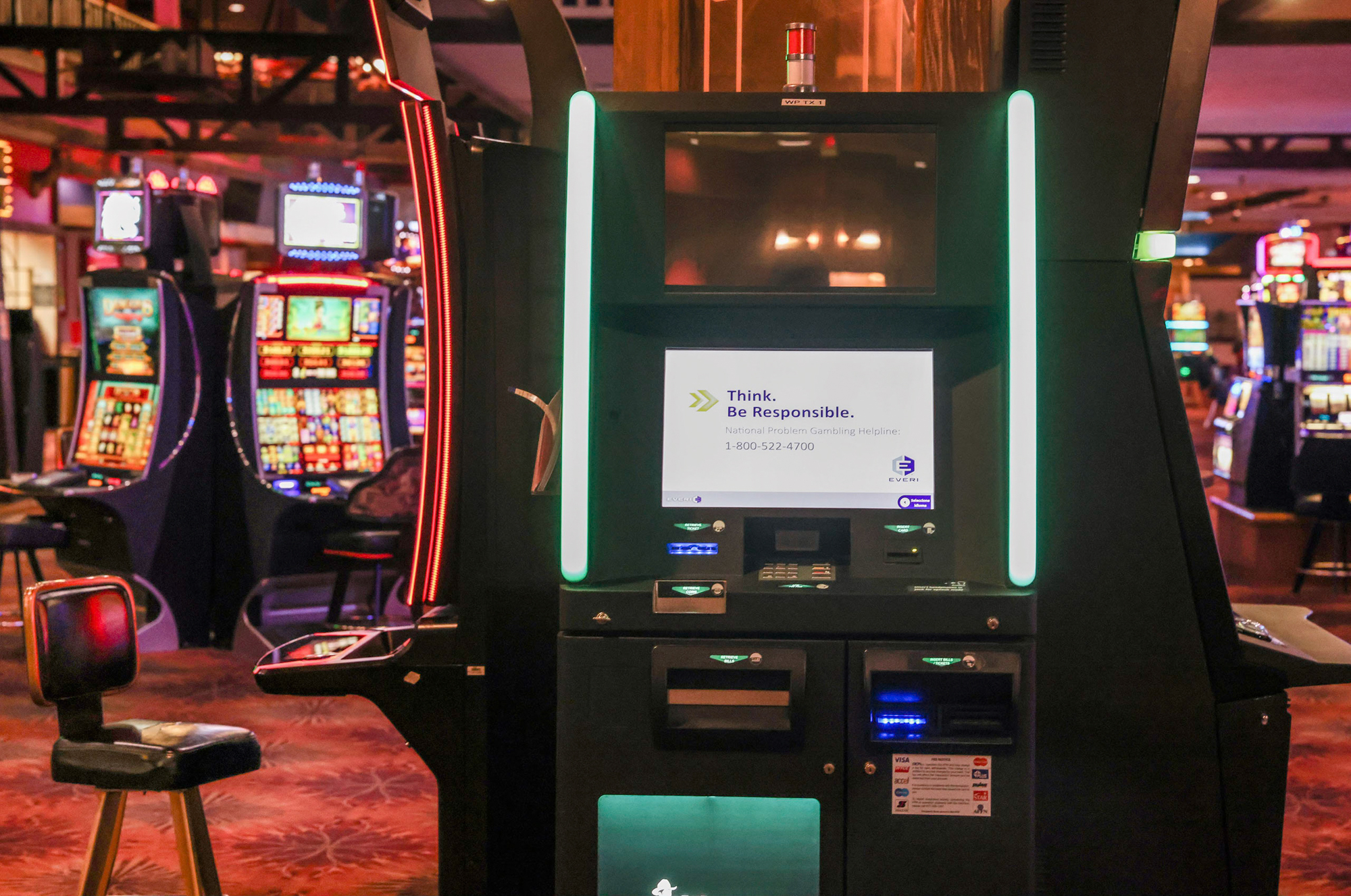
Slot games are often seen purely as entertainment, yet modern platforms are increasingly designed with mechanisms that encourage responsible play. This approach balances engagement with player protection, ensuring that enjoyment does not lead to harmful behaviors. At the core of this philosophy is transparency: players are informed about the odds, payouts, and volatility of each game. Clear communication helps users understand that outcomes are determined by chance, not skill, which reduces misconceptions about “winning strategies” and promotes healthier attitudes toward gambling. When a player knows the probabilities involved, they are better positioned to make informed choices and avoid chasing losses, a behavior that can quickly escalate into problematic gambling.
A fundamental aspect of responsible slot design is the implementation of session limits. Players can set predefined boundaries on time or money spent during a gaming session. By actively choosing these limits, players exert control over their engagement, reducing the likelihood of impulsive or excessive play. Platforms often reinforce these limits through reminders or automated pauses, prompting reflection when a session approaches its limit. These interventions are subtle yet effective, nudging players toward self-awareness without diminishing the fun of the game. They act as built-in safety nets that encourage moderation, allowing players to enjoy the excitement of slots while staying within their personal boundaries.
Another important feature is the option for self-exclusion. For individuals who recognize patterns of problematic behavior, self-exclusion tools provide a clear, enforceable way to step back. Players can temporarily or permanently restrict their access to games, creating a deliberate pause in their engagement. This feature is particularly powerful because it requires the platform to actively enforce the restriction, which prevents impulsive reversals. Combined with educational resources on gambling risks, self-exclusion empowers players to make choices that prioritize their well-being over short-term excitement. It transforms the slot experience from a potentially mindless pursuit into a context where personal responsibility is actively supported.
The design of slot games themselves also plays a role in promoting responsible gambling. Game mechanics, such as the pacing of spins, win frequency, and bonus structures, can be adjusted to balance excitement with control. For example, games with shorter, less intense sequences reduce the potential for overstimulation, which in turn helps players maintain conscious decision-making throughout their session. Additionally, providing detailed feedback on wins and losses allows players to track their play in real time. This visibility reinforces awareness of spending patterns, highlighting when play is moving beyond intended limits. Transparency in game mechanics ensures that excitement is grounded in clarity rather than illusion, which supports a more mindful gaming experience.
Financial tools are also integrated into responsible slot play. Many platforms offer deposit limits, loss limits, and betting caps that players can customize. These tools help create boundaries before risky situations arise, giving users a proactive way to manage their bankroll. By setting these limits, players cultivate habits of disciplined engagement, reducing the likelihood of chasing losses or making hasty decisions under emotional strain. When financial parameters are clear and consistently enforced, players are less prone to impulsive behaviors, which is critical for fostering sustainable, enjoyable engagement with slot games.
Education is another pillar of responsible gaming in the slot industry. Informing players about random number generators, payout percentages, and volatility provides the knowledge needed to make informed decisions. Awareness campaigns often emphasize that slots are games of chance, not skill, and that short-term outcomes are unpredictable. When players understand these principles, they are less likely to fall into common gambling misconceptions, such as the belief that a “due” jackpot is more likely after a losing streak. This knowledge transforms the experience from one of reactive play to one of conscious enjoyment, empowering players to set expectations realistically and reduce frustration or risky behaviors.
Technology plays a crucial role in sustaining these responsible gambling initiatives. Advanced analytics monitor patterns of play, identifying behaviors that may indicate increased risk, such as extended session durations, rapid bet increases, or repeated chasing of losses. When these patterns emerge, platforms can respond with interventions like notifications, prompts to take breaks, or suggestions to revisit previously set limits. Such measures are not punitive; rather, they are educational and supportive, guiding players toward balanced engagement. This proactive approach demonstrates a commitment to both player safety and enjoyment, blending data-driven insights with ethical game management.
Furthermore, the social context of slot play is increasingly considered. Multiplayer or community features often include reminders about responsible play and highlight healthy gaming norms. Players are exposed to positive behaviors, such as pacing their sessions and setting personal limits, which can reinforce their own responsible practices. By fostering a culture where moderation is valued, these social dynamics complement the technical safeguards built into the platform. Responsible gambling becomes not just an individual effort, but a collective standard within the community, further encouraging mindful engagement.
Ultimately, the evolution of slot games toward promoting responsibility reflects a broader shift in the gaming industry. Platforms recognize that player trust is closely linked to safety and transparency. When players feel supported rather than exploited, they are more likely to engage sustainably and enjoyably. Responsible gambling features do not diminish entertainment value; they enhance it by providing a secure framework in which players can explore excitement without compromising their well-being. Through clear information, customizable limits, self-exclusion tools, and supportive interventions, slot games have become environments where fun and responsibility coexist. This approach not only protects players but also strengthens the integrity and reputation of the gaming industry as a whole, demonstrating that enjoyment and responsibility are not mutually exclusive, but complementary aspects of modern slot experiences.









Leave a Reply