
Slot play is one of the most popular forms of entertainment in both physical and online casinos, appealing to millions of players worldwide. At first glance, it might seem like a purely luck-driven activity, a place where chance dictates outcomes and skill is irrelevant. However, when examined more closely, slot play reveals a structured environment that blends psychology, mathematics, and strategic interaction, making it a unique form of entertainment that goes beyond mere randomness. Understanding this structure allows players to approach slot gaming with a mindset that maximizes enjoyment, engagement, and responsible play.
Central to the structured nature of slot play is the underlying algorithm that governs each machine, known as the random number generator (RNG). While RNGs ensure that each spin is independent and unpredictable, they are built on precise mathematical principles that create defined probabilities for every outcome. This predictability within randomness gives the slot its inherent structure, ensuring fairness while allowing players to anticipate the potential frequency and distribution of wins over time. A basic understanding of pay tables, volatility, and return-to-player (RTP) percentages enables players to make informed choices, selecting machines that align with their preferred level of risk and engagement. High-volatility slots, for example, offer larger but less frequent wins, while low-volatility slots provide smaller, more consistent payouts. This knowledge transforms slot play from blind luck into a game of informed entertainment.
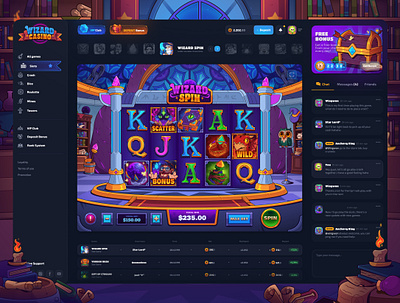
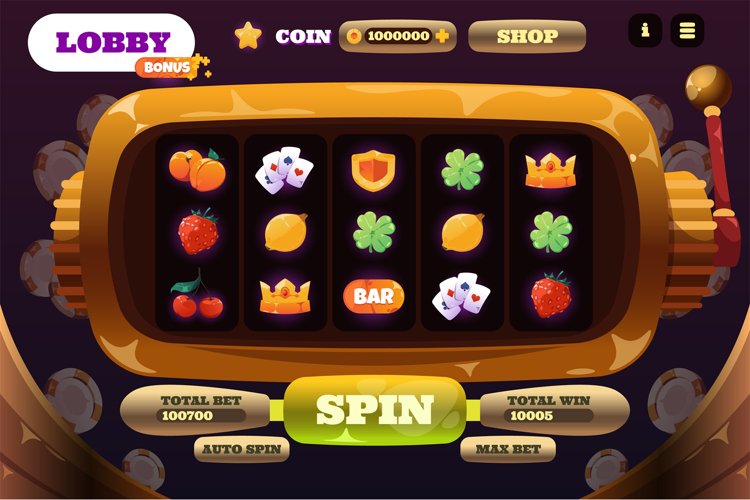
The design of slot machines also contributes to the structured experience. Modern slots are crafted with engaging themes, immersive visuals, and narrative elements that provide a sense of progression and accomplishment. Players are not only chasing monetary rewards but are also drawn into storylines, character interactions, and visually stimulating environments. These elements are carefully calibrated to sustain attention and provide feedback that keeps players engaged without overwhelming them. The structure comes in part from the rhythm of play—the cycle of spins, pauses, wins, and near-misses—which has been psychologically optimized to maintain interest while promoting responsible engagement. Gamification techniques, such as unlocking bonus rounds, collecting virtual rewards, and achieving milestones, further reinforce this structured approach, giving players tangible goals beyond immediate payouts.
Another aspect of structured slot play is bankroll management, which introduces discipline and strategy into what might otherwise seem like unrestrained chance. By setting clear limits on wagers, session length, and loss thresholds, players can enjoy the entertainment value of slots without compromising financial responsibility. This structure allows for planned, measured interaction with the game, where outcomes are unpredictable but engagement remains controlled. It also enhances enjoyment because players can appreciate the experience for its design and pacing rather than being consumed by impulsive decision-making or chasing losses. Many seasoned players treat slot sessions as structured entertainment, allocating time and funds deliberately, which encourages both sustainability and long-term satisfaction.
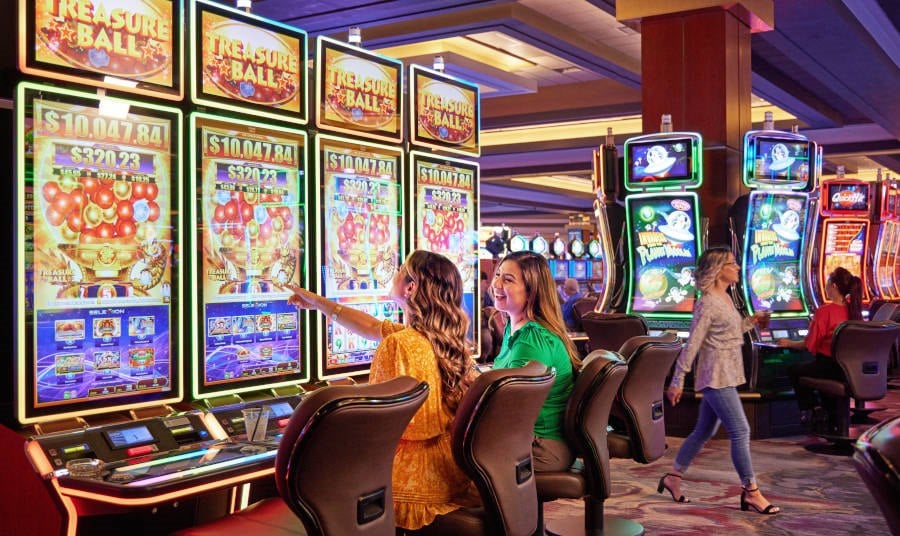
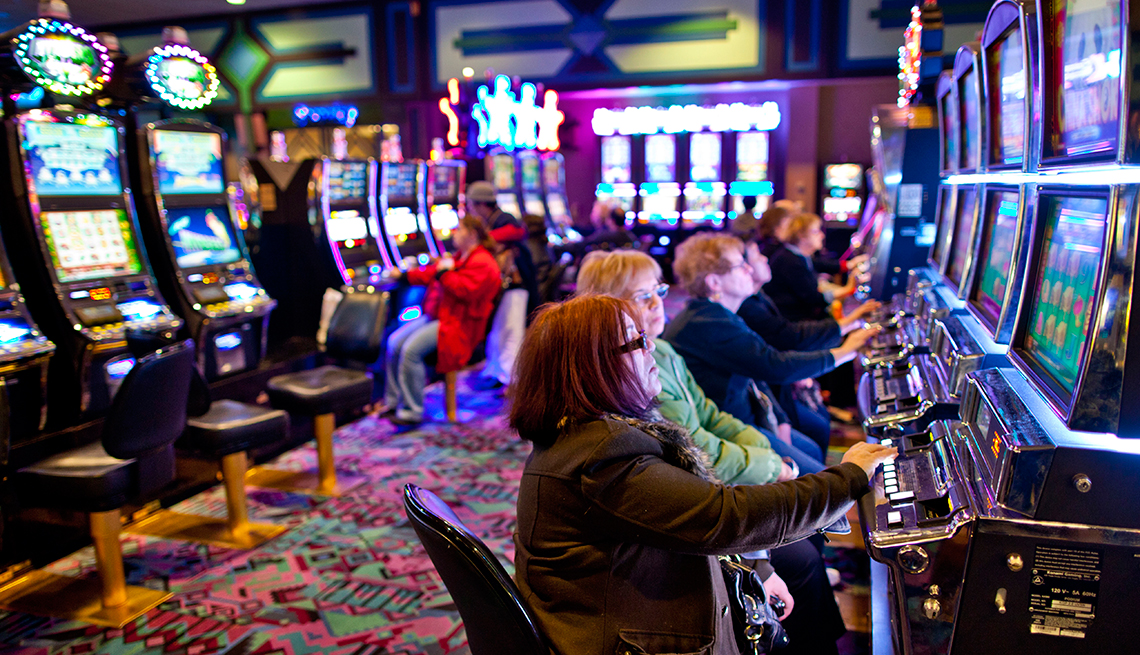
Slot play also exemplifies structured social entertainment. In physical casinos, slots are often communal experiences, with players sharing the excitement of wins, the suspense of near-misses, and the spectacle of bonus rounds. Online platforms replicate this through leaderboards, social sharing features, and tournaments where participants compete for rankings and rewards. These social structures create a layer of interaction and motivation that extends beyond solitary play, enhancing engagement and making the experience more dynamic. Structured competition encourages players to think strategically about timing, machine selection, and wagering patterns, all within the framework of fair and regulated gameplay.
Regulation and certification play a critical role in ensuring that slot play remains a structured form of entertainment rather than devolving into chaotic gambling. Licensed operators are required to adhere to strict standards for fairness, payout transparency, and responsible gaming measures. Regular audits, RNG verification, and clear communication of odds all contribute to an environment where players can enjoy structured entertainment with confidence. These safeguards are essential because they maintain the integrity of the system, reassuring participants that their engagement is governed by predictable, fair rules rather than arbitrary chance or manipulation.
Furthermore, slot play provides players with opportunities for skillful observation and decision-making, albeit within the constraints of chance-based outcomes. Observing patterns, understanding bonus mechanics, and selecting machines based on volatility or theme preference allows players to exert influence over their experience. While these actions do not guarantee wins, they enhance the entertainment value by introducing elements of personal choice, experimentation, and exploration. This structured interplay of chance and decision-making is central to why slot play remains compelling, combining thrill with cognitive engagement in a controlled environment.
In essence, slot play is a microcosm of structured entertainment where mathematical principles, psychological design, regulatory oversight, and player strategy intersect. The seemingly chaotic outcomes of spins are embedded within a framework that rewards understanding, discipline, and engagement. Players experience excitement and suspense, but these emotions are guided and moderated by the game’s inherent structure. Recognizing this allows participants to approach slot play not merely as gambling, but as an organized form of entertainment that balances unpredictability with control, pleasure with strategy, and chance with informed participation.
Ultimately, the enjoyment derived from slot play is inseparable from its structure. The balance between randomness and design ensures that players are consistently challenged, entertained, and rewarded in ways that are sustainable and psychologically satisfying. Structured entertainment transforms each session from a simple pursuit of monetary gain into a comprehensive experience where narrative, visuals, feedback, and personal decision-making combine to create a unique and immersive form of play. By appreciating the architecture behind the reels, players can fully embrace slot gaming as a carefully orchestrated form of entertainment, one that merges mathematics, psychology, and engagement into a coherent, rewarding experience.




Leave a Reply