
Slot machines have long been a staple of casino entertainment, blending chance, excitement, and the potential for significant rewards. Despite their simplicity, the underlying psychology and design of these machines are carefully engineered to influence player behavior, maintain engagement, and promote comfort during play. Understanding the dynamics of slot behavior and player comfort requires examining the intersection of human psychology, game design, and the regulatory frameworks that guide responsible gambling.
At the heart of slot machine engagement is the concept of reinforcement. Modern slot machines employ variable ratio schedules, meaning that players receive payouts at unpredictable intervals. This unpredictability is crucial because it encourages continued play by tapping into the human brain’s reward system. The intermittent reinforcement schedule, similar to that used in behavioral psychology experiments, creates heightened anticipation and excitement. Players experience bursts of dopamine not only when they win but also in the expectation of winning, which sustains their engagement over longer periods. This approach, however, must be balanced with ethical considerations and responsible gaming protocols to ensure that excitement does not turn into compulsive behavior.
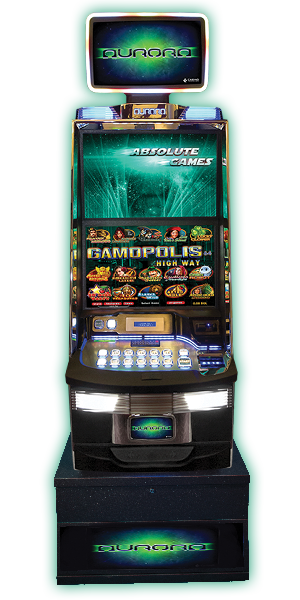
Design elements of slot machines also play a significant role in player comfort. Visual and auditory cues are carefully calibrated to create an immersive yet non-overwhelming environment. Bright, vibrant graphics attract attention, while thematic designs and familiar symbols evoke positive associations and nostalgia. Sound effects, including jingles, celebratory tones, and subtle background music, are integrated to reinforce wins and maintain a pleasurable atmosphere. The goal is to enhance engagement without creating sensory overload, as overstimulation can lead to fatigue and reduce overall enjoyment. Slot developers continuously study human responses to color, sound, and motion, optimizing these elements to sustain player comfort while maximizing entertainment value.
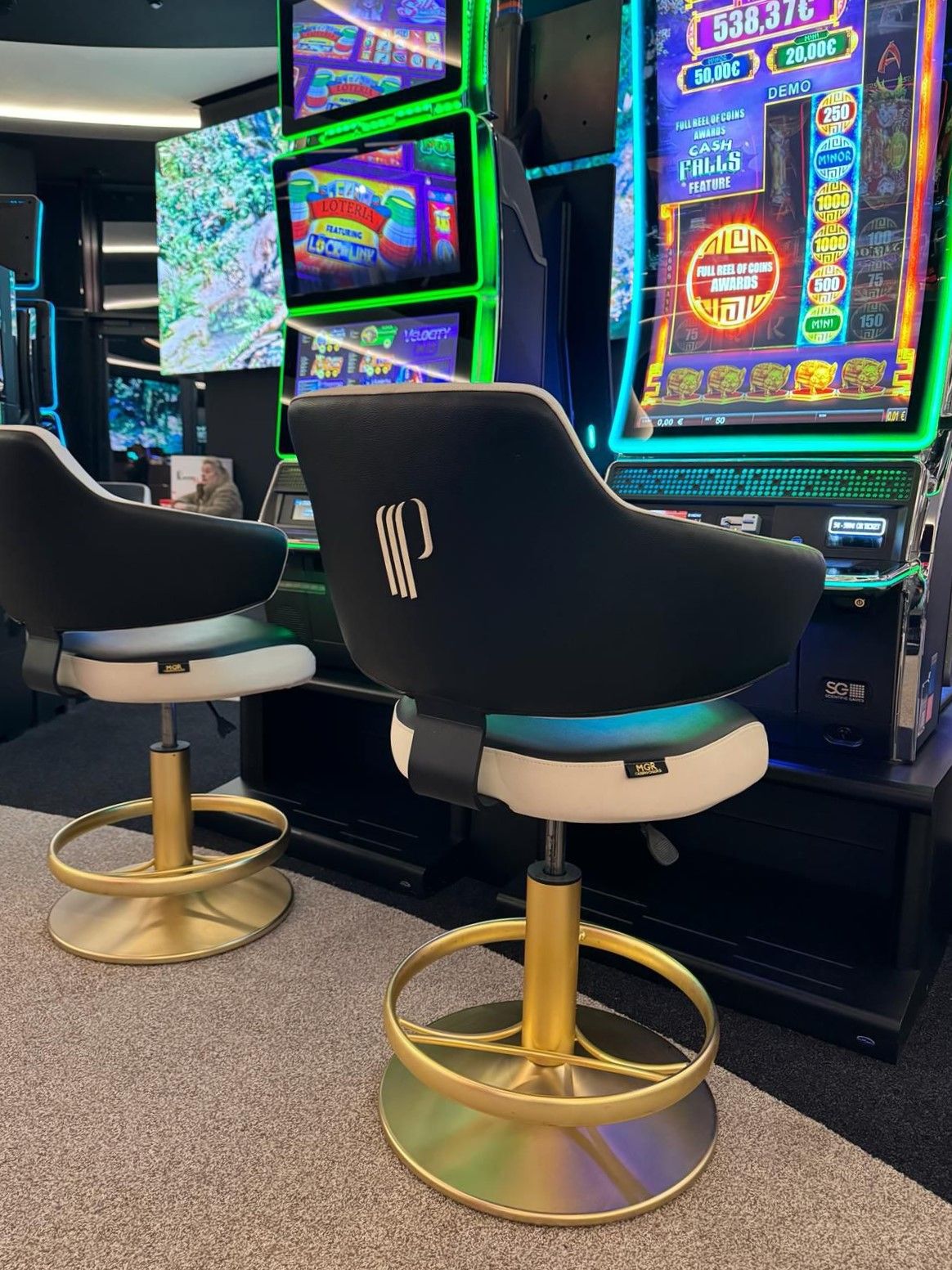
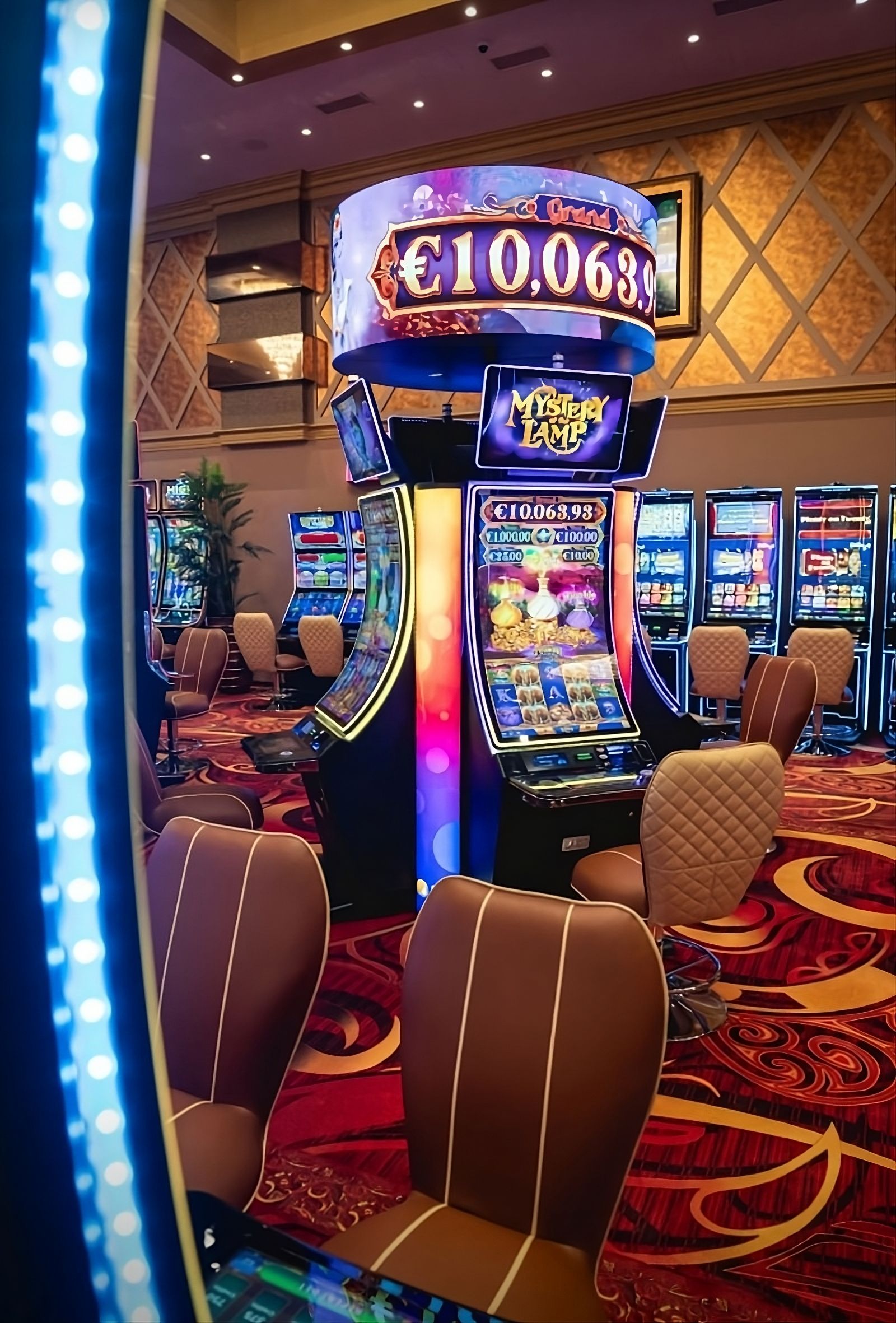
Physical comfort is another dimension that cannot be overlooked. Many modern casinos invest heavily in ergonomics, ensuring that chairs, seating arrangements, and machine layouts support extended periods of play without causing discomfort. Spacing between machines, adjustable seating, and easily reachable controls are designed to minimize strain on the body. By addressing physical comfort, casinos indirectly influence the psychological state of players, promoting relaxation and sustained engagement. A comfortable player is more likely to stay focused on the game, enjoy the experience, and return in the future.
In addition to environmental and physical factors, player autonomy and choice significantly impact comfort and satisfaction. Offering a wide range of slot themes, betting levels, and game features allows players to tailor their experience to personal preferences and risk tolerance. Some players prefer high-volatility slots with rare but large payouts, while others favor low-volatility machines with frequent small wins. Providing options empowers players, giving them a sense of control over their gaming experience, which enhances satisfaction and reduces stress or frustration. The perception of control, even in a game of chance, can significantly affect how comfortable and engaged a player feels.
Technology has further revolutionized the way slot machines cater to player behavior and comfort. Digital interfaces and touchscreens allow for more intuitive interaction, with features such as auto-spin, customizable settings, and visual guides that explain game mechanics. Many casinos now integrate player loyalty programs and digital tracking, providing personalized rewards, bonus opportunities, and feedback that reinforce positive behavior and enhance the overall experience. By leveraging technology, operators can respond to individual player patterns and preferences, creating a more engaging and comfortable gaming environment that aligns with both entertainment and responsible play objectives.
Responsible gaming frameworks are critical in maintaining both player comfort and long-term engagement. Transparency about odds, clear instructions, and access to self-limitation tools help players manage their gaming behavior and avoid the negative consequences of overindulgence. Informing players about the statistical nature of slot outcomes and providing mechanisms to control spending time and money promotes a sense of security and comfort. When players trust that the environment is fair and that they have the means to play responsibly, their experience becomes more enjoyable and less anxiety-inducing.
Social factors also play a role in shaping slot behavior. Observing others’ reactions, celebrating wins collectively, or simply being part of a communal environment enhances the emotional experience. Social comfort, combined with the excitement of individual play, reinforces positive emotions associated with gaming. Many casinos capitalize on this by designing spaces that allow for interaction without disrupting individual focus, creating a balance between social engagement and personal enjoyment. A well-designed social environment contributes to a player’s overall comfort and encourages repeat visitation.
Another important factor is the management of losses and near misses, which are common in slot games. Near-miss outcomes, where symbols almost align to form a winning combination, exploit cognitive biases by making players feel as though they were close to winning. This can sustain motivation and engagement but must be handled ethically to avoid promoting compulsive behavior. By balancing near misses with genuine rewards and clear feedback, designers can maintain excitement while supporting healthy gaming behavior. Ensuring that losses do not lead to frustration or discomfort is essential for long-term player satisfaction.
In conclusion, the interplay between slot behavior and player comfort is complex, involving psychological reinforcement, ergonomic design, technological innovation, social dynamics, and responsible gaming practices. Each element contributes to creating an engaging, enjoyable, and safe environment for players. By understanding how these factors influence human behavior, casino operators and game designers can optimize experiences that are both entertaining and supportive of player well-being. Striking the right balance ensures that players remain comfortable, motivated, and satisfied, enhancing the overall sustainability of slot-based entertainment and fostering a culture of responsible, enjoyable gaming.





Leave a Reply