
In the fast-paced world of online and physical casinos, the experience of playing slot machines can be both exhilarating and mentally taxing. Slots, by design, are intended to captivate players with their vibrant graphics, immersive soundscapes, and fast gameplay cycles. However, this constant stimulation can easily lead to mental fatigue if players are not consciously aware of their engagement patterns. Understanding how slot awareness prevents fatigue is crucial for maintaining an enjoyable and sustainable gaming experience.
Slot awareness begins with recognizing the cognitive demands that slot machines impose. Despite the simplicity of spinning reels and matching symbols, slots engage players in a continuous cycle of anticipation, reward, and reinforcement. Each spin triggers a series of neurological responses, often associated with dopamine release, which can create a sense of excitement and pleasure. While this response is enjoyable in moderation, prolonged exposure without strategic awareness can overwhelm cognitive resources, leading to fatigue and diminishing enjoyment. Players who cultivate an understanding of these mechanisms are better equipped to pace their sessions and manage their energy effectively.
A key element of slot awareness involves monitoring time spent on machines. One of the most common sources of fatigue in slot players is losing track of time due to the immersive nature of gameplay. The combination of bright visuals, rapid spins, and intermittent rewards creates a feedback loop that encourages extended play sessions. By setting clear time limits and using timers or scheduled breaks, players can prevent overexertion and maintain mental clarity. Awareness of time also supports more thoughtful decision-making, reducing impulsive betting and the stress that can arise from extended periods of continuous play.
Financial mindfulness is another critical component of slot awareness. Fatigue is not only cognitive but can also manifest emotionally, particularly when players lose track of their betting patterns or overspend. Recognizing one’s bankroll limits and setting clear betting boundaries ensures that play remains both enjoyable and controlled. Players who track their spending, understand payout probabilities, and avoid chasing losses are less likely to experience emotional exhaustion, which often accompanies mental fatigue. This financial awareness works hand in hand with cognitive monitoring, creating a comprehensive framework for sustainable gameplay.
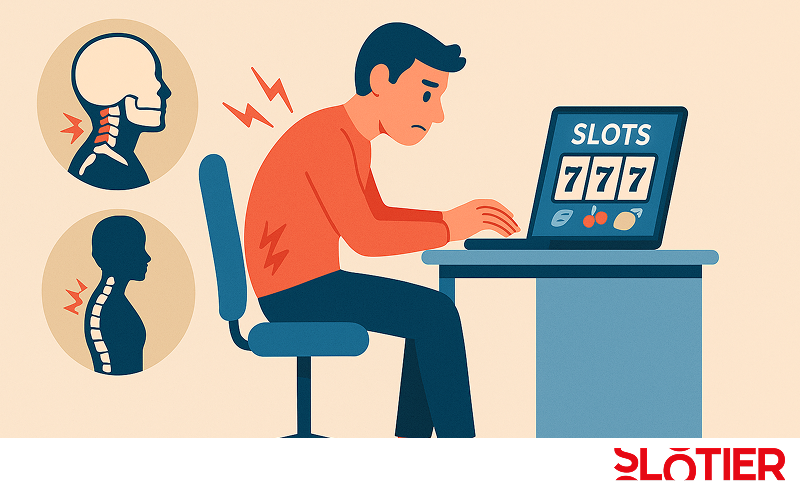
In addition to time and money management, slot awareness encourages physical self-care. Extended sessions at a slot machine often involve prolonged sitting, minimal movement, and intense visual focus. These factors can contribute to physical strain, such as eye fatigue, muscle tension, and headaches, which in turn amplify mental fatigue. Regular breaks, stretching, and hydration are simple yet effective strategies that players can use to maintain both physical and mental well-being. Being attuned to bodily signals allows players to recognize the onset of fatigue early, enabling proactive interventions that preserve energy and enjoyment.
Another dimension of slot awareness is understanding the structural design of machines and the psychological triggers they employ. Modern slot games often incorporate near-misses, bonus rounds, and variable reward schedules that increase engagement but also heighten cognitive load. By recognizing these mechanisms, players can approach gameplay more analytically rather than purely emotionally. This analytical approach reduces susceptibility to overstimulation and allows players to maintain focus without succumbing to compulsive patterns. It also fosters a mindset of controlled participation, where the thrill of the game is balanced with the recognition of its designed influence on behavior.
Social context plays a subtle but important role in managing fatigue through slot awareness. Players who engage in shared gaming experiences, such as playing with friends or participating in social casino communities, can benefit from external cues to regulate their play. Conversations, shared observations, and mutual reminders can reinforce time limits and encourage breaks, reducing the risk of isolation-driven fatigue. Moreover, discussing strategies and experiences with others can transform gameplay into a more interactive and reflective activity, shifting focus from relentless spinning to mindful engagement.
Technological tools and responsible gaming features also enhance slot awareness. Many online platforms now offer session reminders, spending alerts, and auto-stop mechanisms that help players maintain self-regulation. By leveraging these tools, players can preemptively manage fatigue and ensure that their engagement remains within healthy boundaries. Technology, when used mindfully, becomes an ally in preventing overextension, supporting the player’s ability to enjoy slots without compromising mental or emotional health.
Slot awareness also cultivates a broader perspective on personal gaming habits. Players who regularly reflect on their experiences can identify patterns of overuse, triggers for extended sessions, and moments of heightened fatigue. Journaling gameplay, tracking emotional responses, and evaluating the impact of gaming on daily life are practices that deepen awareness and promote self-regulation. Over time, these reflective practices build resilience against cognitive overload, ensuring that slot play remains a source of entertainment rather than stress.
Ultimately, the prevention of fatigue through slot awareness is about creating a mindful gaming environment that balances excitement with self-care. Recognizing cognitive, emotional, and physical signals allows players to structure their sessions intentionally, reducing the likelihood of burnout. Awareness transforms passive consumption into active participation, where every spin is accompanied by a conscious understanding of limits, energy, and enjoyment. This approach not only safeguards mental and physical health but also enhances the overall gaming experience, making each session more satisfying and sustainable.
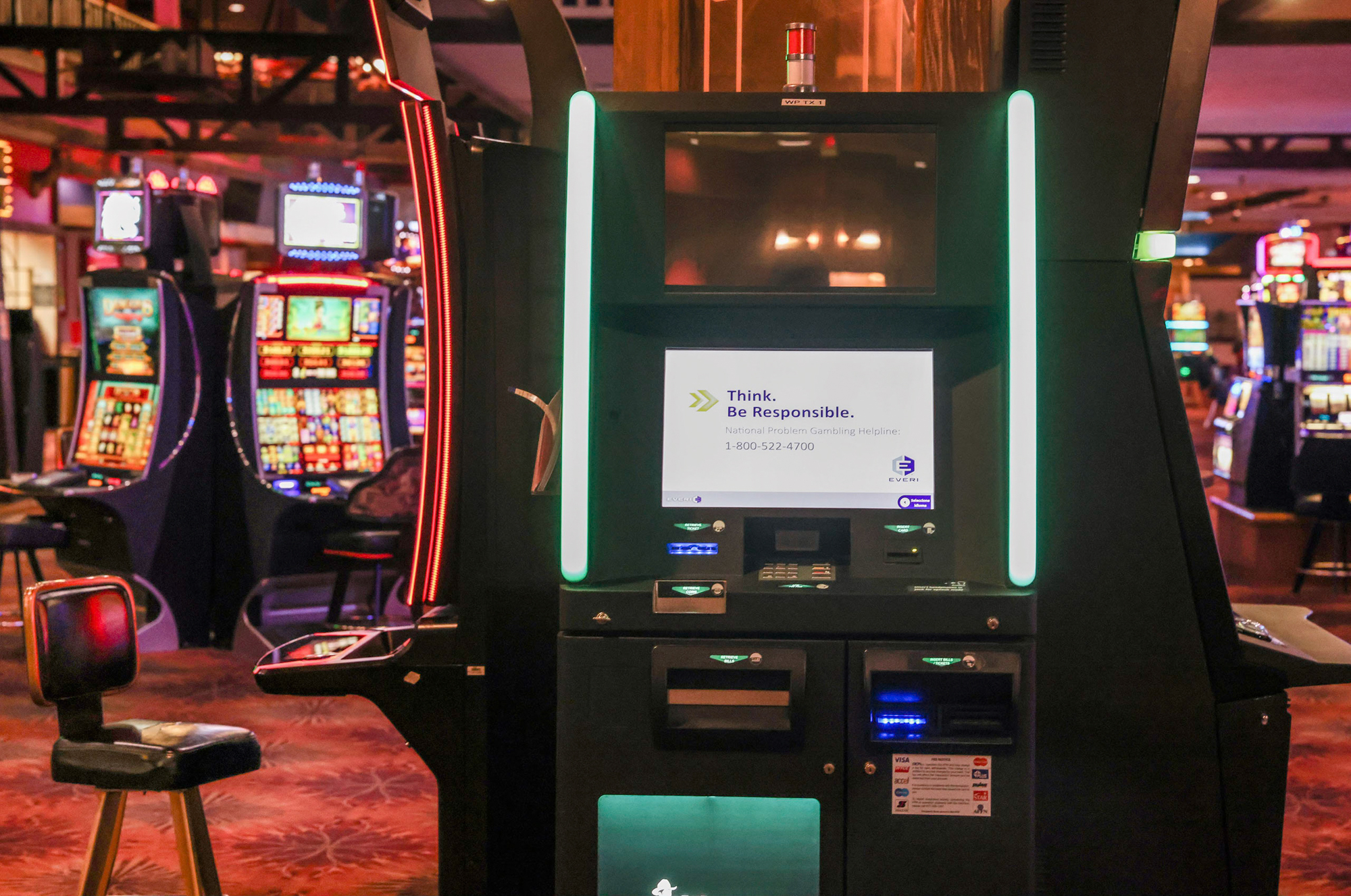
The principles of slot awareness can extend beyond individual play to inform casino practices and responsible gaming initiatives. Operators who prioritize player well-being by promoting educational resources, session reminders, and tools for self-regulation contribute to a healthier gaming culture. By fostering an environment where players are aware of their engagement, casinos not only support responsible play but also build trust and loyalty. In this way, slot awareness benefits both the individual and the broader gaming ecosystem, ensuring that excitement and entertainment are sustained without the detrimental effects of fatigue.
By integrating time management, financial mindfulness, physical self-care, analytical awareness, social context, and technological support, players can transform their slot experiences into balanced and enjoyable activities. Slot awareness is not merely a strategy for prolonging gameplay—it is a holistic approach to ensuring that each session remains mentally stimulating, emotionally positive, and physically comfortable. This conscientious engagement safeguards against fatigue, allowing the joy of spinning reels to be fully appreciated while maintaining overall well-being.





Leave a Reply