
Managing slot sessions effectively is a critical aspect of responsible gaming, both for players seeking control and for platforms aiming to maintain a fair, engaging experience. Slot session management refers to the practice of structuring and monitoring gameplay in a way that promotes enjoyment while minimizing the risk of excessive losses or gambling-related harm. At its core, it involves understanding how long a player engages with slot machines, how much they wager, and how to implement strategies to maintain a balanced approach to gaming.
One of the foundational principles of slot session management is time awareness. Players often underestimate how quickly time passes while playing slots, which can lead to extended sessions that strain personal finances or emotional well-being. Effective session management begins with setting a predetermined period for gameplay. This may involve allocating a specific number of hours or deciding in advance how long a session should last. By doing so, players can enjoy the entertainment value of slots without losing track of other responsibilities or financial limits. Establishing such boundaries also encourages discipline, reinforcing the idea that gambling is a form of leisure rather than a means of income.
Equally important is bankroll management, which involves determining how much money a player is willing to risk during a slot session. This budget should be separate from funds allocated for daily living expenses, ensuring that losses do not interfere with essential financial obligations. Players can divide their bankroll into session-specific portions, deciding in advance how much to wager per spin and when to stop playing. This structured approach helps prevent impulsive decisions and reduces the likelihood of chasing losses, a behavior that can quickly escalate gambling-related problems. Platforms themselves often provide tools to assist in this area, such as deposit limits, bet restrictions, and customizable session timers, all designed to empower players to maintain control over their gambling habits.
Another key component of slot session management is understanding volatility and payout patterns. Slot machines vary widely in their frequency of payouts and size of potential wins. Low-volatility slots pay smaller amounts more frequently, which can sustain longer sessions and maintain engagement. High-volatility slots, on the other hand, offer the potential for larger wins but less frequent payouts, often leading to shorter, more intense sessions. Awareness of these characteristics allows players to select games that align with their personal session goals and risk tolerance. For example, a player seeking prolonged entertainment might choose a low-volatility slot to ensure consistent engagement, whereas someone hoping for the excitement of large jackpots may prefer high-volatility machines with careful bankroll allocation.
Session management also includes the practice of taking scheduled breaks. Continuous gameplay can lead to fatigue, diminished decision-making ability, and emotional stress, all of which may increase the risk of losses. Regular breaks not only promote mental clarity but also provide an opportunity for reflection on the session’s outcomes. During these intervals, players can reassess their budget, review wins and losses, and decide whether to continue or conclude the session. This habit cultivates a mindful approach to gambling, reinforcing self-control and enhancing the overall experience without compromising personal or financial well-being.
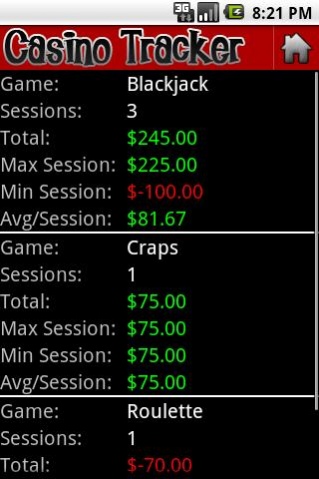
Platforms that prioritize responsible gambling often incorporate features specifically designed to support session management. These features may include auto-stop functions that halt play after a set period, notifications that alert players when they approach predetermined loss limits, and detailed activity reports that track session duration, wager amounts, and outcomes. By offering transparent access to this data, platforms help players make informed decisions and maintain consistent control over their gaming behavior. Such tools also reinforce a culture of accountability, reminding players that slot play is a controlled activity rather than a spontaneous or unchecked indulgence.
Behavioral awareness is another significant aspect of effective slot session management. Players must recognize personal triggers and emotional states that influence gambling behavior. Stress, fatigue, or attempts to escape everyday pressures can increase susceptibility to prolonged or reckless sessions. Identifying these patterns allows individuals to implement protective measures, such as avoiding play during high-stress periods or setting stricter limits during emotionally vulnerable times. Combining self-awareness with structured session rules creates a robust framework that reduces the potential for negative outcomes while maintaining the enjoyment and excitement inherent in slot gaming.
Beyond individual measures, education plays a crucial role in promoting effective session management. Understanding how slot machines operate, including the role of random number generators (RNGs), paytables, and bonus features, empowers players to make informed choices. Realistic expectations regarding the probability of winning and the impact of volatility help prevent frustration and impulsive decisions. Educational resources, whether provided by platforms, independent organizations, or industry regulators, equip players with the knowledge necessary to engage responsibly, transforming gaming from a potentially risky endeavor into a controlled, strategic, and enjoyable pastime.
In summary, slot session management combines time control, budget discipline, awareness of game mechanics, scheduled breaks, platform tools, and personal behavioral insight to create a structured and responsible approach to slot gaming. It emphasizes balance, self-regulation, and informed decision-making, enabling players to enjoy the entertainment aspects of slots while minimizing financial or emotional risks. For platforms, supporting session management through technological features and educational initiatives not only enhances player safety but also fosters trust and long-term engagement. By integrating these practices, players can maintain control over their sessions, ensuring that slot gaming remains a source of fun and excitement rather than stress or regret.
Effective session management is not merely a precaution; it is a proactive strategy that respects both the player’s experience and the integrity of the gaming environment. By implementing these techniques, individuals and platforms alike contribute to a culture of responsible gambling, where enjoyment and safety coexist harmoniously. This structured, mindful approach ensures that every slot session, whether short or extended, remains a controlled, positive, and rewarding activity.








Leave a Reply