
Slot games are one of the most popular forms of entertainment in the gambling industry, drawing players with their bright lights, catchy sounds, and the promise of instant wins. At first glance, slot machines may seem purely mechanical, driven by random number generators and luck, but the emotional engagement they evoke is profound and complex. Understanding this emotional dimension is essential not only for players seeking to manage their experiences but also for operators who aim to design games that are both engaging and responsible. Emotional awareness in the context of slot games involves recognizing, understanding, and regulating the feelings that arise during play. These emotions can range from excitement and anticipation to frustration and disappointment, each influencing decision-making and risk perception in unique ways.
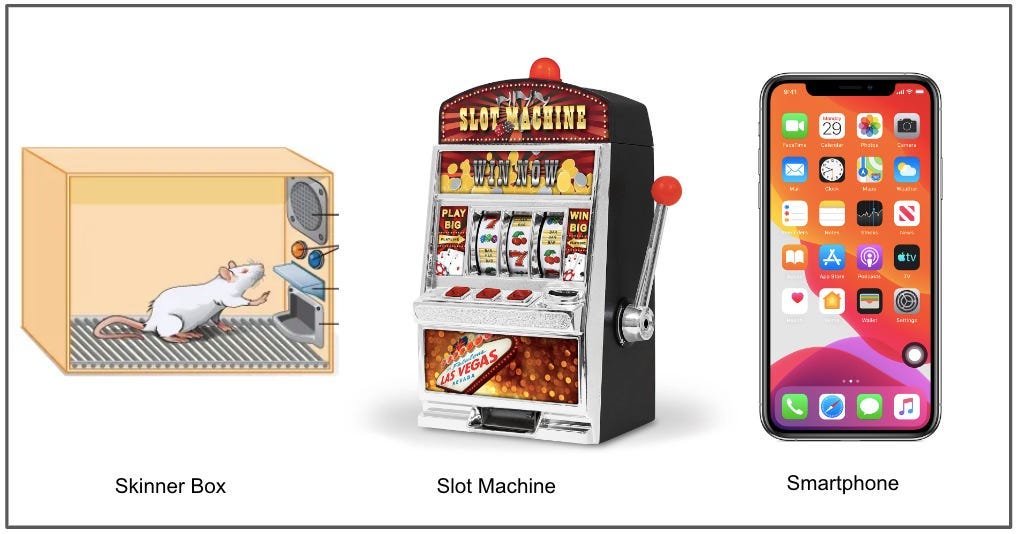
The thrill of spinning reels is inherently tied to psychological responses. When a player initiates a spin, they often experience a surge of anticipation. This excitement is not just about the possibility of winning; it is also a response to uncertainty and the potential for reward. Neuroscientific research shows that anticipation activates the brain’s reward pathways, releasing dopamine, which enhances motivation and pleasure. For many players, this dopamine surge reinforces continued play, sometimes blurring the line between entertainment and compulsion. Emotional awareness allows players to recognize these responses and assess whether their engagement remains healthy or is tipping toward excessive behavior.
Losses in slot games, especially consecutive ones, can trigger strong emotional reactions. Frustration, disappointment, or even anger may arise, influencing subsequent betting behavior. Some players attempt to “chase” losses, increasing their wagers in an effort to recover previous losses. This reaction is largely driven by emotional responses rather than rational analysis. Players who cultivate emotional awareness can pause and reflect on these feelings, understanding that chasing losses rarely leads to positive outcomes. By identifying the emotional triggers behind their actions, they can make more deliberate choices, reinforcing responsible gambling habits.
Conversely, small wins or near-misses can create a sense of elation, even if the overall session is unprofitable. Near-misses—when symbols align almost perfectly for a win—are particularly powerful because they trick the brain into perceiving progress, sustaining engagement. This phenomenon can heighten excitement and the desire to continue playing, yet it can also distort judgment. Emotional awareness helps players differentiate between genuine reward and cognitive illusions created by game design. Recognizing that near-misses are engineered stimuli rather than actual indicators of skill or luck can prevent overestimation of winning potential.
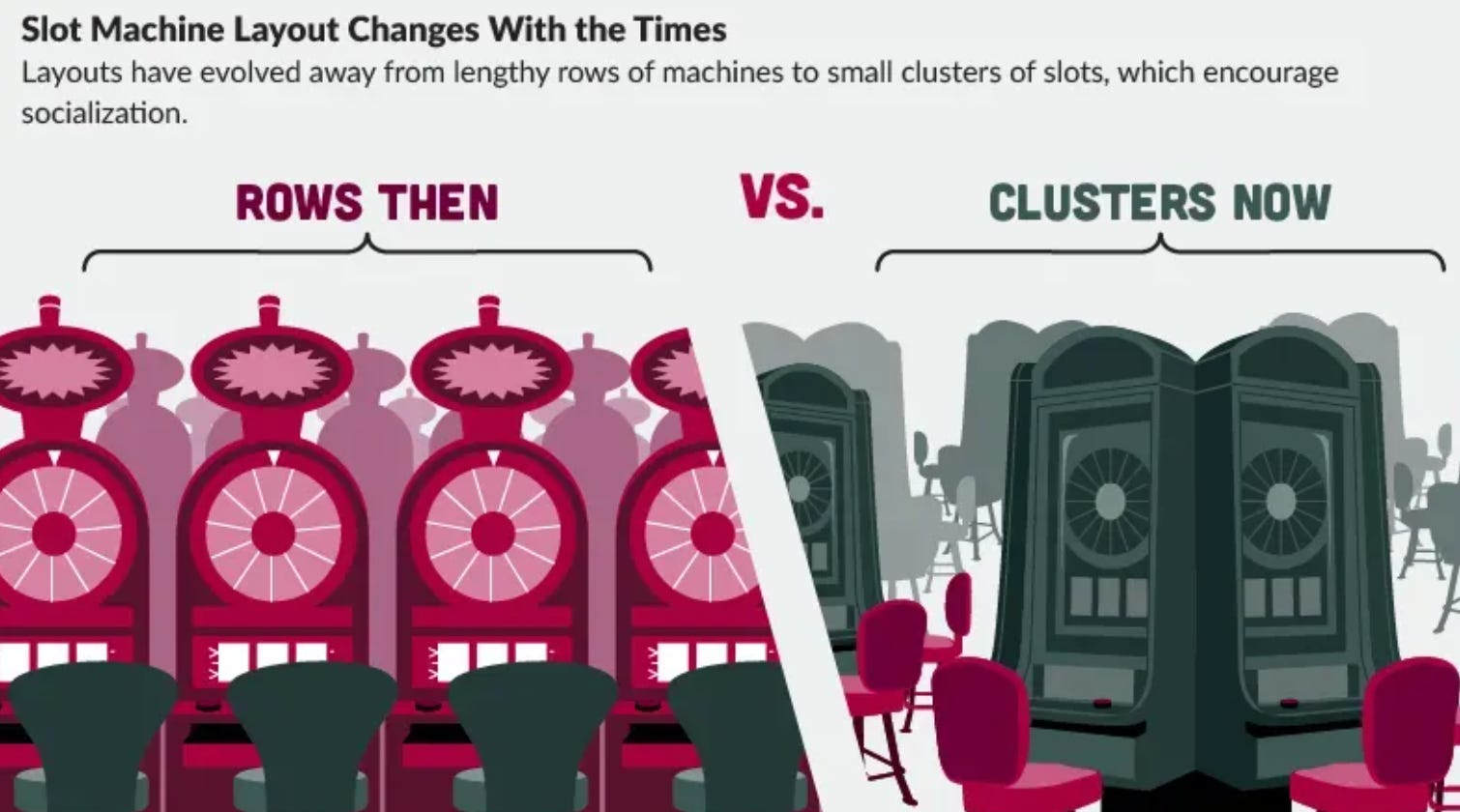
Slot games also provide a social and cultural dimension that intersects with emotional experience. Playing in a casino or online environment often includes exposure to ambient sounds, visuals, and social cues that amplify emotions. The communal thrill of a jackpot celebration or the shared disappointment of a loss creates a dynamic environment in which emotions are contagious. Players who are aware of these social influences can better understand how external factors shape their feelings and decisions. Emotional intelligence in this context involves not only self-regulation but also awareness of how the environment manipulates perceptions and expectations.
Mindful engagement is a practical application of emotional awareness in slot play. Mindfulness involves observing thoughts and feelings without judgment, allowing players to experience the game without being overwhelmed by it. This practice can prevent impulsive decisions driven by emotion, promoting a balanced approach to entertainment. Setting limits on time and budget, reflecting on emotional responses during play, and taking breaks when frustration arises are strategies that integrate emotional awareness into responsible gaming. Such measures do not diminish the fun of slot games but enhance long-term satisfaction and well-being.
From an industry perspective, emotional awareness is increasingly recognized as a factor in game design and player protection. Developers and operators are exploring ways to create experiences that are stimulating yet safe, integrating features such as reality checks, loss limits, and personalized alerts to support players in maintaining control. Understanding the emotional impact of various game mechanics allows operators to design experiences that respect player psychology while reducing harm. For example, adjusting reward frequency, payout patterns, and bonus triggers can influence emotional responses and foster healthier engagement.
Education plays a key role in promoting emotional awareness among players. Programs and resources that explain the psychological mechanisms of slot games, the role of randomness, and the potential emotional pitfalls equip players with knowledge to navigate the gaming experience wisely. Awareness campaigns can emphasize recognizing signs of stress, frustration, or compulsive behavior and encourage strategies to mitigate negative emotional impact. Emotional literacy in gambling is not about discouraging play but about empowering individuals to enjoy games responsibly.
The interplay between emotion and decision-making in slot games highlights the broader principle that gambling is not purely a mechanical activity but an emotional experience. Players who develop emotional awareness gain insight into their own motivations, biases, and vulnerabilities. This insight enables more controlled, informed, and enjoyable engagement. By recognizing how excitement, disappointment, near-misses, and social influences shape behavior, players can navigate the highs and lows of slot play with greater resilience.
Ultimately, slot games offer a compelling mix of chance, reward, and emotional stimulation. Emotional awareness is a critical tool for anyone seeking to experience these games responsibly. It allows players to savor the excitement without being swept away by it, to recognize the subtle manipulations of game design, and to respond to losses with perspective rather than frustration. By integrating mindfulness, education, and self-reflection, players can ensure that slot games remain a source of entertainment rather than emotional turmoil. Developing this awareness benefits both the individual and the broader gaming community, promoting a culture of responsible enjoyment where the emotional journey complements the thrill of the game.





Leave a Reply