
Slot machines are among the most popular forms of gambling, attracting players with their vibrant visuals, enticing sounds, and the promise of instant rewards. At first glance, the appeal seems straightforward: players insert a coin or token, spin the reels, and hope for a winning combination. However, the psychological dynamics underlying slot play are far more intricate, shaped heavily by the expectations players bring into the experience. These expectations, whether formed through past experiences, advertising, social influence, or platform design, play a critical role in determining how satisfied a player feels after a session, regardless of the actual outcome.
Expectation sets the stage for perception. In the context of slot machines, players often develop a mental model of what they anticipate achieving. This model can include the frequency of wins, the magnitude of potential jackpots, and the overall enjoyment derived from the sensory environment of the casino or online platform. When the experience aligns with these preconceptions, satisfaction tends to increase, creating a sense of harmony between anticipation and reality. Conversely, when expectations exceed what is realistically achievable, disappointment can ensue, even if the player walks away with a small win. This underscores a central principle in behavioral psychology: satisfaction is often determined less by objective outcomes and more by the gap between expected and actual results.
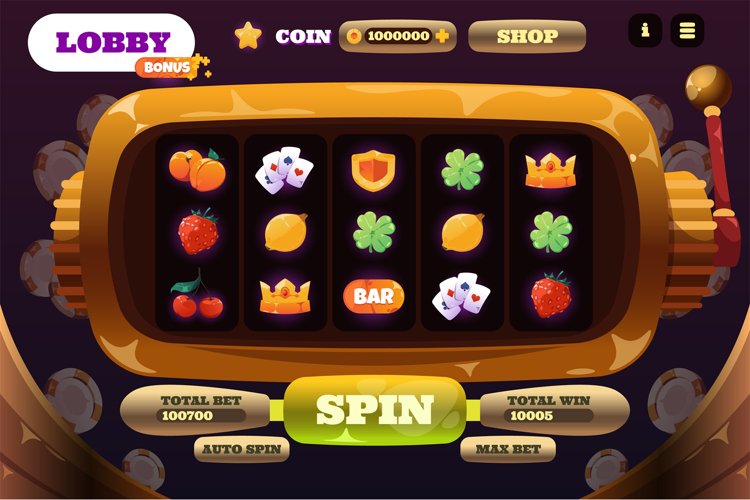
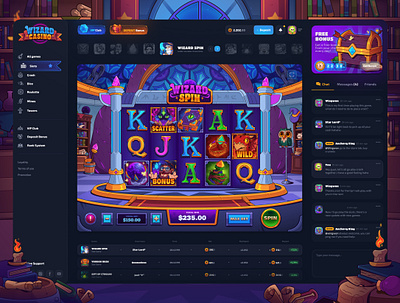
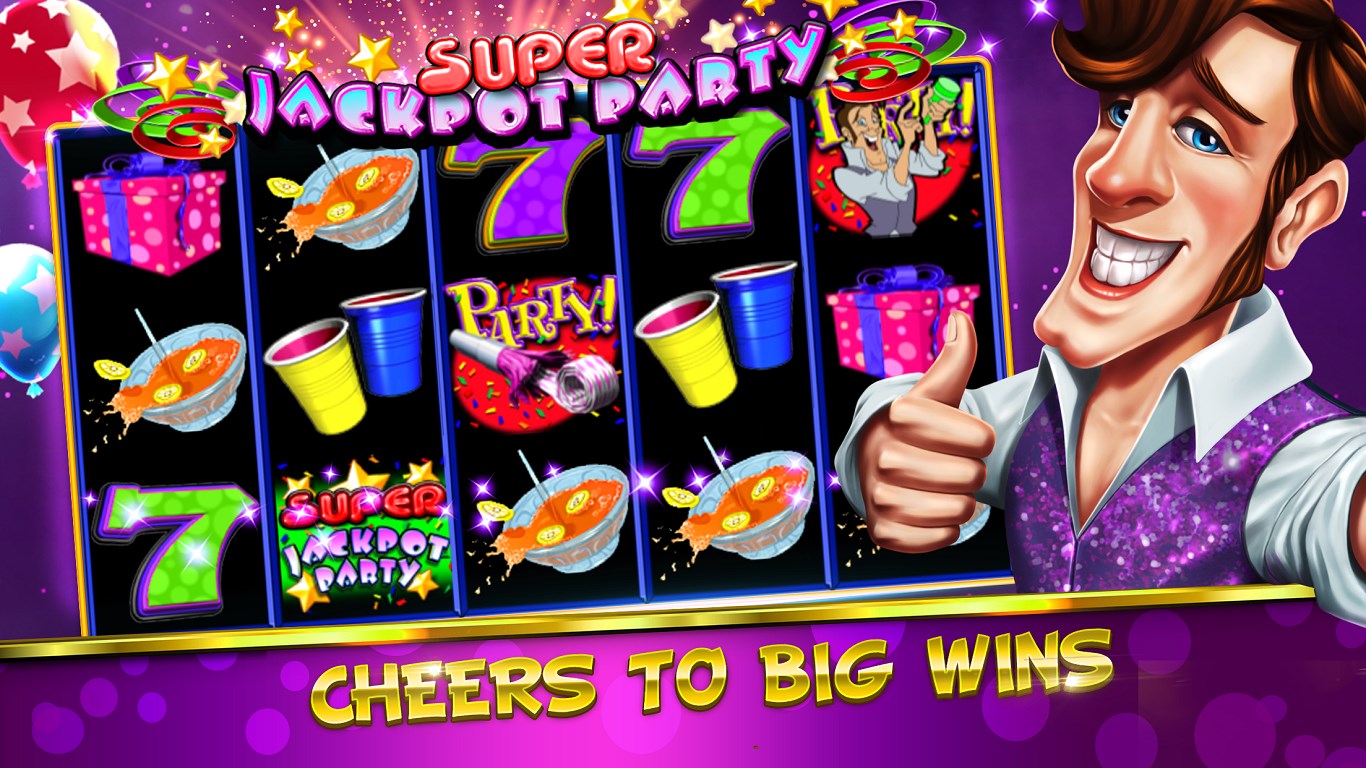
Marketing and design strategies play a substantial role in shaping these expectations. Slot games are meticulously engineered to create an illusion of frequent wins. Visual cues, auditory feedback, and near-miss outcomes are deliberately implemented to heighten anticipation and excitement. For instance, the flashing lights and celebratory sounds associated with a near-win can make the player feel as though they were on the verge of success, subtly reinforcing the idea that a big win is always within reach. These design elements can inflate expectations, conditioning players to believe that winning is more probable than it statistically is. The interplay between expectation and game mechanics can significantly influence satisfaction: if a player anticipates winning often and experiences frequent small wins, their satisfaction is reinforced. On the other hand, if the anticipated thrill is unmet, frustration can overshadow the enjoyment derived from the game itself.
Personal experience and social factors also contribute to shaping slot expectations. Stories of massive jackpots, whether shared among friends or highlighted in media, can establish an aspirational benchmark. A player who hears about a friend hitting a large payout may approach their own session with heightened hopes, mentally quantifying their potential rewards against observed examples. Similarly, repeated exposure to online slot streams or casino promotions can skew perception, making substantial wins seem routine rather than exceptional. These social and experiential factors can magnify the psychological stakes of each spin, influencing both the intensity of the engagement and the resulting emotional response. The disconnect between expectation and reality can be particularly potent when influenced by anecdotal or media-driven narratives, leading to swings in satisfaction that are largely independent of the actual gameplay results.
Cognitive biases further shape how players evaluate their satisfaction. The concept of “loss aversion,” central to behavioral economics, explains why the disappointment of not achieving an expected win can outweigh the pleasure of smaller, unanticipated gains. Players often remember losses more vividly than equivalent wins, and when these losses diverge from prior expectations, dissatisfaction is amplified. Conversely, occasional wins that exceed expectations can trigger disproportionately positive emotional responses, reinforcing the allure of continued play. This cognitive mechanism highlights why expectation management is so critical in gambling contexts: a well-calibrated set of expectations can mitigate the emotional volatility associated with slot outcomes, enhancing overall satisfaction even in the absence of large payouts.
Expectation management is not solely the responsibility of the player; responsible platforms also have a role to play. Transparent communication regarding odds, payout rates, and the random nature of slot outcomes helps anchor expectations in reality. Platforms that employ educational tools, such as probability breakdowns or interactive tutorials, empower players to form more accurate anticipations, reducing the likelihood of disappointment and fostering a healthier engagement. When players understand that slots are games of chance rather than guaranteed profit, their satisfaction becomes more resilient to individual losses, as enjoyment is derived from the experience itself rather than the outcome alone.
The emotional experience of slot play also intersects with the concept of flow, a state of deep engagement where skill and challenge are balanced. Although slot machines require minimal skill, the pacing, visual stimuli, and intermittent reinforcement can create a flow-like state in which players are fully absorbed. Here again, expectations influence satisfaction: players who approach the game anticipating an immersive and entertaining experience are more likely to achieve this state, whereas those fixated solely on financial gain may struggle to engage positively. The alignment of expectations with achievable psychological states, rather than purely monetary outcomes, is therefore pivotal in shaping a fulfilling experience.
Ultimately, the relationship between slot expectations and satisfaction is dynamic and multifaceted. Satisfaction arises not only from the outcomes of spins but from the interplay of cognitive, emotional, and social factors that frame those outcomes. Players’ anticipations guide attention, interpret results, and color emotional reactions, meaning that identical outcomes can yield vastly different levels of satisfaction depending on the expectation context. A minor win can delight a player whose expectations were modest, while the same result might disappoint someone anticipating a jackpot. Understanding this nuanced interplay offers valuable insight for both players seeking enjoyable experiences and platforms striving to foster responsible, engaging environments.
In conclusion, slot satisfaction is less about the actual frequency or size of wins and more about the alignment between expectations and experience. Marketing cues, social influences, cognitive biases, and platform transparency all contribute to shaping these expectations, which in turn modulate emotional outcomes. When expectations are realistic and aligned with the experiential pleasures of play, satisfaction is enhanced, reinforcing positive engagement. Conversely, inflated or poorly managed expectations can lead to frustration and diminished enjoyment, regardless of objective outcomes. Recognizing and managing the psychological framework of expectation allows both players and operators to navigate the slot experience more consciously, emphasizing enjoyment, engagement, and sustainable satisfaction over the elusive pursuit of guaranteed wins.








Leave a Reply