Slot awareness and decision control are fundamental concepts in cognitive science and behavioral psychology, reflecting the intricate ways humans process information and make choices. At the core, slot awareness refers to an individual’s capacity to recognize the availability of options or “slots” in a particular context. These slots can be literal, as in seats, positions, or openings, or metaphorical, representing opportunities, roles, or potential actions within a decision-making environment. Awareness of these slots is not merely passive recognition; it involves understanding the nature, constraints, and potential consequences of occupying a slot. A person with high slot awareness can identify multiple possibilities simultaneously, anticipate changes in availability, and adapt their behavior accordingly. This cognitive skill is closely tied to attentional control, memory, and situational awareness, all of which contribute to efficient and adaptive decision-making.
Decision control, on the other hand, is the capacity to regulate one’s choices and actions in line with goals, values, and contextual demands. It involves executive functions such as planning, inhibitory control, and cognitive flexibility. Decision control allows an individual to prioritize options, resist impulsive tendencies, and execute strategies that optimize outcomes. It is the mechanism by which slot awareness is operationalized: recognizing a potential opportunity is valuable only if it can be translated into a deliberate and controlled action. High decision control ensures that opportunities are seized strategically rather than randomly, and that choices are aligned with long-term objectives rather than short-term impulses.
The interplay between slot awareness and decision control is particularly evident in dynamic environments where options are constantly changing. For instance, in a fast-paced work setting, an employee must be aware of open projects, roles in meetings, or chances to lead initiatives. Slot awareness enables them to perceive these possibilities, while decision control helps them choose which opportunities to pursue based on workload, skillset, and career objectives. The synergy between the two allows for adaptive behavior: the individual is not merely reacting to circumstances but proactively navigating complex scenarios.
Cognitive load plays a critical role in this interaction. When an individual is overloaded with information or stimuli, slot awareness can be impaired, leading to missed opportunities or misperceptions about what is available. Likewise, decision control may weaken under stress, fatigue, or emotional pressure, resulting in impulsive or suboptimal choices. Therefore, effective functioning in decision-rich environments depends not only on the ability to recognize available options but also on the capacity to maintain mental clarity and self-regulation. Techniques such as mindfulness, structured decision frameworks, and prioritization strategies can enhance both slot awareness and decision control by reducing cognitive noise and fostering deliberate focus.
From a psychological perspective, these concepts are also linked to motivation and reward processing. The perceived value of a slot or opportunity influences attention and prioritization. If an individual expects a high reward from a particular slot, their awareness of it is heightened, and decision control mechanisms are more likely to engage to secure it. Conversely, if the potential outcome is low or uncertain, the slot may be ignored, even if it is technically available. This illustrates how subjective evaluation interacts with objective availability, shaping behavior in nuanced ways. The brain’s reward systems, particularly dopaminergic pathways, play a central role in modulating this process, reinforcing the pursuit of high-value opportunities and discouraging engagement with less rewarding options.
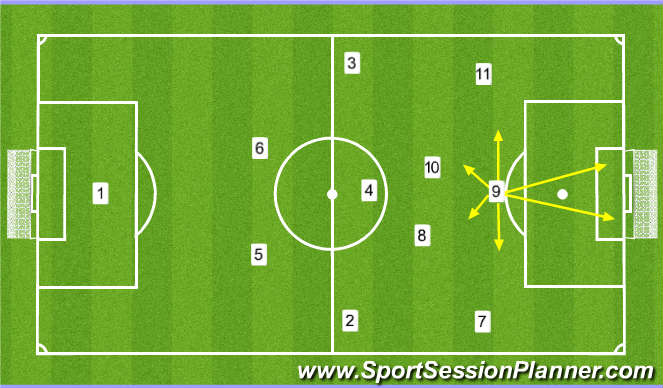
In practical applications, slot awareness and decision control are critical in fields such as healthcare, aviation, and competitive sports, where rapid assessment of options and controlled execution of actions are vital. In medicine, a surgeon must be aware of anatomical variations (slots) during a procedure and exercise precise control over instruments and timing to achieve successful outcomes. In aviation, pilots must monitor multiple flight parameters, recognize openings for course adjustments, and execute maneuvers with careful decision control to ensure safety. Athletes, similarly, assess spatial and temporal slots in real time, deciding whether to pass, shoot, or reposition based on a combination of awareness and control. In each case, the integration of perception and regulation determines success or failure.
The development of slot awareness and decision control can be enhanced through training and experience. Simulation exercises, scenario-based learning, and deliberate practice foster the ability to perceive opportunities and regulate actions effectively. Cognitive strategies such as visualization, mental rehearsal, and contingency planning strengthen decision control by allowing individuals to anticipate outcomes and practice adaptive responses. Additionally, reflective practices help individuals review past decisions, identify patterns of success and error, and refine both awareness and control mechanisms over time.
Social and environmental factors also influence these capacities. A supportive environment that provides clear feedback, structured choices, and manageable complexity enhances both slot awareness and decision control. Conversely, chaotic or unpredictable settings can overwhelm cognitive resources, leading to reduced awareness of available opportunities and impaired regulation of actions. Cultural norms and organizational structures further shape how individuals perceive slots and exercise control, affecting behavior in both subtle and overt ways. Understanding these contextual influences is essential for designing systems, workplaces, and interventions that maximize human decision-making potential.
Technological advancements are increasingly interfacing with human slot awareness and decision control. Artificial intelligence systems, decision-support tools, and real-time analytics can augment human perception of available options, providing insights that would be difficult to detect unaided. These tools can help prioritize decisions, simulate potential outcomes, and reduce the cognitive burden associated with complex environments. However, reliance on technology also introduces new challenges, including overdependence, reduced intuitive judgment, and potential misalignment between machine-generated recommendations and human values. Striking a balance between assisted awareness and autonomous decision control is critical in leveraging these innovations effectively.
At a theoretical level, slot awareness and decision control can be conceptualized as complementary components of adaptive behavior. Slot awareness represents the scanning and recognition phase, where potential opportunities are detected and evaluated, while decision control represents the execution phase, where deliberate action is applied to capitalize on these opportunities. Together, they enable flexible, goal-directed behavior in environments characterized by uncertainty, complexity, and change. Research in cognitive neuroscience, behavioral economics, and human factors continues to elucidate the mechanisms underlying these processes, offering insights into how humans optimize choices and navigate challenges.
In sum, slot awareness and decision control are deeply intertwined aspects of human cognition that shape how individuals perceive, evaluate, and act upon opportunities. They are critical in both everyday life and high-stakes contexts, influencing outcomes ranging from personal success to organizational performance. By understanding and enhancing these capacities through training, reflection, and environmental design, individuals can improve their ability to navigate complex situations, make strategic choices, and achieve desired goals. These concepts underscore the importance of integrating perception, evaluation, and regulation in the study of human behavior and decision-making, revealing the sophisticated interplay between recognizing what is available and determining how to act effectively.