
The attraction to slot machines is often underestimated in its subtlety. What begins as a simple pastime can gradually evolve into a pattern of repeated behavior, forming habits that feel almost automatic. The initial encounter with a slot machine is usually driven by curiosity or social influence. Many people are introduced to slots in a casual context, such as a visit to a casino with friends or a digital game platform offering free plays. The bright lights, engaging sounds, and promise of potential rewards create a powerful initial impression, capturing attention and stimulating the desire to participate. This early exposure is crucial in setting the stage for habitual engagement, as the brain begins to associate the slot environment with excitement and reward.
One of the key mechanisms behind the development of slot habits is the variable-ratio reinforcement schedule. Unlike predictable rewards, variable rewards are delivered inconsistently, creating a sense of anticipation and excitement. A player may spin the reels multiple times without winning, only to experience a significant payout unexpectedly. This unpredictability strongly engages the brain’s reward system, particularly the dopamine pathways, reinforcing the behavior and increasing the likelihood of repeated play. Over time, the player may develop a psychological association between spinning the reels and receiving pleasure, even if the actual winnings are infrequent or modest.
Repetition plays a crucial role in solidifying these behaviors into habits. When players repeatedly engage with slot machines, they enter a cycle of action and reward that becomes increasingly automatic. The act of inserting money, pressing buttons, or swiping screens begins to require less conscious thought. This automation is a hallmark of habit formation, where behavior shifts from deliberate choice to an almost reflexive pattern. Players may find themselves reaching for the slot machine out of routine, often without fully considering the consequences or the actual enjoyment derived from the experience.
Emotional triggers also contribute significantly to the persistence of slot habits. Slots are designed to evoke a range of emotions, from the thrill of a near win to the elation of hitting a jackpot. Emotional highs and lows create a feedback loop, where players seek the positive sensations and attempt to avoid the frustration of losses. The interplay between anticipation, reward, and emotional arousal intensifies the habit-forming process. Over time, the emotional response to the machine itself can become a driving force, motivating play even in the absence of rational reasoning or strategic planning.
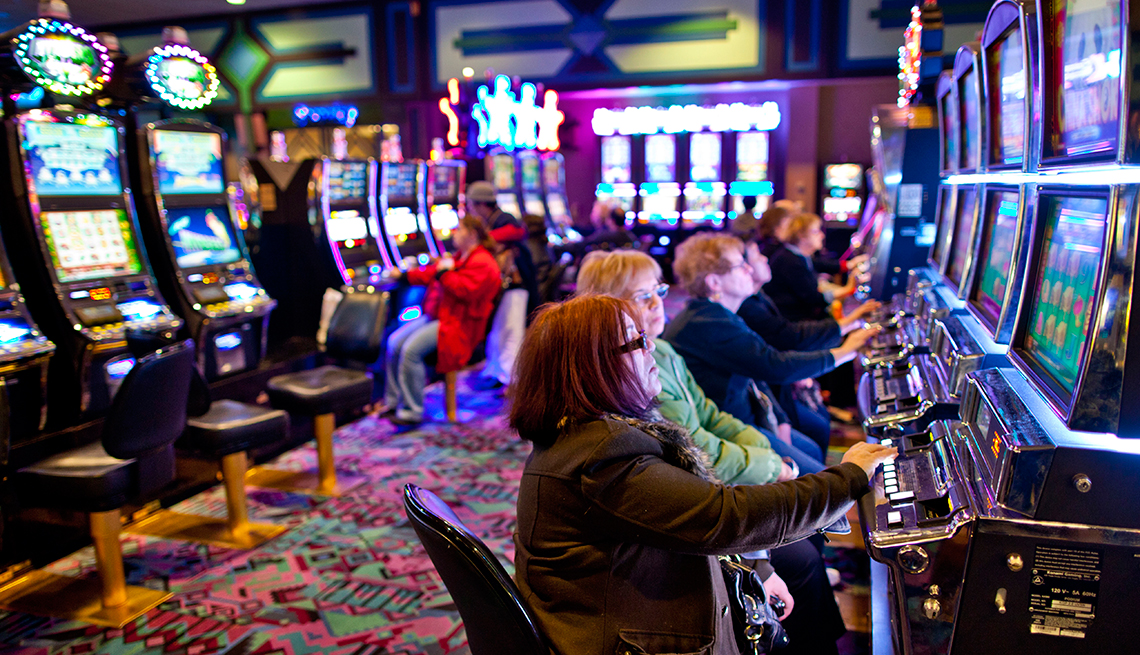
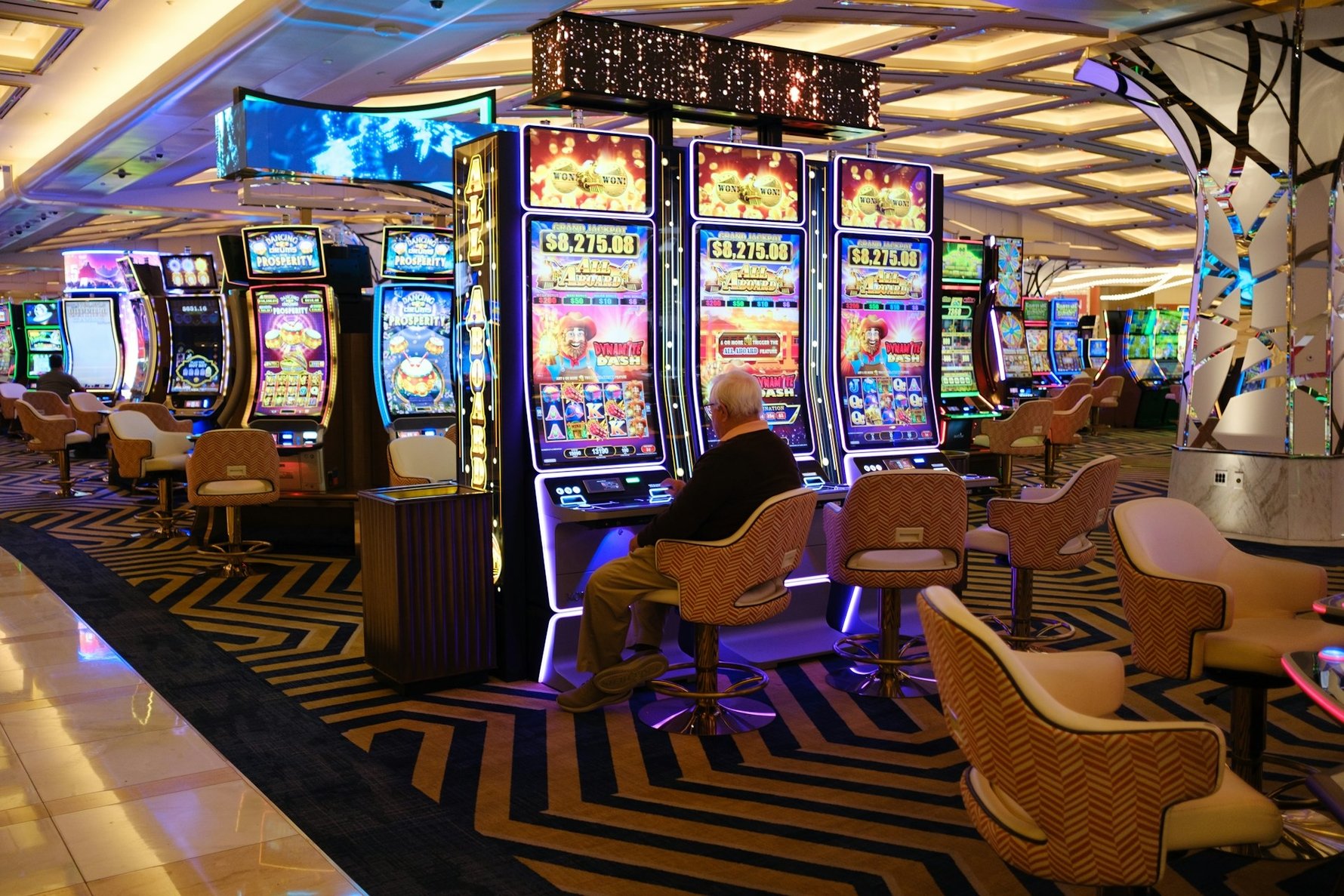
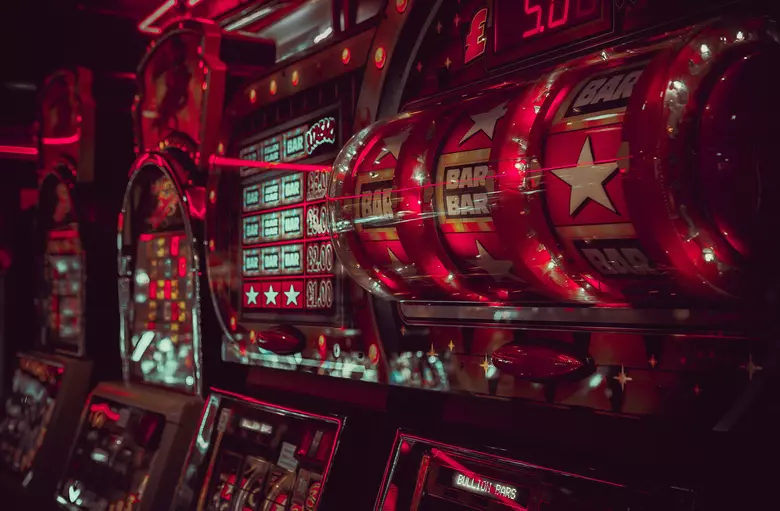
Social and environmental factors further reinforce slot habits. Casinos and gaming platforms employ a variety of cues to sustain engagement, including bright visual displays, immersive soundscapes, and thematic designs that capture attention. In addition, social validation—such as observing others win or sharing experiences with friends—can amplify motivation to continue playing. Environmental consistency, such as frequent visits to casinos or regular online access, strengthens the behavioral loop, making it easier for habits to persist over long periods. The combination of social reinforcement and environmental cues creates a powerful context in which habitual play becomes normalized.
Cognitive biases also contribute to the reinforcement of slot habits. The gambler’s fallacy, for example, leads individuals to believe that past losses increase the likelihood of future wins, while the illusion of control fosters a sense of skill or influence over outcomes that are entirely random. These cognitive distortions maintain engagement by providing justification for continued play and minimizing perceived risk. Players may develop rituals or superstitions, further embedding the habit into their behavior and reinforcing the sense of agency, even when it is illusory.
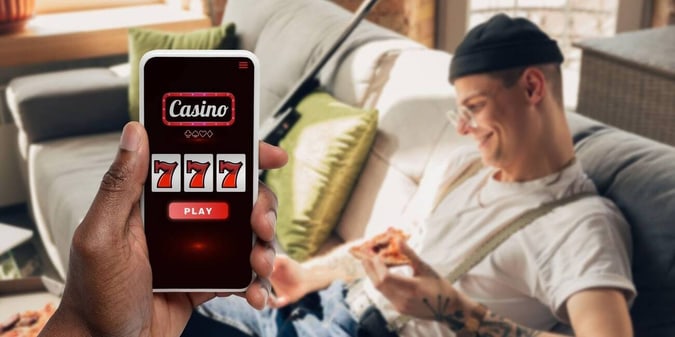
As habits consolidate, the perception of time and effort changes. Players may spend extended periods engaged with slot machines, losing track of time due to the immersive and repetitive nature of the activity. The ease of access, particularly with online platforms, reduces friction and allows for continuous engagement, making the habit more resilient. Over time, the routine of playing slots becomes intertwined with daily life, influencing schedules, leisure activities, and even financial decisions. The habit is no longer just an activity but a component of lifestyle, subtly shaping priorities and behaviors.
Breaking established slot habits requires intentional effort and awareness. Recognizing the automatic nature of the behavior and understanding the mechanisms that reinforce it is the first step. Self-imposed limits, both in terms of time and money, can introduce friction into the habit loop, providing opportunities for reflection and conscious choice. Behavioral interventions, such as setting structured play schedules, engaging in alternative activities, or seeking social support, can disrupt the cycle of automatic engagement. In more entrenched cases, professional guidance and counseling may be necessary to address underlying psychological and emotional drivers.
Technology both facilitates and complicates the management of slot habits. Online platforms provide convenience and immediacy, allowing play at any time, which can accelerate habit formation. Features like notifications, bonuses, and personalized recommendations are designed to sustain engagement, reinforcing habitual behavior through targeted stimuli. At the same time, these same technological tools offer opportunities for self-regulation, such as spending limits, session reminders, and tracking tools that help individuals maintain awareness of their play patterns. The interplay between technology, habit formation, and self-control is complex, requiring a careful balance between convenience and conscious management.
Ultimately, understanding how slot habits form over time reveals the intricate interplay of psychology, environment, and behavior. The combination of variable rewards, emotional engagement, social influence, and cognitive biases creates a potent mechanism for habit formation. While the immediate allure of slot machines is often entertaining, the gradual development of habitual behavior highlights the importance of awareness, self-regulation, and conscious decision-making. By recognizing the processes that underlie these habits, individuals can better navigate their relationship with slot machines, making choices that support enjoyment without allowing automatic patterns to dominate their actions.
The subtle evolution from casual play to habitual engagement demonstrates that slot habits are not merely a matter of willpower but a product of deliberate design, psychological reinforcement, and repeated exposure. Awareness and informed choices become the most effective tools in managing these behaviors, allowing players to enjoy slots responsibly while mitigating the risks of entrenched habits.
Habits formed in this way are resilient, but they are not irreversible. Through reflection, intervention, and structured limits, individuals can reshape their engagement, ensuring that play remains a controlled, conscious activity rather than an automatic compulsion. Understanding the long-term trajectory of slot habits underscores the necessity of mindfulness in gaming, highlighting the balance between entertainment and behavioral awareness.







Leave a Reply