
The allure of slot machines lies not only in their flashing lights and enticing sounds but also in the intricate psychological mechanisms designed to engage players and influence behavior. Understanding slot psychology is crucial for both operators and players who wish to approach gaming responsibly. Slot machines are carefully engineered to balance reward and unpredictability, creating an environment where players are drawn into a cycle of emotional and cognitive responses that can sometimes override rational decision-making. By analyzing these psychological principles, players can reduce emotional play, make informed decisions, and maintain control over their gambling experiences.
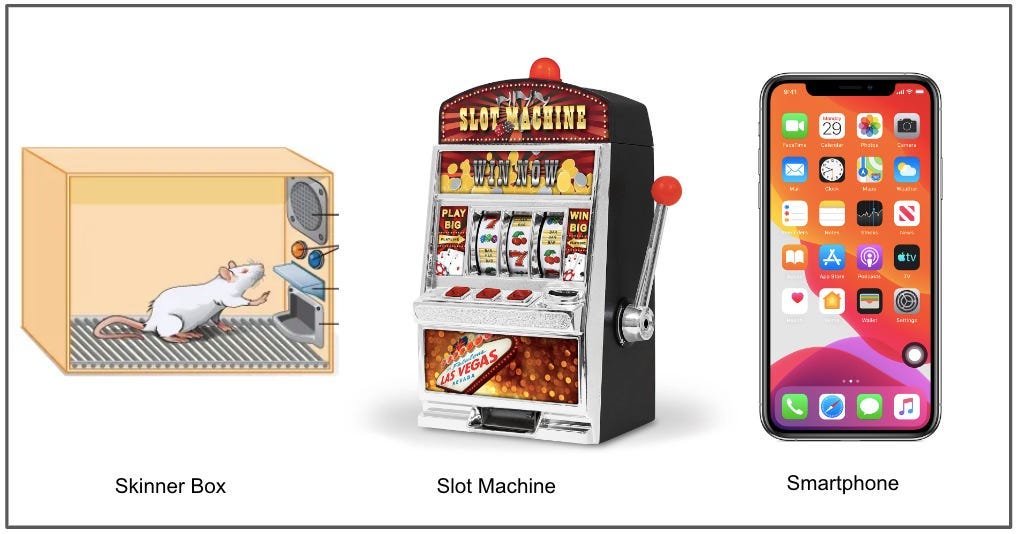
At the core of slot psychology is the concept of intermittent reinforcement, a principle derived from behavioral psychology. Slot machines deliver rewards in an unpredictable manner, ensuring that wins occur sporadically rather than on a predictable schedule. This randomness is not arbitrary; it is designed to maximize engagement by tapping into the human brain’s reward system. Each spin carries the potential for a payoff, and the uncertainty surrounding that potential creates excitement and anticipation. This intermittent reward structure encourages continued play, even when losses accumulate, because the next spin could always produce a win. By recognizing this mechanism, players can separate the thrill of anticipation from the impulse to chase losses, fostering a more rational approach to gaming.
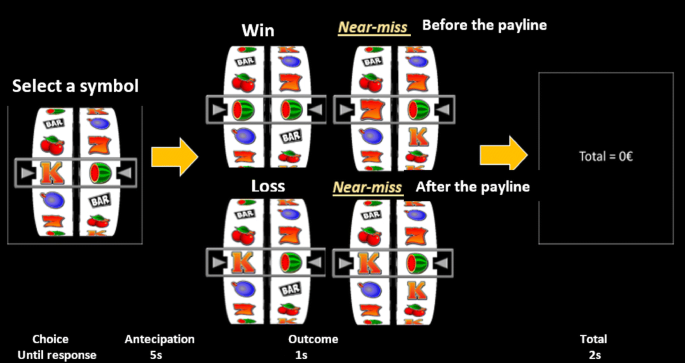
Another critical factor in slot psychology is near-miss design. Near-misses occur when symbols align in a way that almost results in a win. Research has shown that near-misses activate similar neurological pathways as actual wins, eliciting feelings of accomplishment and motivation to continue playing. For emotional players, near-misses can be particularly deceptive, creating the illusion that a win is imminent and prompting extended sessions. By understanding that near-misses are strategically engineered outcomes rather than indicators of luck, players can resist the urge to continue spinning in an emotional state. Awareness of these design elements helps players maintain perspective, preventing temporary emotions from dictating long-term gambling decisions.
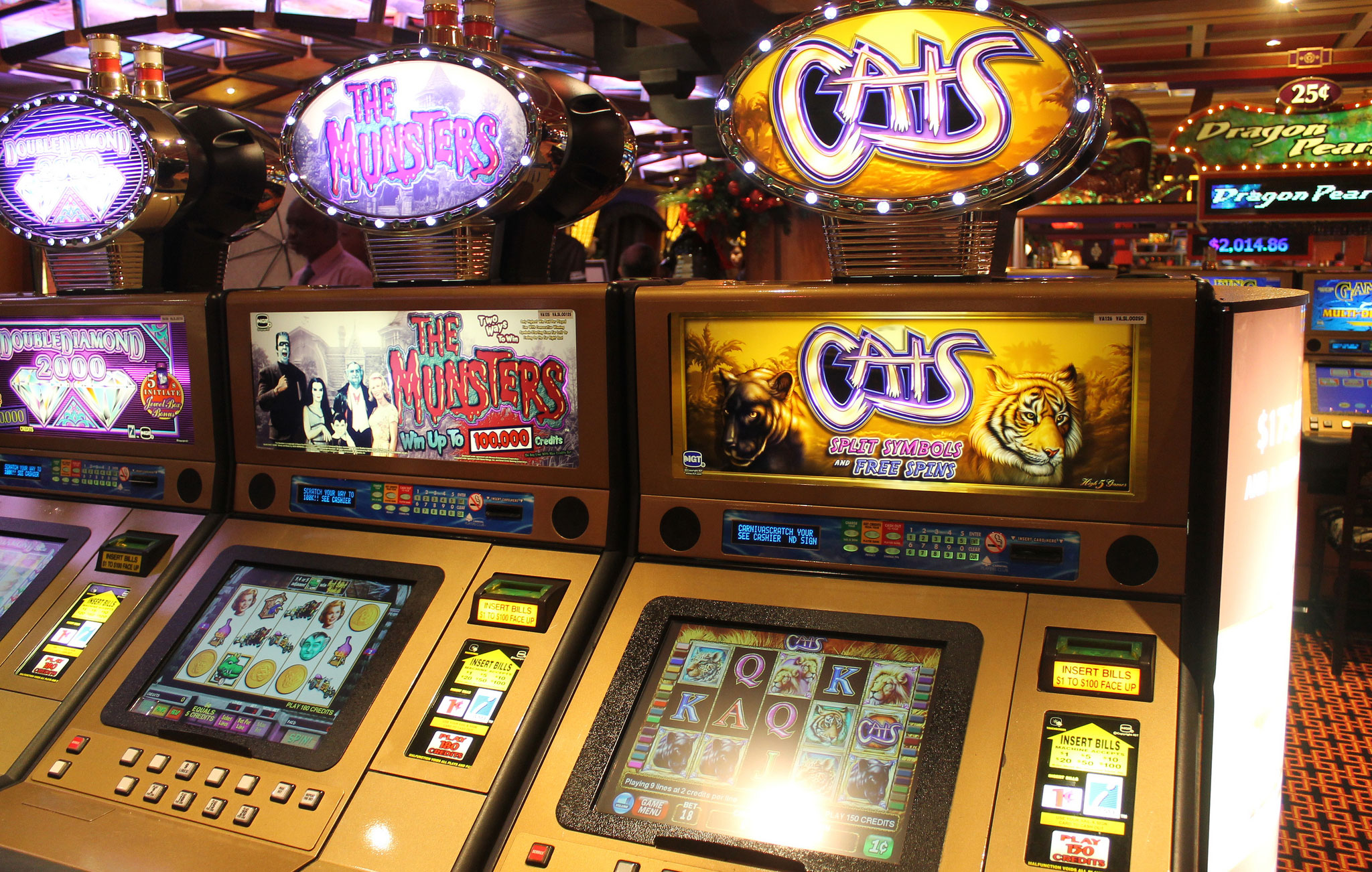
Visual and auditory stimuli also play a substantial role in reinforcing emotional engagement. Bright colors, flashing lights, celebratory sounds, and animations signal wins or near-wins and contribute to heightened arousal. These sensory cues are designed to generate excitement and reinforce positive feelings associated with rewards, even if the monetary gain is small or nonexistent. Players who approach slots without awareness of these cues may find themselves reacting emotionally rather than strategically. Reducing emotional play requires recognizing that these stimuli are engineered triggers. Players can mitigate their influence by setting predetermined limits, taking breaks, and consciously focusing on objective outcomes rather than the sensory experience alone.
Cognitive biases further influence slot behavior. One prominent bias is the gambler’s fallacy, the mistaken belief that past losses increase the likelihood of future wins. Emotional players may fall prey to this bias, believing that persistence will eventually yield a favorable result. Slot machines exploit this tendency by reinforcing small wins and near-misses in a way that validates these erroneous beliefs. Understanding cognitive biases equips players with the tools to approach each spin independently, avoiding the trap of emotional reasoning. By framing each round as a discrete event governed by chance, players reduce impulsivity and maintain control over their betting strategy.
Bankroll management is another essential component of reducing emotional play. Players who establish strict spending limits and adhere to them are less likely to become emotionally compromised. Slot psychology often capitalizes on the fluidity of money perception—small bets may feel inconsequential, but they accumulate quickly. Emotional players may increase their wagers after losses in an attempt to recover, a behavior known as chasing losses. By employing a disciplined approach, players can prevent emotional impulses from escalating and ensure that their gambling remains within manageable boundaries. Awareness of the psychological triggers for impulsive spending reinforces the importance of proactive financial planning before engaging in slot play.
The strategic use of session timing and breaks also counteracts the emotional influence of slot machines. Extended play can lead to fatigue and cognitive depletion, making players more susceptible to impulsive decisions and riskier bets. Slot psychology takes advantage of prolonged engagement to intensify emotional involvement. By intentionally scheduling breaks, players allow themselves the opportunity to reset, regain perspective, and make more rational choices. Short intervals of reflection reduce the likelihood of decisions driven by frustration or the thrill of immediate gratification.
Education and self-awareness are foundational in mitigating emotional play. Understanding the principles behind slot machine design empowers players to approach gaming with mindfulness. Knowledge about return-to-player percentages, volatility, and the role of chance helps demystify the randomness and prevents overreliance on intuition. When players recognize that outcomes are determined by algorithms rather than patterns they can predict, emotional reactions lose their persuasive power. Education transforms the player’s relationship with slots, fostering a sense of agency and control that counterbalances instinctive responses.
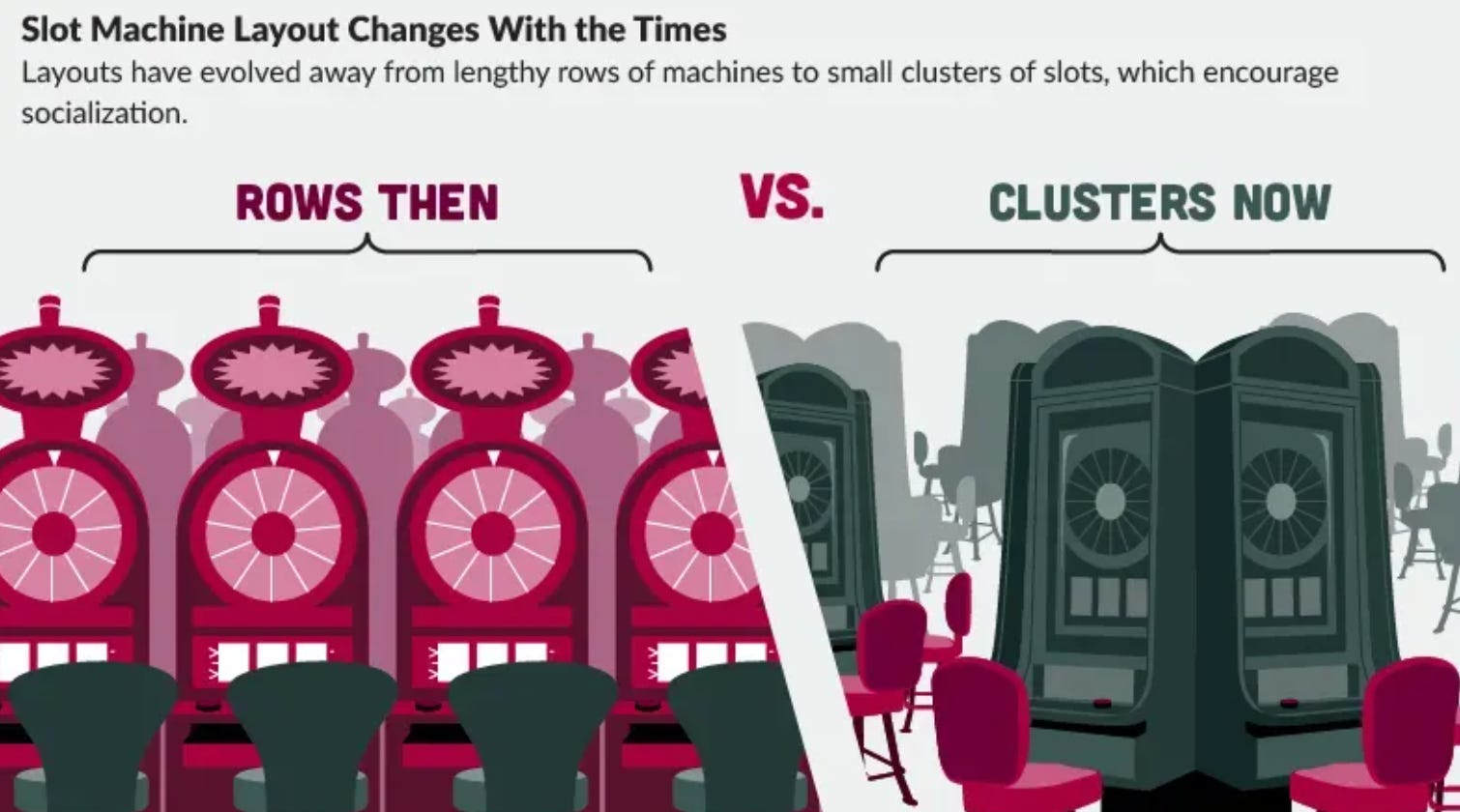
Social and environmental factors also shape emotional engagement. Casinos and online platforms strategically design their spaces to minimize external cues that might remind players of time and expenditure, thereby amplifying immersion. Isolation, social encouragement, and reward-driven atmospheres contribute to emotional escalation. Players who cultivate awareness of these influences are better equipped to detach from situational pressures and make measured decisions. Incorporating routines such as pre-defined session times, gambling in moderation, and maintaining social accountability reinforces disciplined play.
Ultimately, reducing emotional play in slots requires a comprehensive understanding of the psychological levers embedded in machine design. Intermittent reinforcement, near-miss effects, sensory stimuli, cognitive biases, and environmental cues all serve to elicit strong emotional responses. By developing awareness, managing bankrolls, scheduling breaks, and grounding decisions in rational analysis rather than emotion, players can navigate the engaging landscape of slots responsibly. Slot psychology, when understood and applied consciously, transforms the experience from reactive and impulsive to deliberate and controlled, allowing for enjoyment without sacrificing decision-making integrity.
Awareness and education do not eliminate the excitement inherent in slots; rather, they provide a framework for enjoyment that is balanced, controlled, and emotionally sustainable. Players who integrate these psychological insights into their approach cultivate resilience against the manipulative elements of slot design, ensuring that their engagement remains a choice guided by strategy and mindfulness, not by momentary impulses.




Leave a Reply