
Slot betting is one of the most popular forms of gambling worldwide, drawing millions of players to both physical casinos and online platforms. The allure of slots lies in their simplicity: spin the reels, match symbols, and win prizes. However, beneath this straightforward surface exists a complex landscape of player behavior, psychological triggers, and strategic decision-making that defines slot betting habits.
Players often develop specific routines when engaging with slots. Many begin by selecting machines based on perceived luck or past experiences. Some prefer new or recently “hot” machines, influenced by the belief that previous payouts indicate imminent wins. This perception, however, is largely shaped by cognitive biases; each spin is independent, and the machine’s random number generator ensures outcomes remain unpredictable. Yet, the illusion of patterns drives players to stick to certain machines, creating habitual behaviors that persist over time.
The amount wagered per spin is another critical aspect of slot betting habits. Casual players may opt for minimal bets, seeking entertainment without risking significant capital. In contrast, high-stakes players often bet larger sums, motivated by the potential for substantial jackpots. Many players vary their bets according to their wins or losses, a practice known as progressive betting. When experiencing a winning streak, players might increase their wagers, hoping to amplify returns. Conversely, after losses, some may reduce their bets to prolong their playtime or manage risk. This ebb and flow in wagering reflects both emotional responses and strategic considerations.
Time management is another habitual element. Players often allocate specific periods for slot play, sometimes using slots as a form of escape or relaxation. Long sessions can be particularly immersive, fueled by the combination of bright visuals, engaging sounds, and intermittent rewards. This immersive design taps into behavioral psychology, leveraging variable reinforcement to encourage sustained engagement. The unpredictability of wins creates anticipation and excitement, making players more likely to continue spinning despite losses. Understanding this cycle is key to recognizing why certain players develop extended or frequent slot-playing routines.
Many slot enthusiasts also engage with bonus features and promotional offers. Free spins, multipliers, and loyalty rewards are powerful incentives that influence betting patterns. Players often strategize around these features, adjusting their bets to maximize the benefits of promotions. Loyalty programs, in particular, encourage regular play by rewarding frequency and cumulative wagers. These systems create a feedback loop, where players are motivated to continue playing to achieve higher tiers or unlock additional bonuses, reinforcing habitual engagement with the platform.
A significant factor in slot betting habits is the emotional experience associated with winning and losing. Wins, even small ones, trigger dopamine responses, reinforcing the behavior and creating a sense of reward. Losses, while frustrating, can paradoxically encourage continued play as players chase the elusive next win. This phenomenon, often referred to as “loss chasing,” is a common pattern in gambling behavior, highlighting the interplay between psychology and habit formation. Experienced players may develop self-awareness strategies, setting limits or using predetermined budgets to manage emotional reactions and maintain control over their betting habits.
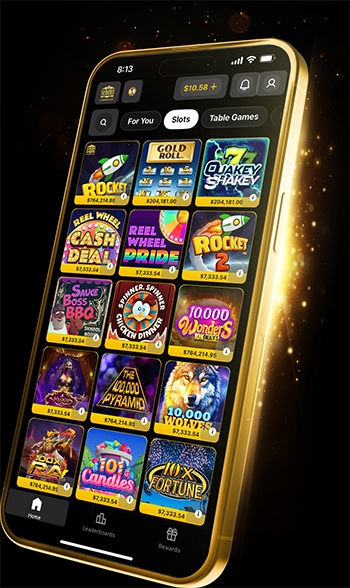
Technological developments have also shaped modern slot betting behaviors. Online platforms allow for continuous play, instant access to various games, and customizable betting options. Players can now switch seamlessly between different slot types, themes, and volatility levels, catering to individual preferences and risk tolerance. Mobile accessibility further enhances habitual engagement, enabling play on-the-go and integrating slot betting into daily routines. Notifications, reminders, and in-app incentives serve to reinforce these habits, keeping players engaged and returning to the platform regularly.
Social dynamics influence slot betting habits as well. While slots are often solitary experiences, online communities and forums allow players to share experiences, discuss strategies, and highlight popular machines or platforms. Peer recommendations can shape preferences and reinforce certain habits, such as selecting specific games or timing play sessions based on community advice. Additionally, competitive elements, such as leaderboards or shared jackpots, introduce a social dimension that can amplify engagement and habitual participation.
Risk perception plays a pivotal role in shaping betting behavior. Players continuously assess the balance between potential rewards and the possibility of losses. Some adopt conservative strategies, focusing on extended play with smaller bets to mitigate risk, while others embrace higher volatility for the chance at substantial payouts. Awareness of odds, payout percentages, and machine volatility influences decision-making, though many players still rely on intuition or personal experience rather than mathematical analysis. This blend of rational assessment and emotional influence forms the core of individual betting habits.
Cultural factors also contribute to how players engage with slots. Regional popularity of certain game types, societal attitudes toward gambling, and exposure to promotional campaigns can all influence betting frequency and style. In regions where gambling is highly normalized, players may develop more casual or recreational habits. In contrast, in areas with strict regulation or societal caution around gambling, players may engage more sporadically or cautiously, reflecting broader environmental influences on behavior.
Finally, self-regulation and awareness are critical components of sustainable slot betting habits. Experienced players often implement strategies to maintain control, such as limiting session duration, setting budgetary caps, or tracking wins and losses. These practices help balance enjoyment with financial responsibility, ensuring that betting remains a recreational activity rather than a compulsive one. Understanding personal triggers, emotional responses, and risk tolerance is essential for developing healthy, sustainable habits in slot betting.
In summary, slot betting habits emerge from a complex interplay of psychology, routine, emotional experience, technology, and social influence. Players navigate choices about machine selection, bet sizing, session length, and engagement with bonuses, often guided by both conscious strategies and subconscious impulses. Recognizing the factors that shape these behaviors provides insight into why slot betting is such a compelling activity and offers guidance for fostering responsible, balanced engagement within the dynamic world of gambling.











Leave a Reply