
Slot machines have long been a staple of the casino experience, drawing players in with their bright lights, engaging sounds, and promise of instant wins. However, understanding how slot behavior influences long-term enjoyment requires more than just a glance at the flashing reels. The psychology behind slot machines, the design of payout structures, and the personal habits of players all intersect to shape the gaming experience over time. By examining these elements, we can see why some players maintain enthusiasm while others find themselves frustrated or disinterested.
One of the most significant factors in player enjoyment is the reinforcement schedule embedded in slot machines. Slots operate on a variable ratio schedule, meaning that wins occur at irregular, unpredictable intervals. This pattern is highly effective at maintaining player engagement because it mimics natural reward systems, keeping the brain in a state of anticipation. Players experience brief moments of euphoria with each win, even if the wins are small, which encourages them to continue playing. The unpredictability of the reward, rather than the magnitude of the payout, has a disproportionate impact on player excitement and perceived entertainment value.
The design of slot machines also plays a critical role in long-term satisfaction. Modern slots often include multiple layers of features such as bonus rounds, free spins, and progressive jackpots. Each additional layer provides opportunities for intermittent rewards, maintaining a sense of novelty and engagement. For instance, a player might enjoy the primary reels but become even more invested when a bonus game triggers. These features are carefully balanced to ensure that wins are frequent enough to retain interest, yet spaced irregularly enough to avoid predictability, which could reduce excitement. Developers invest heavily in behavioral research to create games that maximize entertainment while minimizing player fatigue.
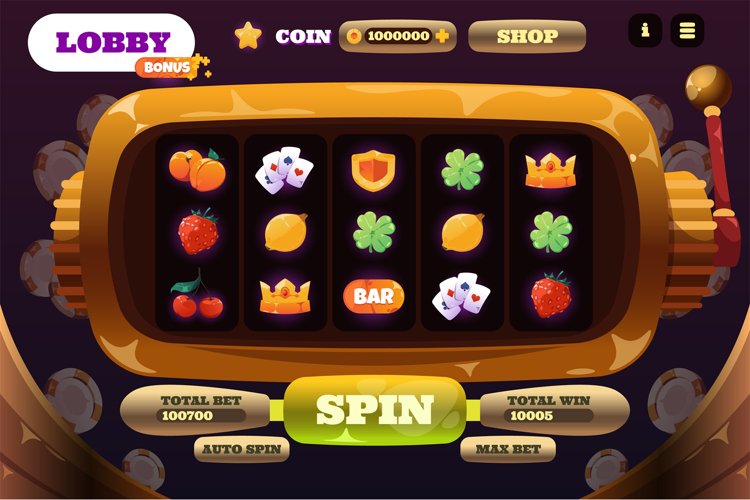
Another element that affects enjoyment is perceived control. Although slot machines are games of chance, players often feel a sense of agency through actions like choosing the number of paylines, adjusting bet sizes, or selecting themed machines. This perceived control can enhance engagement and personal investment in the game, even when the outcomes are ultimately random. Gamblers who feel they have some influence over the outcome tend to experience more satisfaction, while those who perceive the game as entirely mechanical may disengage more quickly. Understanding this balance between chance and control is crucial for long-term enjoyment, as too much randomness without the illusion of agency can lead to frustration.
Player habits and session management also directly affect long-term enjoyment. Those who approach slots with a strategic mindset—setting budgets, limiting session duration, and taking breaks—are more likely to sustain a positive experience over time. Responsible behavior mitigates the negative impact of losing streaks, ensuring that the game remains fun rather than stressful. In contrast, players who chase losses or extend sessions beyond their comfort levels are prone to burnout, reducing both enjoyment and overall satisfaction. Long-term engagement is often less about the mechanics of the game itself and more about the personal approach to managing time and money while playing.
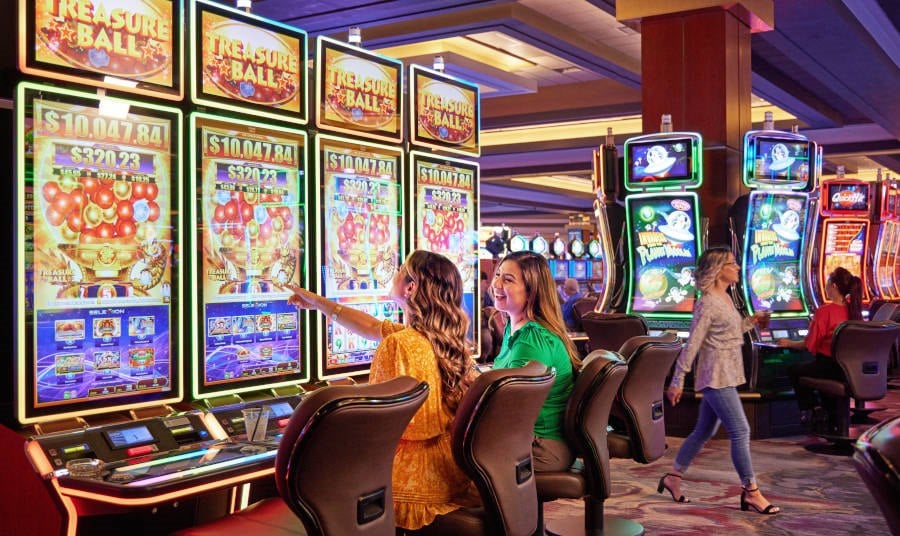
The social environment surrounding slot play also contributes to enjoyment. Playing in a lively casino or online community where interactions and shared experiences occur can amplify positive emotions. Observing other players’ successes or sharing the thrill of a bonus round creates a sense of connection and collective excitement. Conversely, isolated play without social reinforcement can reduce emotional engagement over time, even if the game mechanics remain unchanged. Social context provides an additional layer of reward that complements the inherent reinforcement patterns of the machines.
Slot machine transparency is another factor that subtly shapes player satisfaction. When players understand the odds, payout percentages, and volatility of a machine, they can align expectations with reality. Transparency helps prevent disillusionment that arises when wins are infrequent or outcomes appear inconsistent. Players who accept the statistical nature of slots and adjust their play accordingly tend to maintain more stable enjoyment levels, appreciating the entertainment value without overemphasizing potential monetary gain. Misaligned expectations, however, can lead to frustration, diminishing both short-term thrills and long-term enthusiasm.
Technology has further transformed slot behavior and enjoyment. Online platforms offer features like personalized recommendations, loyalty rewards, and gamified progression systems that create sustained engagement. Mobile accessibility allows players to enjoy short, frequent sessions, which can enhance convenience-based satisfaction. These technological enhancements cater to contemporary play habits, reinforcing positive experiences while minimizing barriers to participation. However, they also require careful management to avoid overstimulation or compulsive behaviors that can detract from long-term enjoyment.
Ultimately, the interplay of reinforcement schedules, game design, perceived control, player habits, social context, transparency, and technology determines the enduring appeal of slot machines. Long-term enjoyment is less about the frequency of jackpots and more about how these factors combine to create a rewarding, engaging, and manageable experience. Players who understand both the mechanics of the machines and their own behavioral tendencies are better equipped to enjoy slots sustainably, appreciating the thrill of play without succumbing to frustration or burnout. In this sense, the psychology behind slot behavior is as crucial to enjoyment as the reels themselves, shaping experiences that can be satisfying for months or even years.


Leave a Reply